
01.10.2026. Berlín
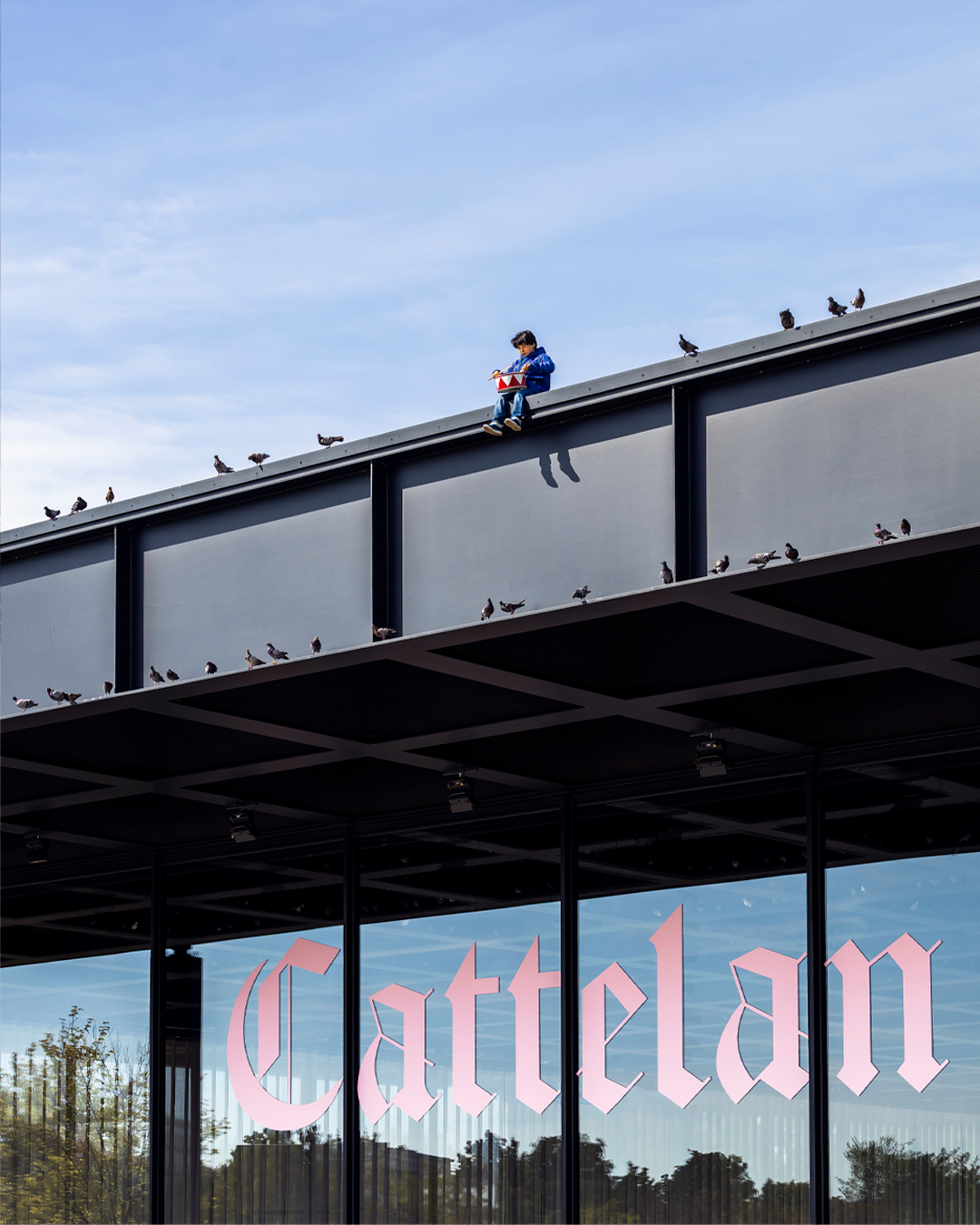
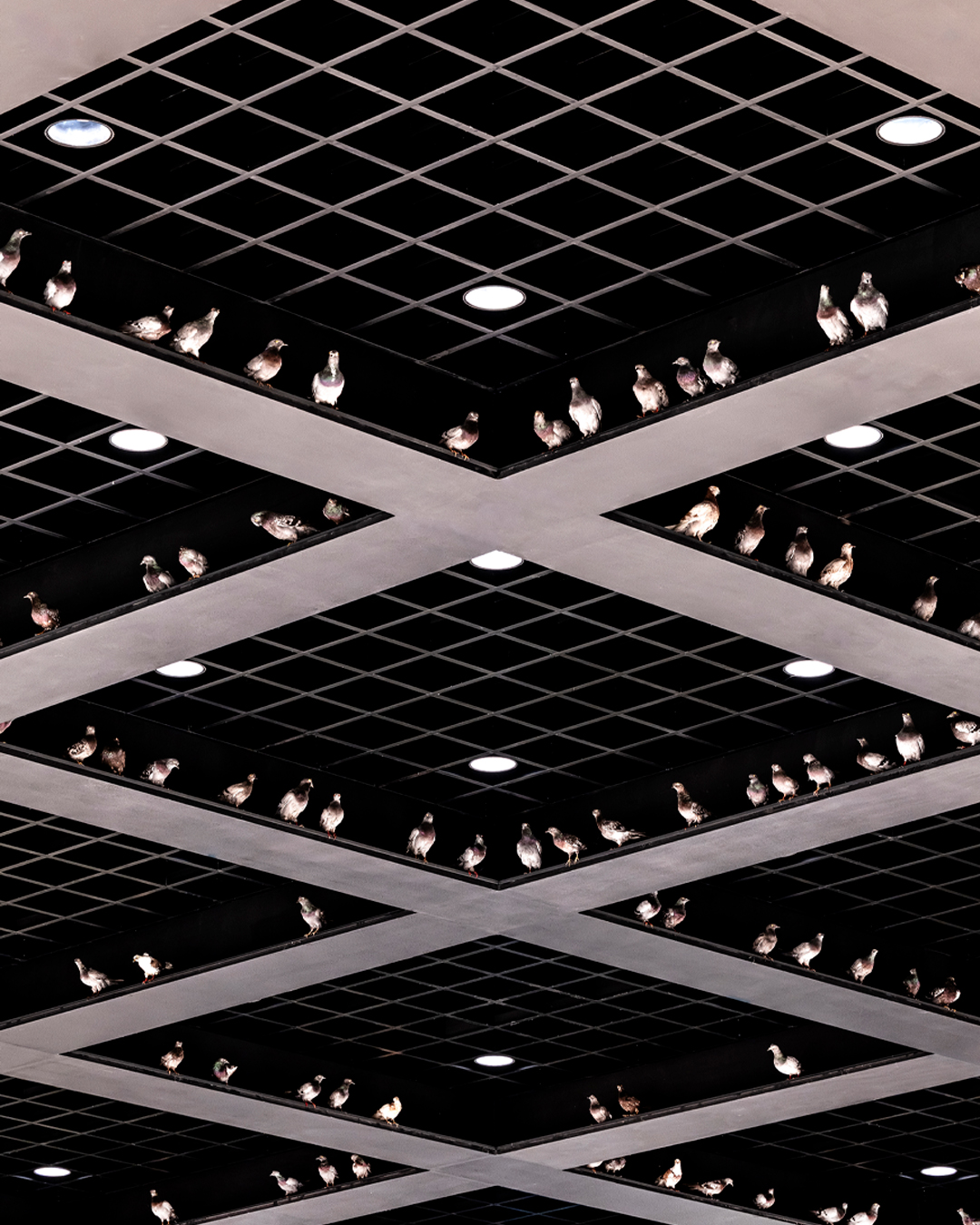
Cattelan ha instalado una iglesia rara dentro de la Neue Nationalgalerie. No hay misa, pero sí un niño golpeando un tambor en el techo, miles de palomas ocupando la estructura y una Puerta de Brandeburgo reducida a un obstáculo doméstico. NIGHT, ganadora del Preis der Nationalgalerie 2026, convierte la caja de cristal de Mies van der Rohe en un espacio donde los símbolos han perdido el control.
Curada por Lisa Botti junto a Klaus Biesenbach, director de la Neue Nationalgalerie, y concebida en estrecha colaboración con el artista, la exposición reúne obras históricas y encargos recientes en un recorrido que trata el edificio como parte activa de la instalación. Bajo ese vidrio impecable, Cattelan monta una ceremonia laica, torcida y llena de cuerpos que ya no pueden sostenerse.
Cattelan has installed a strange church inside the Neue Nationalgalerie. There is no mass, but there is a child beating a drum on the roof, thousands of pigeons occupying the structure, and a Brandenburg Gate reduced to a domestic obstacle. NIGHT, winner of the 2026 Preis der Nationalgalerie, turns Mies van der Rohe’s glass box into a space where symbols have lost control.
Curated by Lisa Botti alongside Klaus Biesenbach, director of the Neue Nationalgalerie, and conceived in close collaboration with the artist, the exhibition brings together historical works and recent commissions in a parcours that treats the building as an active part of the installation. Beneath that immaculate glass, Cattelan stages a secular, twisted ceremony filled with bodies that can no longer hold themselves up.
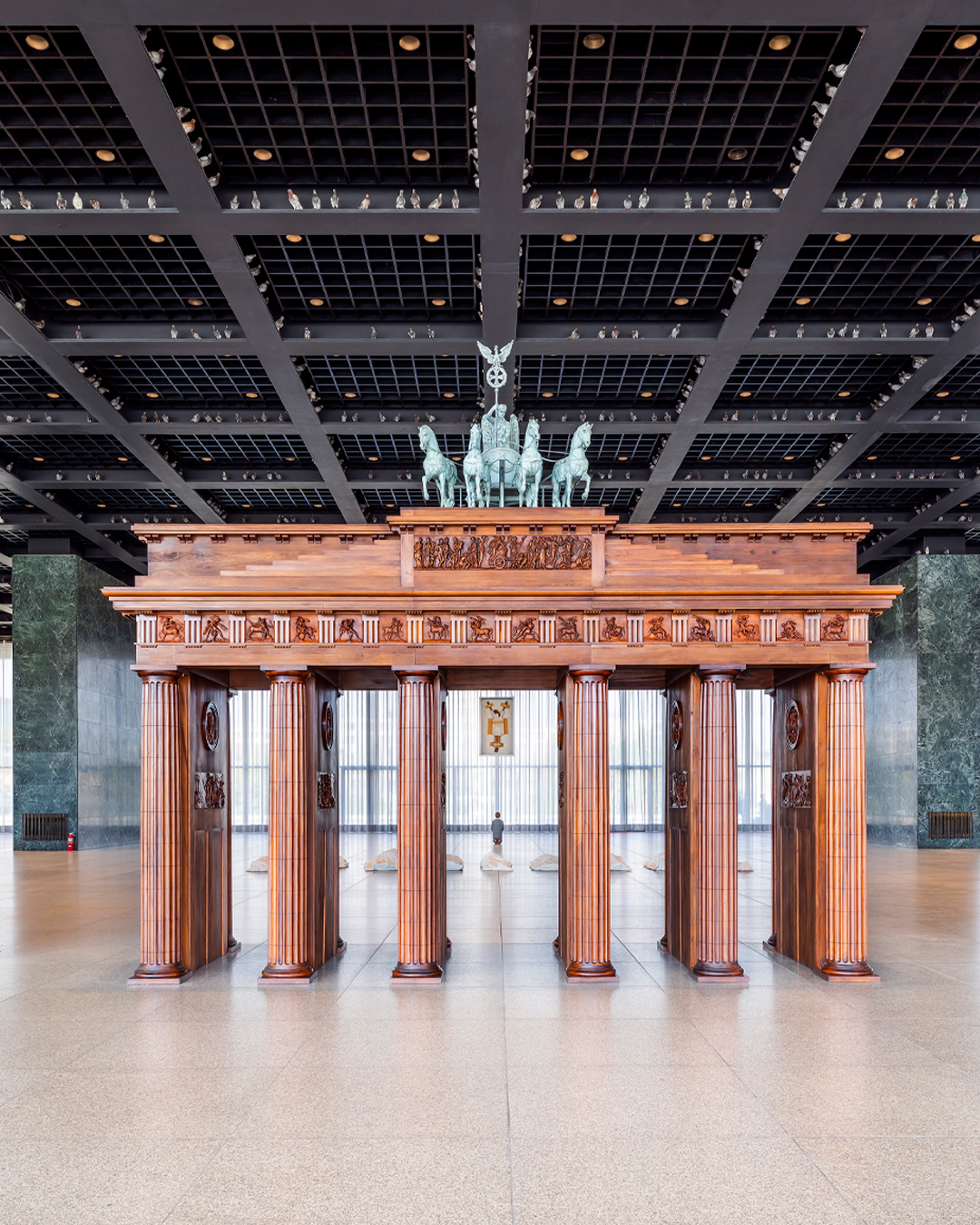
La muestra abre con Purgatory, una Puerta de Brandeburgo en miniatura, construida en madera y colocada en medio del museo. El gesto parece casi de souvenir, aunque funciona porque Berlín lleva décadas usando ese monumento como pantalla para proyectar culpa, división, reunificación y turismo. Cattelan lo encoge hasta que puede rodearse, atravesarse y mirarse con desconfianza.
Ahí está su mejor truco, conservando el símbolo intacto y sacándolo de contexto hasta volverlo frágil, ligeramente ridículo, atravesado por demasiadas historias. La Puerta deja de sostener una narrativa oficial y empieza a parecer una maqueta demasiado cargada de memoria, un objeto doméstico que alguien dejó atravesado en el salón. El purgatorio del título se siente político. Nadie sabe si ha entrado o si sigue esperando permiso para salir.
The exhibition opens with Purgatory, a miniature Brandenburg Gate made of wood and placed in the middle of the museum. The gesture seems almost like a souvenir, yet it works because Berlin has spent decades using the monument as a screen onto which guilt, division, reunification, and tourism are projected. Cattelan shrinks it until it can be walked around, passed through, and regarded with suspicion.
That is his best trick: keeping the symbol intact while taking it out of context until it becomes fragile, slightly ridiculous, burdened by too many stories. The Gate stops carrying an official narrative and begins to look like a model overloaded with memory, a domestic object someone left blocking the middle of the living room. The purgatory of the title feels political. No one knows whether they have entered or are still waiting for permission to leave.
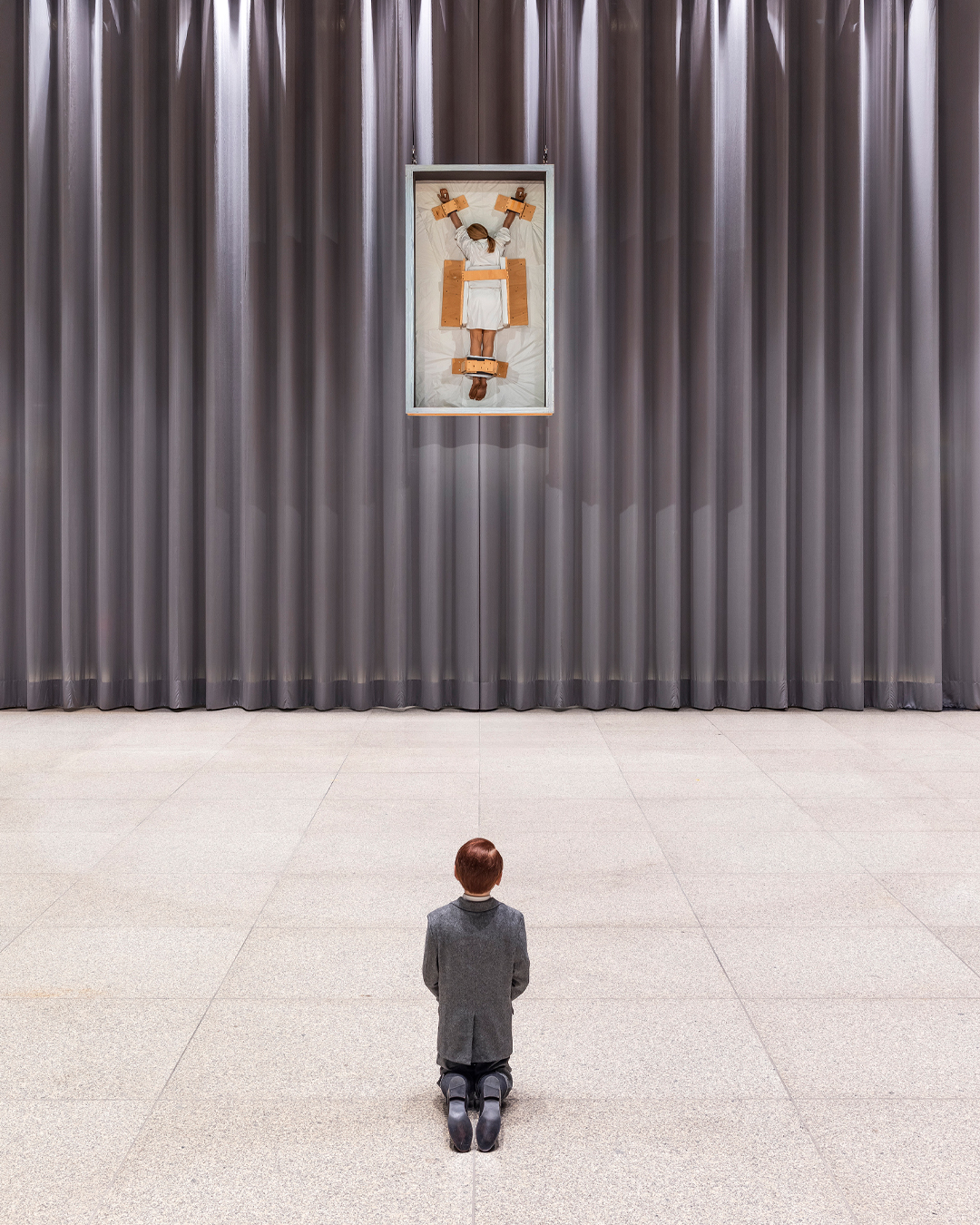
En el centro, Him concentra la incomodidad de la exposición. Desde atrás parece un niño arrodillado en oración. Al rodear la escultura aparece el rostro de Hitler. Cattelan lo presenta pequeño, vulnerable, casi manso, lejos de la iconografía habitual del poder. Esa decisión incómoda de una manera eficaz, obligando a un movimiento moral rápido y desagradable. Cattelan sabe que el mal también adopta gestos de humildad y que la memoria histórica se vuelve peligrosa cuando se reduce a una imagen fácil de consumir. En Berlín, el arrodillamiento evoca el Kniefall de Willy Brandt en Varsovia, aunque aquí la reverencia está contaminada. Puede ser arrepentimiento, teatro o una trampa.
Frente a esa figura, Dawn añade otra forma de devoción incómoda. Una mujer yace suspendida dentro de una caja de transporte, entre ataúd, vitrina y crucifixión. El cuerpo aparece expuesto, protegido y atrapado al mismo tiempo. Cattelan deja la escena flotando entre el sueño, el sacrificio y la mercancía, como si la vulnerabilidad también pudiera convertirse en espectáculo.
At the center, Him concentrates the exhibition’s unease. From behind, it looks like a child kneeling in prayer. As you walk around the sculpture, Hitler’s face appears. Cattelan presents him as small, vulnerable, almost meek, far removed from the usual iconography of power. The decision is disturbing in an effective way, forcing a quick and unpleasant moral shift. Cattelan knows that evil can also take on gestures of humility, and that historical memory becomes dangerous when it is reduced to an image that is easy to consume. In Berlin, the kneeling figure evokes Willy Brandt’s Kniefall in Warsaw, although here the gesture of reverence is contaminated. It could be repentance, theater, or a trap.
Facing that figure, Dawn introduces another form of uncomfortable devotion. A woman lies suspended inside a shipping crate, somewhere between coffin, display case, and crucifixion. The body appears exposed, protected, and trapped at the same time. Cattelan leaves the scene suspended between sleep, sacrifice, and merchandise, as if vulnerability itself could also become spectacle.
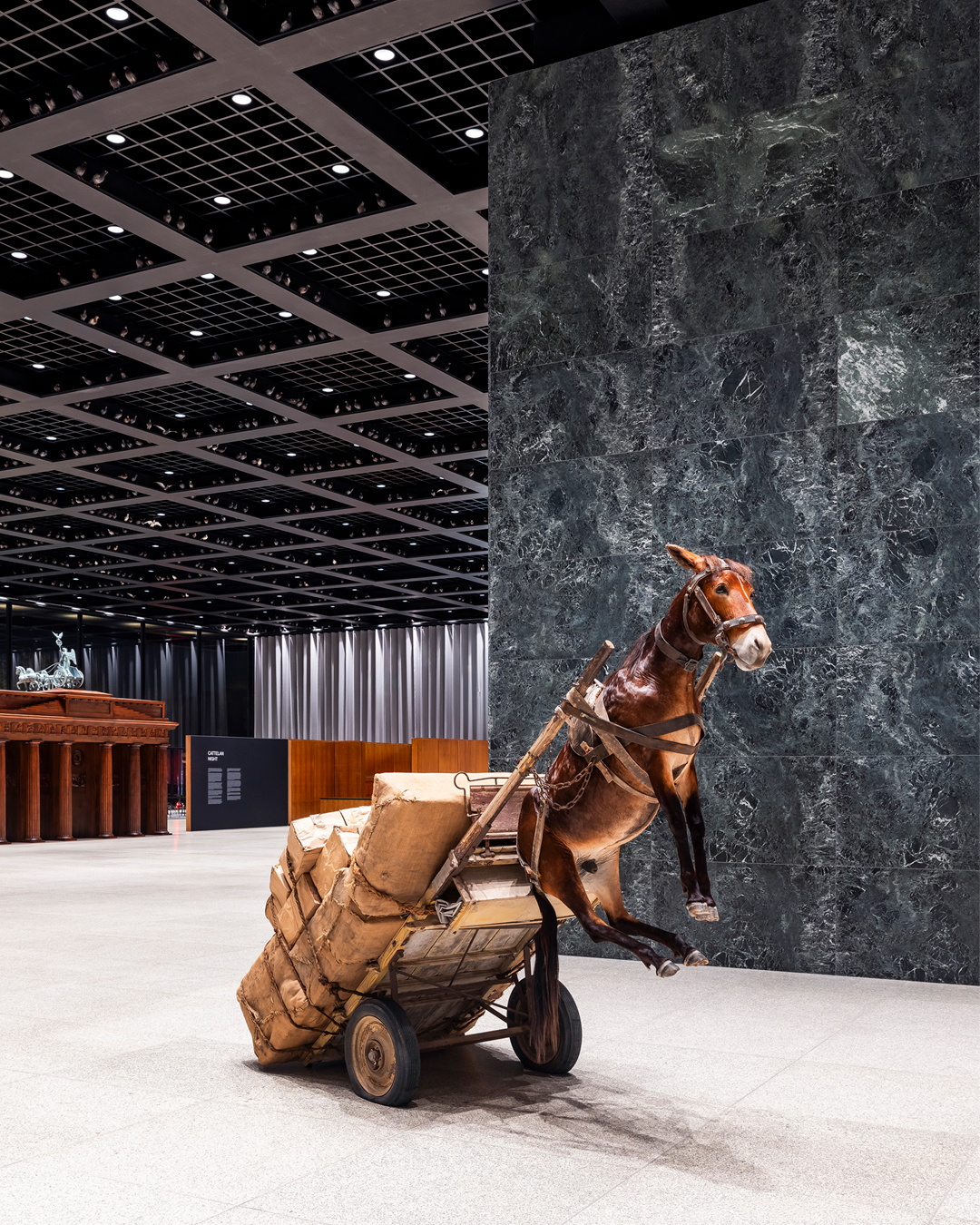
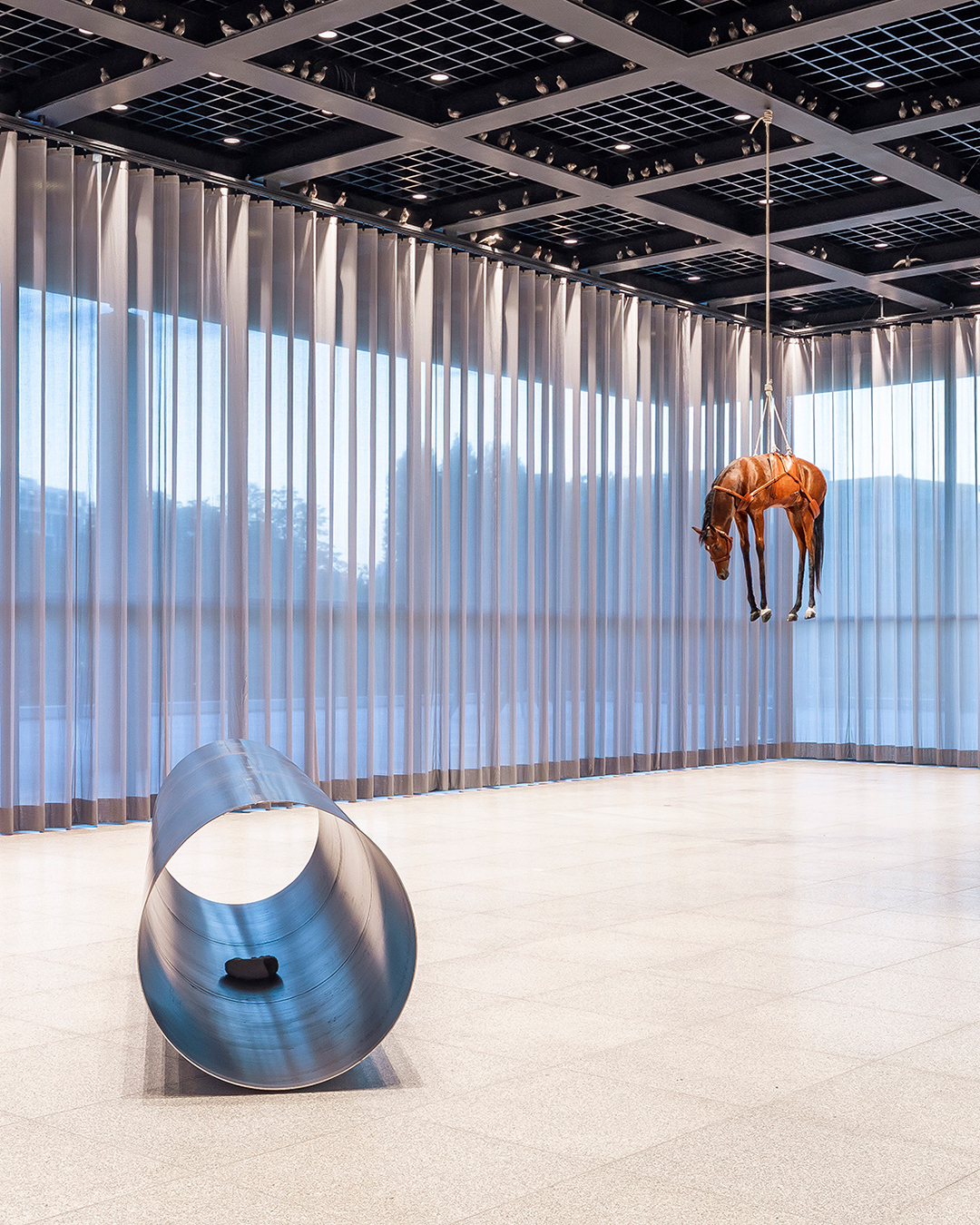
La otra fuerza de la muestra es su fauna de cuerpos vencidos. En Novecento, un caballo disecado cuelga del techo como un siglo que ya no puede moverse. En Pentecost, un burro sigue atado a un carro sobrecargado. En All, nueve figuras de mármol cubiertas por sábanas forman un monumento horizontal a una muerte sin nombre.
Cattelan toma animales y cuerpos asociados con fuerza, trabajo o trascendencia y los deja inmóviles. El caballo ya no galopa, el burro sigue cargando, los mármoles no se levantan. La ironía no alivia nada pero vuelve más evidente la pregunta de quién sostuvo el peso mientras otros levantaban monumentos.
Another force in the exhibition is its fauna of defeated bodies. In Novecento, a taxidermied horse hangs from the ceiling like a century that can no longer move. In Pentecost, a donkey remains tied to an overloaded cart. In All, nine marble figures covered with sheets form a horizontal monument to an unnamed death.
Cattelan takes animals and bodies associated with strength, labor, or transcendence and leaves them motionless. The horse no longer gallops, the donkey keeps carrying, the marble figures do not rise. The irony offers no relief, but makes the question more evident: who carried the weight while others were raising monuments?
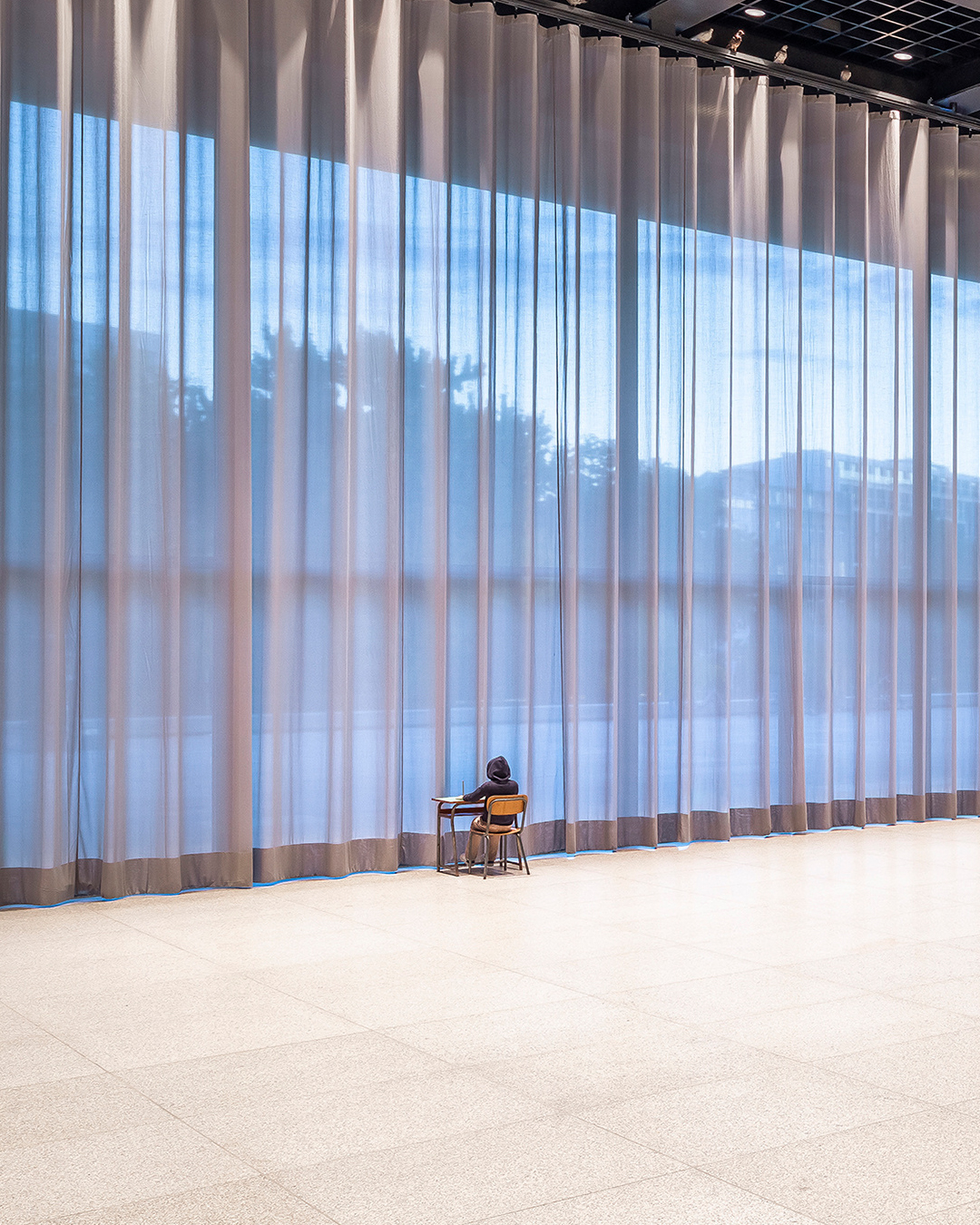
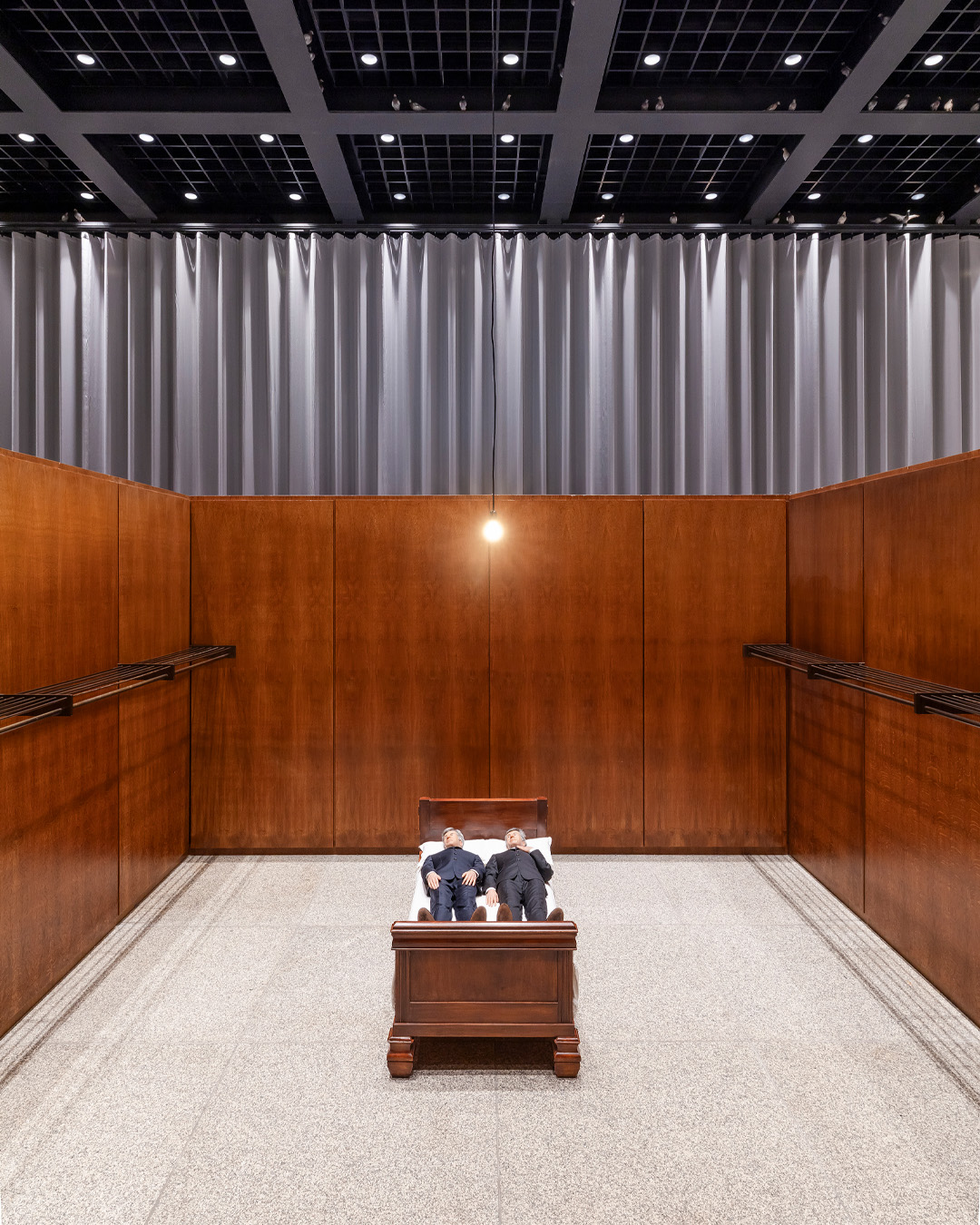
El artista también aparece, multiplicado y maltratado. En La Rivoluzione Siamo Noi, una versión diminuta de Cattelan con traje de fieltro de Joseph Beuys cuelga de un perchero en uno de los guardarropas del museo. En We, dos figuras idénticas del artista comparten una cama. En Charlie Don’t Surf, un escolar tiene las manos atravesadas por lápices sobre el pupitre. Cattelan se convierte en víctima, doble, niño castigado o revolución suspendida. El humor siempre está ahí, aunque funciona como anzuelo.
NIGHT funciona como una visita guiada por el lado oscuro de los símbolos. Cattelan toma monumentos, animales, cuerpos y gestos de devoción para mostrar cómo la historia se conserva en objetos que parecen inocuos hasta que alguien los mueve. La exposición se ríe del peso oficial de la memoria y, al mismo tiempo, deja claro que ese peso sigue cayendo sobre alguien.
The artist also appears, multiplied and mistreated. In La Rivoluzione Siamo Noi, a tiny version of Cattelan wearing a felt suit by Joseph Beuys hangs from a coat rack in one of the museum’s cloakrooms. In We, two identical figures of the artist share a bed. In Charlie Don’t Surf, a schoolboy has pencils driven through his hands onto the desk. Cattelan becomes victim, double, punished child, or suspended revolution. The humor is always there, although it works as bait.
NIGHT functions as a guided tour through the dark side of symbols. Cattelan takes monuments, animals, bodies, and gestures of devotion to show how history is preserved in objects that seem innocuous until someone moves them. The exhibition laughs at the official weight of memory while making it clear that this weight is still falling on someone.
La fuerza de la muestra está en su capacidad de volver incómodo lo familiar. El visitante entra buscando una imagen contundente y termina atrapado en preguntas sobre culpa, obediencia, compasión y espectáculo. Cattelan no ofrece consuelo ni una salida limpia. Deja los símbolos expuestos, desplazados y ligeramente rotos, como si la única forma honesta de mirar el pasado fuera aceptar que nunca se queda quieto.
Al final, la Neue Nationalgalerie queda convertida en una iglesia sin fe, un museo sin neutralidad y una ciudad condensada bajo vidrio. Cattelan obliga a sus íconos a convivir con su propia ridiculez, su violencia y su cansancio. Esa es la mejor parte de NIGHT, que la historia sigue ahí, pero ya nadie puede mirarla con la misma solemnidad.
The strength of the exhibition lies in its ability to make the familiar uncomfortable. The visitor enters looking for a striking image and ends up caught in questions about guilt, obedience, compassion, and spectacle. Cattelan offers neither comfort nor a clean way out. He leaves the symbols exposed, displaced, and slightly broken, as if the only honest way to look at the past were to accept that it never stays still.
In the end, the Neue Nationalgalerie becomes a church without faith, a museum without neutrality, and a city condensed beneath glass. Cattelan forces his icons to coexist with their own ridiculousness, violence, and exhaustion. That is the best part of NIGHT: history is still there, but no one can look at it with the same solemnity anymore.
Maurizio Cattelan. NIGHT podrá verse en la Neue Nationalgalerie, Berlín. Del 10 de septiembre de 2026 al 7 de marzo de 2027.
Maurizio Cattelan. NIGHT will be on view at the Neue Nationalgalerie, Berlin, from September 10, 2026, to March 7, 2027.