
22.09.2025. São Paulo
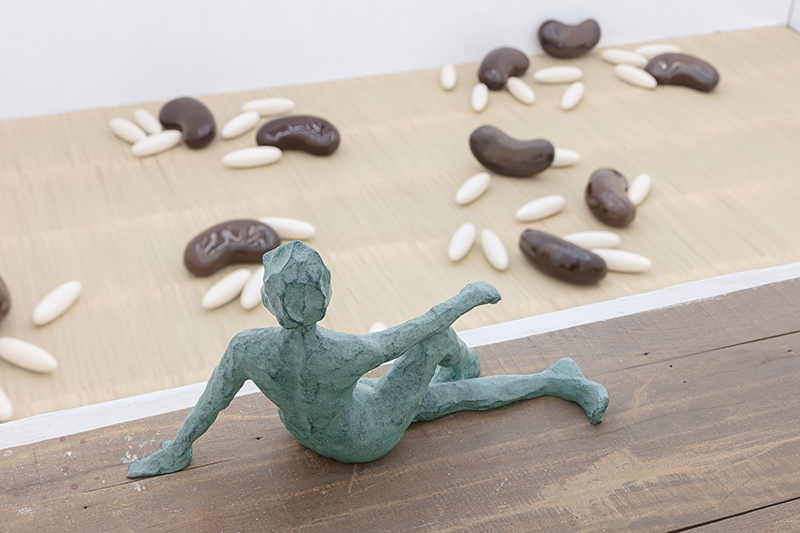
The Curupira, guardian of the forests, is one of the protective forces of the Amazon. With backward feet to confuse hunters and explorers, she watches over the animals and the jungle. This mythological being respects those who hunt out of hunger but misleads those who do it for pleasure. Colombian artist Iván Argote finds inspiration in this mystical being for his most recent exhibition Arroz com feijão at Galeria Vermelho in São Paulo, in which he pays tribute to South American popular culture. Through critical and rigorous research, he seeks to reframe and challenge colonial ideas. His work is based on the notion of Radical Tenderness, a concept he has developed throughout his career, where new narratives of history are constructed, proposing ways of living through a shared vision. In this vision, popular wisdom is fundamental, as are listening and attention to cultural symbols.
La curupira, guardiana de los bosques, es una de las fuerzas protectoras del Amazonas. Con los pies al revés para confundir a cazadores y exploradores, cuida de los animales y de la selva. Este ser mitológico respeta a quienes cazan por hambre, pero extravía a quienes lo hacen por placer. El artista colombiano Iván Argote encuentra inspiración en este ser místico para su más reciente exposición Arroz com feijão en la Galería Vermelho, en São Paulo, en la cual rinde tributo a la cultura popular sudamericana. A través de una investigación crítica y rigurosa, busca resignificar ideas coloniales y cuestionarlas. Su trabajo está basado en la idea de Radical Tenderness, concepto que ha desarrollado a lo largo de su carrera, en donde se construyen nuevas narrativas de la historia, planteando formas de vivir a través de una visión compartida. En esta visión, la sabiduría popular es fundamental, al igual que la escucha y la atención a los símbolos culturales.
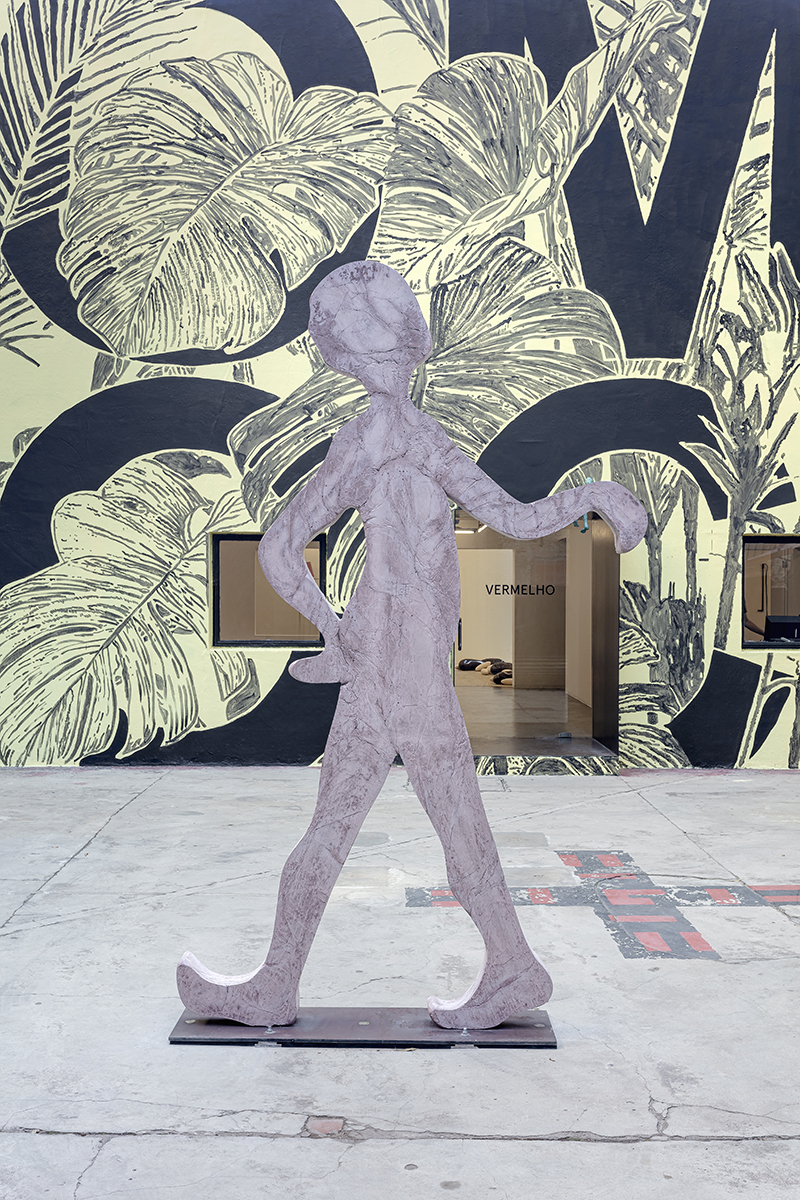
The reinterpretation of the Curupira welcomes visitors to the exhibition: standing 10 feet tall in front of the gallery, Argote gives new meaning to this being. As Gabriel Zimbardi from Galeria Vermelho explains:
“The idea that inhabitants of the Southern Hemisphere lived ‘upside down’ in relation to the North was mobilized to sustain a hierarchical and racialized worldview, in which geographic difference was converted into a sign of inferior otherness.”
La reinterpretación de la curupira da la bienvenida a la exposición: con 10 pies de alto frente a la galería, Argote le otorga un nuevo significado a este ser. Como explica Gabriel Zimbardi de Galería Vermelho:
“La idea de que los habitantes del hemisferio sur vivían ‘al revés’ en relación con el norte fue movilizada para sostener una visión jerárquica y racializada del mundo, en la cual la diferencia geográfica se convirtió en signo de una alteridad inferior”.

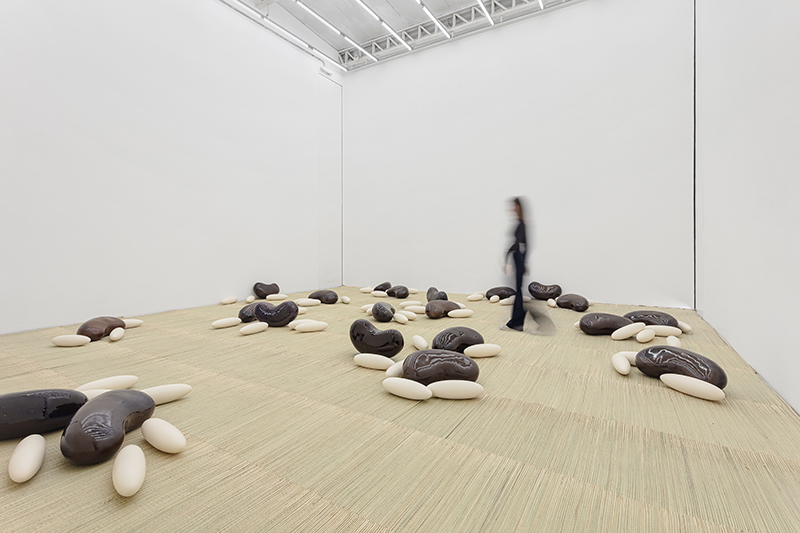
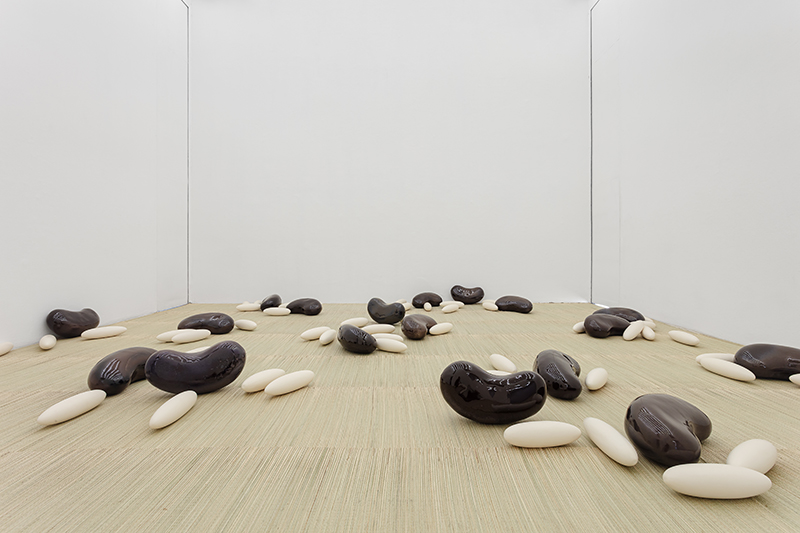
Inside Galeria Vermelho, we find the series that gives the exhibition its title: Arroz com feijão, centered on the pair of grains that form the basis of both Brazilian and Latin American diets. Rice and beans: foods that speak not only of Latin America’s food history but also of social, political, and cultural control. They allow us to understand that their importance in the diet has deep historical and cultural roots.
Adentrándonos en la Galería Vermelho, aparece la serie que da título a la exposición: Arroz com feijão, centrada en el par de granos que conforman la base de la dieta tanto brasileña como latinoamericana. Arroz y fríjoles: alimentos que nos hablan no solo de la historia alimentaria de Latinoamérica, sino también de un control social, político y cultural. Nos permiten entender que su importancia en la dieta tiene raíces históricas y culturales profundas.

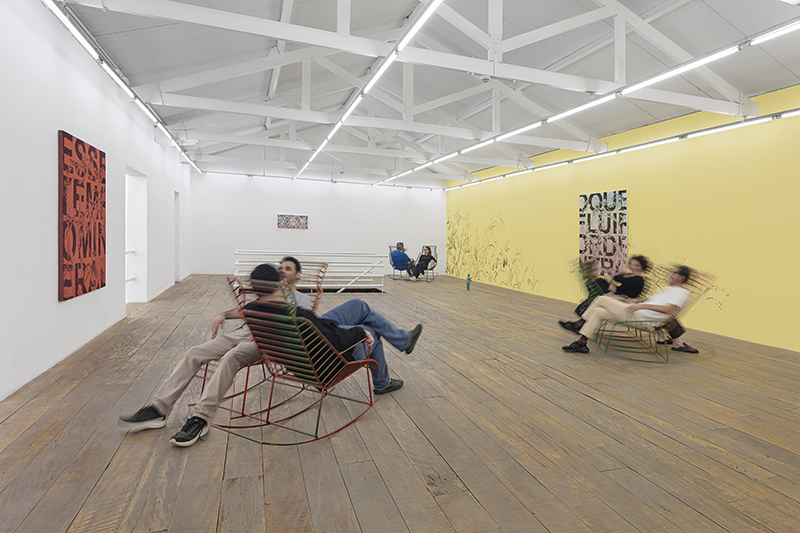
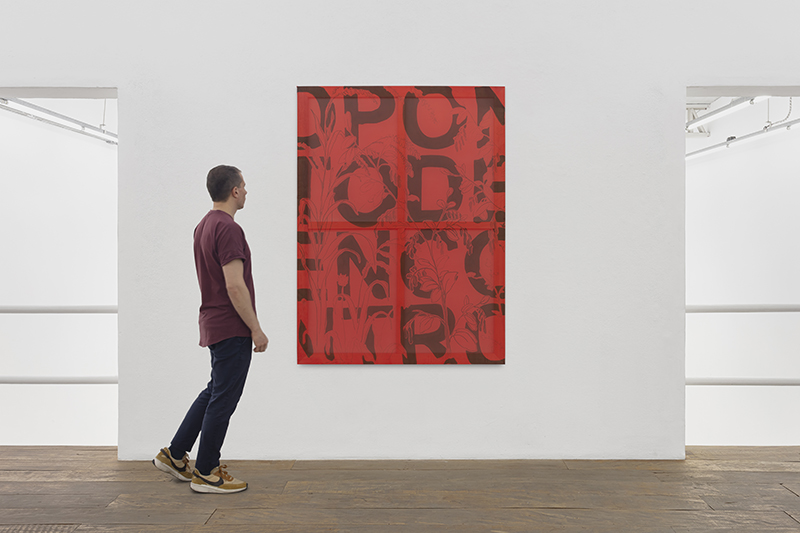
The exhibition includes more installations, such as the series of silk paintings Breathings and a room dedicated to contemplation, pause, and calm, where Argote placed a set of colorful rocking chairs titled Pájaros. In both proposals, the artist reflects on the dilation of time, waiting, and collectivity.
La exposición incluye más instalaciones, como la serie de pinturas sobre seda Breathings y una sala dedicada a la contemplación, la pausa y la calma, donde Argote dispuso un conjunto de coloridas mecedoras llamadas Pájaros. En ambas propuestas, el artista reflexiona sobre la dilatación del tiempo, la espera y la colectividad.
This exhibition opens a necessary dialogue with the history of Latin America, inviting us to recognize how those narratives still define what we are as a collective today.
Esta exposición abre un diálogo necesario con la historia de Latinoamérica, invitándonos a reconocer cómo esas narrativas aún definen lo que somos como colectivo.