
19.11.2025. NYC
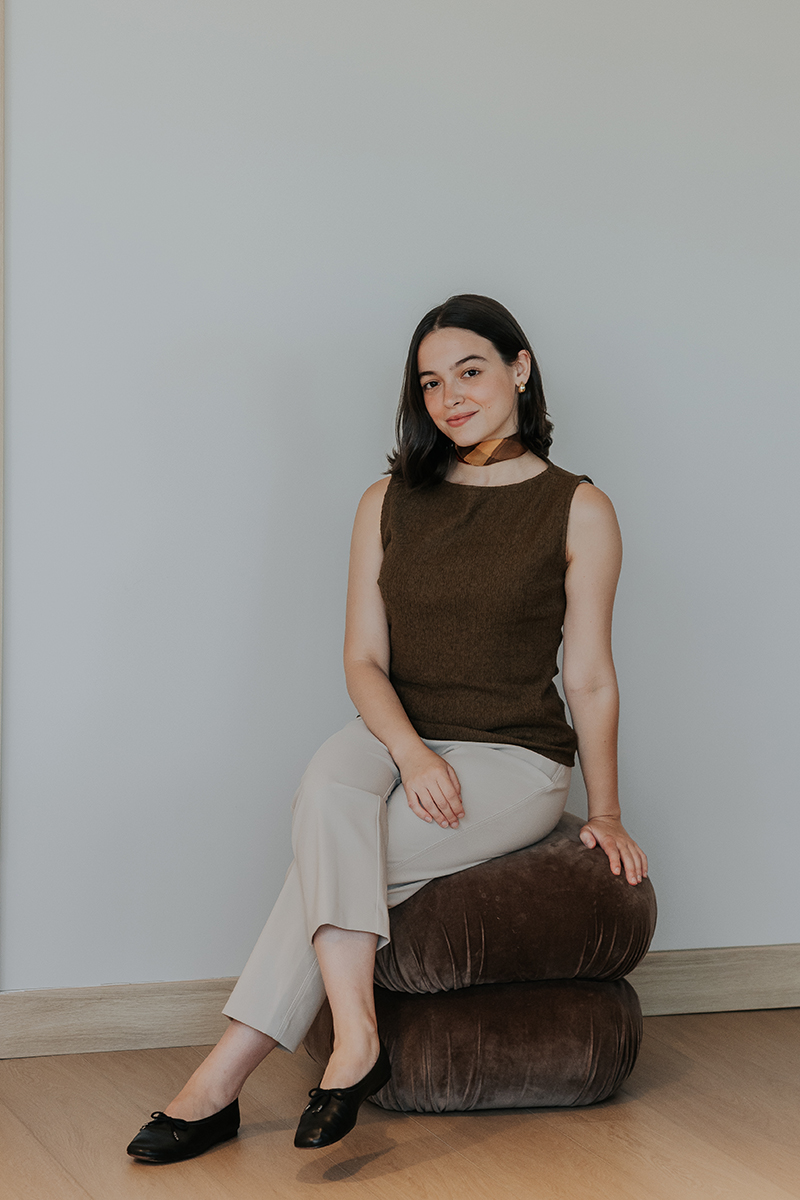
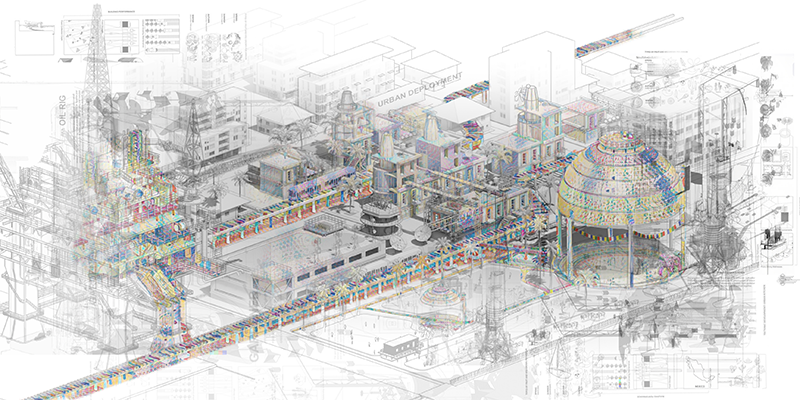
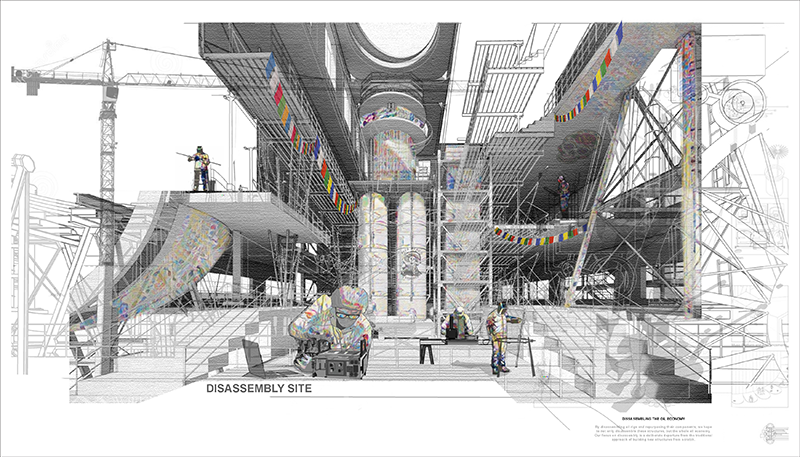
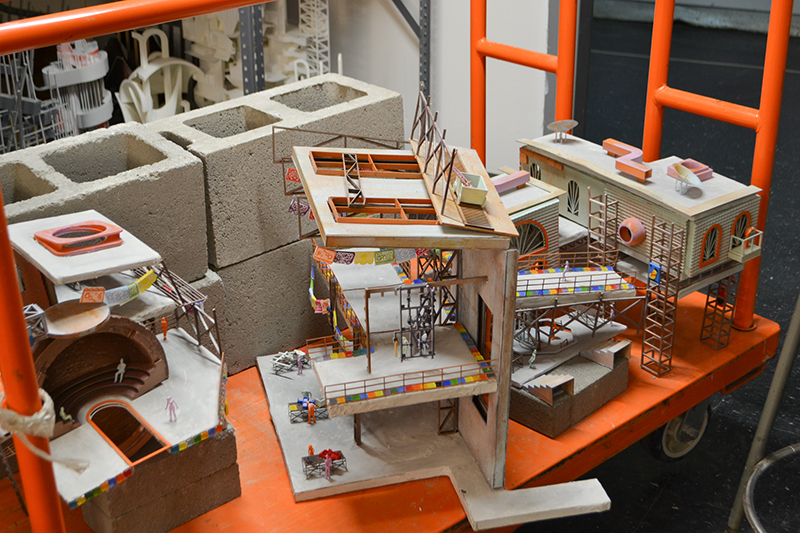
Valeria Bardi, the young designer transforming architecture with a unique vision, is based in New York City, where she works as an architectural designer at the renowned firm S9 Architecture. A graduate of Pratt Institute, Valeria received the notable “Best Degree Project Award” for her design thesis titled “Architecture After Extraction: Nada Muere en México”, a project focused on the discipline of adaptive reuse at an urban scale. Her proposal explored the repurposing of decommissioned oil platforms, repairing and transforming their structural components to support the development of housing, commercial, and vocational spaces. The project’s urban master plan proposes the decommissioning of these platforms, identifying components that could be reused to promote a sustainable and regenerative model of development.
Valeria Bardi, la joven diseñadora que está transformando la arquitectura con una visión única, reside en la ciudad de Nueva York, donde se desempeña como diseñadora arquitectónica en la reconocida firma S9 Architecture. Graduada del Pratt Institute, Valeria obtuvo el notable reconocimiento de “Best Degree Project Award” por su tesis de diseño titulada “Architecture After Extraction: Nada Muere en México”, un proyecto enfocado en la disciplina del adaptive reuse (reutilización adaptativa) a escala urbana. Su propuesta exploraba la reconversión de piezas de plataformas petroleras en desuso, reparandolas y transformandolas para apoyar un desarrollo de viviendas, espacios comerciales y vocacionales. La estrategia del masterplan urbano cuenta con la desmantelación de estas plataformas, para luego identificar aquellas piezas que se podrían reutilizar y de esta manera promover así un modelo de desarrollo sostenible y regenerativo.
Moreover, Valeria was recognized as one of New York City’s Top 30 Designers Under 30, by Interior Design Magazine, establishing her as an emerging talent to watch. She was also selected as a 2025 Emerging Leader by the Beverly Willis Architecture Foundation. For Valeria, this recognition represents an opportunity to inspire future generations of designers to engage with the profession through a vibrant and distinctive lens. She firmly believes in the transformative power of design and in the responsibility designers hold to enhance spaces, urban environments, and the overall functionality of architecture to create memorable experiences.
Además, Valeria fue reconocida como una de los Top 30 Diseñadores Menores de 30 Años de la ciudad de Nueva York, consolidándose como un talento emergente a seguir de cerca. También fue seleccionada como Líder Emergente 2025 por la Beverly Willis Architecture Foundation. Para Valeria, este reconocimiento representa una oportunidad para inspirar a futuras generaciones de diseñadores a involucrarse en la profesión desde una perspectiva vibrante y única. Ella cree firmemente en el poder transformador del diseño y en la responsabilidad que tienen los diseñadores de mejorar los espacios, los entornos urbanos y la funcionalidad general de la arquitectura, para así crear experiencias inolvidables.
For Valeria, adaptive reuse represents an emerging and highly valuable field within architecture, as it focuses on the rehabilitation and repurposing of spaces, structures, and materials—breathing new life into abandoned places that once played an essential role during the industrial era. Her interest in reuse and repair in architecture began during her thesis, inspired by the obsolescence of objects, their histories, and the way designs evolve over time without losing their essence. To Valeria, adaptive reuse tells stories through time, reflected in materiality, construction methods, and often in the spatial configurations that preserve the traces of their original era.
Para Valeria, el adaptive reuse representa un campo emergente de gran valor dentro de la arquitectura, ya que se centra en la rehabilitación y reutilización de espacios, estructuras y materiales, otorgando nueva vida a lugares abandonados que alguna vez tuvieron un rol esencial durante la era industrial. Su interés por la reutilización y la reparación en la arquitectura nació durante su tesis, inspirada por la obsolescencia de los objetos, su historia y la manera en que los diseños evolucionan con el tiempo sin perder su esencia. Para Valeria, el adaptive reuse narra historias a través del tiempo, reflejadas en la materialidad, los métodos constructivos y, en muchos casos, en la configuración espacial que conserva la huella de su época.
Valeria believes this practice not only recovers obsolete structures, but also preserves and celebrates the culture and history of the communities that host them, honoring their legacy through new use. These spaces often originate from the industrial era, characterized by their impressive structures, layouts, and generous heights. In Latin America, this discipline has found strong expression in the modernism of Brazil and Mexico, where former factories are being transformed into new spatial narratives that emerge from new uses and experiences—while maintaining respect for the original structure.
Valeria considera que esta práctica no solo recupera estructuras obsoletas, sino que también preserva y celebra la cultura e historia de las comunidades que las albergan, honrando su legado a través de un nuevo uso. Usualmente estos espacios provienen de la era industrial; su estructura, distribución y métodos constructivos son impresionantes, escenarios impecables con alturas generosas. En Latinoamérica, esta disciplina se manifiesta con fuerza en el modernismo de Brasil y México, donde antiguas fábricas se transforman para dar lugar a nuevas narrativas espaciales que emergen de un nuevo uso y experiencia, sin perder el respeto por la estructura original.
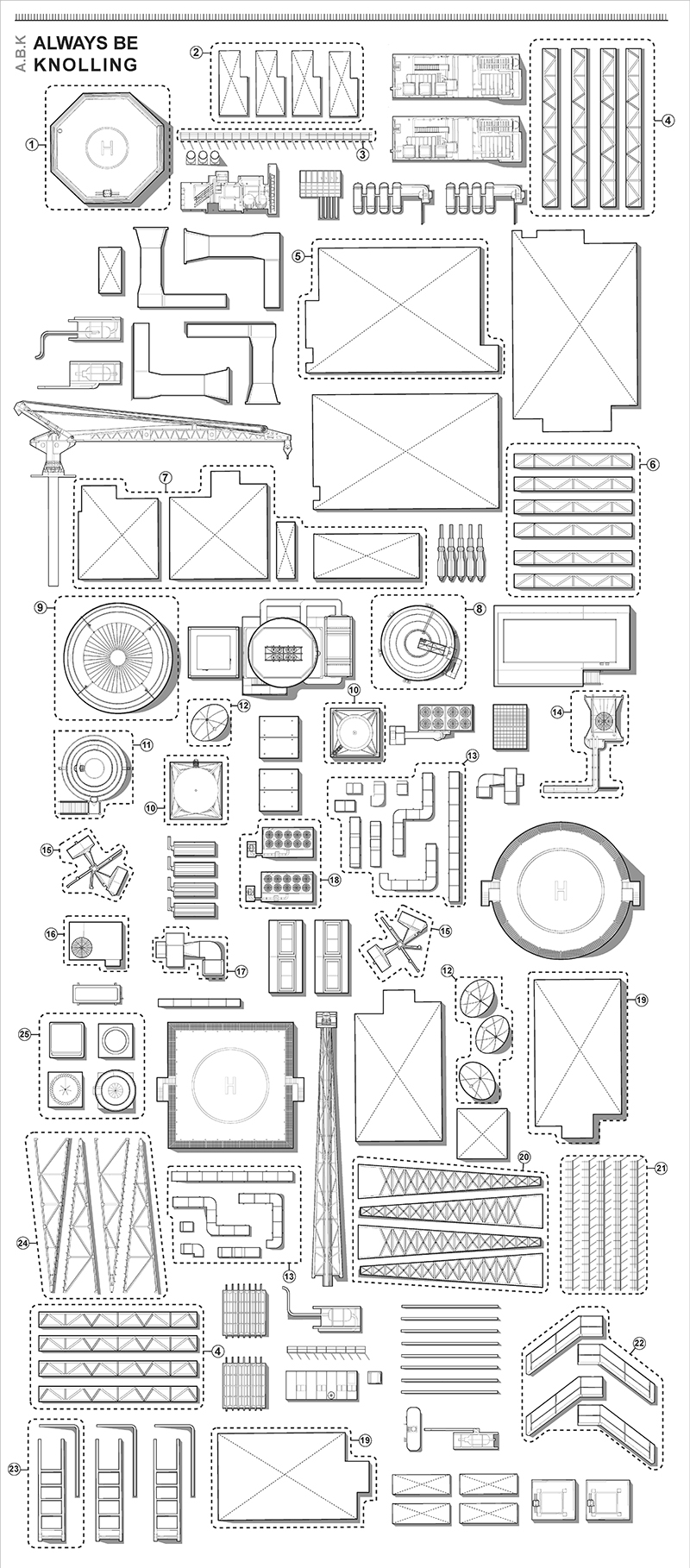
Today, adaptive reuse is also evident in residential projects, where office buildings are being converted into housing—a trend that began to accelerate around 2020. This type of intervention offers great benefits, but also presents challenges, since designing within an existing structure is often far more demanding than starting a project from scratch. Throughout this fascinating process, the original structure is carefully analyzed to understand its logic, strategy, and construction system. The designer’s role is then to adapt and reinterpret those elements to meet the needs of a new program—achieving a delicate balance between memory, functionality, and contemporaneity.
Hoy en día, el adaptive reuse también se refleja en proyectos residenciales, donde edificios de oficinas son convertidos en viviendas, una tendencia que comenzó a intensificarse a partir del año 2020. Este tipo de intervención ofrece grandes beneficios, aunque también presenta desafíos, ya que diseñar sobre una estructura existente resulta mucho más exigente que iniciar un proyecto desde cero. Durante este fascinante proceso, se analiza la estructura original, comprendiendo su lógica, estrategia y sistema constructivo. Luego, el rol del diseñador consiste en adaptar e interpretar esos elementos para responder a las necesidades del nuevo programa, logrando así un equilibrio entre memoria, funcionalidad y contemporaneidad.
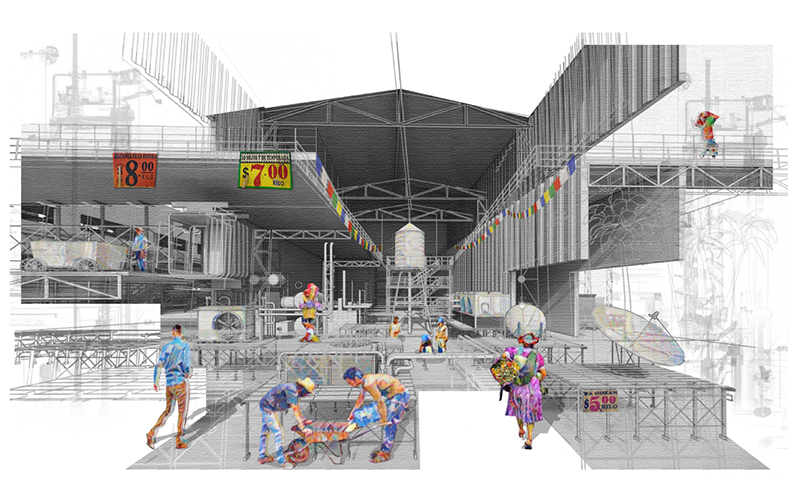
Looking ahead, Valeria Bardi aspires to continue designing spaces with meaning, impact, and cultural value—places capable of creating lasting memories in people’s lives. Within the landscape of contemporary architecture, Bardi stands out as an emerging figure with vision, ambition, and success, both in Latin America and New York City. At just 23 years old, she has built a promising career in architectural design, distinguished by her discipline, commitment, and talent in high-impact projects—qualities that position her as one of the most promising young voices in contemporary architecture.
A futuro, Valeria Bardi aspira a seguir diseñando espacios con valor, impacto y significado cultural, capaces de generar recuerdos memorables en la vida de las personas. En el panorama de la arquitectura contemporánea, Bardi se posiciona como una figura emergente, dotada de visión, proyección y éxito, tanto en América Latina como en la ciudad de Nueva York. A sus 23 años, ha construido una carrera prometedora en el ámbito del diseño arquitectónico. A lo largo de su trayectoria, se ha destacado por su disciplina, compromiso y talento en proyectos de gran relevancia, cualidades que la consolidan como una de las voces jóvenes más prometedoras de la arquitectura contemporánea.
*Thesis Project was developed in collaboration with Antonio Velasco Gonzalez.