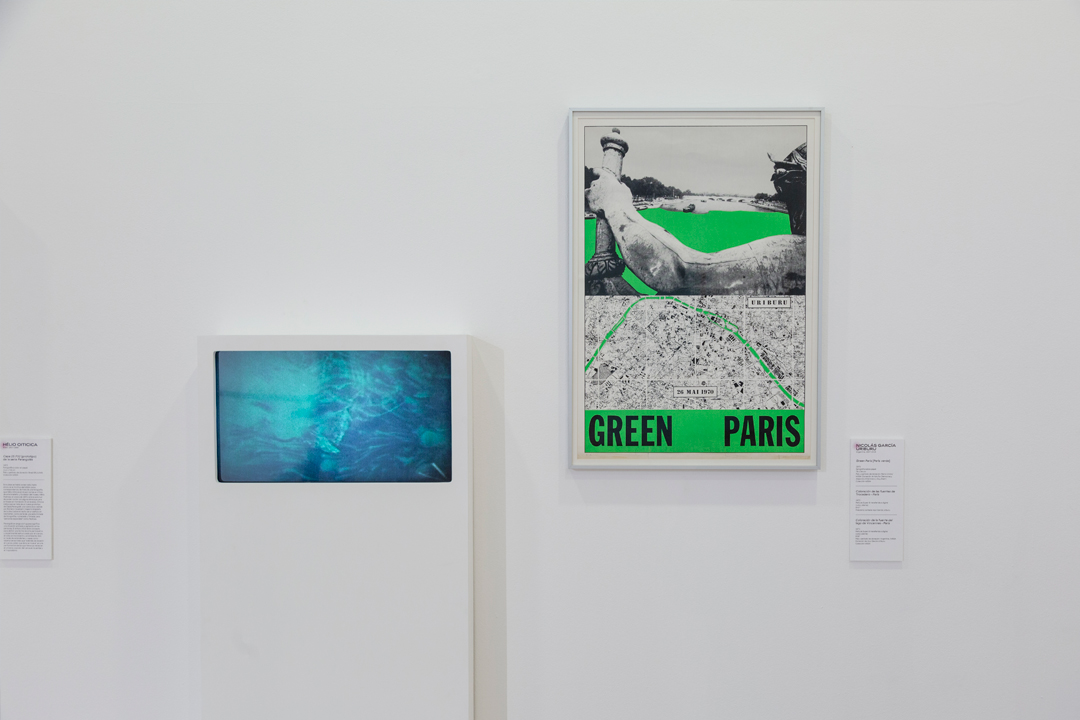
01.09.2026. Santiago de Chile
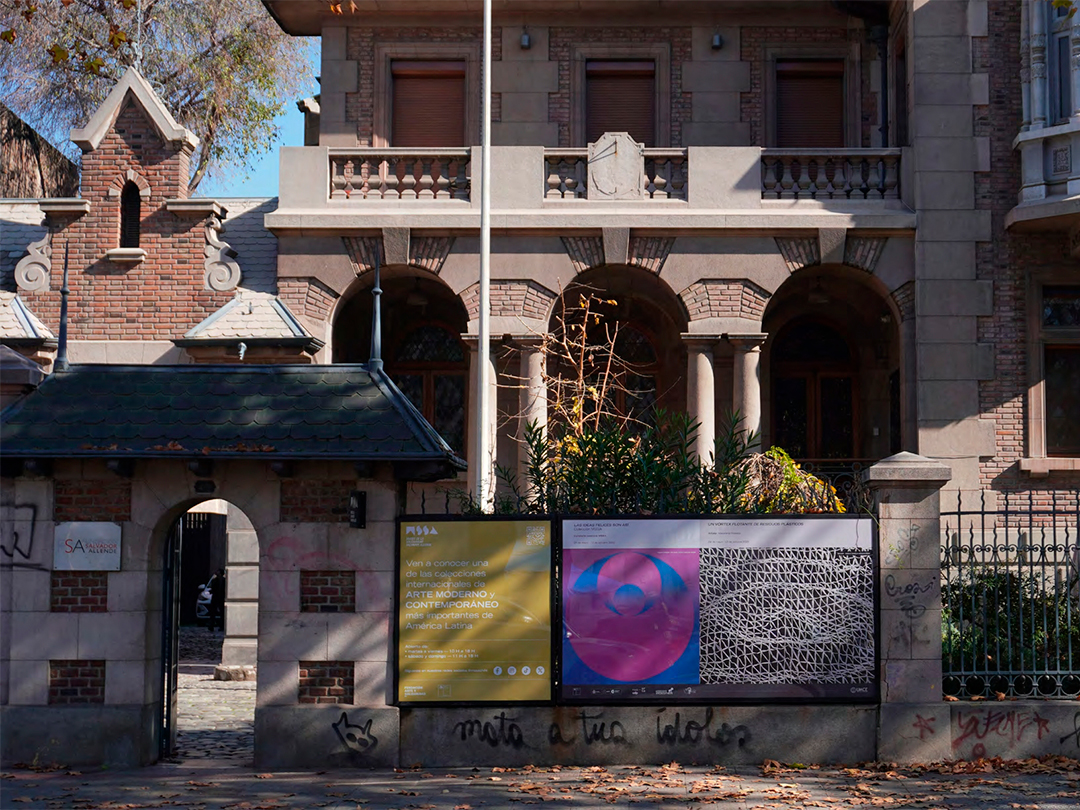
El Museo de la Solidaridad Salvador Allende no se entiende del todo desde la idea de colección porque sus obras llegaron por donación, pero esa palabra resulta insuficiente, ya que cada envío implicaba una adhesión política, una red de contactos y una forma de tomar distancia frente a la violencia que atravesó Chile desde 1973.
El proyecto nació en 1971, durante la Unidad Popular, con la premisa poco común de construir un museo público a partir de obras donadas por artistas de distintos países. En lugar de depender de compras, herencias o depósitos privados, el acervo se formó mediante una red internacional que vinculaba práctica artística y compromiso político. En ese contexto, donar era una manera de intervenir en la conversación cultural que acompañaba al proceso chileno.
The Museo de la Solidaridad Salvador Allende cannot be fully understood through the idea of a collection, since its works arrived as donations. Yet even that word feels insufficient, as each shipment implied a political commitment, a network of contacts, and a way of taking a position against the violence that had engulfed Chile since 1973.
The project was founded in 1971, during the Popular Unity government, with the unusual premise of creating a public museum from works donated by artists from different countries. Rather than relying on purchases, inheritances, or private deposits, the collection was built through an international network that connected artistic practice with political commitment. In this context, donating became a way of intervening in the cultural conversation surrounding the Chilean process.
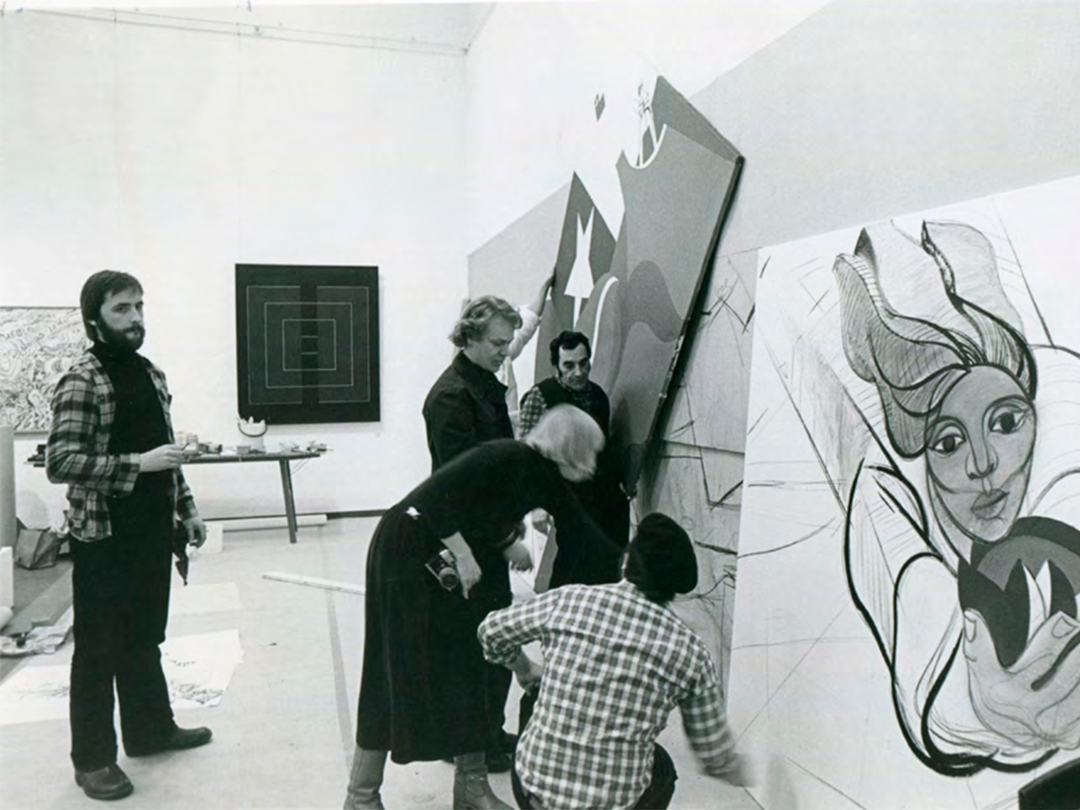
La historia del museo está marcada por la interrupción. El golpe de Estado desarticuló el proyecto, dispersó parte de sus condiciones de existencia y obligó a pensar su continuidad desde otros territorios. Durante la dictadura, el museo siguió creciendo desde el exilio como Museo Internacional de la Resistencia Salvador Allende. Las obras continuaron llegando, aunque ya no a una sede estable ni a un país disponible para recibirlas con normalidad, su circulación quedó atravesada por la distancia, la censura y la necesidad de sostener una memoria fuera de Chile.
Las consecuencias de ese desplazamiento se perciben en las obras, sus recorridos y los vacíos del archivo. Una pintura, una gráfica o una escultura dentro del MSSA lleva la firma de quien la produjo, pero también la marca de un traslado, una decisión y una relación con un momento político concreto. El acervo reúne formas y lenguajes distintos bajo una historia compartida de interrupción y desplazamiento.
The history of the museum is marked by interruption. The coup d’état dismantled the project, disrupted some of the conditions that had allowed it to exist, and forced its continuity to be reconsidered from other territories. During the dictatorship, the museum continued to grow in exile as the Museo Internacional de la Resistencia Salvador Allende. Works continued to arrive, although no longer at a stable institution or in a country able to receive them under ordinary circumstances. Their circulation became shaped by distance, censorship, and the need to sustain a memory outside Chile.
The consequences of this displacement can be perceived in the works themselves, in their trajectories, and in the gaps within the archive. A painting, print, or sculpture within the MSSA bears the signature of its maker, but also the trace of a journey, a decision, and a relationship to a specific political moment. The collection brings together different forms and languages through a shared history of interruption and displacement.
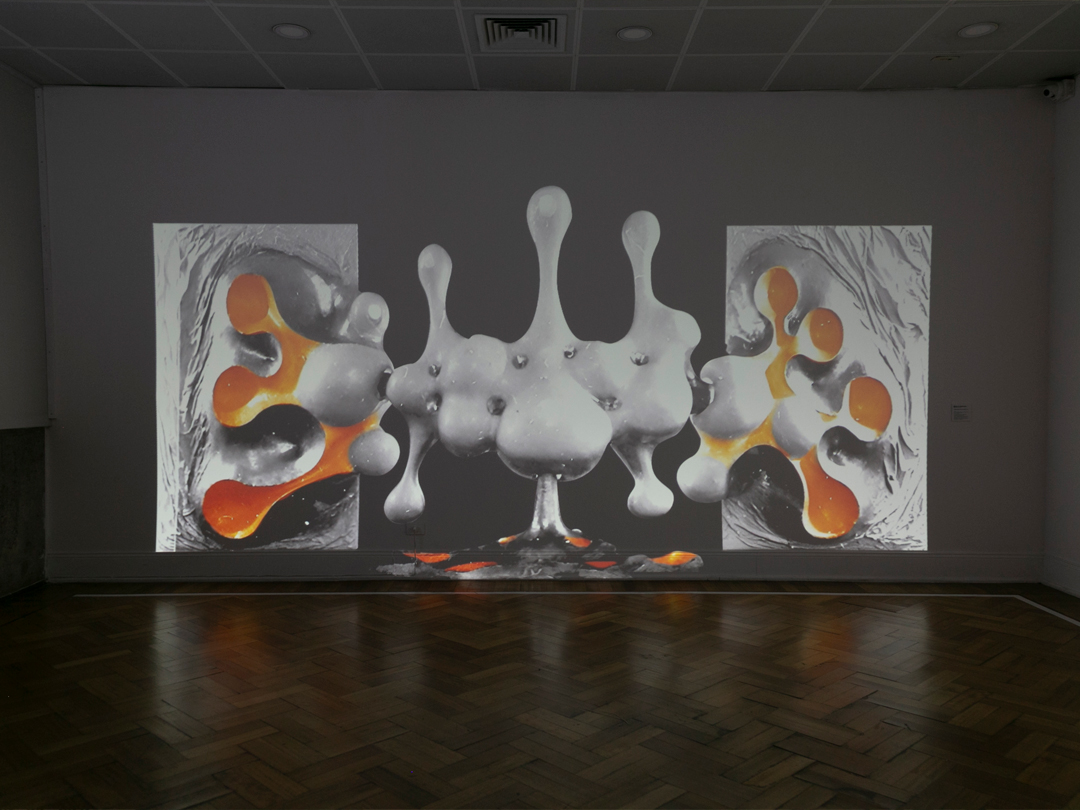
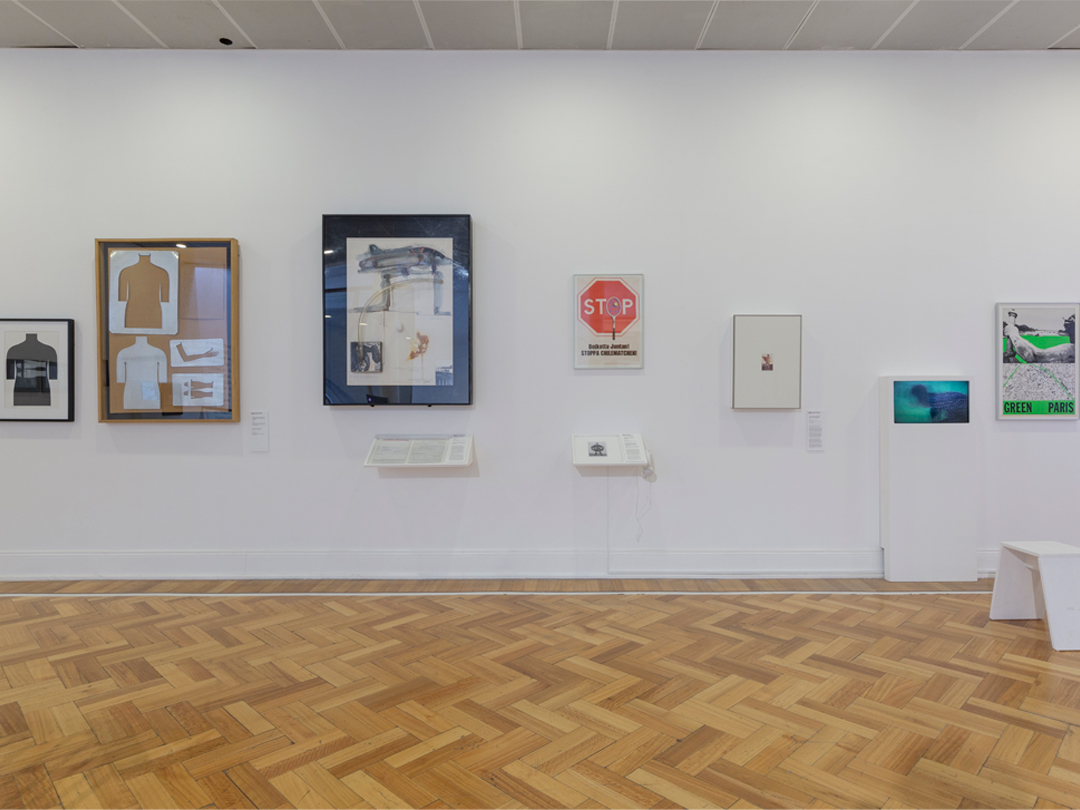
Con el retorno de las colecciones a Chile, el museo pasó a reunir, conservar e investigar un conjunto atravesado por el exilio. La recuperación de las obras y los documentos no ordena por completo esa historia, en ellos persisten trayectorias truncadas, archivos incompletos y vínculos sostenidos a distancia. El MSSA se mueve, por lo tanto, entre la estabilidad de una institución consolidada y la memoria de un proyecto que durante años dependió de redes dispersas.
Hoy, el museo plantea una pregunta incómoda para cualquier institución cultural ¿qué ocurre cuando una obra entra a una colección por solidaridad? Esa condición modifica el modo de acercarse al conjunto. Cada pieza conserva su propio lenguaje, a la vez que forma parte de una trama de afectos, decisiones y gestos colectivos.
With the return of the collections to Chile, the museum took on the task of bringing together, preserving, and researching a body of work shaped by exile. The recovery of the works and documents does not fully resolve that history; truncated trajectories, incomplete archives, and relationships sustained across distance remain within them. The MSSA therefore moves between the stability of an established institution and the memory of a project that for years depended on dispersed networks.
Today, the museum poses an uncomfortable question for any cultural institution: what happens when a work enters a collection through solidarity? This condition changes the way the collection can be approached. Each piece retains its own language while simultaneously becoming part of a network of affections, decisions, and collective gestures.
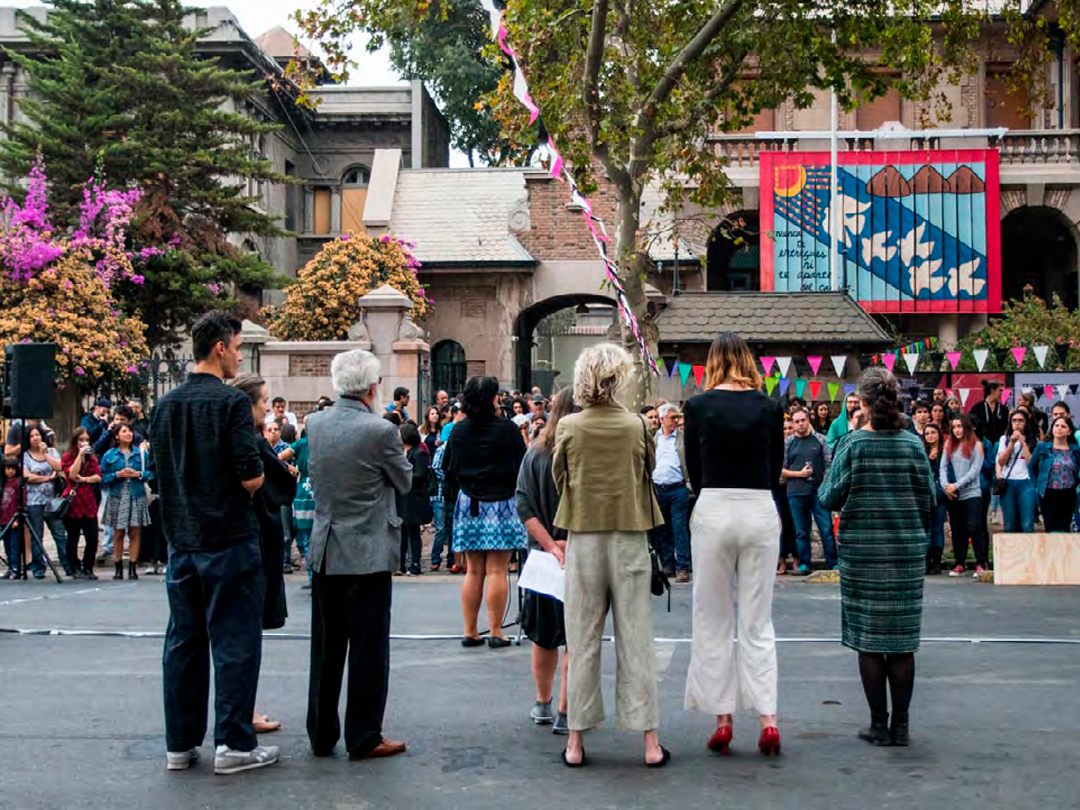
El MSSA reúne arte moderno y contemporáneo, pero evita presentarse como un archivo cerrado sobre el pasado. Sus exposiciones, actividades de mediación e investigaciones activan nuevas lecturas sobre las relaciones entre arte, poder, memoria y circulación. La colección permite pensar cómo se forman los patrimonios, quién determina su valor y qué historias quedan inscritas —o excluidas— cuando una obra cambia de manos, de ciudad o de país.
Su singularidad está en haber nacido desde una red internacional y en haber sobrevivido a la ruptura sin abandonar por completo esa condición colectiva. El museo conserva una historia de apoyo político entre artistas y comunidades distantes, esa historia permanece en los trayectos de las obras, las huellas del exilio y la relación entre arte, archivo, solidaridad. Pero sobre todo, en la pregunta que cada donación deja abierta: bajo qué condiciones puede el arte convertirse en una forma concreta de solidaridad.
The MSSA brings together modern and contemporary art, yet it avoids presenting itself as a closed archive of the past. Its exhibitions, public programs, and research activate new readings of the relationships between art, power, memory, and circulation. The collection makes it possible to consider how cultural heritage is constructed, who determines its value, and what histories become inscribed—or excluded—when a work changes hands, cities, or countries.
Its singularity lies in having emerged from an international network and in having survived rupture without entirely abandoning its collective condition. The museum preserves a history of political support among artists and communities separated by distance. That history remains embedded in the trajectories of the works, the traces of exile, and the relationship between art, archive, and solidarity. Above all, it persists in the question left open by every donation: under what conditions can art become a concrete form of solidarity?