
10.07.2026. Medellín
__
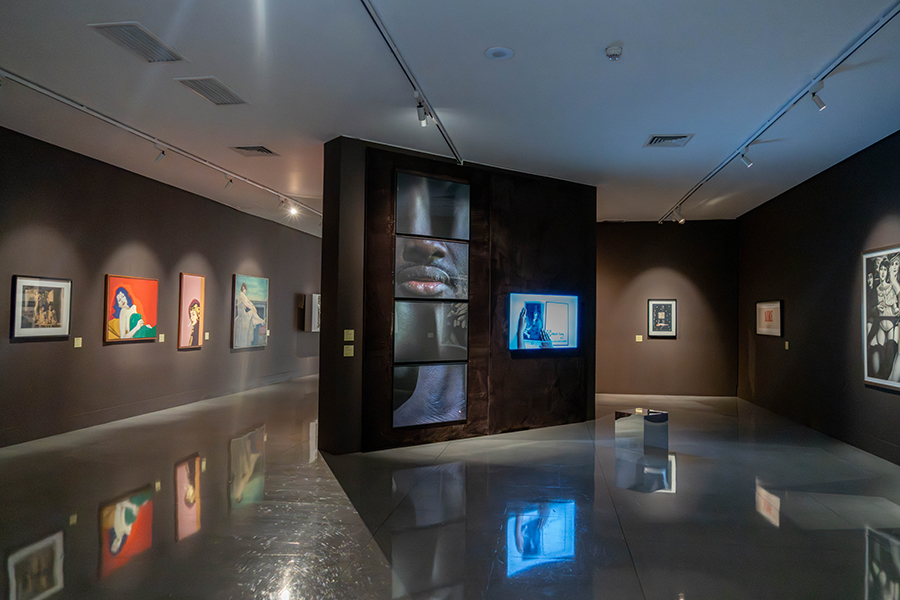
There are exhibitions that organize artworks; others organize questions. Dramaturgias de la existencia [sobre-vivir], the new exhibition at the Museo de Antioquia curated by Érika Martínez Cuervo, belongs to the latter. Rather than proposing a chronological or disciplinary survey, the exhibition uses the body as a framework through which some of the fundamental tensions of contemporary experience can be understood.
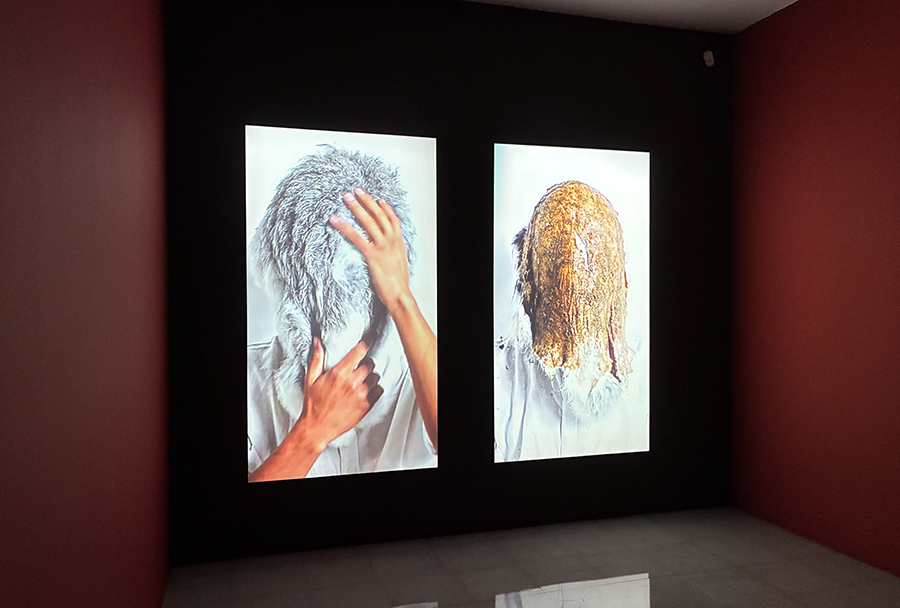
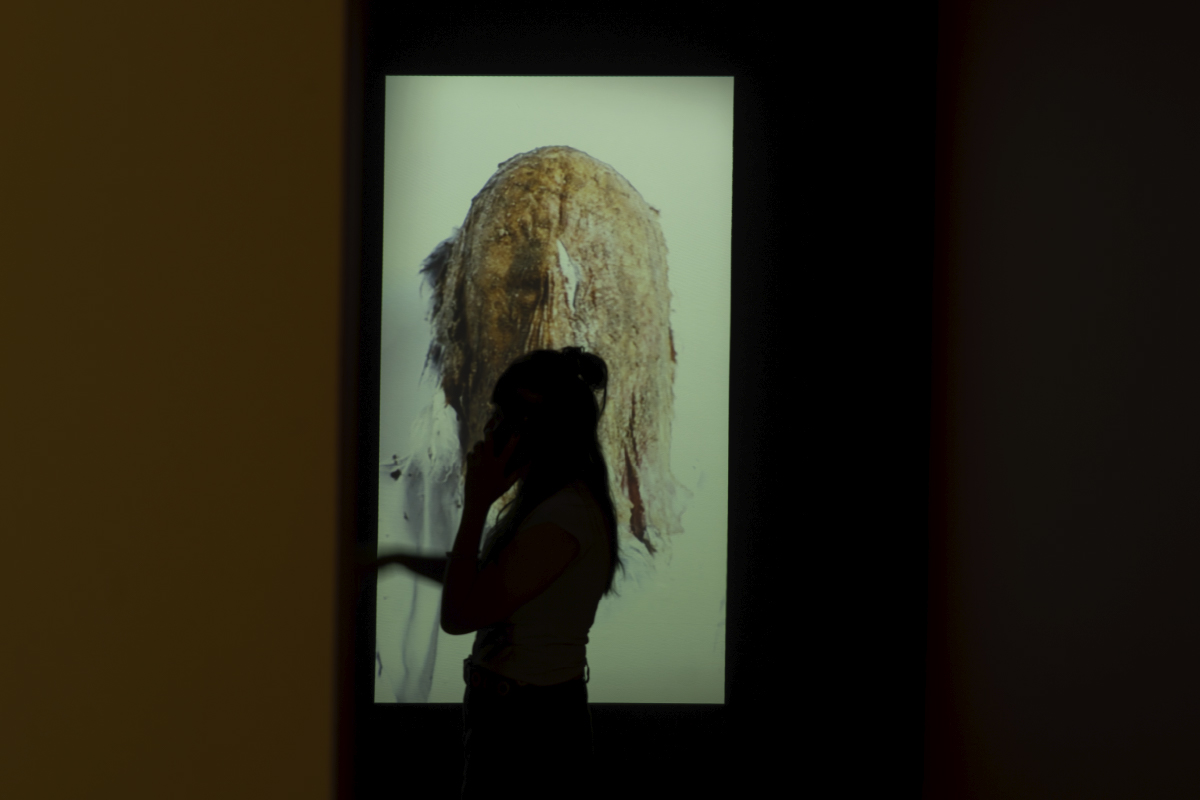
La muestra parte de una idea aparentemente sencilla: los cuerpos nunca son únicamente cuerpos. Son superficies donde se inscriben el poder, la violencia, la memoria, el deseo, la identidad y el afecto. A través de obras de más de cuarenta artistas de distintas generaciones, Dramaturgias de la existencia propone un recorrido donde la representación del cuerpo deja de responder a una condición biológica para convertirse en un espacio político y simbólico desde el cual observar la historia reciente del país.
_
The exhibition begins with an apparently simple idea: bodies are never just bodies. They are surfaces upon which power, violence, memory, desire, identity, and affection are inscribed. Through works by more than forty artists spanning different generations, Dramaturgias de la existencia unfolds as a journey in which the representation of the body moves beyond a biological condition to become a political and symbolic space from which to examine the country’s recent history.
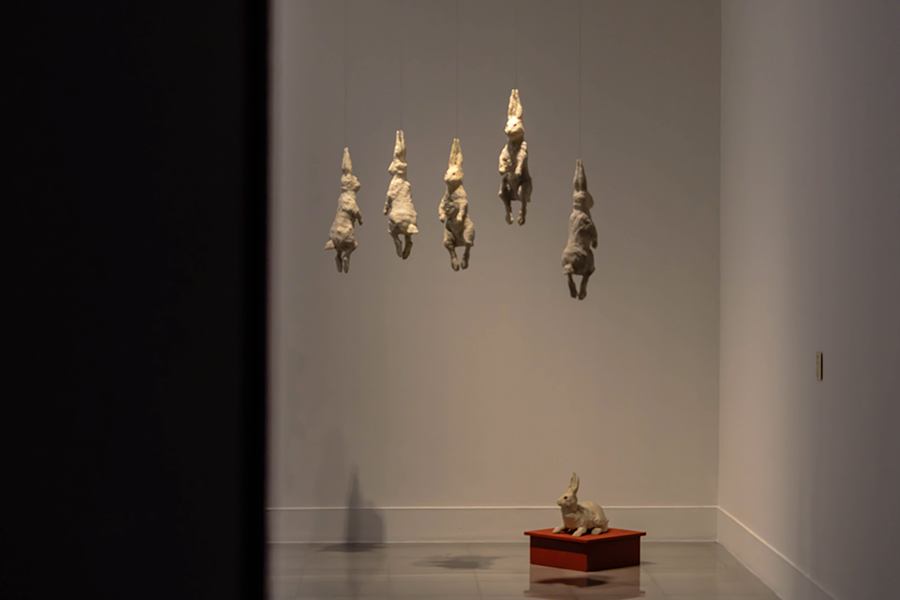
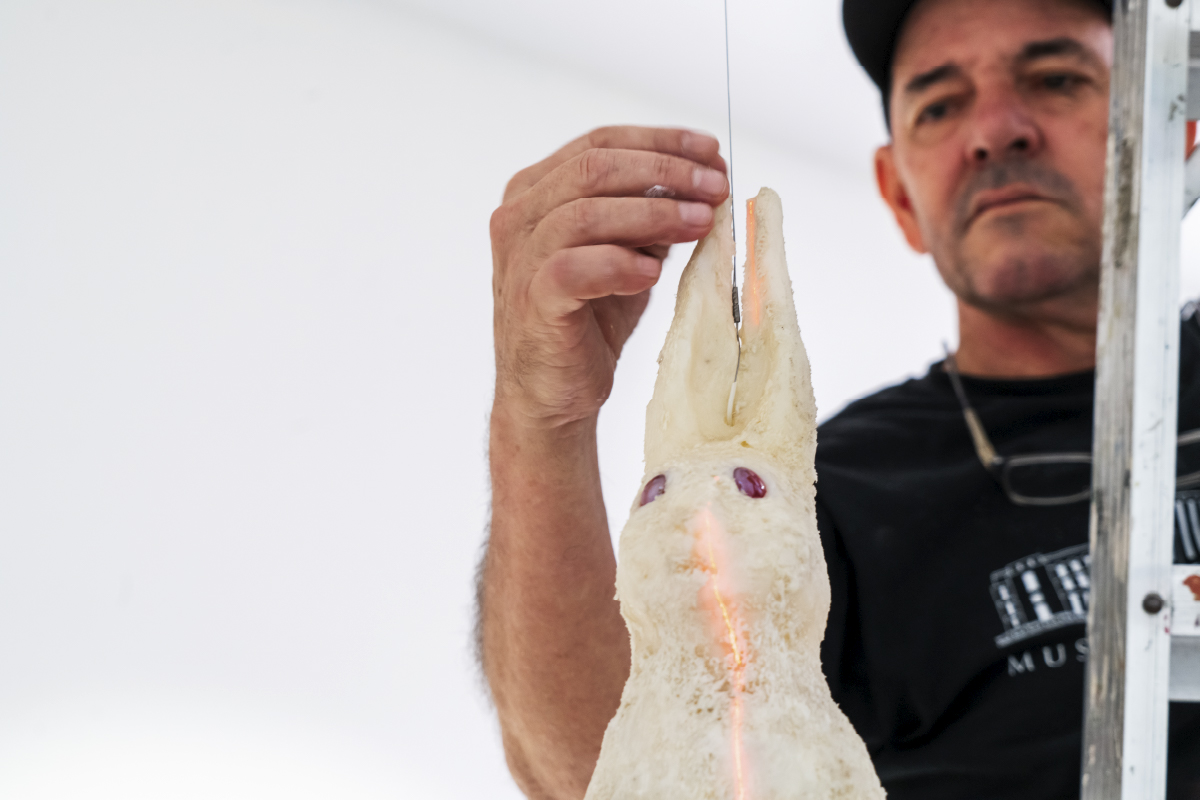
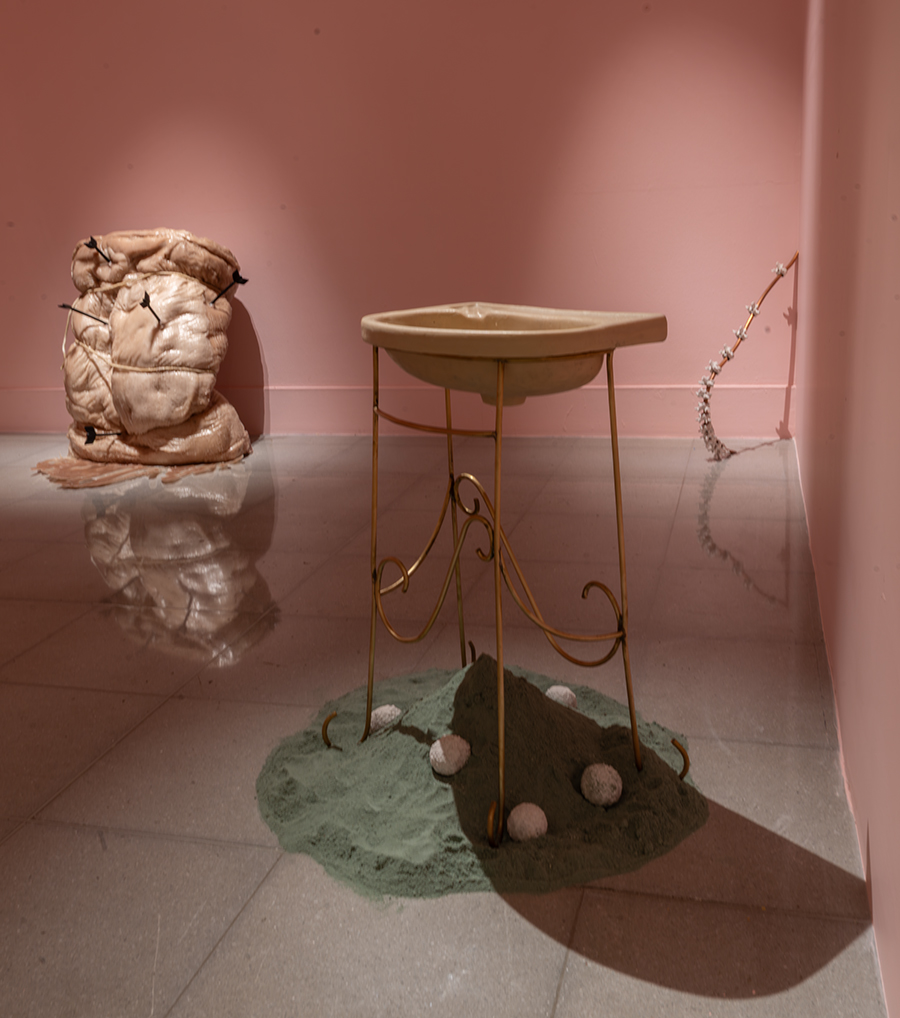
Instalación de la pieza en el museo: Rondando la casa, 2026 de María Teresa Cano. Imagen cortesía del Museo de Antioquia.
Lo interesante es que la exposición evita cualquier intento de construir un relato único. En lugar de ofrecer respuestas, articula una serie de atravesamientos conceptuales donde aparecen el duelo, las performatividades sociales, los imaginarios sobre la belleza, la intimidad y las múltiples formas de resistencia que atraviesan la experiencia de existir. El cuerpo aparece fragmentado, vulnerable, deseante, disciplinado o agotado, pero nunca reducido a una sola lectura.
_
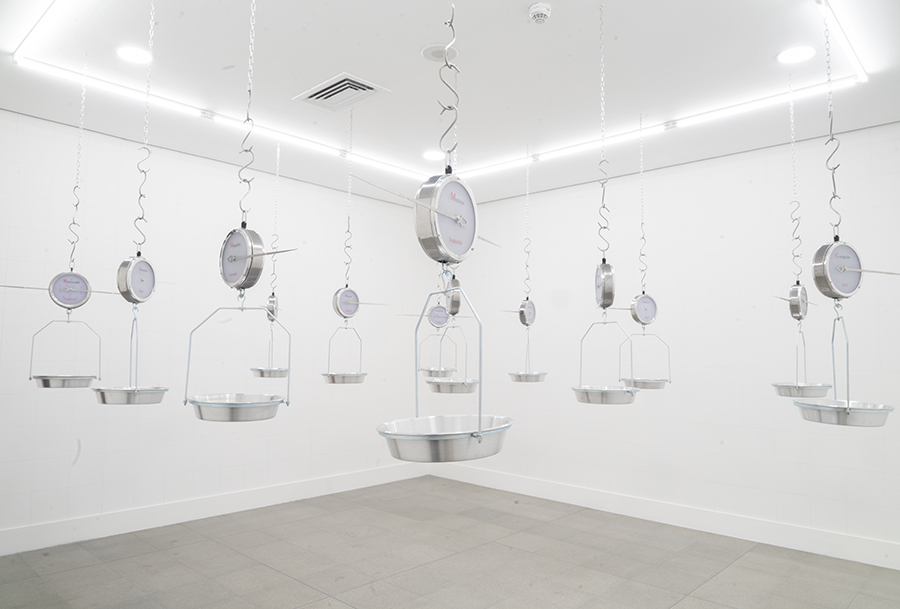
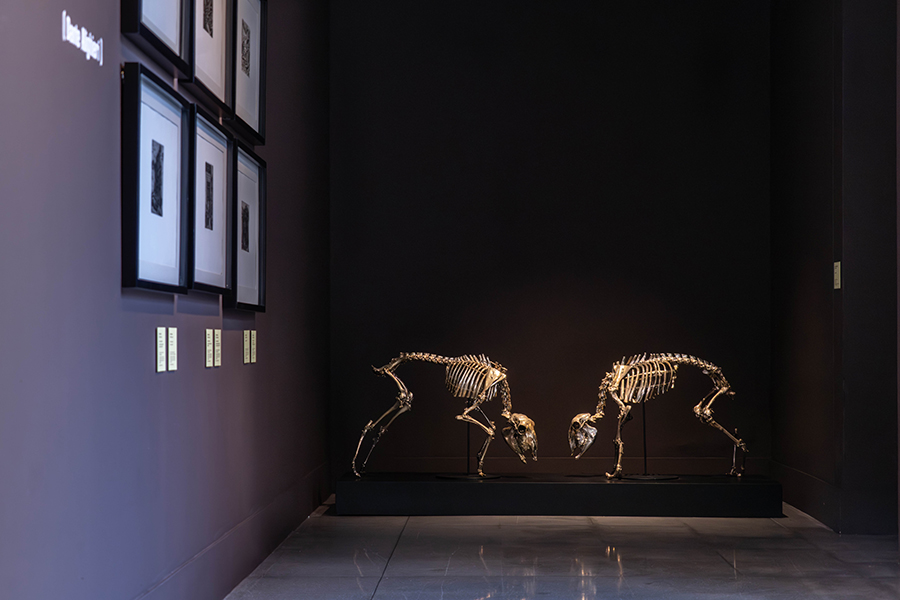
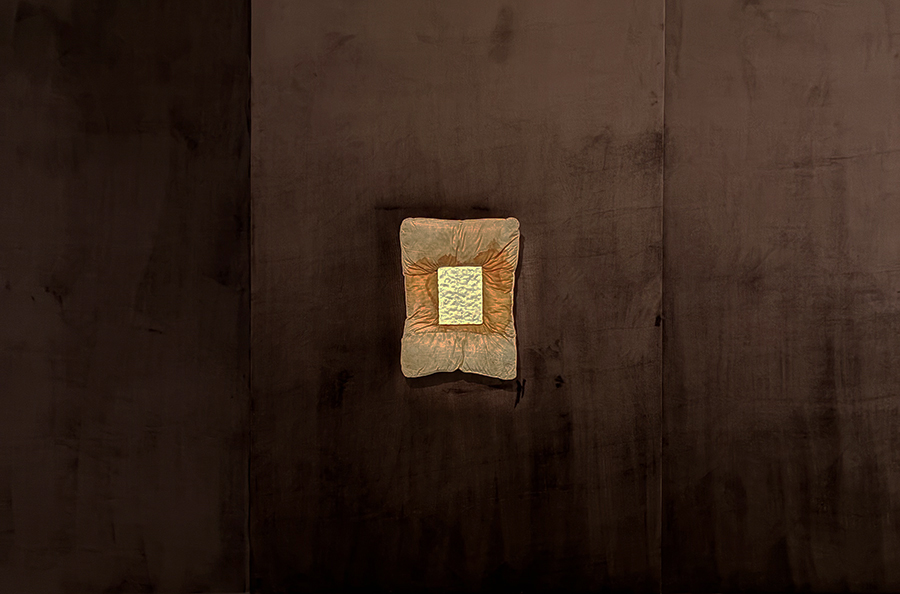
What makes the exhibition particularly compelling is its refusal to construct a single, definitive narrative. Rather than offering answers, it weaves together a series of conceptual threads in which mourning, social performativity, ideals of beauty, intimacy, and the many forms of resistance that shape the experience of existence come into view. The body appears fragmented, vulnerable, desiring, disciplined, or exhausted, yet it is never confined to a single interpretation.
_
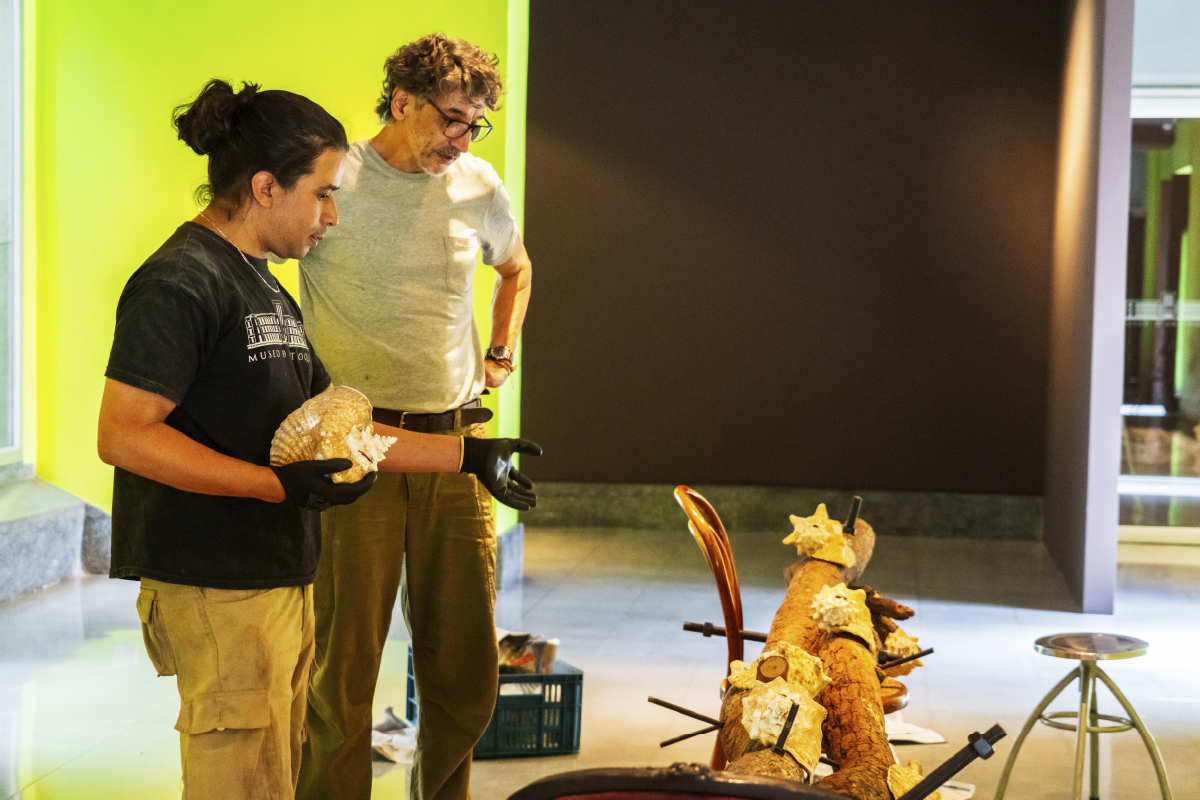
This perspective feels especially relevant at a moment when much of the conversation surrounding the body is centered on individual identity. Dramaturgias de la existencia shifts that discussion toward a collective dimension. Each image reminds us that bodies are also archives, bearing the traces of social conflict, inherited violence, and the enduring possibility of imagining other ways of inhabiting the world.
_
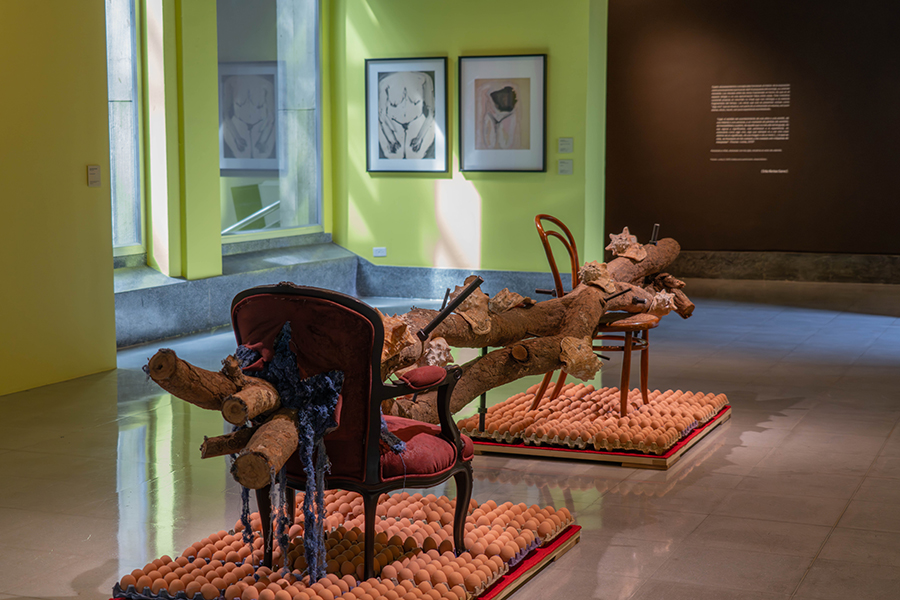
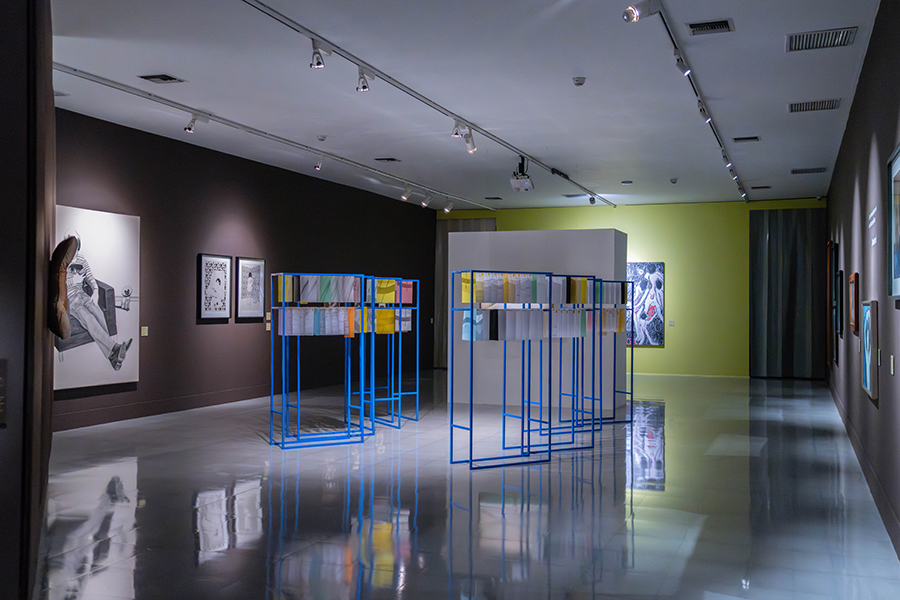
The exhibition design supports this reading without imposing it. The works establish open relationships across different temporalities and artistic languages—painting, photography, video, installation, and drawing—allowing resonances to emerge through affinity rather than explanation. The exhibition does not seek to lead the viewer toward a definitive conclusion; instead, it keeps the question alive.
_
Perhaps that is the exhibition’s greatest strength. It reminds us that survival is not merely about staying alive, but about recognizing the many ways in which the body continues to be the site where memory, desire, violence, and the possibility of imagining other futures are continually negotiated. The exhibition is on view through September 27, 2026.
Artistas de la colección
Álvaro Barrios, Adolfo Bernal, Fernando Botero Angulo, Luis Caballero Holguín, Antonio Caro, Jorge Cárdenas Hernández, Joseph M. Cárdenas Albarracín, Carlos Correa, Aníbal Gil Villa, Umberto Giangrandi, Ethel Gilmour, Leonel Góngora, Beatriz González Aranda, Enrique Grau Araújo, Catalina Jaramillo Quijano, Maripaz Jaramillo, Jonathan Moller, Margarita Monsalve Pino, Óscar Muñoz, Tomás Ochoa Riquetti, Juan Fernando Ospina, Alis René, Javier Restrepo Cuartas, Ernesto Restrepo Morillo, Hebert Rodríguez García, Foto Rodríguez Hermanos, Bernardo Salcedo, Rosemberg Sandoval, Aníbal Vallejo Garzón, Tiberio Vanegas Pinzón, María Villa.
Artistas invitados
Jorge Julián Aristizábal, María Teresa Cano, Juan Carlos Delgado, Adrián Gaitán, Astrid González, Pablo González, Luz Lizarazo, Pablo Mora Ortega, Mario Opazo, Linda Pongutá, Libia Posada, Natalia Pérez, Federico Ríos Escobar, Felipe Romero Beltrán, Daniel Salamanca Núñez, Sonnia Yepez.