
13.12.2026 Bogotá
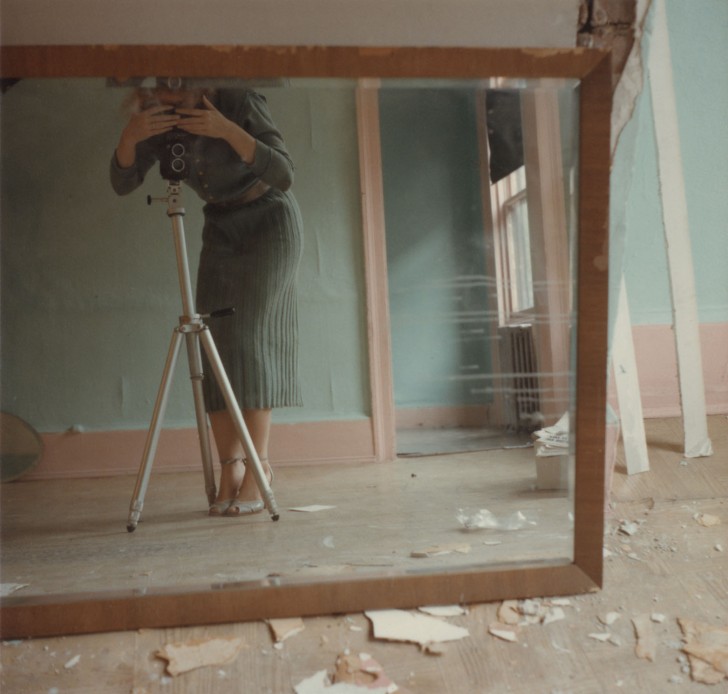
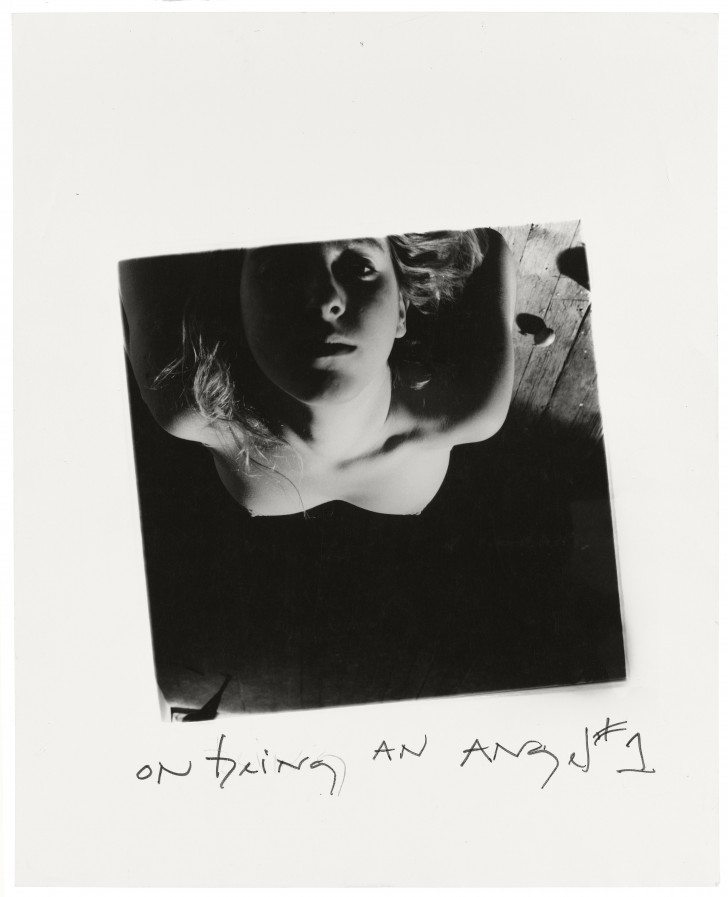
Una mujer puede estar desnuda en una fotografía y seguir siendo inaccesible. En las imágenes de Francesca Woodman, la piel queda a la vista mientras el rostro se esconde, el movimiento deshace los contornos y una habitación absorbe parte del cuerpo, de modo que la cercanía viene acompañada de una cierta incertidumbre. Podemos observar una escena que parece privada, aunque nunca sepamos del todo qué lugar ocupamos frente a ella.
Woodman murió en 1981, a los veintidós años, después de haber realizado aproximadamente ochocientas fotografías. La brevedad de su vida contrasta con la intensidad de una obra que comenzó durante la adolescencia y se desarrolló entre Estados Unidos e Italia, con un periodo de formación en la Rhode Island School of Design y una estancia en Roma. A lo largo de esos años volvió insistentemente sobre su propia figura, encontrando en el autorretrato un espacio donde ensayar distintas maneras de aparecer, ocupar una habitación o relacionarse con aquello que tenía cerca.
A woman can be naked in a photograph and remain inaccessible. In Francesca Woodman’s images, skin is exposed while the face stays hidden, movement dissolves contours, and a room absorbs part of the body, so that closeness carries a certain uncertainty. We can observe a scene that seems private without ever quite knowing where we stand in relation to it.
Woodman died in 1981, aged twenty-two, after making approximately eight hundred photographs. The brevity of her life contrasts with the intensity of a body of work that began in adolescence and developed between the United States and Italy, encompassing her studies at the Rhode Island School of Design and a period in Rome. Throughout those years, she returned insistently to her own figure, finding in self-portraiture a space to test different ways of appearing, occupying a room, or relating to whatever was close at hand.
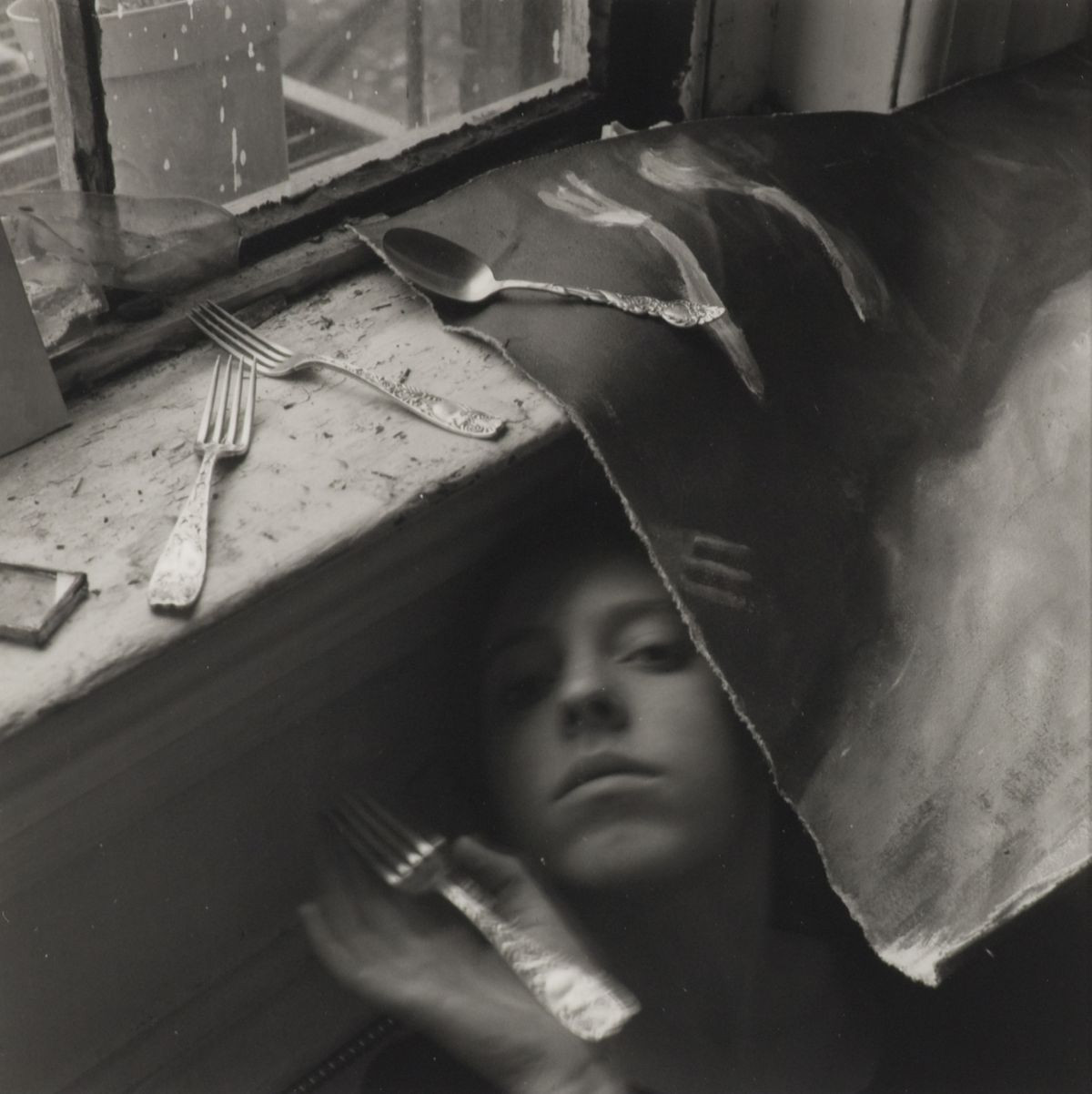
En esas imágenes, el rostro pierde la autoridad que suele tener en un retrato y la atención se desplaza hacia una espalda, una rodilla o el contacto de una mano con la pared. A veces el pelo cubre las facciones; otras, el movimiento vuelve imposible reconocerlas, mientras el resto del cuerpo adquiere una expresividad que parece prescindir del nombre y de la biografía. La historiadora Harriet Riches observa que su cámara desplaza continuamente cualquier «esencia» de la identidad, una lectura que permite entender la repetición del autorretrato como una búsqueda sin una versión definitiva de sí misma.
Algo íntimo surge en esa incertidumbre, en la posibilidad de mirarse y encontrar una figura que resulta familiar y extraña a la vez. Woodman sostiene esa sensación mediante imágenes cuidadosamente construidas, donde la elección de los objetos, la posición del cuerpo y el tiempo de exposición participan de una misma investigación. Tate destaca el carácter escenificado de su práctica, un aspecto que conviene recordar frente a fotografías cuya apariencia puede sugerir espontaneidad o abandono. Detrás de cada gesto hay alguien tomando decisiones sobre su propia visibilidad.
In these images, the face loses the authority it usually holds in a portrait, and attention shifts to a back, a knee, or the contact of a hand with a wall. Sometimes hair covers the features; at other times, movement makes them impossible to recognise, while the rest of the body acquires an expressiveness that seems to dispense with names and biography. Art historian Harriet Riches observes that Woodman’s camera continually displaces any “essence” of identity, a reading that allows us to understand her repeated self-portraits as a search without a definitive version of herself.
Something intimate emerges from that uncertainty, from the possibility of looking at oneself and finding a figure both familiar and strange. Woodman sustains this feeling through carefully constructed images in which the choice of objects, the position of the body, and the exposure time all contribute to the same inquiry. Tate highlights the staged nature of her practice, a point worth remembering when looking at photographs whose appearance might suggest spontaneity or abandon. Behind every gesture is someone making decisions about her own visibility.
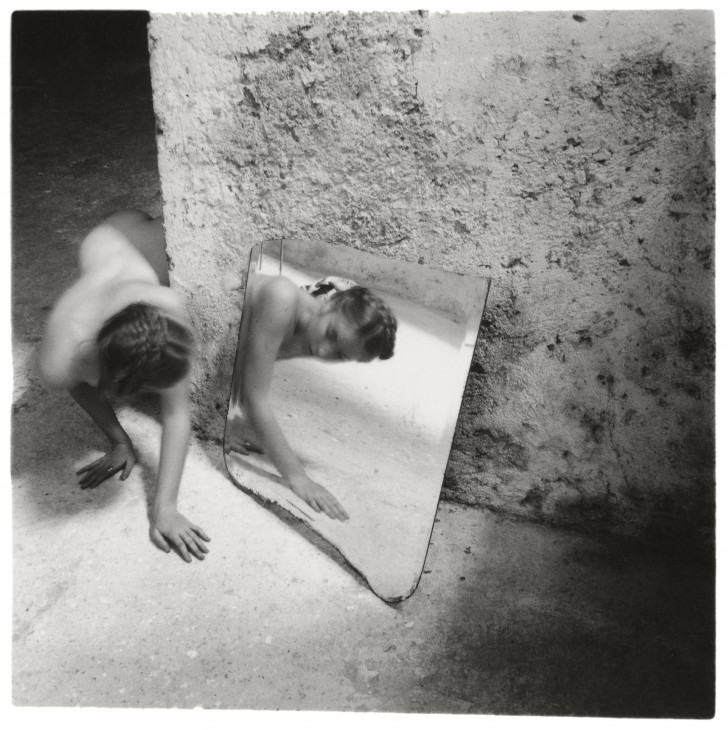
Esa conciencia del encuadre introduce una tensión particular en sus desnudos, porque la mujer fotografiada es también quien organiza las condiciones bajo las cuales podemos verla. La piel queda expuesta mientras una parte del cuerpo se oculta, se fragmenta o pierde definición, haciendo que nuestra mirada encuentre interrupciones allí donde esperaba una imagen disponible. La vulnerabilidad de la figura convive con el control de quien construye la escena, y entre ambas aparece una forma de intimidad que conserva sus límites.
La teórica Jui-Ch’i Liu escribe que «cuanto más atraviesa y disuelve Woodman sus límites corporales, más se niega a permitir que su cuerpo sea definido por el espectador», según la cita recogida en JSTOR Daily, traducida aquí del inglés. Desde esa perspectiva, el desenfoque puede entenderse como una decisión sobre la representación, una manera de impedir que el cuerpo quede resuelto de una vez por todas ante quien lo observa. La fotografía permite acercarse, pero deja zonas que la mirada no consigue fijar.
This awareness of framing introduces a particular tension into her nudes, because the woman being photographed is also the person arranging the conditions under which we can see her. Skin is exposed while part of the body is concealed, fragmented, or blurred, causing our gaze to encounter interruptions where it expected a readily available image. The figure’s vulnerability coexists with the control exercised by the person constructing the scene, and between them emerges a form of intimacy that maintains its boundaries.
The theorist Jui-Ch’i Liu writes that “the more Woodman crosses and dissolves her bodily boundaries, the more she refuses to allow her body to be defined by the viewer,” as quoted in JSTOR Daily. From this perspective, blur can be understood as a decision about representation, a way of preventing the body from being definitively resolved before the person looking at it. The photograph allows us to come closer, yet leaves areas that the gaze cannot fix.
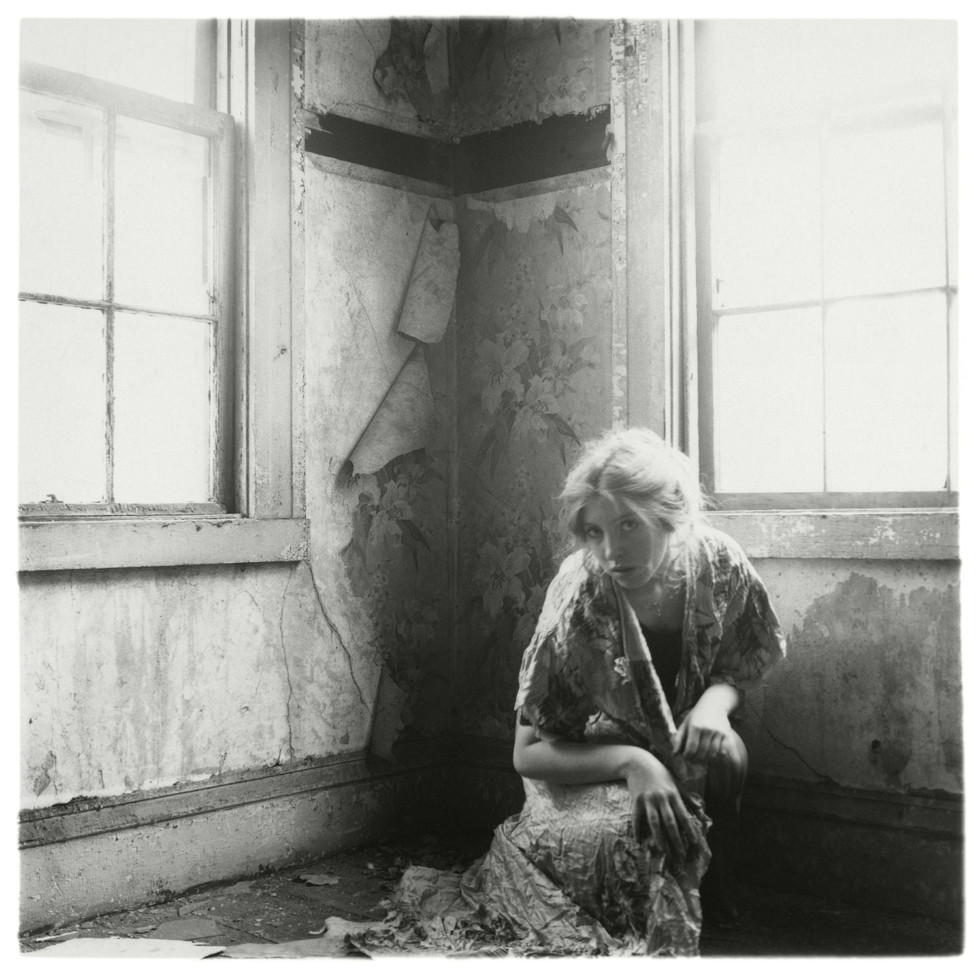
Las habitaciones participan de esa resistencia y la arquitectura adquiere así una presencia física, capaz de imponer posiciones y provocar gesto. Woodman trabajó en interiores deteriorados, entre ellos una casa en Providence y una fábrica en Roma, donde los muros, el papel desprendido y los objetos encontrados entraron en relación con su figura. Al cubrirse con un fragmento de papel tapiz o acercarse a una superficie, el contorno del cuerpo empieza a confundirse con el lugar que ocupa, como si la piel pudiera prolongarse en la materia del cuarto, y es en esa relación, donde lo íntimo toma la forma de un roce, de una postura incómoda o de la distancia precisa entre objeto y sujeto.
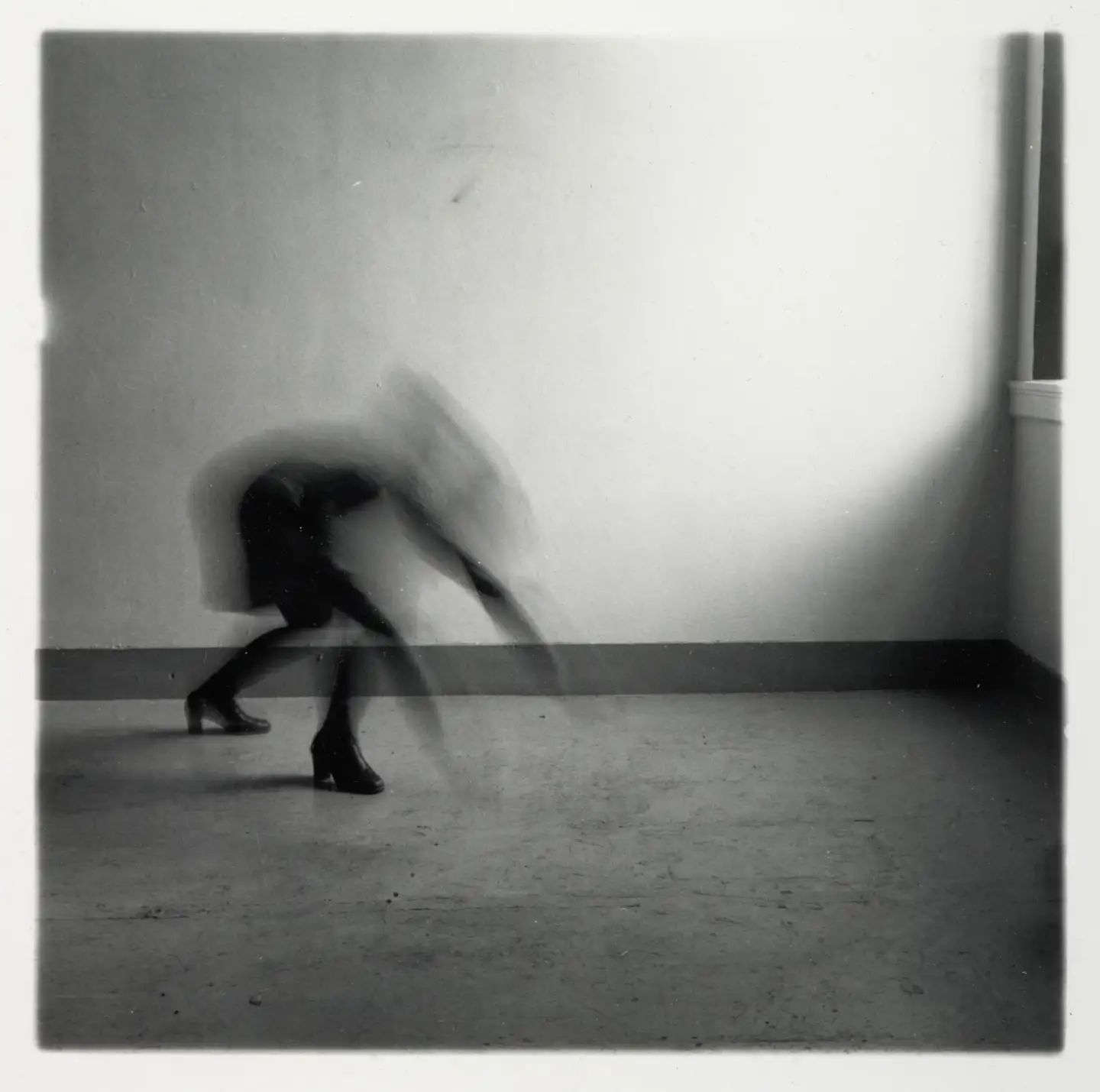
El uso de exposiciones prolongadas intensifica esa relación entre la figura y su entorno, porque permite registrar el movimiento del cuerpo frente a la relativa inmovilidad de la habitación. Woodman exploró este recurso y las dobles exposiciones para alterar su presencia ante la cámara, dejando que algunos contornos se deshicieran mientras otros elementos permanecían definidos. La imagen reúne entonces tiempos distintos y conserva algo de una acción que ya ha terminado, aunque nunca podamos reconstruirla por completo.
The rooms participate in this resistance, and architecture acquires a physical presence, capable of imposing positions and prompting gestures. Woodman worked in deteriorating interiors, including a house in Providence and a factory in Rome, where walls, peeling wallpaper, and found objects entered into a relationship with her figure. As she covers herself with a piece of wallpaper or draws close to a surface, the outline of her body begins to merge with the place it occupies, as though skin could extend into the material of the room. Within that relationship, intimacy takes the form of a brush against a surface, an uncomfortable posture, or the precise distance between object and subject.
Long exposures intensify this relationship between the figure and her surroundings, allowing the body’s movement to be recorded against the relative stillness of the room. Woodman explored this technique, along with double exposures, to alter her presence before the camera, allowing some contours to dissolve while other elements remained sharply defined. The image thus brings together different temporalities and retains something of an action that has already ended, even though we can never fully reconstruct it.
El conocimiento de su muerte por suicidio ha condicionado profundamente la recepción de estas escenas, favoreciendo lecturas que encuentran en los cuerpos borrosos y los espacios deteriorados una anticipación de su final. Esa interpretación puede acabar absorbiendo cada decisión visual y dejando en segundo plano la curiosidad que sostiene su trabajo, el gusto por construir situaciones y probar las posibilidades del medio. La experimentación y el juego, señalados también por Tate, permiten volver a unas imágenes que conservan una energía difícil de reducir a un único relato.
«Te muestro lo que no ves, la fuerza interior del cuerpo», escribió Woodman, según la cita recogida por Liu y reproducida en JSTOR Daily, traducida aquí del inglés. La frase invita a detenerse en el esfuerzo de una postura, en la decisión de entrar en el encuadre y en la imaginación necesaria para transformar una habitación con recursos mínimos. Allí, entre la precisión de la escena y aquello que escapa a la cámara, su figura sigue provocando una cercanía que nunca termina de volverse familiar.
Knowledge of her death by suicide has profoundly shaped the reception of these scenes, encouraging readings that find in the blurred bodies and deteriorating spaces a foreshadowing of her end. That interpretation can come to absorb every visual decision, pushing into the background the curiosity that sustains her work, her pleasure in constructing situations and testing the possibilities of the medium. Experimentation and play, also emphasised by Tate, offer a way back to images that retain an energy difficult to contain within a single narrative.
“I show you what you do not see, the inner force of the body,” Woodman wrote, according to the quotation cited by Liu and reproduced in JSTOR Daily. The phrase invites us to dwell on the effort involved in holding a pose, the decision to enter the frame, and the imagination needed to transform a room with minimal means. There, between the precision of the scene and what eludes the camera, her figure continues to evoke a closeness that never becomes entirely familiar.
La obra de Woodman dialoga con los personajes de Cindy Sherman y la intimidad compartida de Nan Goldin, artistas de su generación que también exploraron las tensiones entre experiencia e imagen. Ese legado encuentra eco en Petra Collins, quien, en una entrevista con Gabriella Karefa-Johnson publicada en Vogue el 28 de febrero de 2014, respondió a una pregunta sobre su conexión con los proyectos feministas de Woodman y Sherman diciendo «Me siento conectada con ello. Supongo que soy parte de la siguiente generación de mujeres que intenta generar un cambio».
Woodman’s work enters into dialogue with Cindy Sherman’s characters and Nan Goldin’s shared intimacy, artists of her generation who also explored the tensions between experience and image. That legacy finds an echo in Petra Collins, who, in an interview with Gabriella Karefa-Johnson published in Vogue on February 28, 2014, responded to a question about her connection to Woodman’s and Sherman’s feminist projects by saying, “I feel connected to it. I guess I’m part of the next generation of women trying to bring about change.”