
08.09.2026. Bogotá
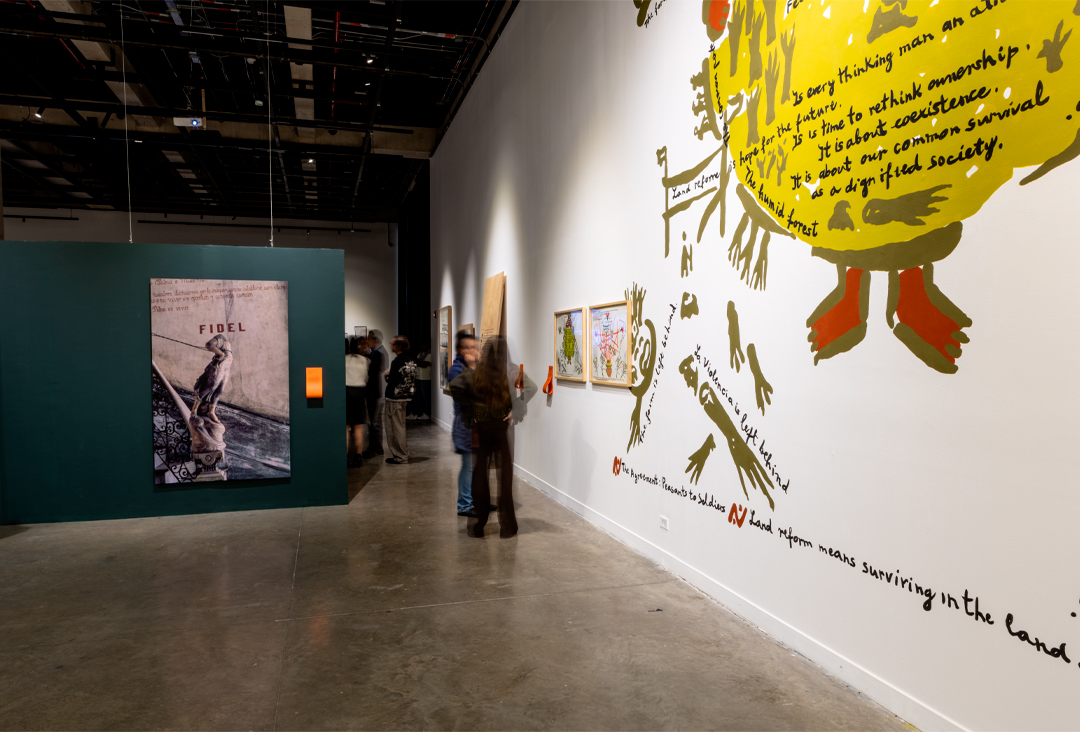
Obras de la Colección Di Terlizzi. Cortesía: Cámara de Comercio de Bogotá.
¿Qué permanece después de una guerra? En Colombia, diez años después de la firma del Acuerdo de Paz con las FARC, la pregunta sigue abierta. El territorio, la memoria y las vidas de quienes han atravesado el conflicto conservan huellas que el paso del tiempo no ha borrado. Desde ahí parte Pervivencias: Arte, conflicto y resistencia, una exposición que reúne 62 obras de la Colección Di Terlizzi para volver sobre esas memorias, heridas y formas de resistencia.
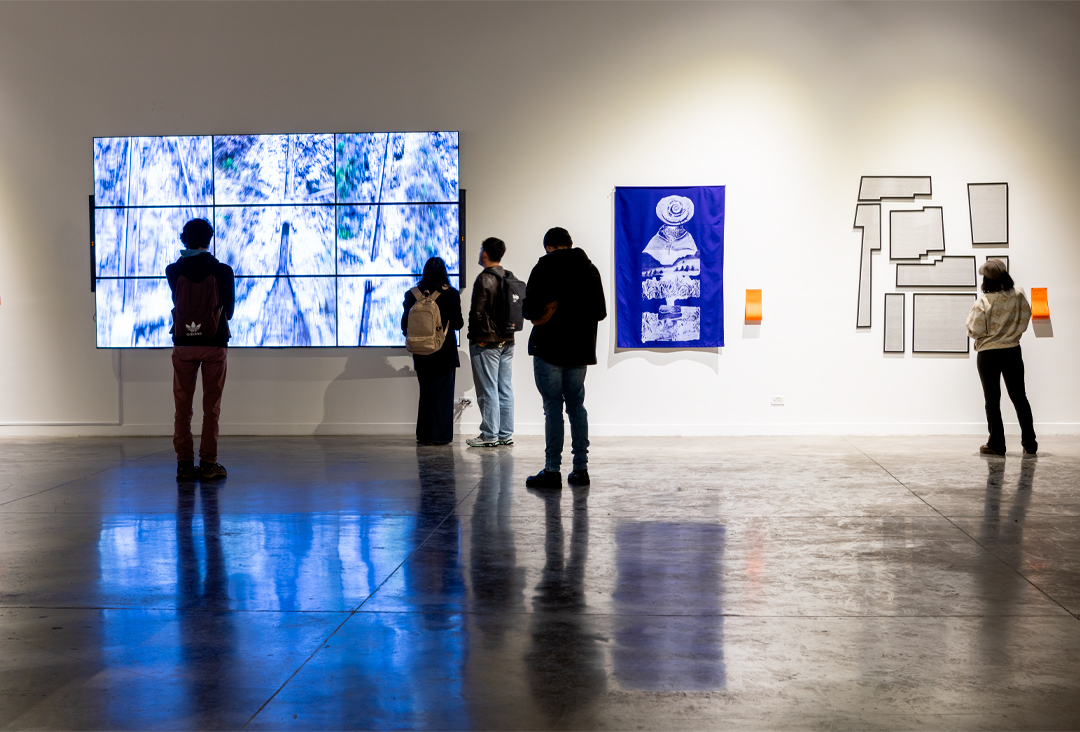
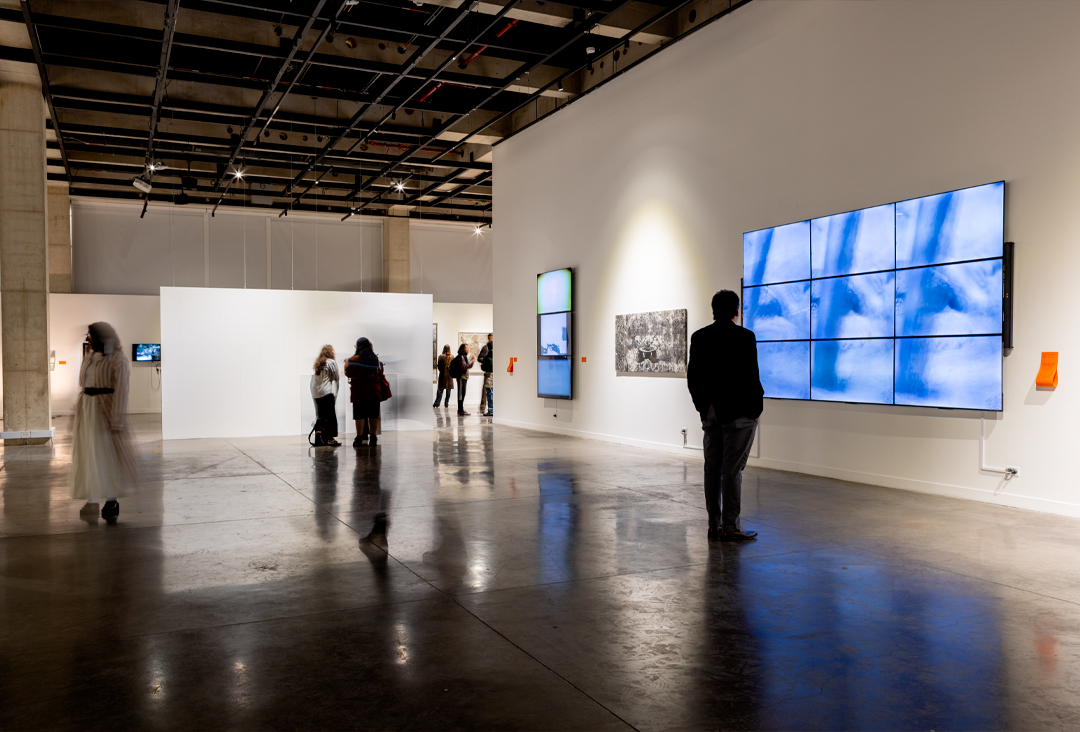
La muestra, curada por María Victoria Mahecha y Juanita Solano Roa, estará abierta del 1 al 27 de septiembre de 2026 en la Sala Colpatria de la Universidad de los Andes, en Bogotá. Su recorrido se organiza en cuatro ejes: Cartografías del despojo, El problema de las drogas, Testimonios que persisten y Gestos de resistencia. Cada uno aborda distintas dimensiones de un conflicto cuyas consecuencias atraviesan el territorio y la memoria colectiva.
What remains after a war? In Colombia, ten years after the signing of the Peace Agreement with the FARC, the question remains open. The territory, memory, and lives of those who have lived through the conflict still bear traces that the passage of time has not erased. Pervivencias: Art, Conflict and Resistance begins from this point, bringing together 62 works from the Di Terlizzi Collection to revisit these memories, wounds, and forms of resistance.
Curated by María Victoria Mahecha and Juanita Solano Roa, the exhibition will be on view from September 1 to 27, 2026, at Sala Colpatria at Universidad de los Andes in Bogotá. Its recorrido is organized around four themes: Cartographies of Dispossession, The Drug Problem, Testimonies that Persist, and Gestures of Resistance. Each addresses different dimensions of a conflict whose consequences continue to shape both territory and collective memory.
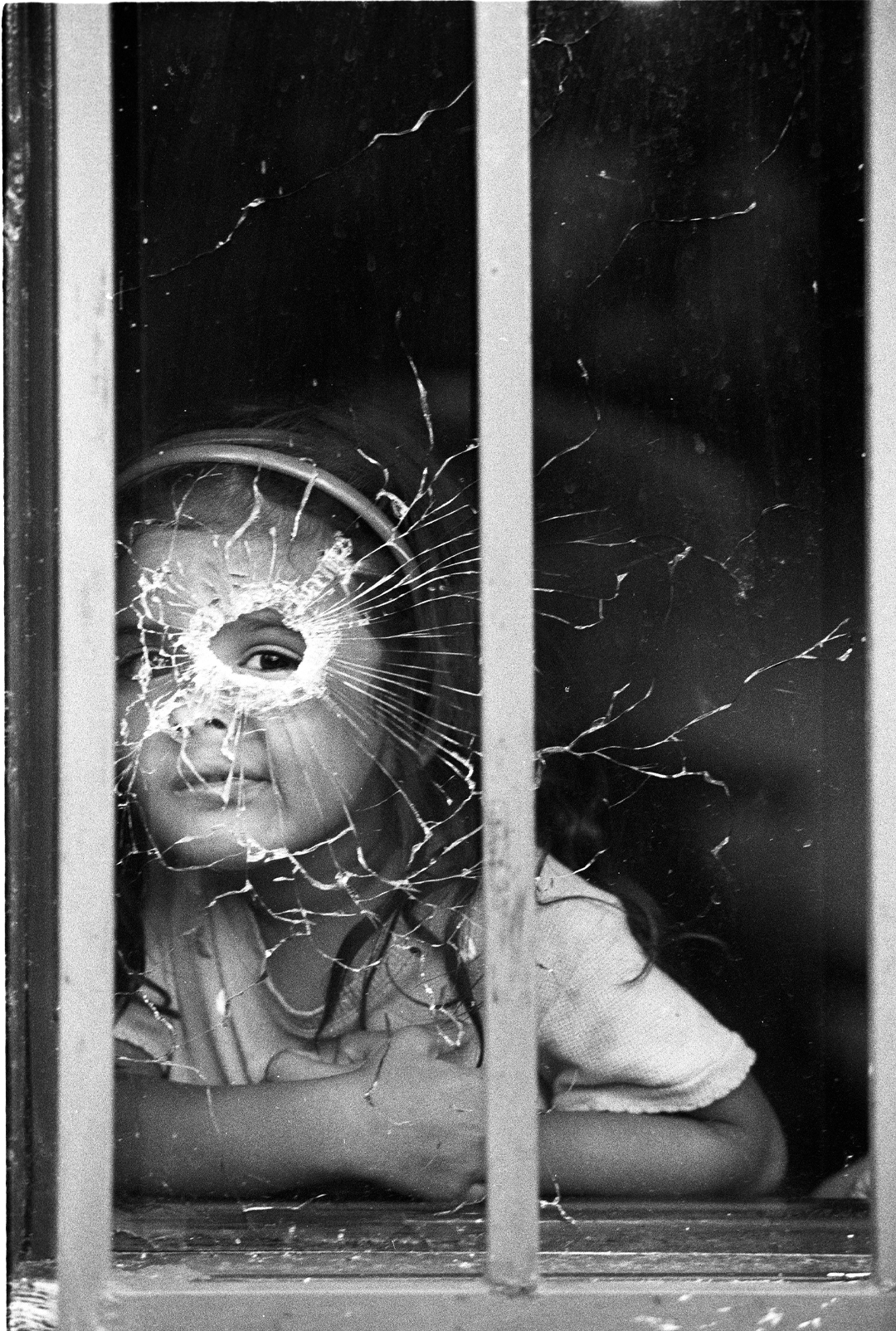
Las obras reunidas hablan de desplazamiento, ausencia, territorio, testimonio y resistencia. En ellas aparecen distintas maneras de recordar y de relacionarse con una historia reciente que continúa formando parte del presente. Comuna 13 Medellín (2002), de Jesús Abad Colorado, lleva esa relación con el territorio hacia la fotografía documental. La imagen en blanco y negro registra una experiencia concreta de la violencia y sitúa al espectador frente a un lugar cuya historia ha quedado profundamente marcada por el conflicto.
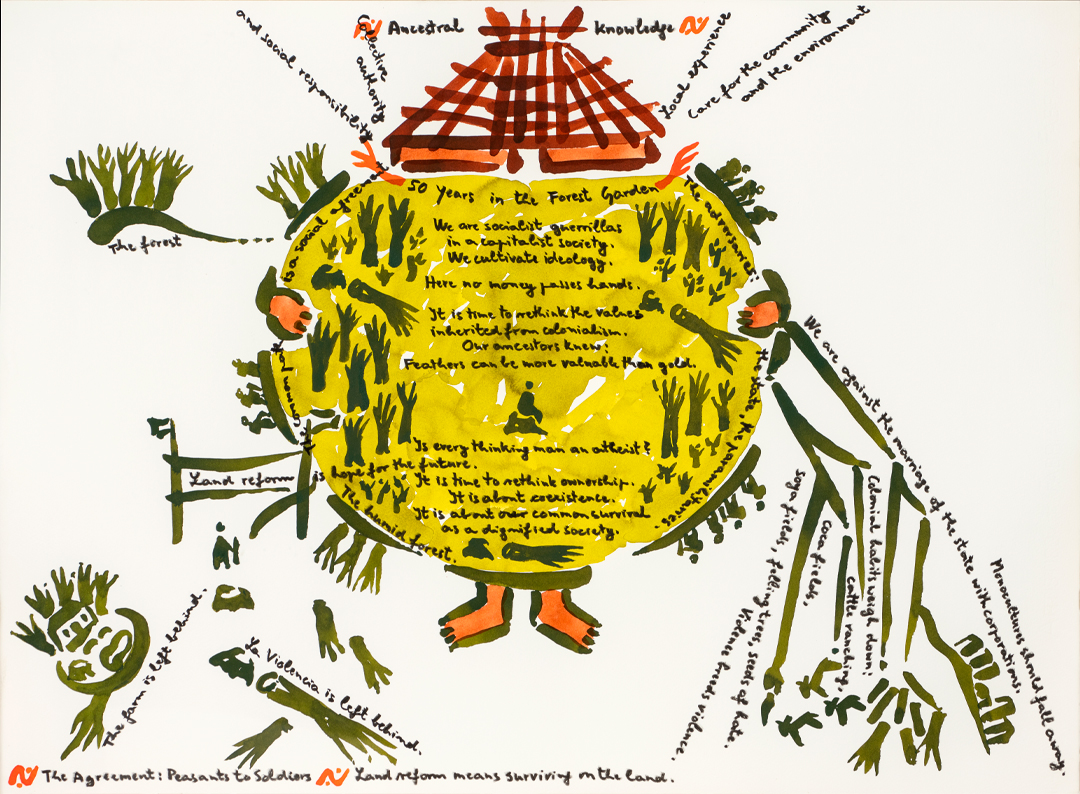
Otra aproximación aparece en The agreement: soldiers to caretakers (el acuerdo: de soldados a cuidadores) (2017), de Marjetica Potrč. La obra, realizada en tinta sobre papel, forma parte de una serie que también incluye The agreement: peasants to soldiers. El cambio que plantea el título —de soldados a cuidadores— introduce una dimensión distinta dentro de la exposición: la transformación de los roles y de las relaciones que pueden surgir alrededor de un proceso de paz.
The works explore displacement, absence, territory, testimony, and resistance. They offer different ways of remembering and of engaging with a recent history that continues to form part of the present. Comuna 13 Medellín (2002), by Jesús Abad Colorado, brings this relationship with territory into the realm of documentary photography. The black-and-white image records a specific experience of violence and places the viewer before a site whose history has been profoundly shaped by conflict.
Another approach appears in The agreement: soldiers to caretakers (2017), by Marjetica Potrč. The ink-on-paper work belongs to a series that also includes The agreement: peasants to soldiers. The shift suggested by the title—from soldiers to caretakers—introduces another dimension to the exhibition: the transformation of roles and of the relationships that can emerge around a peace process.
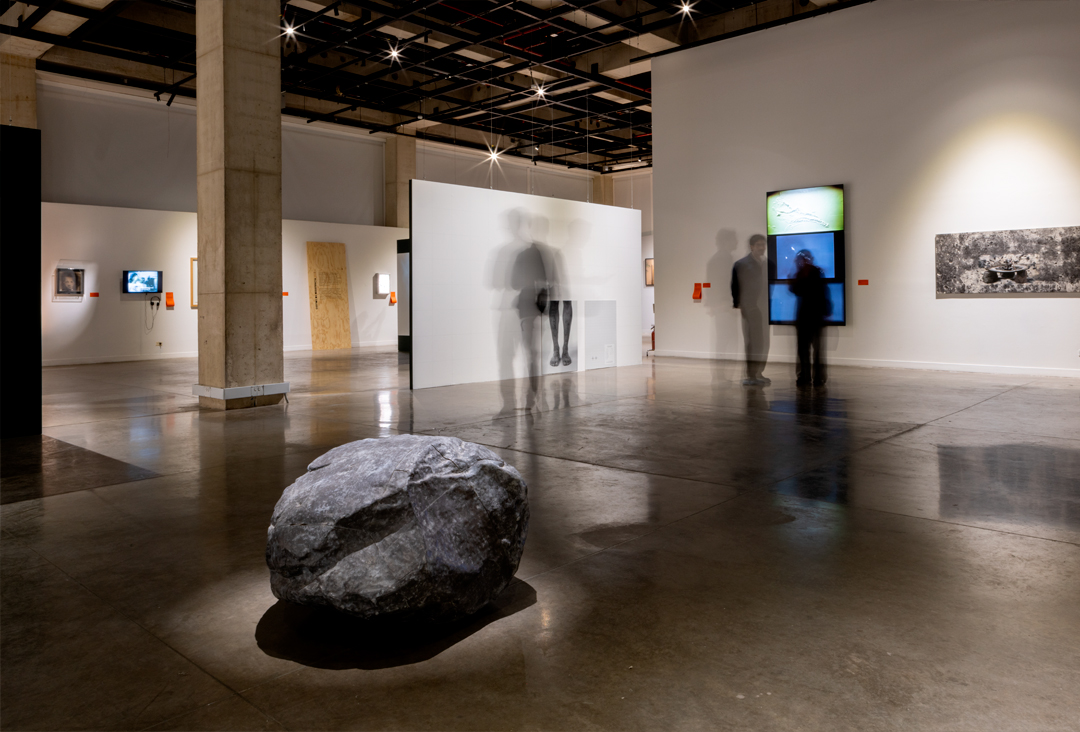
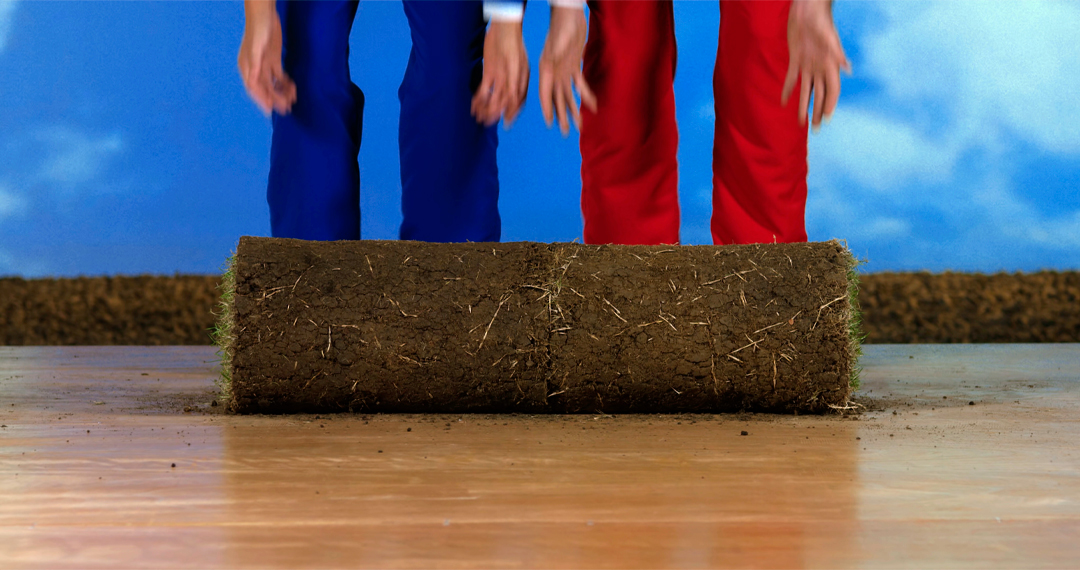
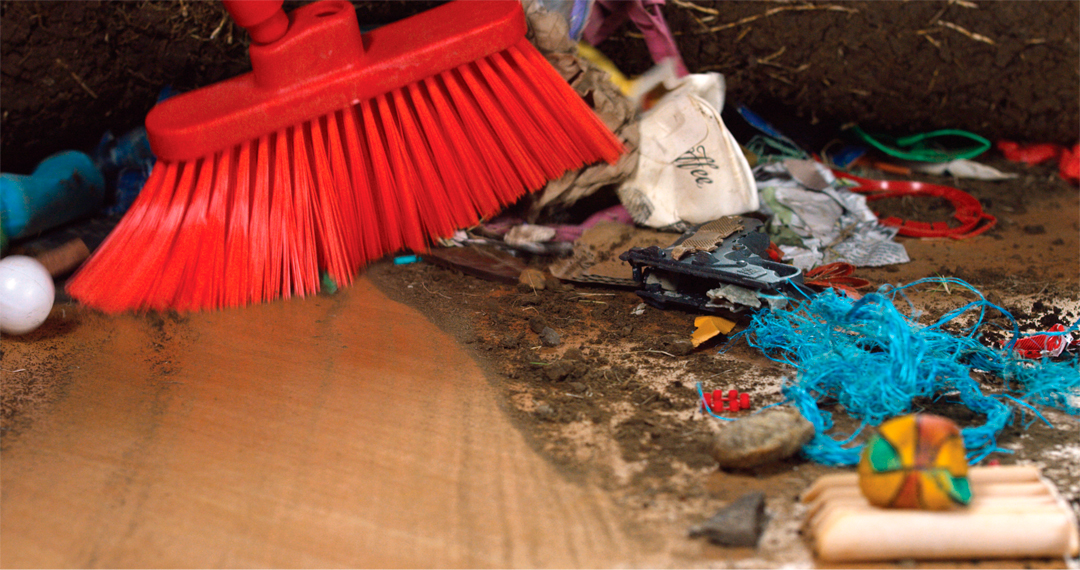
El recorrido incorpora también otros lenguajes y otras geografías. Under the Rug (2015), de Donna Conlon y Jonathan Harker, es un video de poco menos de tres minutos que amplía el registro de la muestra hacia lo audiovisual. Su presencia junto a fotografías, obras sobre papel y otras aproximaciones permite que la exposición se mueva entre diferentes maneras de construir memoria y abordar aquello que permanece alrededor de la violencia.
Uno de los aspectos más interesantes de Pervivencias está en la conversación entre artistas colombianos e internacionales. Óscar Muñoz, Miguel Ángel Rojas, Juan Manuel Echavarría, Jesús Abad Colorado, María José Arjona, Juan Fernando Herrán y Libia Posada comparten espacio con Teresa Margolles, Alfredo Jaar, Marjetica Potrč, Lotty Rosenfeld, Alexander Apóstol, Fernando Prats, Donna Conlon y Jonathan Harker, entre otros. El encuentro amplía el campo de lectura de la muestra y conecta la experiencia colombiana con problemáticas que atraviesan distintas geografías de memoria, violencia, territorio y resistencia.
The exhibition also brings together different media and geographies. Under the Rug (2015), by Donna Conlon and Jonathan Harker, is a video lasting just under three minutes that expands the exhibition into the audiovisual realm. Placed alongside photographs, works on paper, and other forms of artistic inquiry, it allows the exhibition to move between different ways of constructing memory and addressing what remains in the aftermath of violence.
One of the most compelling aspects of Pervivencias is the dialogue between Colombian and international artists. Óscar Muñoz, Miguel Ángel Rojas, Juan Manuel Echavarría, Jesús Abad Colorado, María José Arjona, Juan Fernando Herrán, and Libia Posada share the exhibition with Teresa Margolles, Alfredo Jaar, Marjetica Potrč, Lotty Rosenfeld, Alexander Apóstol, Fernando Prats, Donna Conlon, and Jonathan Harker, among others. Their encounter broadens the exhibition’s field of interpretation, connecting the Colombian experience with questions of memory, violence, territory, and resistance that extend across different geographies.
Hay, además, una segunda historia que atraviesa la exposición: la de la propia colección que la hace posible. La Colección Di Terlizzi reúne cerca de 170 obras de arte contemporáneo colombiano e internacional y ha construido, desde finales de la década de 1990, un acervo atento a las transformaciones sociales, políticas y culturales de su tiempo. En Pervivencias, ese conjunto privado entra en contacto con un público amplio y adquiere una nueva dimensión como espacio de reflexión sobre la memoria y el presente.
Ese vínculo entre coleccionismo y reflexión también estará presente en la programación que acompaña la exposición. Conversatorios, recorridos guiados y proyecciones reunirán a artistas, investigadores, periodistas y especialistas alrededor de temas como la memoria, el conflicto y la construcción de paz. Entre las actividades se encuentra una conversación sobre el coleccionismo como motor de reflexión y memoria, así como un conversatorio con Clemencia Echeverri, Luz Adriana Vera y Juan Fernando Herrán.
There is also a second history running through the exhibition: that of the collection itself. The Di Terlizzi Collection comprises nearly 170 works of contemporary Colombian and international art and has, since the late 1990s, built an archive attentive to the social, political, and cultural transformations of its time. In Pervivencias, this private collection comes into contact with a broader public, taking on a new dimension as a space for reflection on memory and the present.
This connection between collecting and reflection will also shape the program accompanying the exhibition. Talks, guided tours, and screenings will bring together artists, researchers, journalists, and specialists to discuss memory, conflict, and peacebuilding. The program includes a conversation on collecting as a catalyst for reflection and memory, as well as a discussion with Clemencia Echeverri, Luz Adriana Vera, and Juan Fernando Herrán.
Obras de la Colección Di Terlizzi. Cortesía: Cámara de Comercio de Bogotá.
Los cuatro ejes permiten recorrer experiencias que se cruzan y se complementan. El despojo habla de la relación entre violencia y territorio; el problema de las drogas introduce una de las dimensiones que han atravesado la historia del conflicto; los testimonios ponen en primer plano las voces y experiencias que permanecen; y los gestos de resistencia muestran las respuestas que han surgido frente a estas circunstancias. Juntos construyen un recorrido en el que las obras funcionan como registros de distintas formas de vivir, recordar y confrontar una historia que sigue teniendo consecuencias en el presente.
En septiembre, cuando Bogotá concentra buena parte de su actividad artística alrededor de ARTBO, Pervivencias propone detenerse en una conversación que sigue siendo urgente. Las 62 obras reunidas en la Sala Colpatria construyen un recorrido por las huellas del conflicto y por las distintas formas en que esas experiencias han sido inscritas, recordadas y confrontadas desde el arte.
The four themes offer a way of moving through experiences that intersect and complement one another. Dispossession addresses the relationship between violence and territory; the drug problem introduces one of the forces that have shaped the history of the conflict; testimonies bring individual voices and experiences to the foreground; and gestures of resistance reveal the responses that have emerged in the face of these circumstances. Together, they form a recorrido in which the works serve as records of different ways of living through, remembering, and confronting a history that continues to have consequences in the present.
In September, as Bogotá’s artistic calendar gathers momentum around ARTBO, Pervivencias invites visitors to pause over a conversation that remains urgent. The 62 works brought together at Sala Colpatria trace the marks left by the conflict and the different ways these experiences have been inscribed, remembered, and confronted through art.
Obras de la Colección Di Terlizzi. Cortesía: Cámara de Comercio de Bogotá.
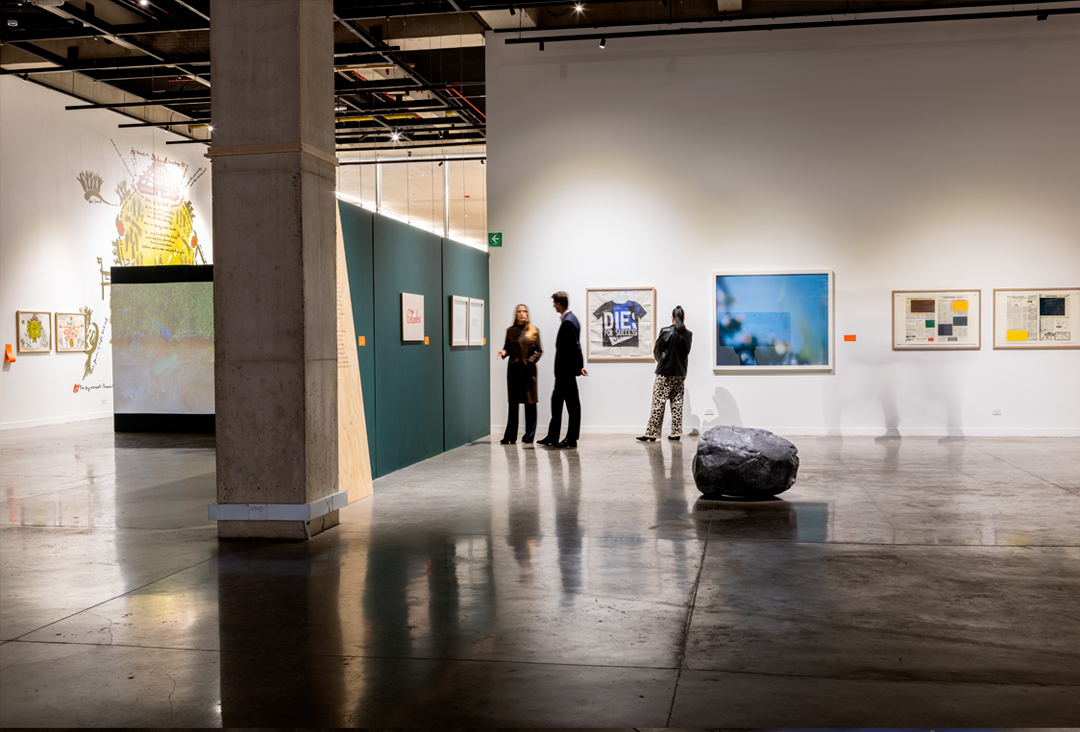
Obras de la Colección Di Terlizzi. Cortesía: Cámara de Comercio de Bogotá.
Diez años después de la firma del Acuerdo de Paz, Pervivencias vuelve sobre una historia que continúa escribiéndose. Las obras reunidas en la Sala Colpatria hablan de aquello que permanece en la memoria, en los territorios y en las vidas atravesadas por el conflicto, pero también de las formas que han encontrado las personas para recordar y resistir. En ese cruce entre arte y memoria, la exposición plantea una pregunta que sigue siendo difícil de responder: qué significa realmente hablar de paz cuando sus huellas todavía forman parte del presente.
La exposición estará abierta del 1 al 27 de septiembre de 2026 en la Sala Colpatria – Centro Cívico de la Universidad de los Andes, en Bogotá.
Ten years after the signing of the Peace Agreement, Pervivencias returns to a history that is still being written. The works gathered at Sala Colpatria speak to what remains in memory, in territories, and in the lives shaped by conflict, but also to the ways people have found to remember and resist. At the intersection of art and memory, the exhibition poses a question that remains difficult to answer: what does it really mean to speak of peace when its traces are still part of the present?
The exhibition will be on view from September 1 to 27, 2026, at Sala Colpatria – Centro Cívico, Universidad de los Andes, Bogotá.