
09.12.2025. Paris
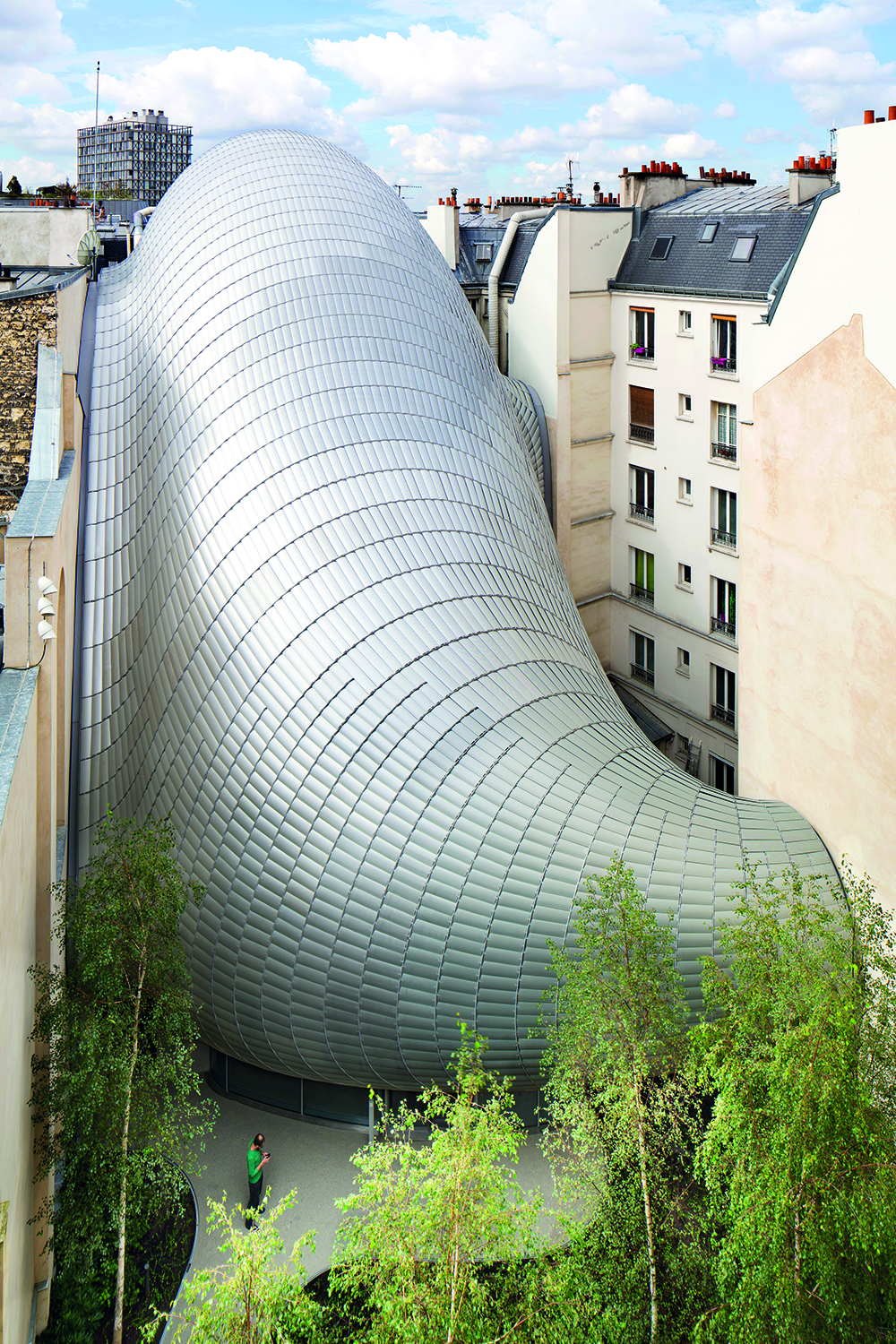
Intervening in traditional streets, public spaces, or historic buildings always opens a debate about how our ways of perceiving the city change. Modifying what already exists involves introducing new orders: new ways of living, moving, and inhabiting the everyday. It also brings an element of surprise and an opportunity for the urban space to be reappropriated.
La intervención sobre calles tradicionales, espacios públicos o edificios antiguos siempre abre un debate sobre cómo cambian nuestras formas de percibir la ciudad. Modificar lo ya existente implica introducir nuevos órdenes: nuevas maneras de vivir, transitar y habitar lo cotidiano. También trae un componente de sorpresa y una oportunidad de reapropiación del espacio urbano. La Jérôme Seydoux-Pathé Foundation, ubicada en el centro de París, responde a ese tipo de transformación.
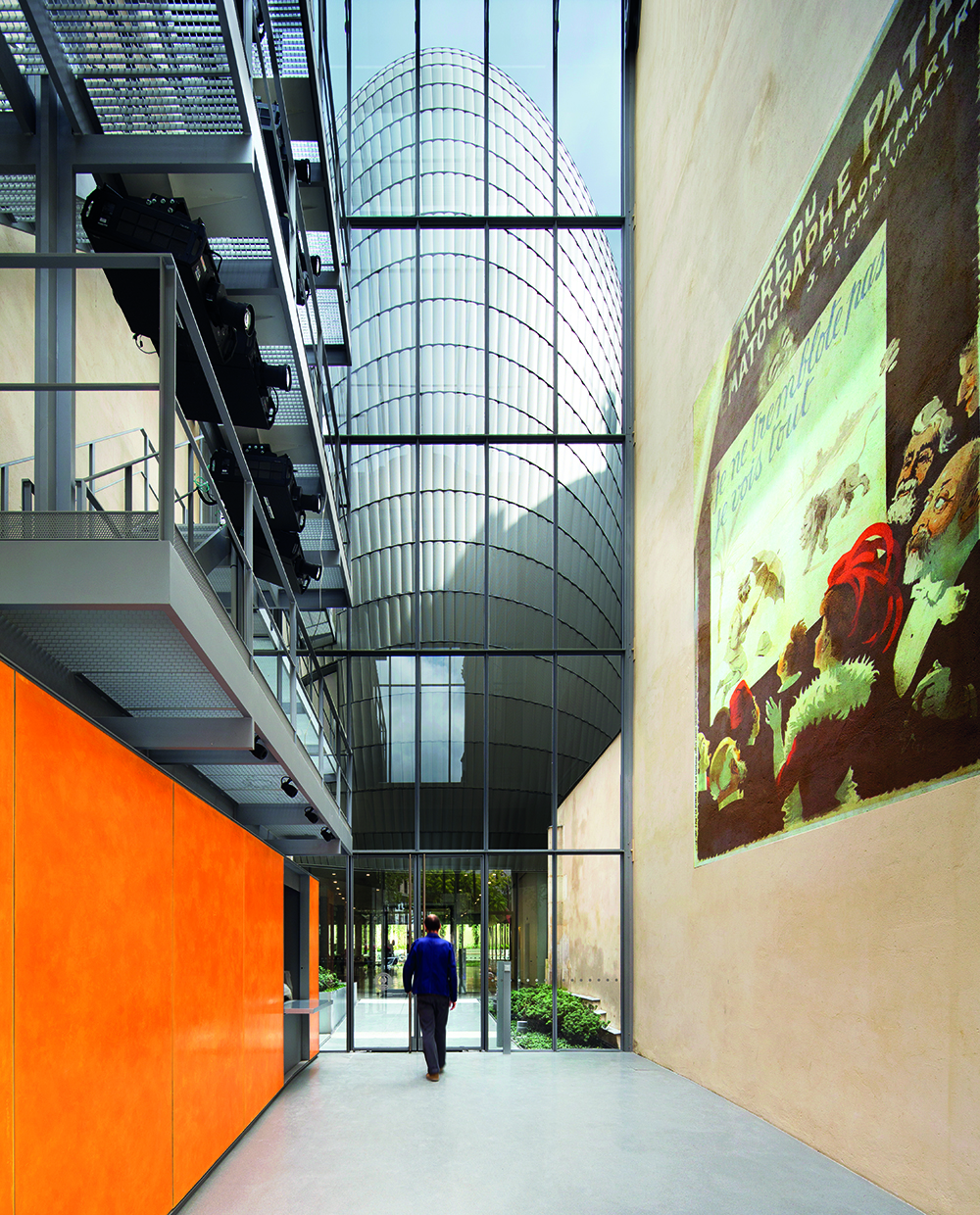
The Jérôme Seydoux-Pathé Foundation, located in central Paris (73 Av. des Gobelins), reflects this type of transformation. The building serves as a tribute to Pathé’s heritage and to the promotion of cinematography. The foundation is named after Jérôme Seydoux, a French businessman linked to Pathé, one of the oldest and most influential film companies in France. The project, developed between 2006 and 2014 by the Renzo Piano Building Workshop (RPBW), intervened in a 19th-century theater that had become one of Paris’ first cinemas and was later altered again in the 1960s. Building on that history of change, RPBW proposed a new transformation that reorganizes the site entirely.
La Fundación Jérôme Seydoux-Pathé, ubicada en el centro de París (73 Av. des Gobelins), refleja este tipo de transformación. El edificio funciona como un homenaje al legado de Pathé y a la promoción de la cinematografía. La fundación lleva el nombre de Jérôme Seydoux, un empresario francés vinculado a Pathé, una de las compañías cinematográficas más antiguas e influyentes de Francia. El proyecto, desarrollado entre 2006 y 2014 por el Renzo Piano Building Workshop (RPBW), intervino en un teatro del siglo XIX que se había convertido en uno de los primeros cines de París y que fue nuevamente modificado en la década de 1960. A partir de esta historia de cambios, RPBW propuso una nueva transformación que reorganiza por completo el sitio.
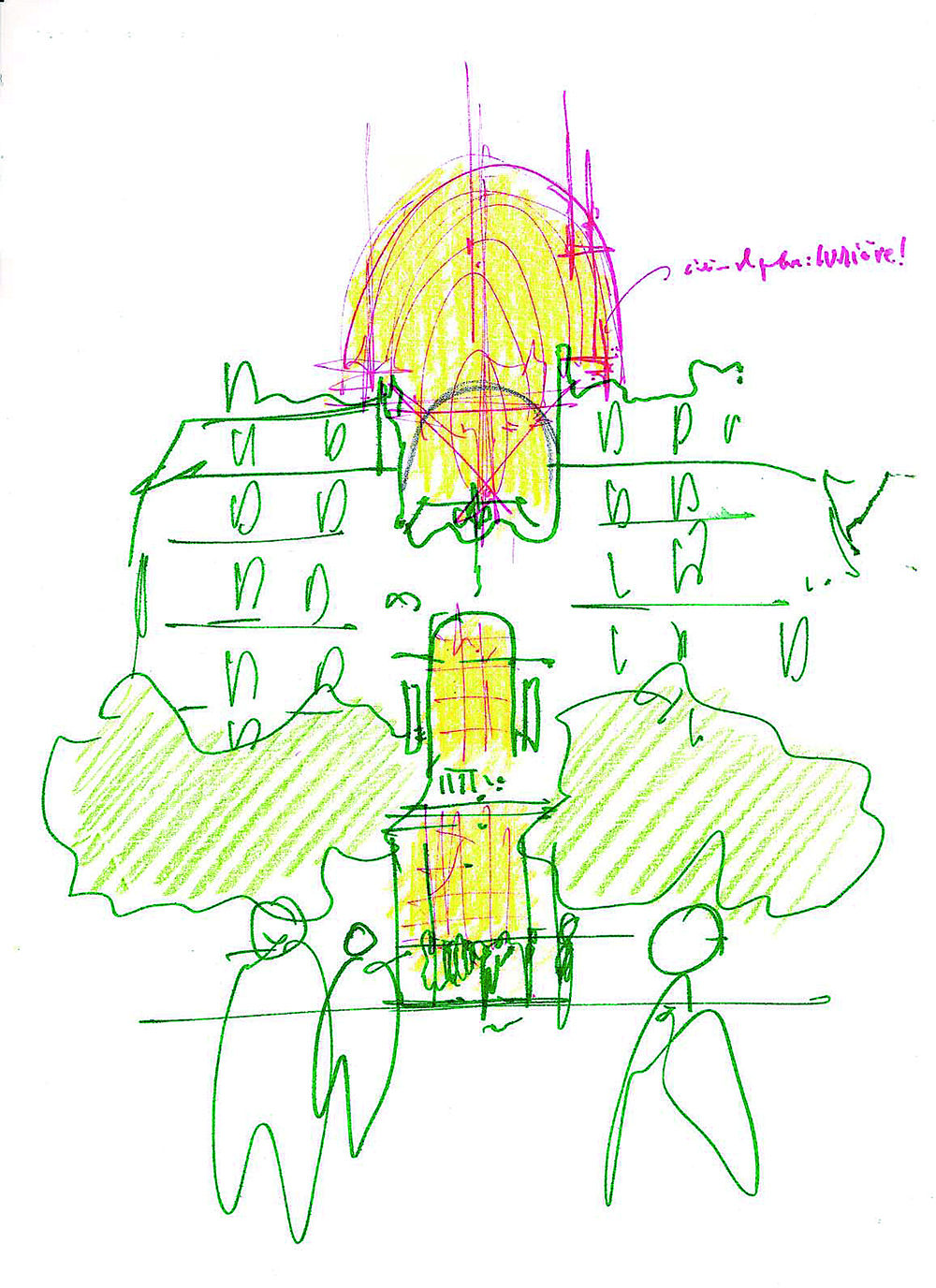
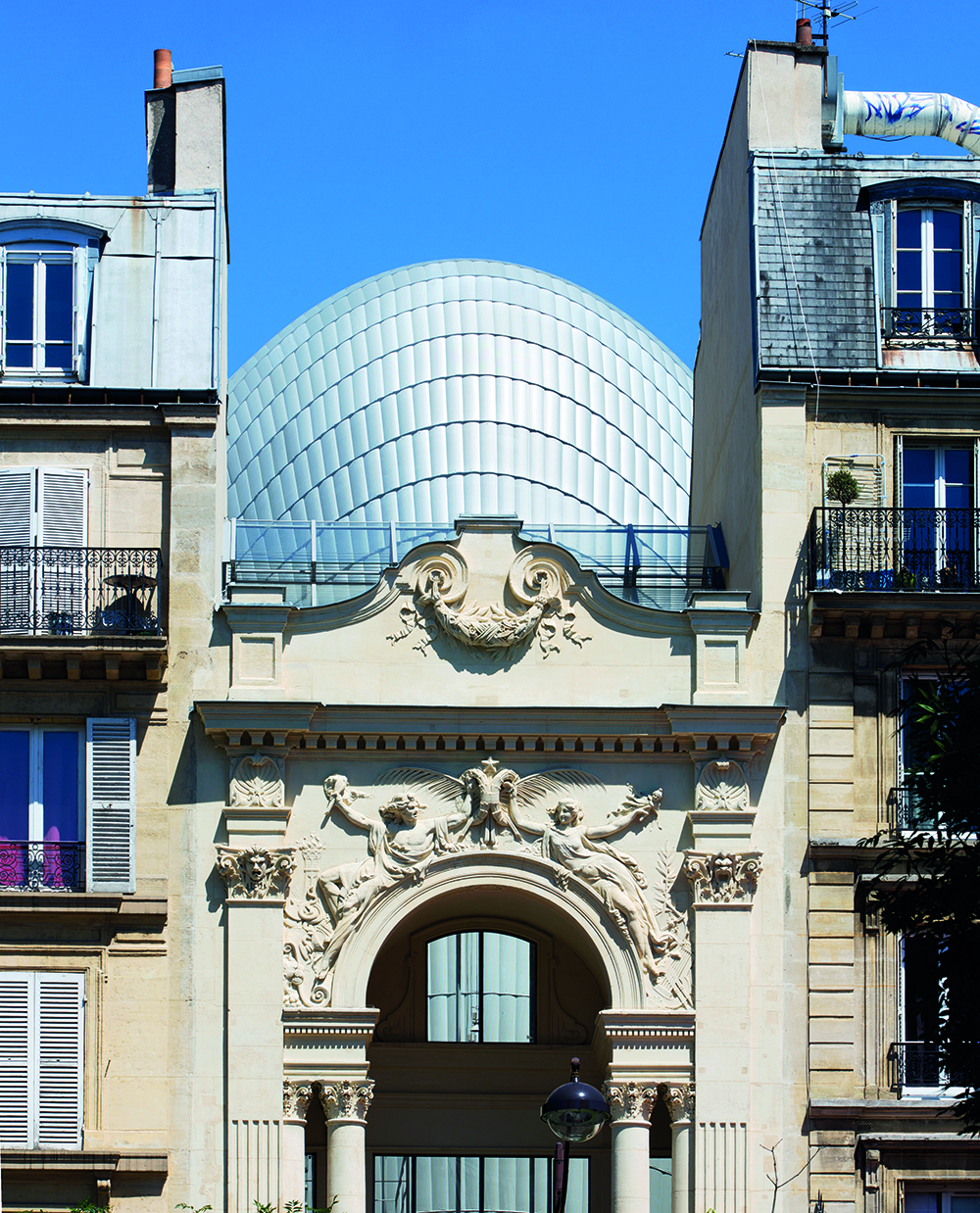
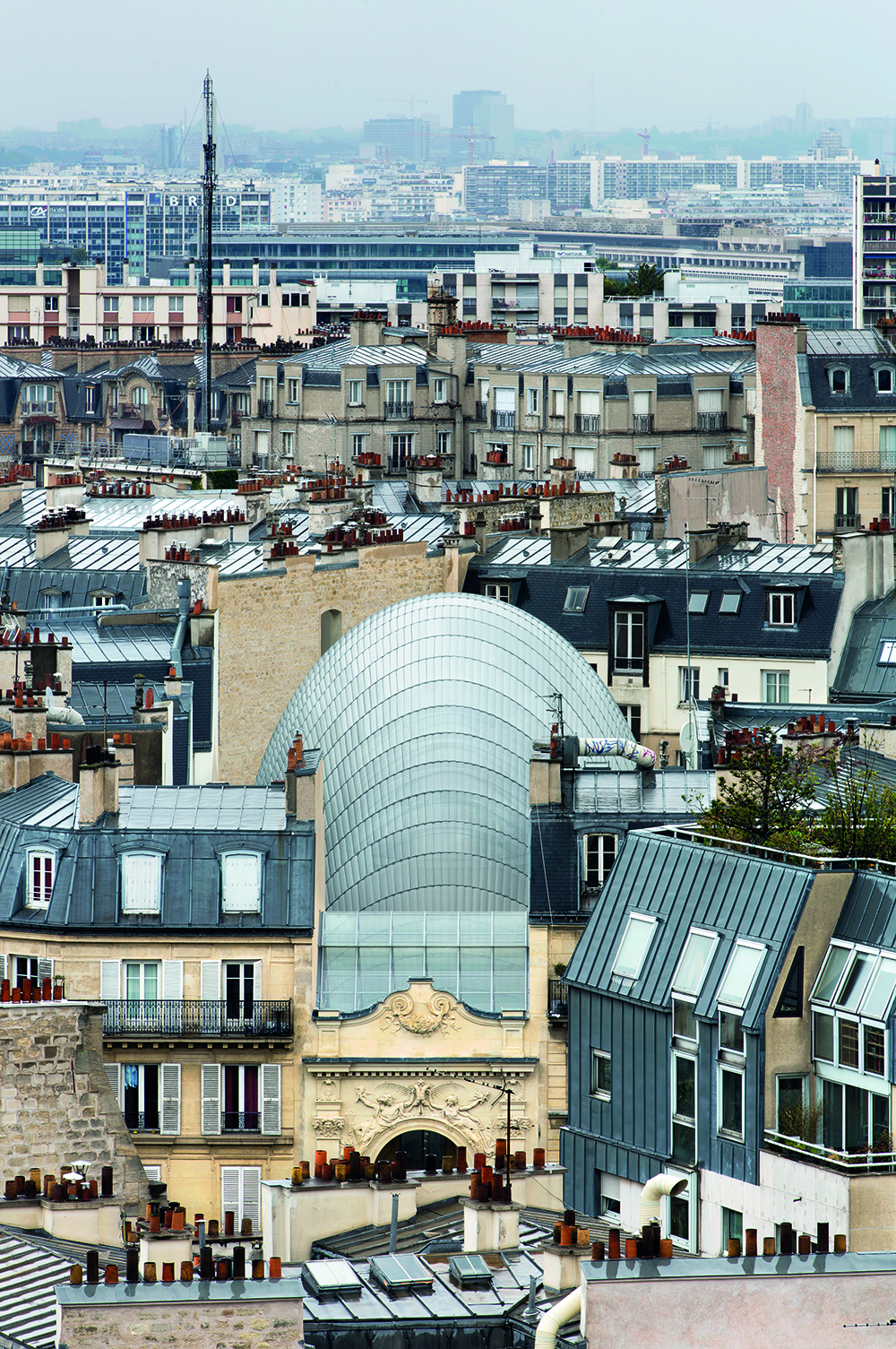
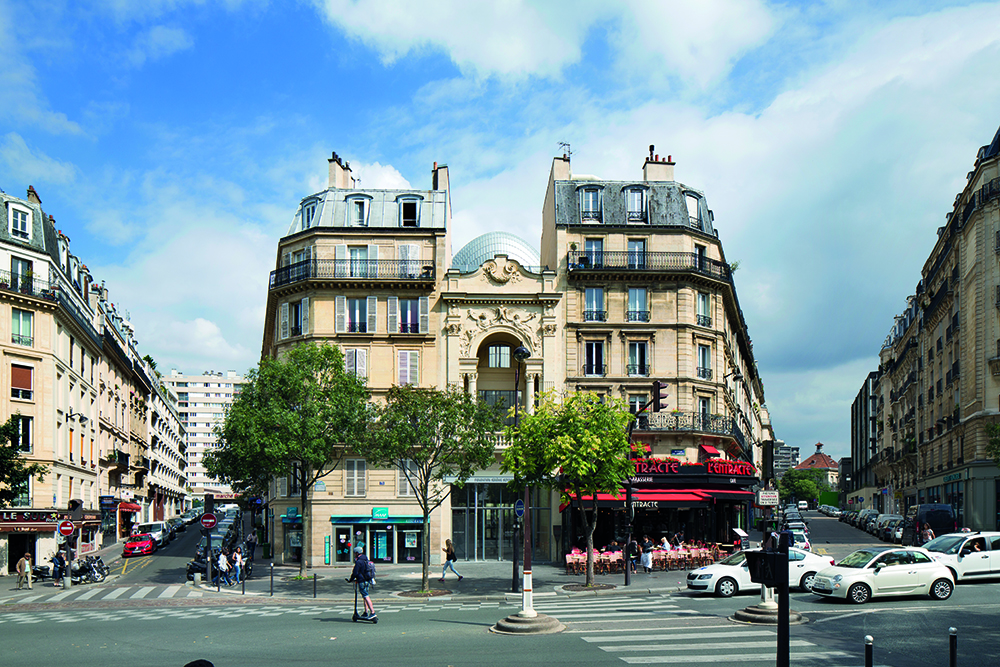
Today, the building houses Pathé’s archives, permanent and temporary exhibition spaces, a 70-seat cinema, and the foundation’s offices. The construction process involved demolishing two existing structures to create an organic form that adapts to the limits of the site, optimizing natural light and ventilation. The façade on avenue des Gobelins was preserved and restored for its historical and artistic value; it is decorated with sculptures by Auguste Rodin. Behind it stands a transparent volume that serves as the public area of the foundation, with an appearance reminiscent of a greenhouse.
Hoy, el edificio alberga los archivos de Pathé, salas de exposición permanentes y temporales, una sala de cine para 70 personas y las oficinas de la fundación. El proceso constructivo implicó la demolición de dos edificaciones existentes para generar una forma orgánica que se adapta a las restricciones del lote, optimizando la iluminación natural y la ventilación. La fachada sobre la avenue des Gobelins se conservó y restauró por su valor histórico y artístico; está decorada con esculturas realizadas Auguste Rodin. Detrás de ella se encuentra un volumen transparente que funciona como zona pública de la fundación, con una apariencia casi de invernadero.
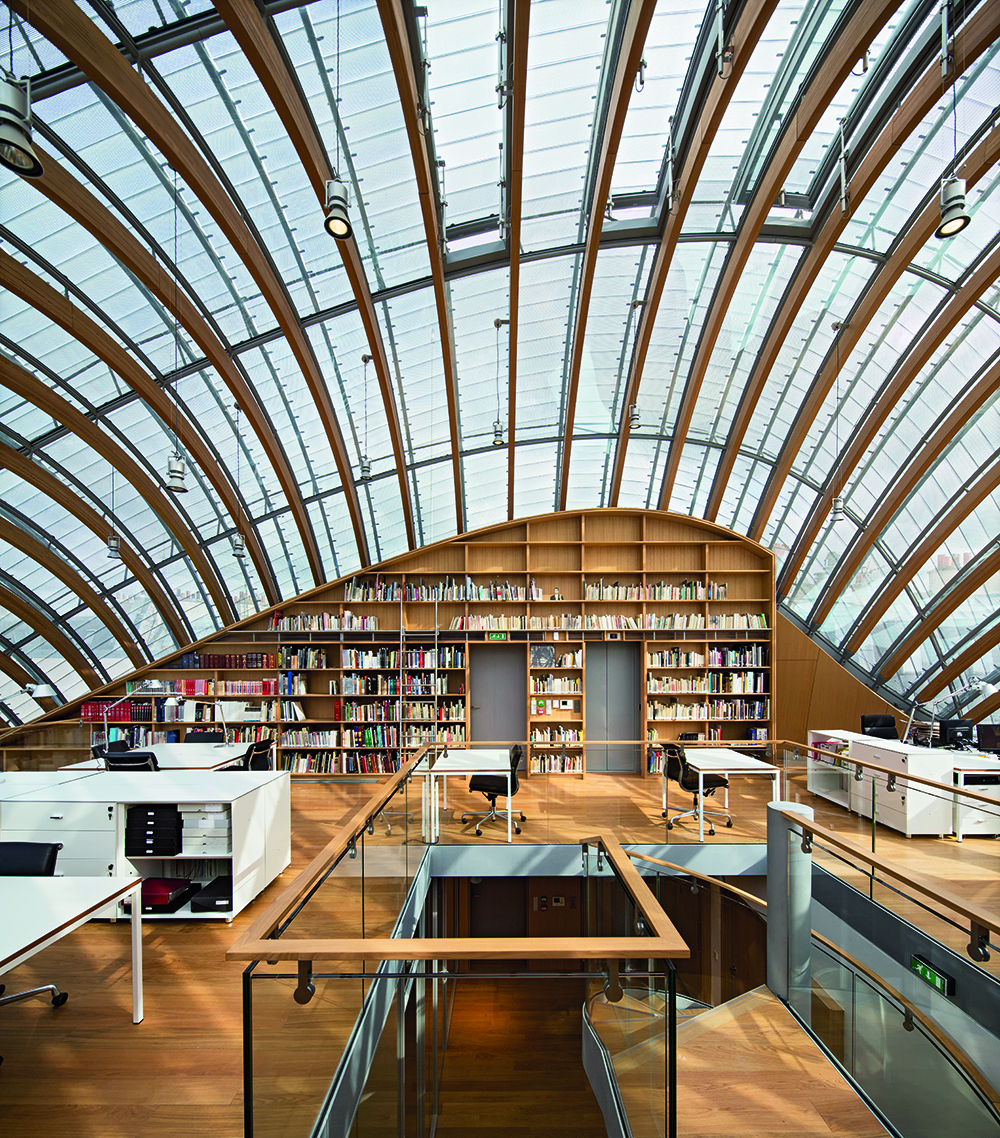
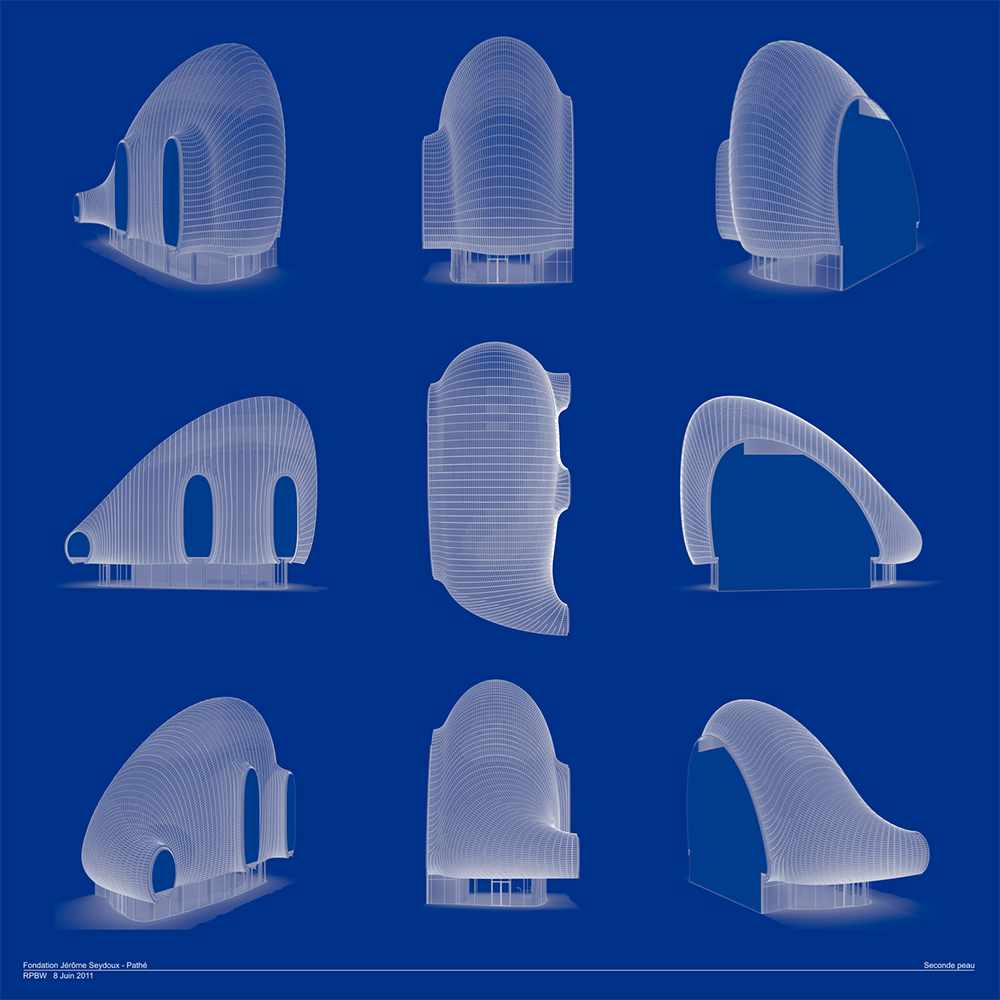
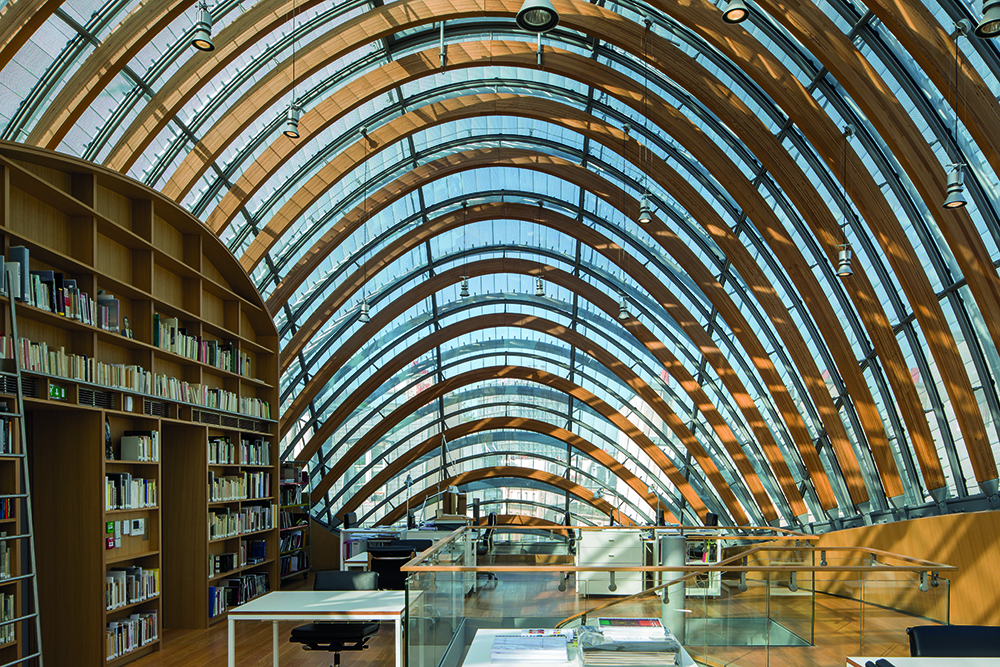
The interior, designed by Leo Berellini Architecte, organizes the administrative areas, exhibition rooms, and archive. The building is structured with a mixed concrete-and-steel system that supports a curved skylight illuminating the interior. On the exterior, a layer of perforated aluminum louvers — arranged in thousands of pieces — regulates natural light and unifies the building’s expression. The use of industrial materials such as aluminum, glass, and concrete creates a contemporary language that coexists with the original façade without overshadowing it.
El interior, diseñado por Leo Berellini Architecte, articula las áreas administrativas, las salas de exposición y el archivo. El edificio se organiza a partir de una estructura mixta de concreto y acero que soporta un lucernario curvado que ilumina el interior. En el exterior, una capa de lamas de aluminio perforado —organizada en miles de piezas— regula la iluminación interior y unifica la expresión del edificio. El uso de materiales industriales como el aluminio, el vidrio y el concreto crea un lenguaje contemporáneo que convive con la fachada original sin borrar su presencia.