
31.10.2025. NYC
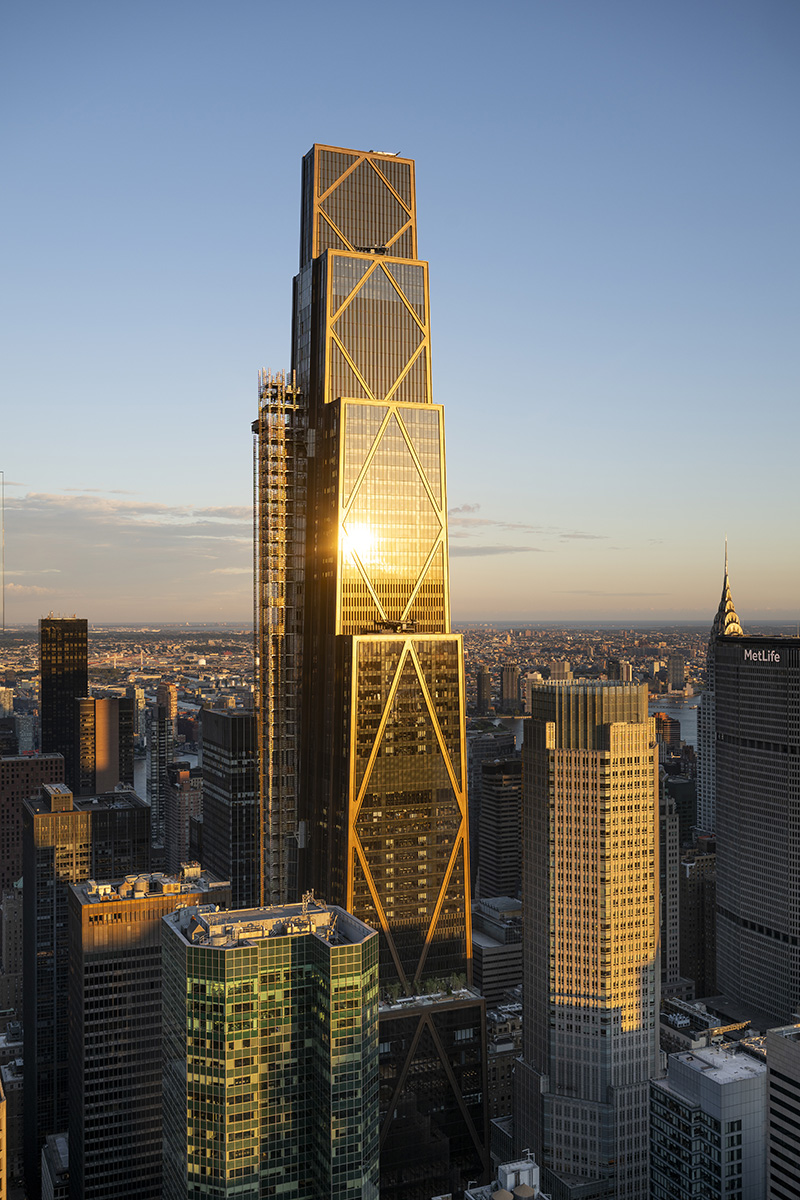
J.P. Morgan Chase’s new building, inaugurated in October 2025 on Park Avenue in New York, goes far beyond architecture or structure—it represents a new way of understanding wellbeing in the workplace. Commissioned in 2018 to Foster + Partners, the project introduces a vision where design, architecture, and sustainability come together to enhance the human experience within the workspace. Every element—from the spatial layout to the choice of materials, ventilation, and amenities—was conceived to promote personal, community, and environmental wellbeing.
El nuevo edificio de J.P. Morgan Chase, inaugurado en octubre de 2025 en Park Avenue, Nueva York, va mucho más allá de una obra arquitectónica o estructural: representa una nueva manera de entender el bienestar en el entorno laboral. Comisionado en 2018 al estudio Foster + Partners, el proyecto introduce una visión en la que el diseño, la arquitectura y la sostenibilidad se integran para mejorar la experiencia humana dentro del espacio de trabajo. La distribución, la elección de materiales, la ventilación y las facilidades fueron pensadas para potenciar el bienestar personal, comunitario y ambiental de quienes lo habitan.
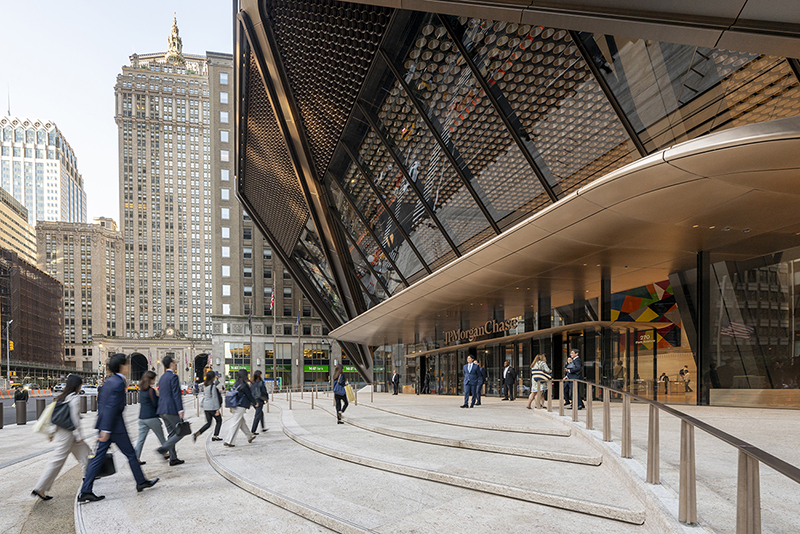
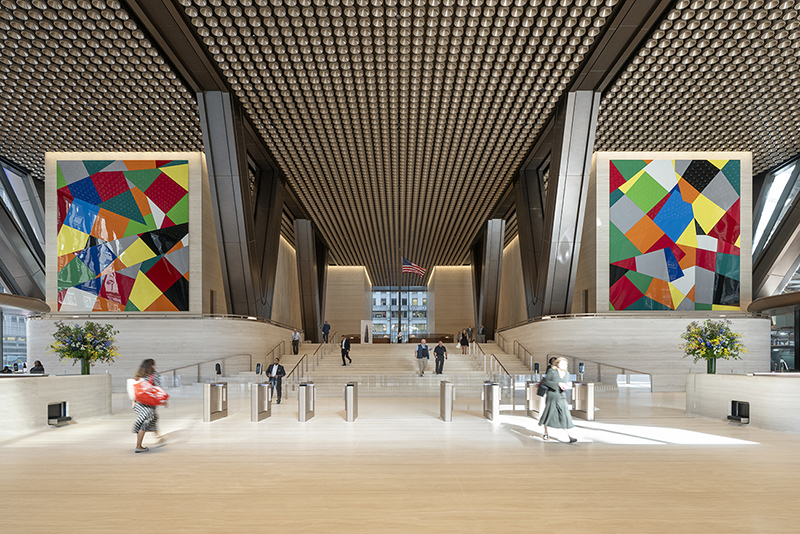
With 60 floors and a height of 423 meters, the building brings together more than 10,000 employees and thousands of daily visitors. Its spaces are divided into eight trading floors, twenty office levels, three executive floors, five for conferencing, four for client services, and two dedicated to special events, along with over 26,000 square meters of common areas and amenities.
Con 60 pisos y una altura de 423 metros, el edificio reúne a más de 10, 000 empleados y miles de visitantes diarios. Sus espacios se dividen entre ocho plantas de trading, veinte de oficinas, tres de dirección ejecutiva, cinco de conferencias, cuatro de atención a clientes y dos dedicadas a eventos especiales, además de más de 26 000 m² de áreas comunes y servicios.
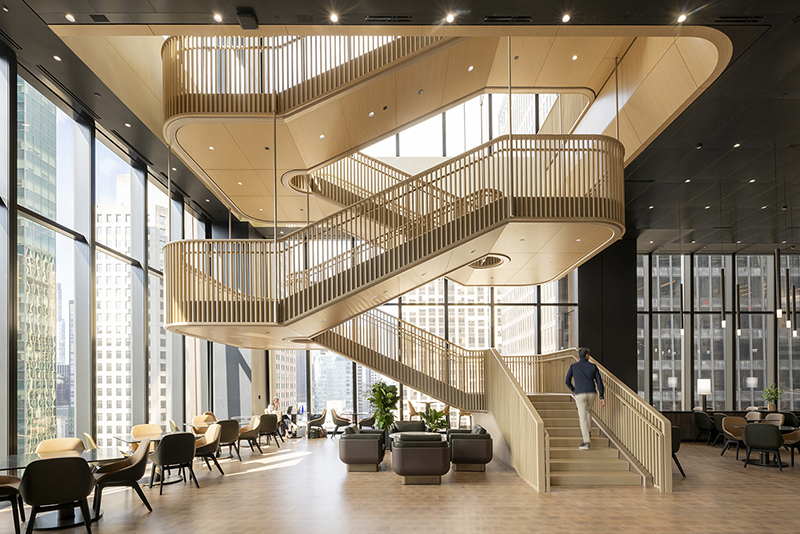
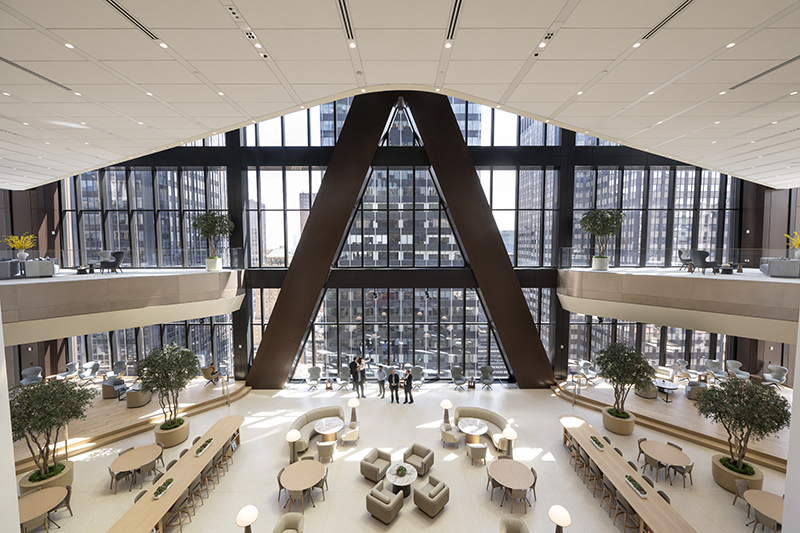
Among its standout features is a comprehensive health and wellness center that includes a gym, yoga and cycling rooms, physical therapy, medical services, mothers’ rooms, and spaces for prayer and meditation. It also includes a curated art program featuring works by Maya Lin, Leo Villareal, Gerhard Richter, Refik Anadol, and Norman Foster himself, reinforcing the idea of building a “city within a city.” Constructed primarily of bronze, glass, travertine, and granite, the tower offers expanded public areas with gardens and open access for all. In terms of sustainability, it is New York’s largest all-electric skyscraper, operating with net-zero emissions. Powered by hydroelectric energy, its structure maximizes natural light and filtered air, setting a new standard for comfort and environmental efficiency.
Entre estas facilidades se destacan un centro integral de salud y bienestar con gimnasio, salas de yoga y ciclismo, fisioterapia, servicios médicos, salas para madres y espacios de oración y meditación. Además, incluye un programa curatorial de arte con obras de Maya Lin, Leo Villareal, Gerhard Richter, Refik Anadol y el propio Norman Foster, que refuerzan la idea de construir una “ciudad dentro de la ciudad”. Construido principalmente en bronce, vidrio, travertino y granito, el edificio ofrece un área pública ampliada, incorporando jardines y accesos abiertos para todos. En cuanto a la sostenibilidad, es el rascacielos totalmente eléctrico más grande de Nueva York, con emisiones operativas netas cero. Funciona con energía hidroeléctrica, y su estructura maximiza la luz natural y el aire filtrado, estableciendo un nuevo estándar de confort y eficiencia ambiental.
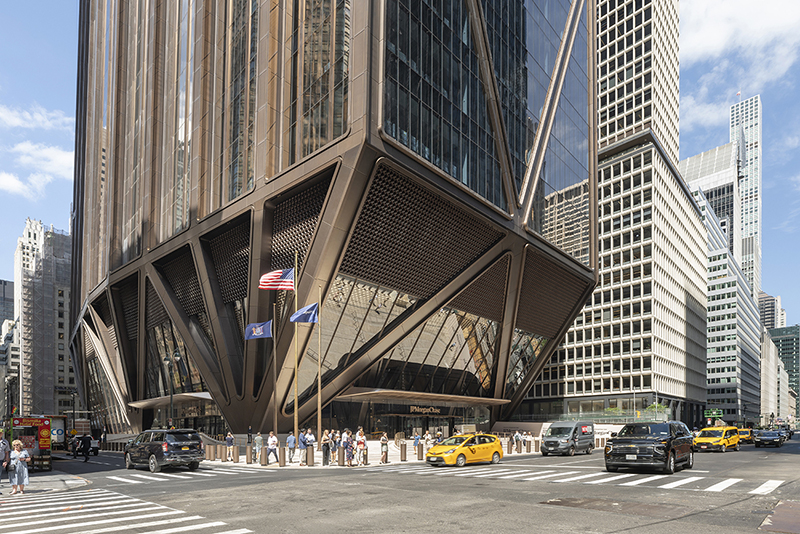
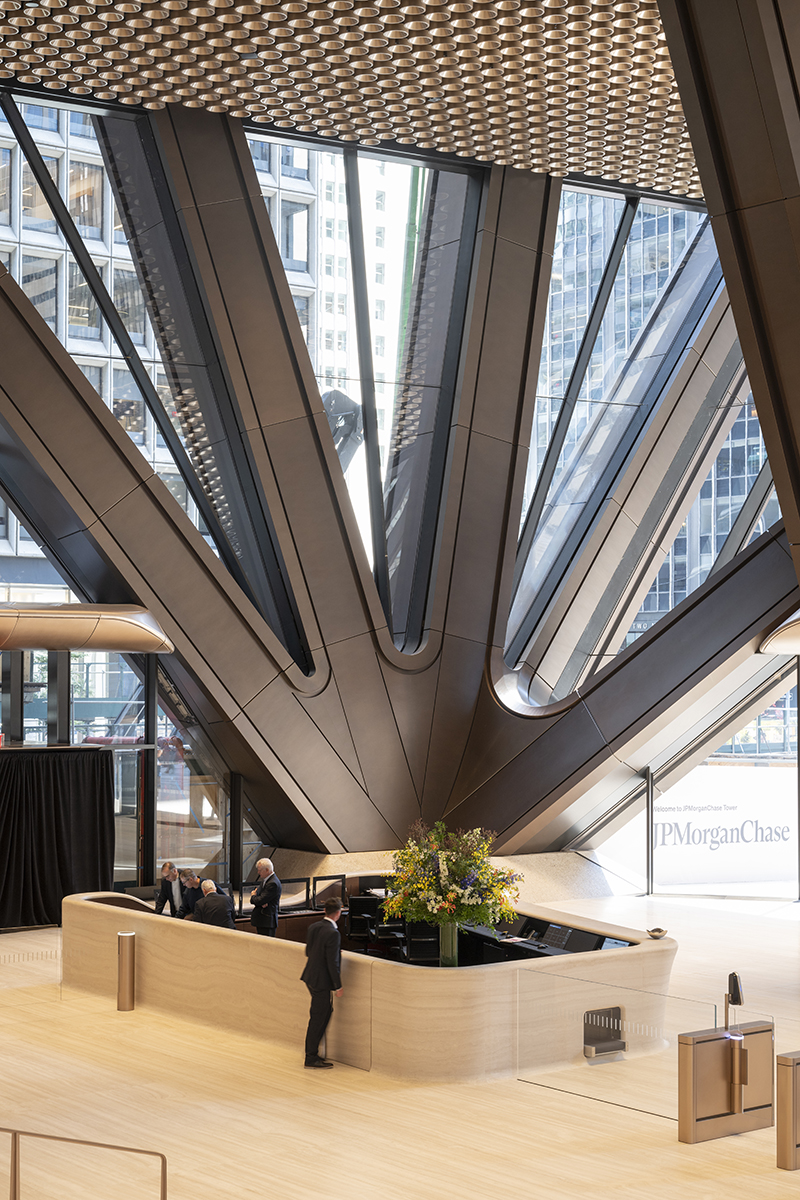
“This new all electric tower is hydro powered to minimize its carbon footprint. The unique cantilevered structure, clad in bronze, delivers two and a half times the amount of public space at the base, including a garden, than its predecessor. The unparalleled range of venues and leisure activities, coupled with tall spaces with generous natural light and high levels of fresh filtered air – twice that of building codes – combine to set new standards of wellbeing. It is the workplace of the future designed for today.”
— Norman Foster | Founder and Executive Chairman, Foster + Partners
“Esta nueva torre totalmente eléctrica, impulsada por energía hidroeléctrica, minimiza su huella de carbono. Su estructura única en voladizo, revestida en bronce, ofrece dos veces y media más espacio público en la base, incluido un jardín, que su predecesora. La variedad incomparable de espacios y actividades, junto con áreas amplias bañadas por luz natural y altos niveles de aire fresco filtrado —el doble de lo exigido por los códigos de construcción—, se combinan para establecer nuevos estándares de bienestar. Es el lugar de trabajo del futuro, diseñado para el presente”.
— Norman Foster | Fundador y Presidente Ejecutivo, Foster + Partners
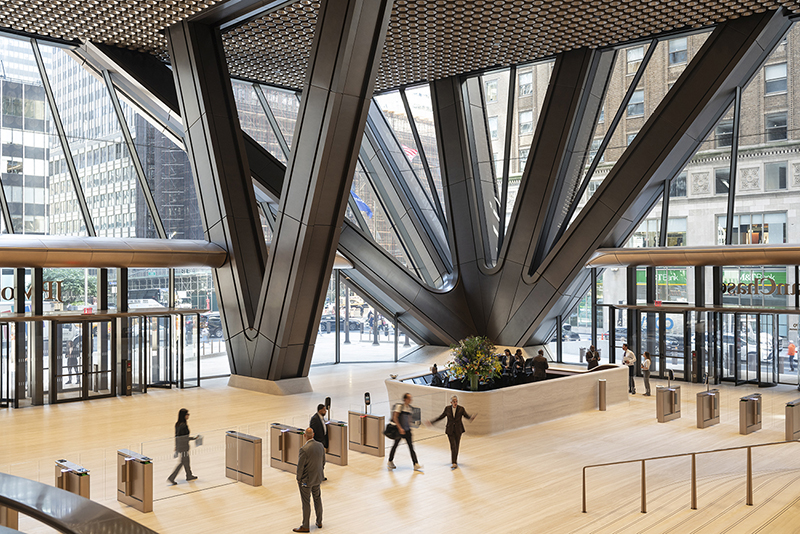
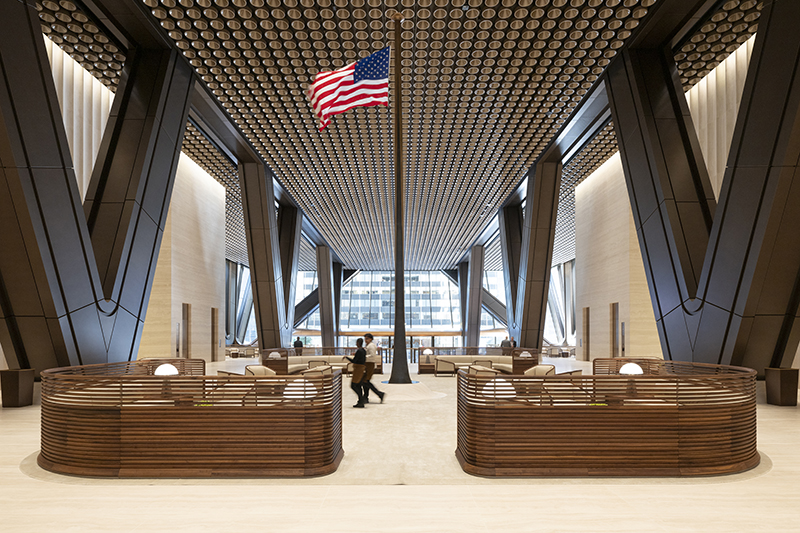
Beyond its scale and technology, the project invites reflection on the role architecture can play in everyday life. In a context where work and mental health increasingly intersect, this new headquarters proposes a model where productivity is understood through wellbeing. Foster + Partners approach this space from the human experience, not merely the corporate one.
Más allá de su escala y tecnología, el proyecto propone una reflexión sobre el rol que la arquitectura puede desempeñar en la vida cotidiana. En un contexto donde el trabajo y la salud mental se unen, esta nueva sede plantea un modelo en el que la productividad se entiende a través del bienestar. Foster + Partners piensa este espacio desde la experiencia humana, no solo la corporativa.