
14.10.2025. NYC
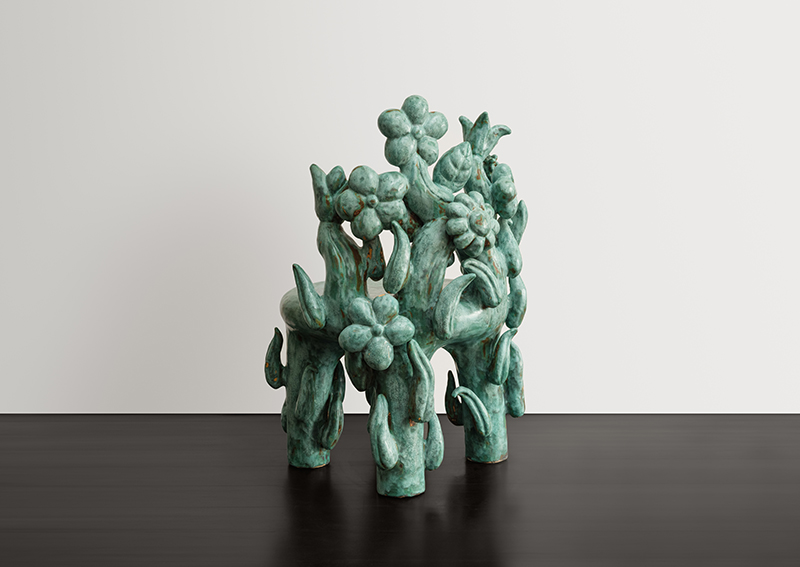
Art Nouveau emerged in the late 19th century as a movement that sought to break free from traditional artistic conventions and create a new, modern visual language. Deeply inspired by nature, it celebrated the unity of art and life through organic lines that intertwined beauty, craftsmanship, and functionality. This sensibility serves as the main inspiration for artist and designer Chris Wolston in his latest solo exhibition, Gilding the Lily, presented at The Future Perfect in New York. Returning to an unusual place — where rigid materials meet fluid form — Wolston challenges the boundaries between the static and the alive. His work evokes movement within stillness, exploring how seemingly inflexible materials can express softness and vitality.
El Art Nouveau surgió a finales del siglo XIX como un movimiento que buscaba liberarse de las convenciones artísticas tradicionales y crear un nuevo lenguaje visual moderno. Profundamente inspirado en la naturaleza, celebraba la unión entre arte y vida a través de líneas orgánicas que entrelazaban belleza, artesanía y funcionalidad. Esta sensibilidad es la principal inspiración del artista y diseñador Chris Wolston en su más reciente exposición individual, Gilding the Lily, presentada en The Future Perfect en Nueva York. Wolston regresa a un territorio poco común —donde los materiales rígidos se encuentran con la forma fluida— para desafiar los límites entre lo estático y lo vivo. Su trabajo evoca el movimiento dentro de la quietud, explorando cómo materiales aparentemente inflexibles pueden expresar suavidad y vitalidad.
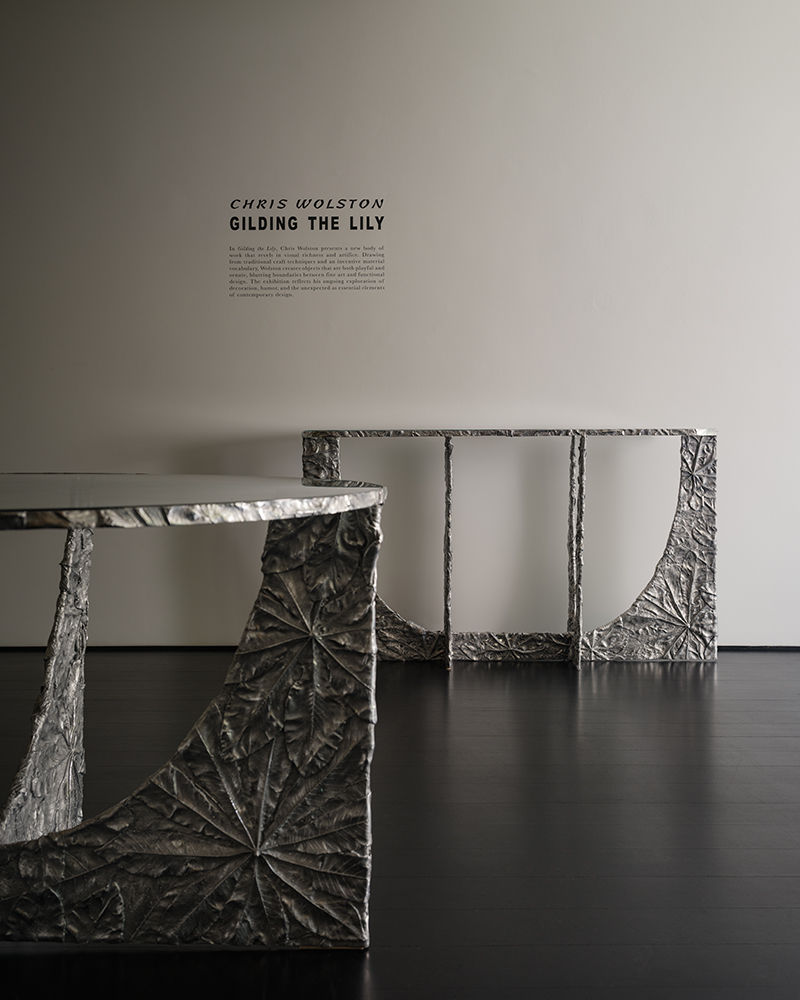
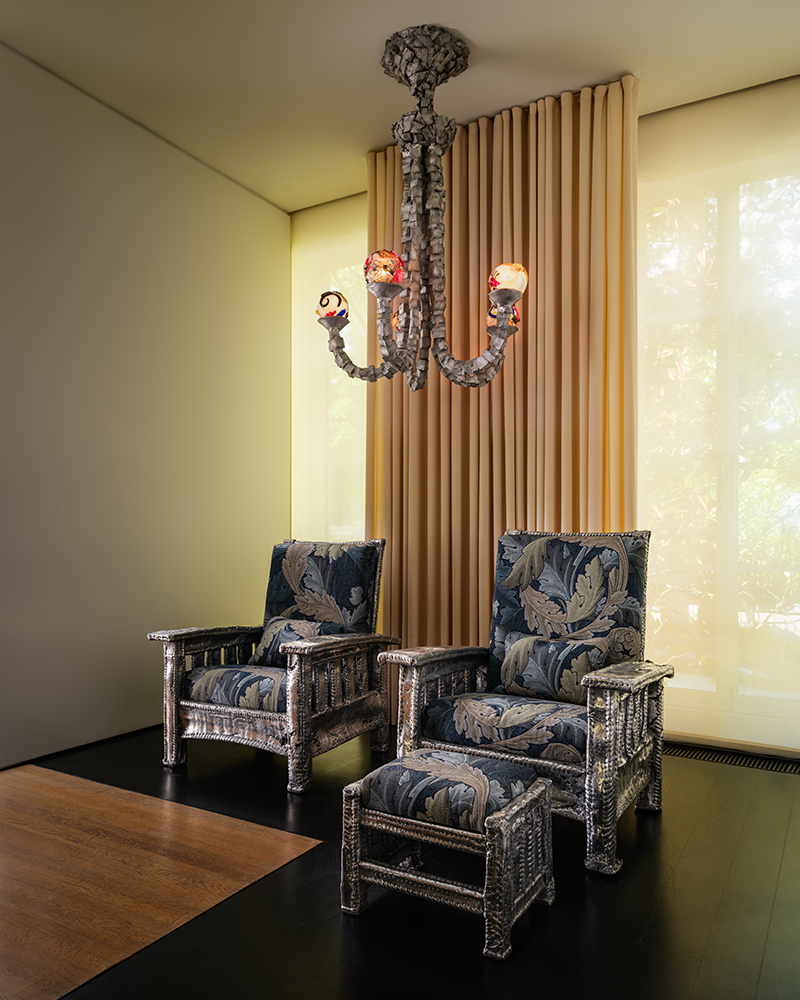
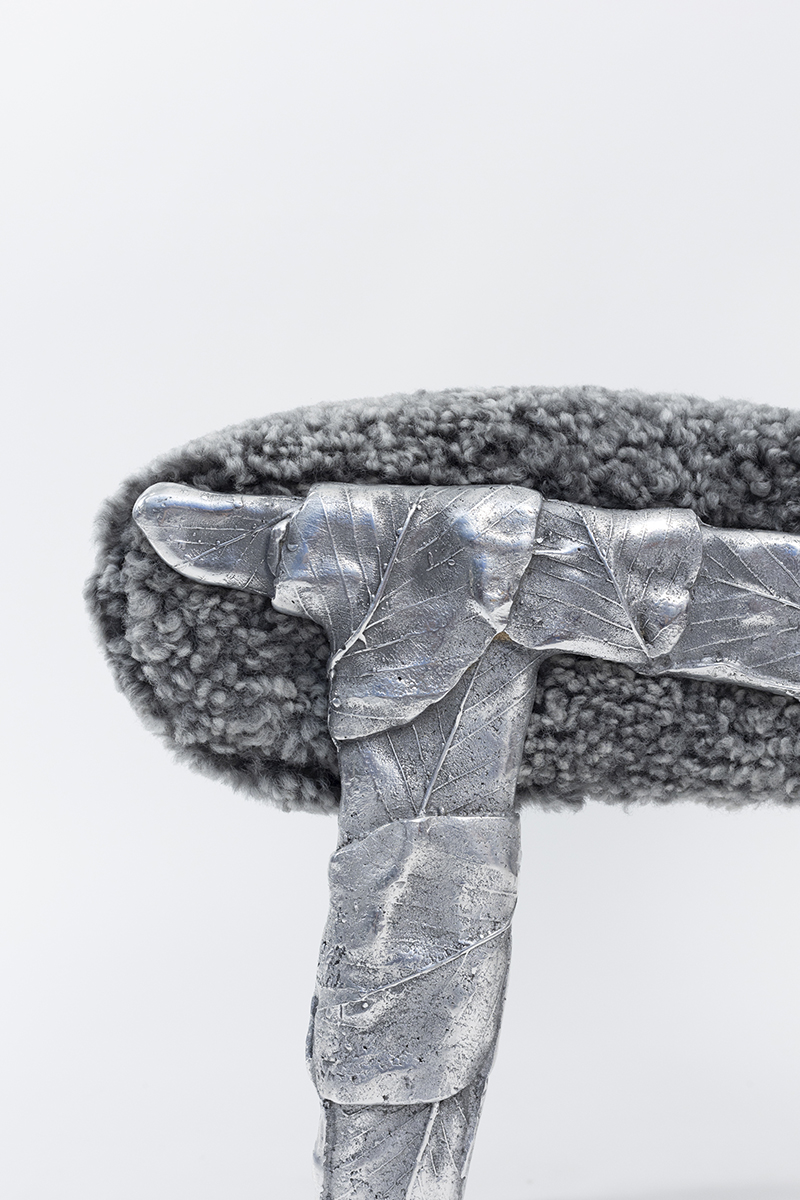
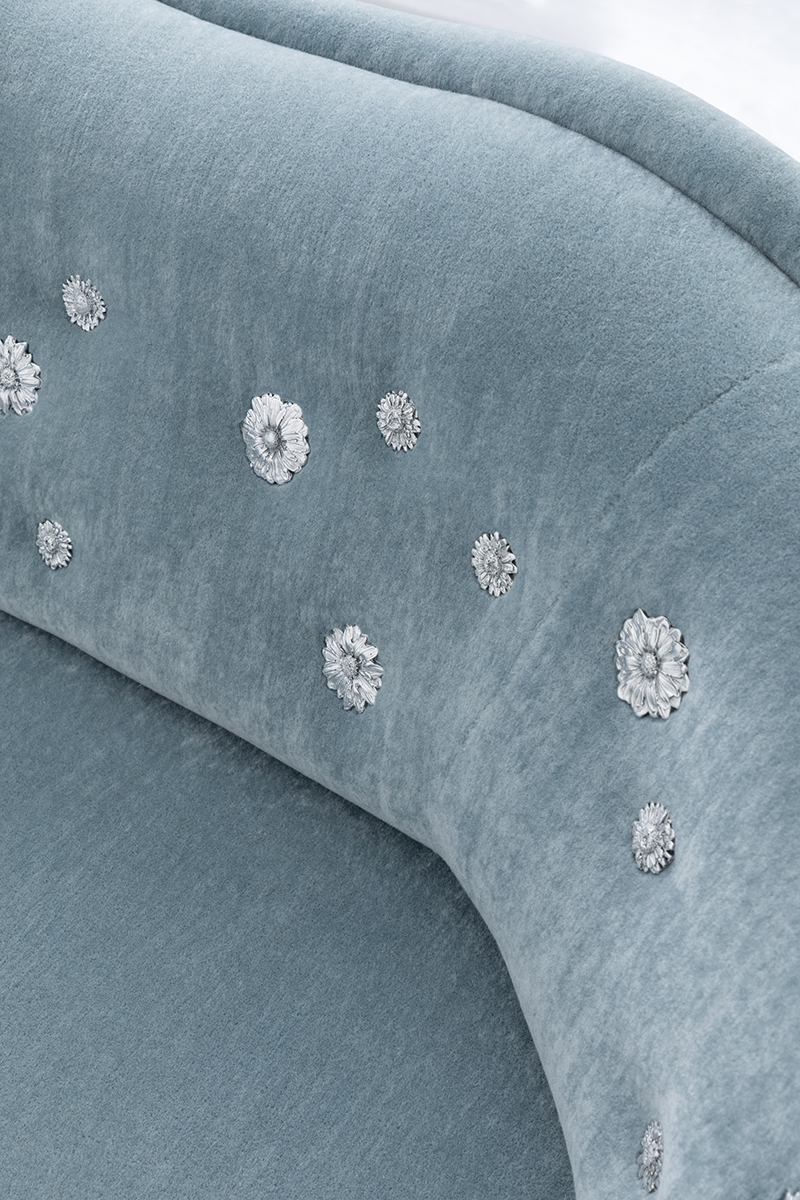
“I want to be a wavy line,” Chris Wolston says. “I want my work to be a wavy line, because it can’t be. Not really. I make things out of bronze and ceramic and every other stubborn material that requires a brute physicality to render and shape. My practice involves granting my materials a kind of aspiration. I want them to desire a different state of being. To stretch their boundaries as though they were in drag. Casting flowers in bronze and painting with patina.”
“Quiero ser una línea ondulada”, dice Chris Wolston. “Quiero que mi trabajo sea una línea ondulada, porque no puede serlo. No realmente. Hago cosas en bronce y cerámica y en todos esos materiales tercos que requieren una fisicalidad brutal para ser moldeados. Mi práctica consiste en otorgarles una especie de aspiración. Quiero que deseen otro estado del ser. Que estiren sus límites como si estuvieran en drag. Fundiendo flores en bronce y pintando con pátina”.
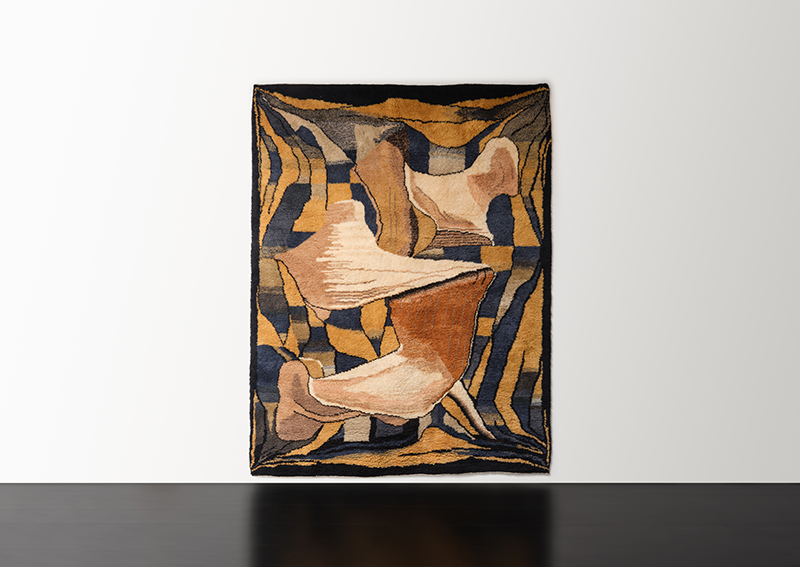
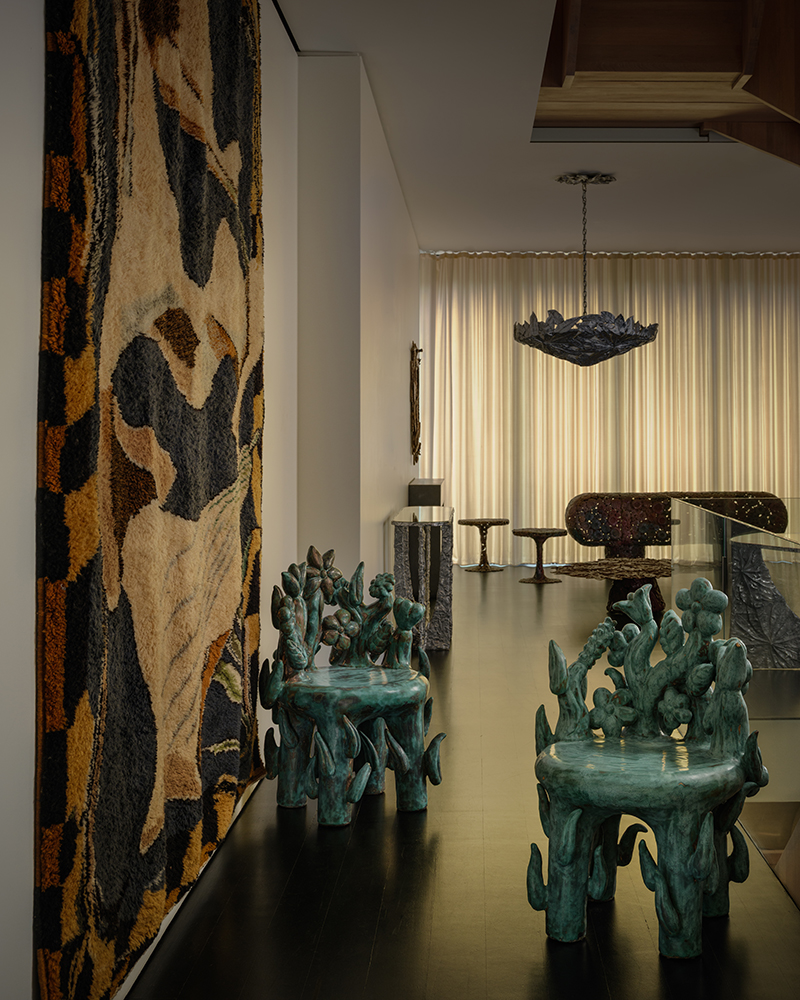
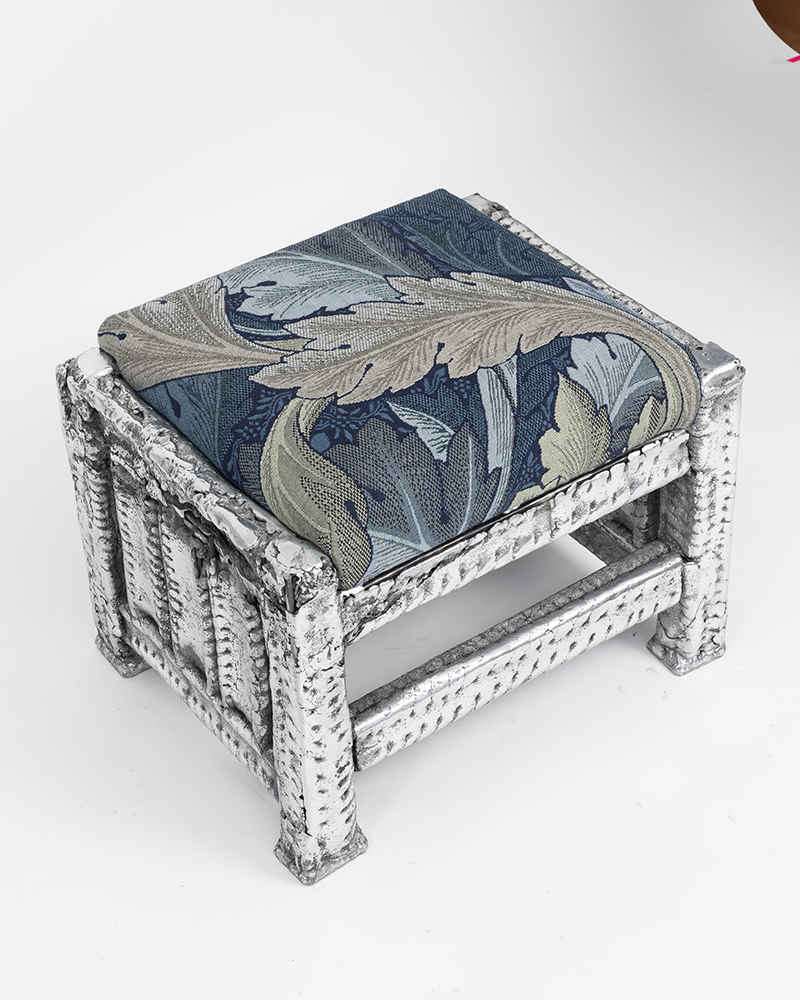
Through this dialogue between materiality and concept, Wolston reclaims ornamentation, symbolism, and exaggeration as central forces in his practice. By pushing materials such as bronze, aluminum, ceramic, and wool to their expressive limits, he invites them to acquire new meanings — to question their own essence. Gilding the Lily asks: How can the historical speak to contemporary art and design? How can we bring the questions and statements of the past into the present, granting them renewed significance?
A través de este diálogo entre materialidad y concepto, Wolston recupera el adorno, el simbolismo y la exageración como fuerzas centrales en su práctica. Al llevar materiales como el bronce, el aluminio, la cerámica y la lana a sus límites expresivos, los invita a adquirir nuevos significados y a cuestionar su propia esencia. Gilding the Lily plantea finalmente una pregunta: ¿Cómo puede lo histórico dialogar con el arte y el diseño contemporáneo? ¿Cómo podemos traer al presente los cuestionamientos y declaraciones del pasado, otorgándoles un nuevo sentido?
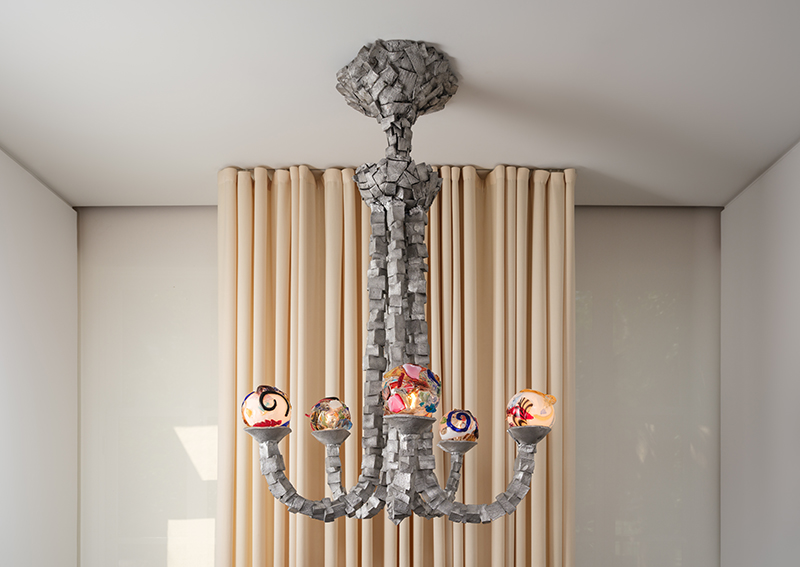
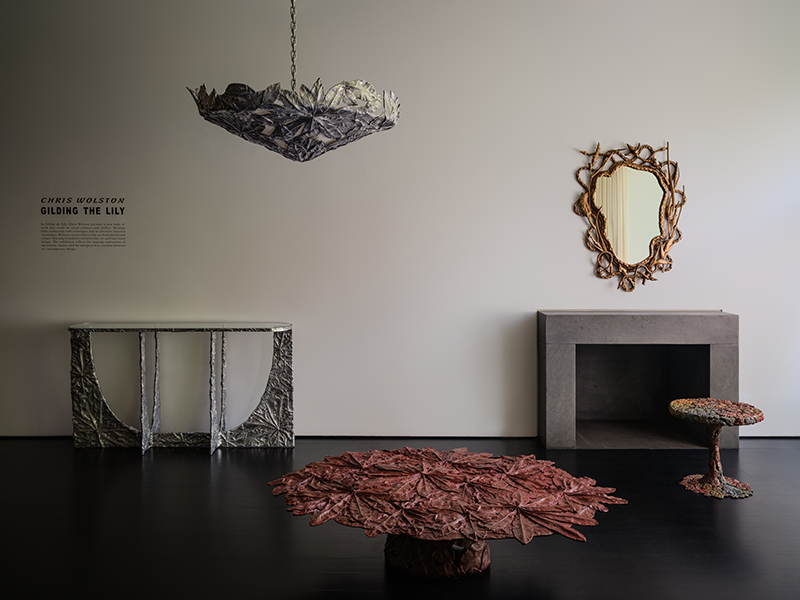
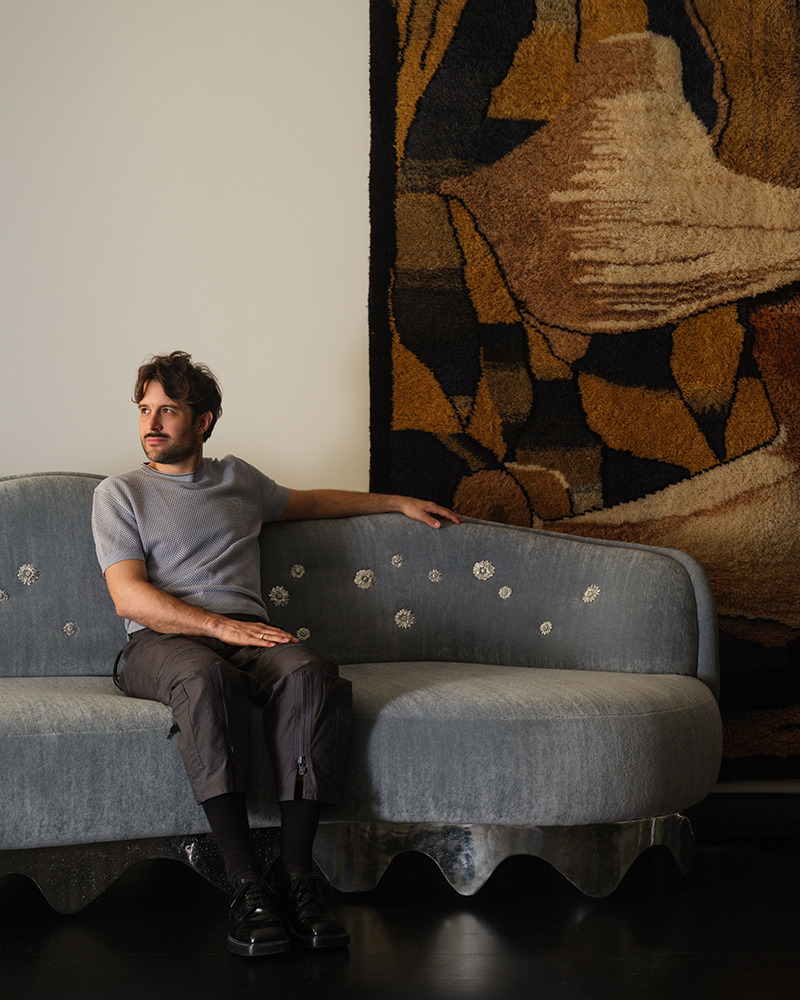
Founded in 2003 by David Alhadeff, The Future Perfect has become one of the most influential design galleries in the world, celebrated for championing artists who blur the boundaries between art, design, and craft. Among them is Chris Wolston, an American artist and designer based between New York and Medellín, whose practice explores the fluid relationship between history, material, and form. His exhibition Gliding the Lily opened on September 2 and will be on view until October 22, 2025.
Fundada en 2003 por David Alhadeff, The Future Perfect se ha consolidado como una de las galerías de diseño más influyentes del mundo, reconocida por impulsar artistas que desdibujan los límites entre arte, diseño y artesanía. Entre ellos se encuentra Chris Wolston, artista y diseñador estadounidense que vive y trabaja entre Nueva York y Medellín, cuya práctica explora la relación fluida entre historia, material y forma. Su exposición Gliding the Lily abrió el 2 de septiembre y estará en exhibición hasta el 22 de octubre de 2025.