
06.10.2025. Bogotá
El arquitecto bogotano Sebastián Serna explora los límites de los barrios y las periferias que rodean los centros consolidados de la ciudad: lugares donde la posibilidad de transformación aún es mayor. Su práctica se desarrolla en diálogo con lo existente, buscando rescatar los valores olvidados de la ciudad, la historia y la preexistencia.
Bogotá-based architect Sebastián Serna explores the boundaries of neighborhoods and the peripheries surrounding the city’s consolidated centers—places where the potential for transformation remains greatest. His practice unfolds in dialogue with the existing, seeking to recover the forgotten values of the city, its history, and its preexistence.
En el barrio Santa Teresita, a la periferia de Teusaquillo y en cercanía con La Soledad y Palermo, Serna ha llevado a cabo una serie de proyectos que replantean el uso y el significado de las casas tradicionales. A través de tres ejercicios distintos en un mismo contexto urbano, su trabajo se ha convertido en una investigación continua sobre cómo intervenir sin borrar el pasado ni negar el presente.
In the Santa Teresita neighborhood, on the outskirts of Teusaquillo and close to La Soledad and Palermo, Serna has carried out a series of projects that rethink the use and meaning of traditional houses. Through three distinct exercises within the same urban context, his work has become an ongoing investigation into how to intervene without erasing the past or denying the present.
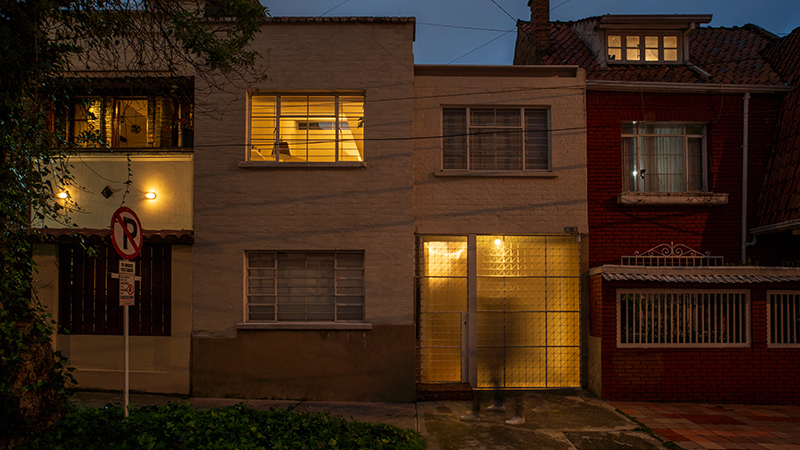
Su propuesta se teje a partir de una relación estrecha con el barrio —ya sea desde la materialidad, la estética visual o la proximidad física— con referentes icónicos como el río Arzobispo, el Gaitán y la iglesia de Santa Teresita.
His proposal is woven through a close relationship with the neighborhood —whether through materiality, visual aesthetics, or physical proximity— with iconic references such as the Arzobispo River, the Gaitán, and the Santa Teresita Church.
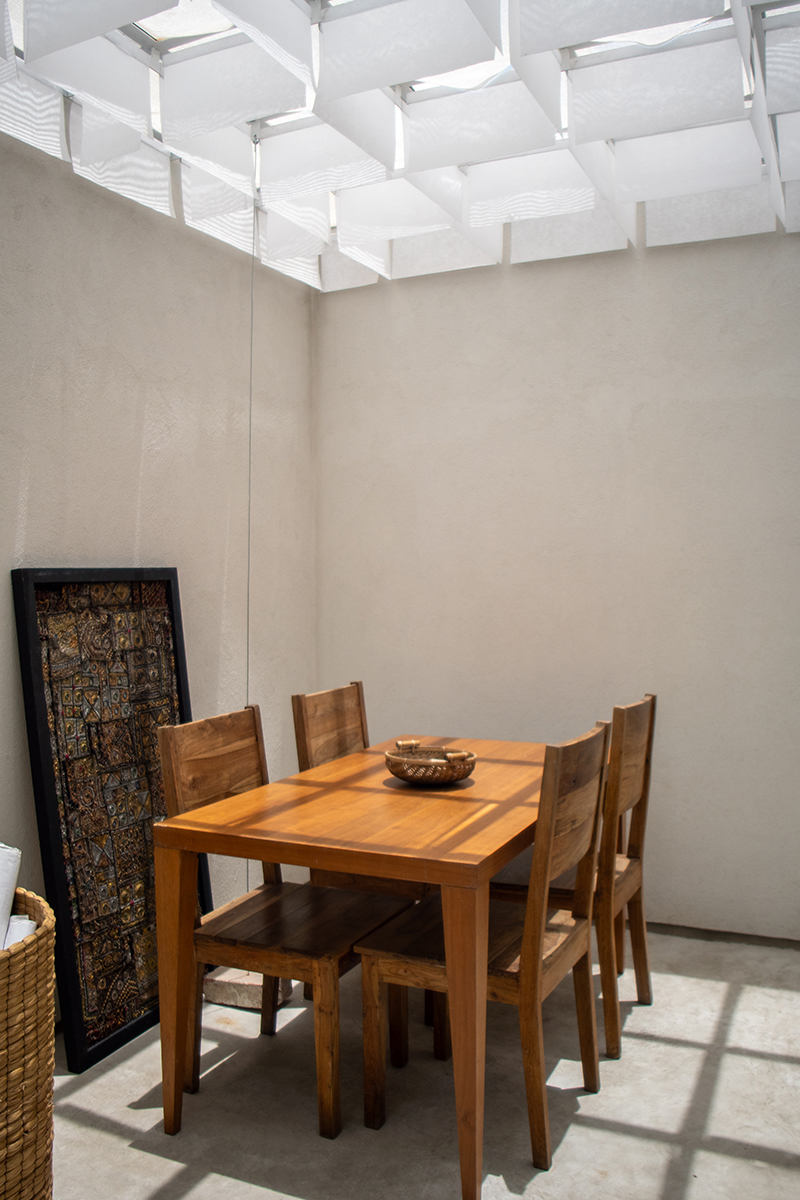
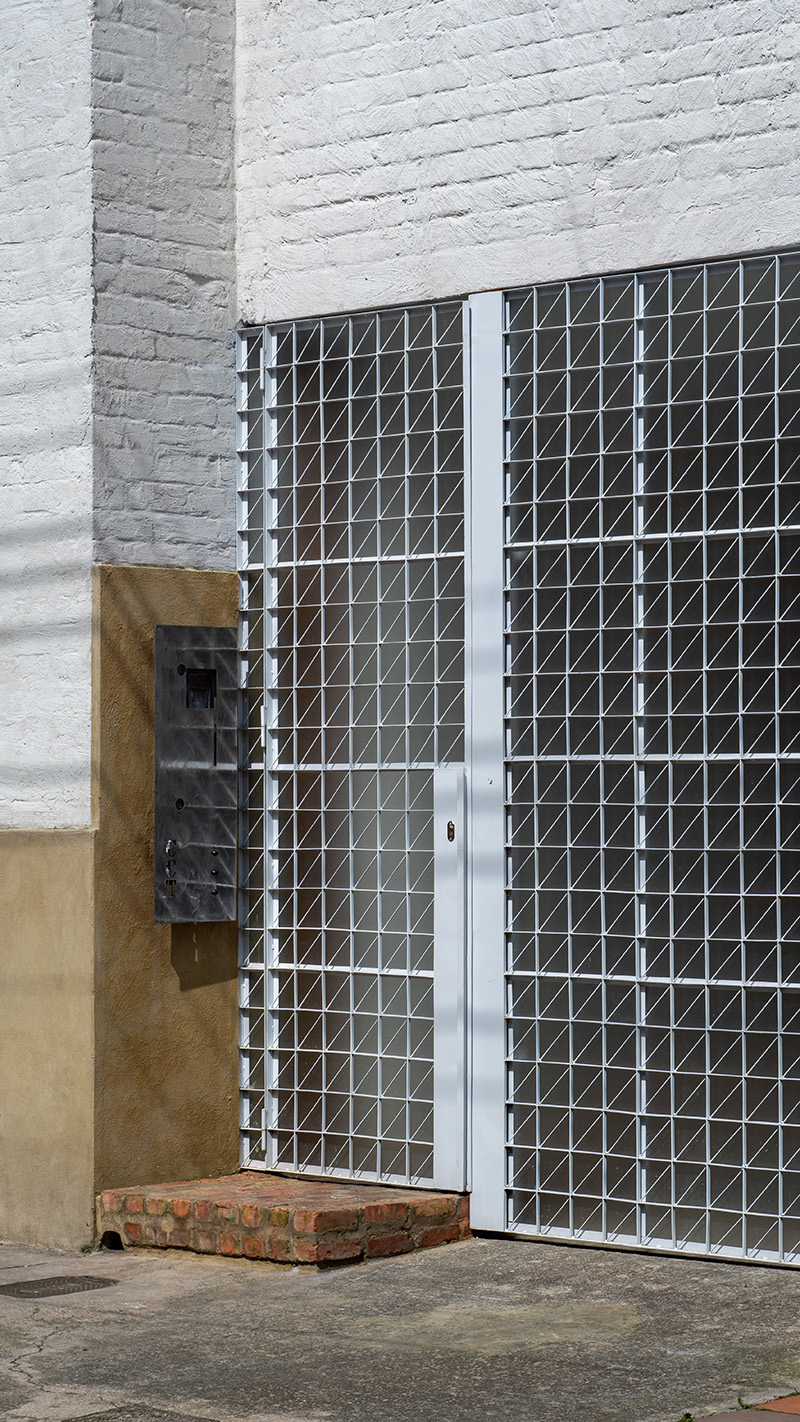
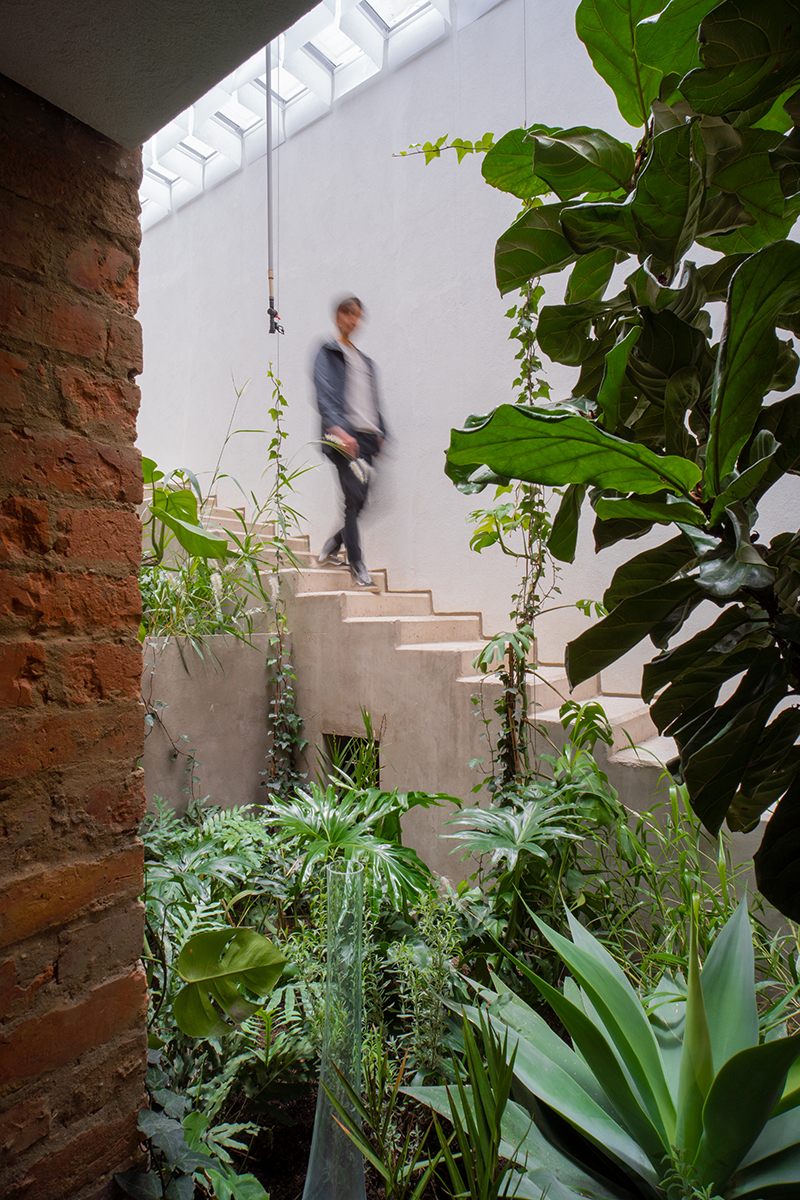
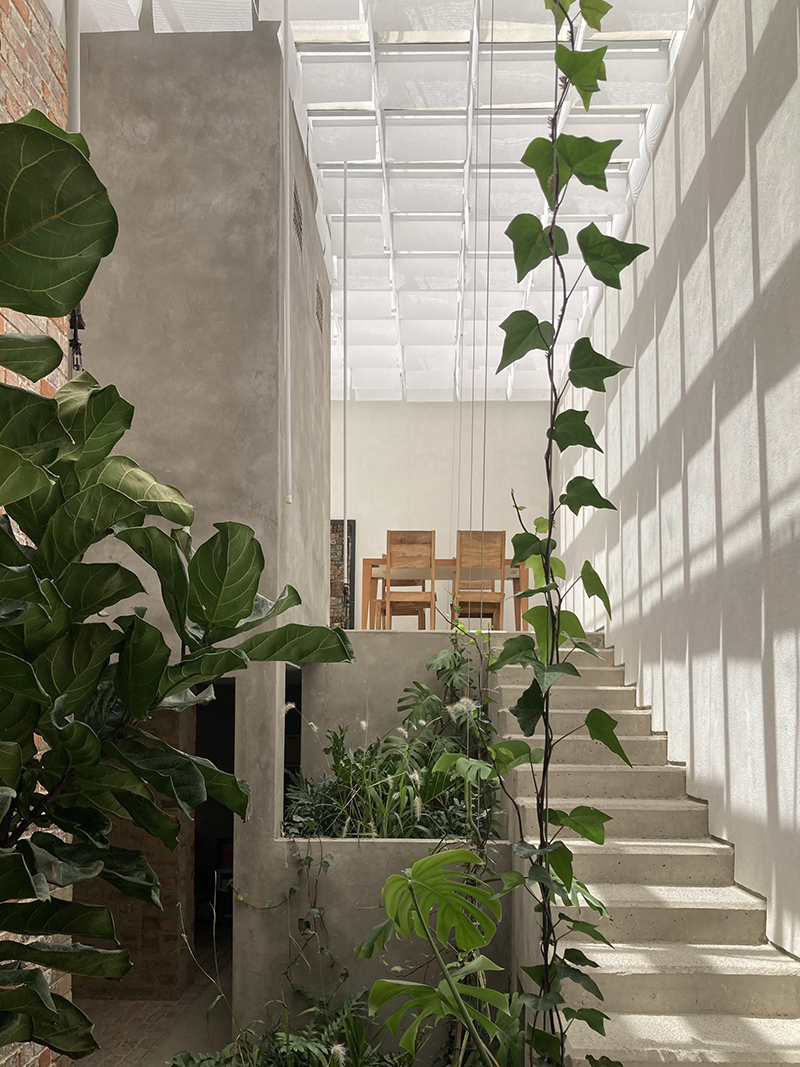
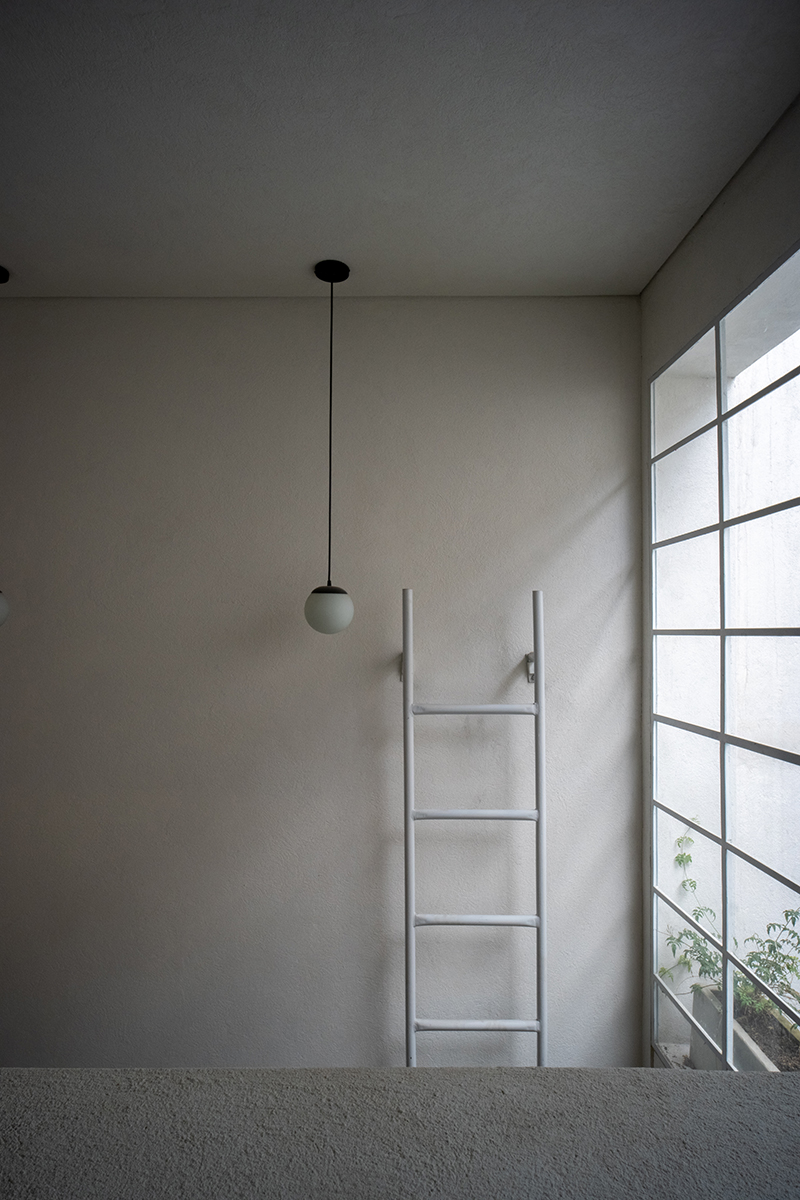
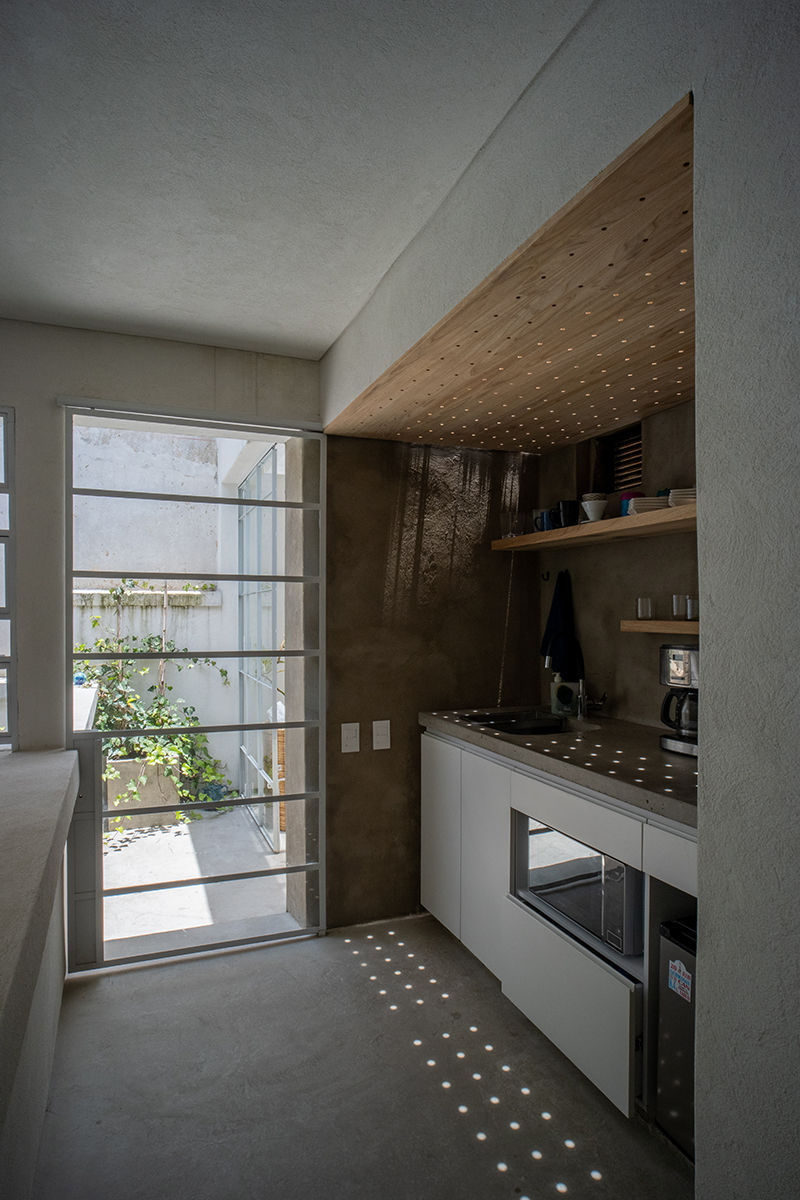
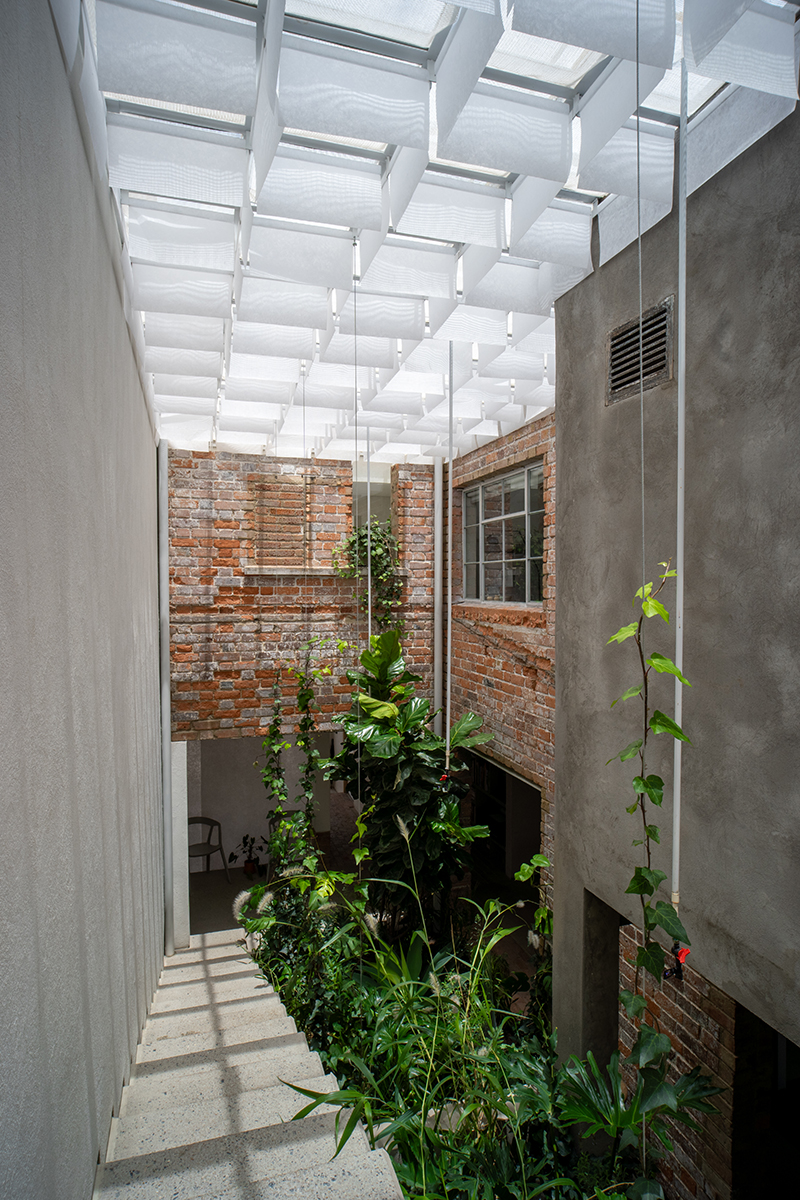
El más reciente de estos proyectos, Casa Taller III, concentra muchos de los aprendizajes acumulados. Su estructura de mampostería se conserva y resalta, afirmando una voluntad de permanencia y memoria. Acá la luz también se convierte en protagonista, generando un ambiento cálido y una atmósfera tranquila.
The most recent of these projects, Casa Taller III, brings together many of the lessons learned over time. Its masonry structure is preserved and highlighted, affirming a desire for permanence and memory. Here, light also becomes a central element, creating a warm and tranquil atmosphere.
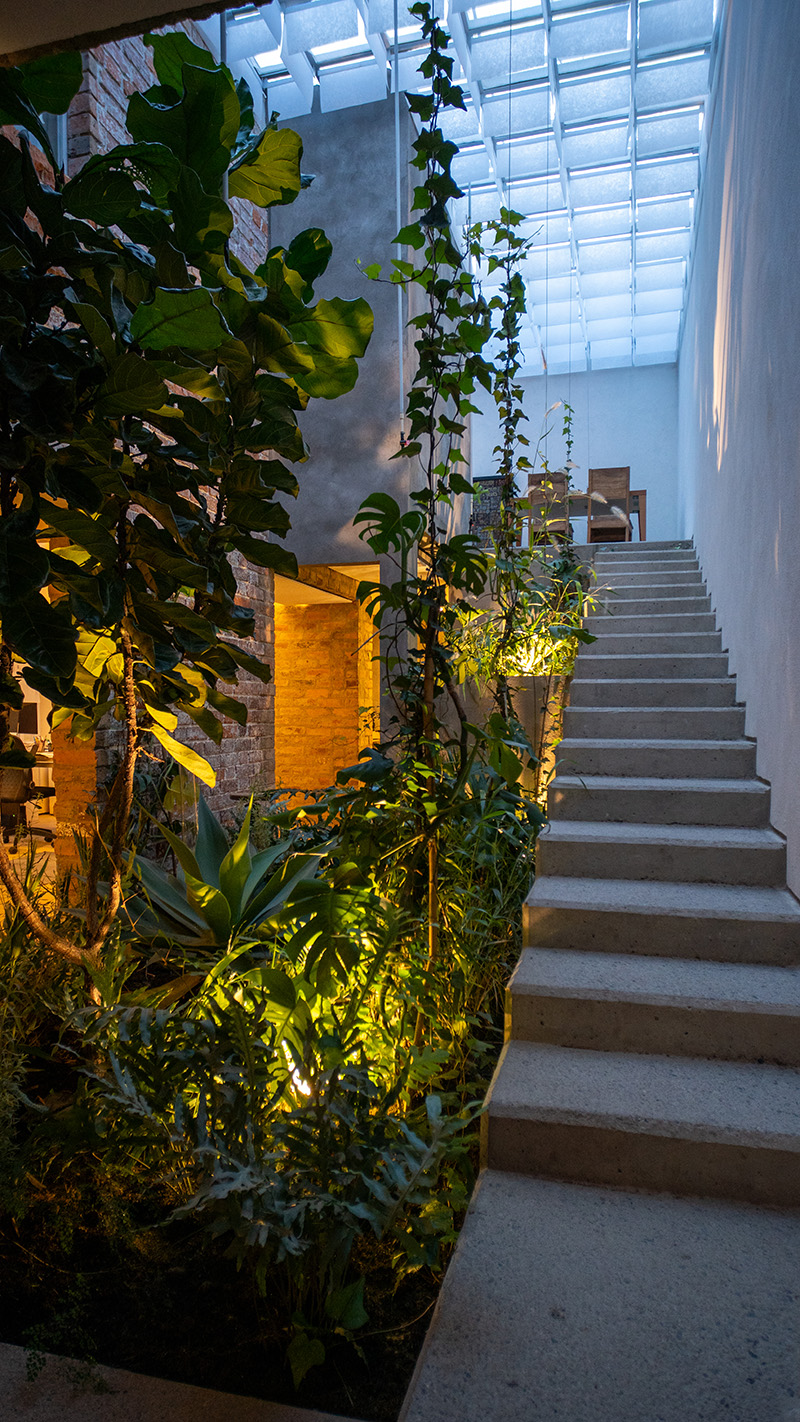
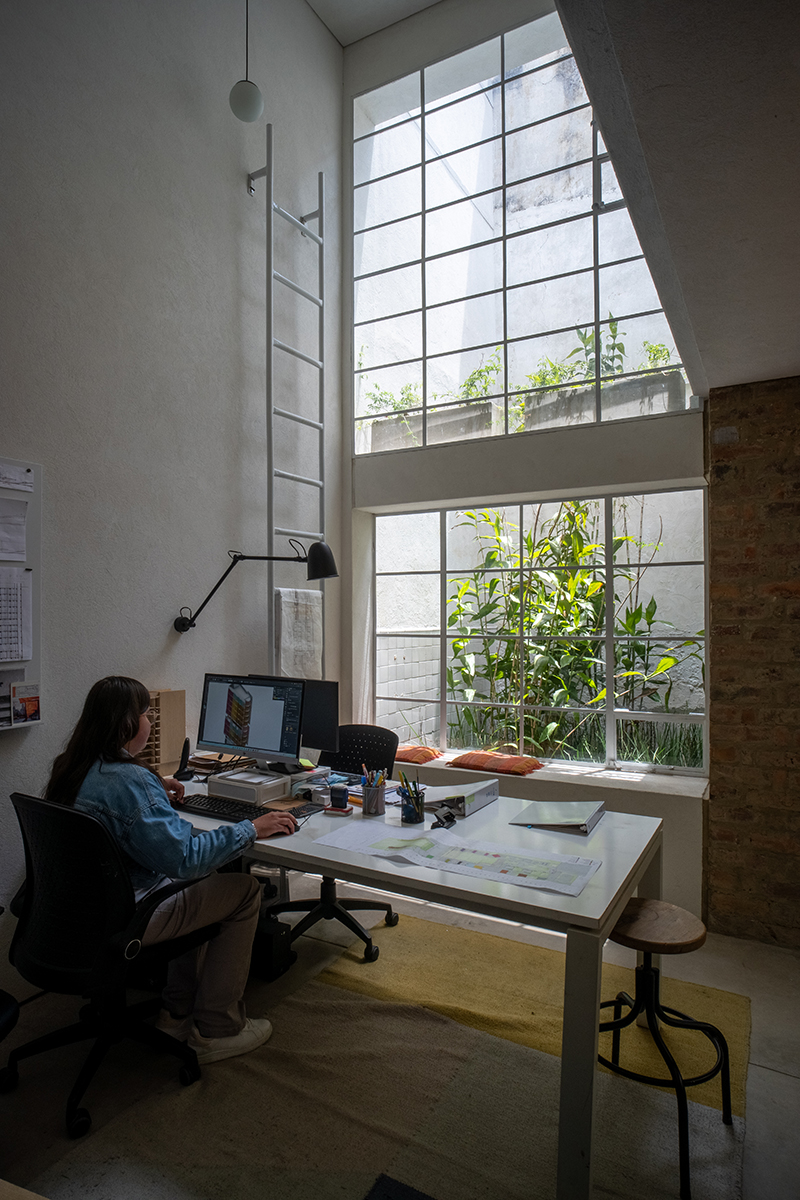
La materialidad se vuelve esencial en este ejercio. Pigmentos de piedra, marmolina y los tonos rojizos del ladrillo aportan a una sensación de calidez al igual que mantienen la estética barrial. La casa se organiza en tres áreas —vivienda, taller y un espacio flexible para alquiler—, permitiendo que convivan distintas formas de habitar y de producir.
Materiality becomes essential in this exploration. Stone pigments, marble dust, and the reddish tones of brick enhance the sense of warmth while maintaining the neighborhood’s aesthetic identity. The house is organized into three areas—living space, workshop, and a flexible rental unit—allowing different ways of living and producing to coexist.
En Casa Taller III, Serna continua una búsqueda entre intervención y tradición, generando nuevos espacios sobre existentes. Esta arquitectura no pretende imponer, si no que busca resaltar por medio de la creatividad.
In Casa Taller III, Serna continues to explore the balance between intervention and tradition, generating new spaces upon existing ones. His architecture does not seek to impose but rather to highlight through creativity.