
31.06.2026. Venecia
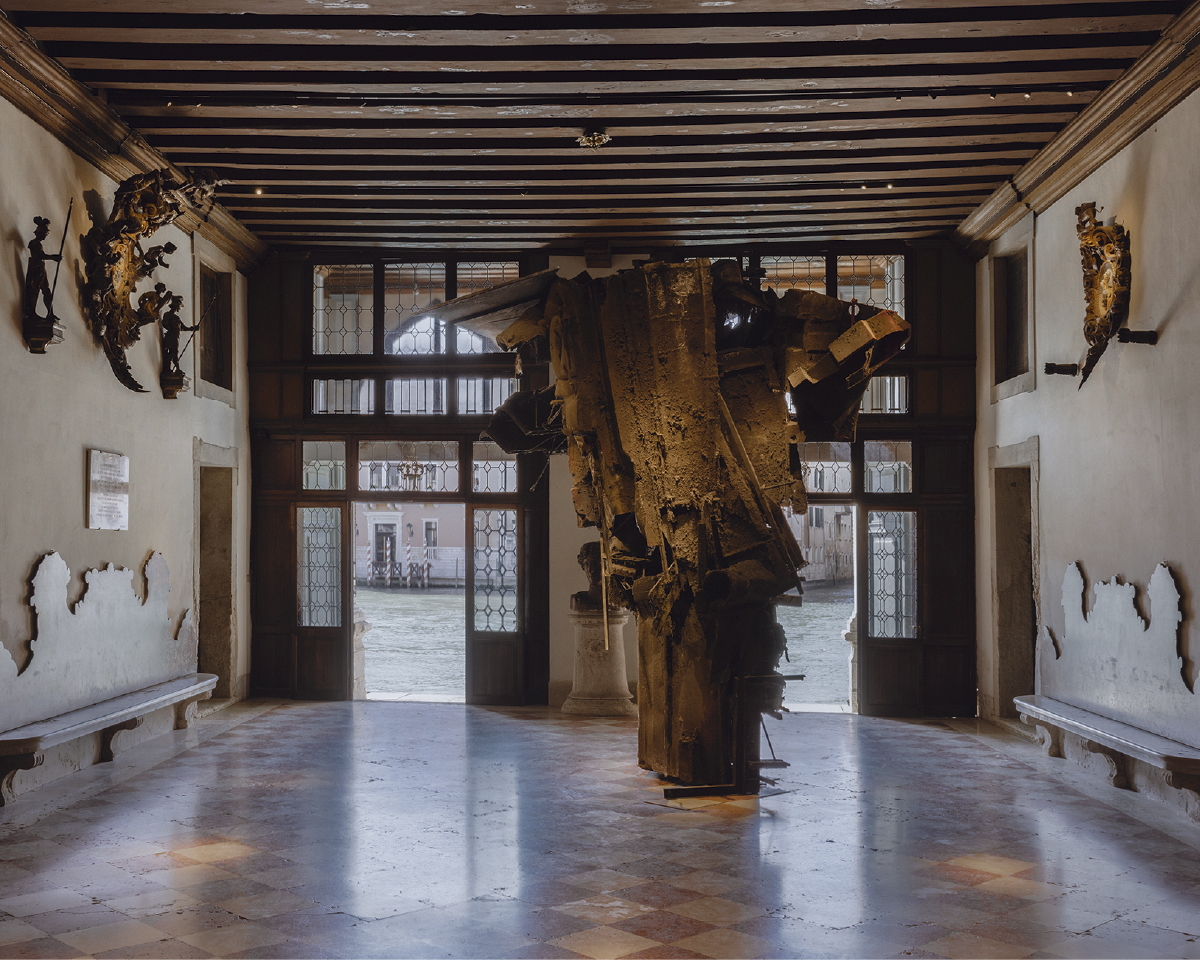
Durante décadas, el lujo pareció construirse sobre una promesa de exclusividad. Objetos inaccesibles, colecciones efímeras y un consumo cada vez más acelerado terminaron desplazando la conversación desde el oficio hacia el deseo. En ese contexto, la apertura de la Fondazione Dries Van Noten en Venecia no propone simplemente un nuevo espacio para exhibir arte, diseño o moda. Propone una pregunta mucho más incómoda: ¿qué sucede cuando el verdadero valor ya no reside en el objeto, sino en la forma en que ese objeto llega a existir?
For decades, luxury was built around the promise of exclusivity. Rare objects, limited collections, and an increasingly accelerated cycle of consumption gradually shifted the conversation away from craftsmanship and toward desire. In this context, the opening of the Fondazione Dries Van Noten in Venice does not simply introduce another venue for exhibiting art, design, or fashion. Instead, it poses a far more compelling question: what happens when the true value of an object no longer lies in its exclusivity, but in the way it comes into being?
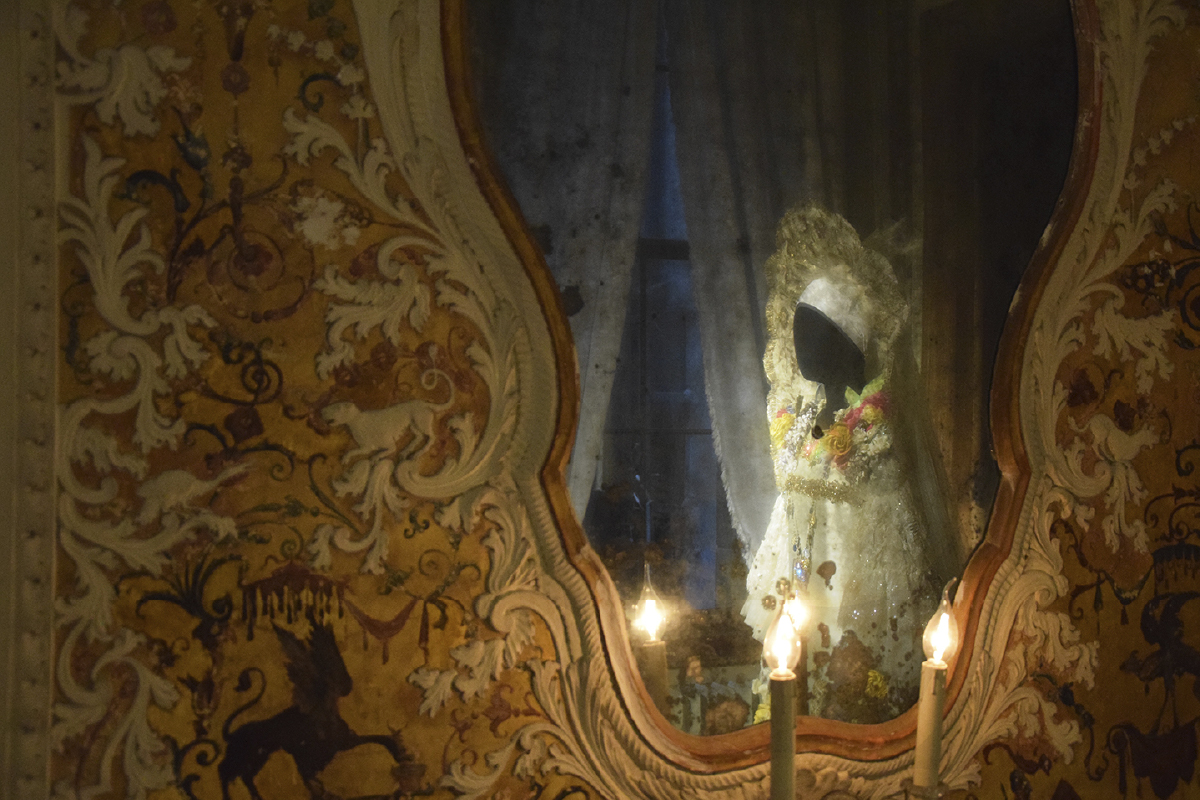
Ubicada en Palazzo Pisani Moretta, la fundación nace como un lugar donde diseño, arte, moda, artesanía, fotografía, música y performance dejan de entenderse como disciplinas independientes para reconocerse como distintas expresiones de una misma práctica cultural: hacer. No se trata de borrar sus diferencias, sino de recuperar aquello que todas comparten: una relación con la materia, el tiempo y el conocimiento manual.
Housed within Palazzo Pisani Moretta, the foundation brings together design, art, fashion, craftsmanship, photography, music, and performance, not as separate disciplines, but as different expressions of a shared cultural practice: making. The goal is not to dissolve their distinctions, but to recover what they all have in common—a relationship with material, time, and the knowledge embedded in the human hand.
No es casual que este proyecto surja precisamente en Venecia. Durante siglos, la ciudad entendió que el diseño nunca fue únicamente una cuestión formal, sino una red de oficios donde vidrio, textiles, arquitectura, navegación y comercio construían una misma identidad cultural. Frente a la imagen de una Venecia convertida en escenario turístico, la fundación recupera otra memoria: la de una ciudad donde las ideas circulaban entre talleres antes que entre pantallas.
It is no coincidence that this project takes shape in Venice. For centuries, the city understood that design was never merely a question of form, but of interconnected crafts, where glassmaking, textiles, architecture, navigation, and commerce formed a single cultural ecosystem. Against the image of Venice as a picturesque tourist backdrop, the foundation recalls another history: that of a city where ideas once circulated through workshops long before they flowed across screens.
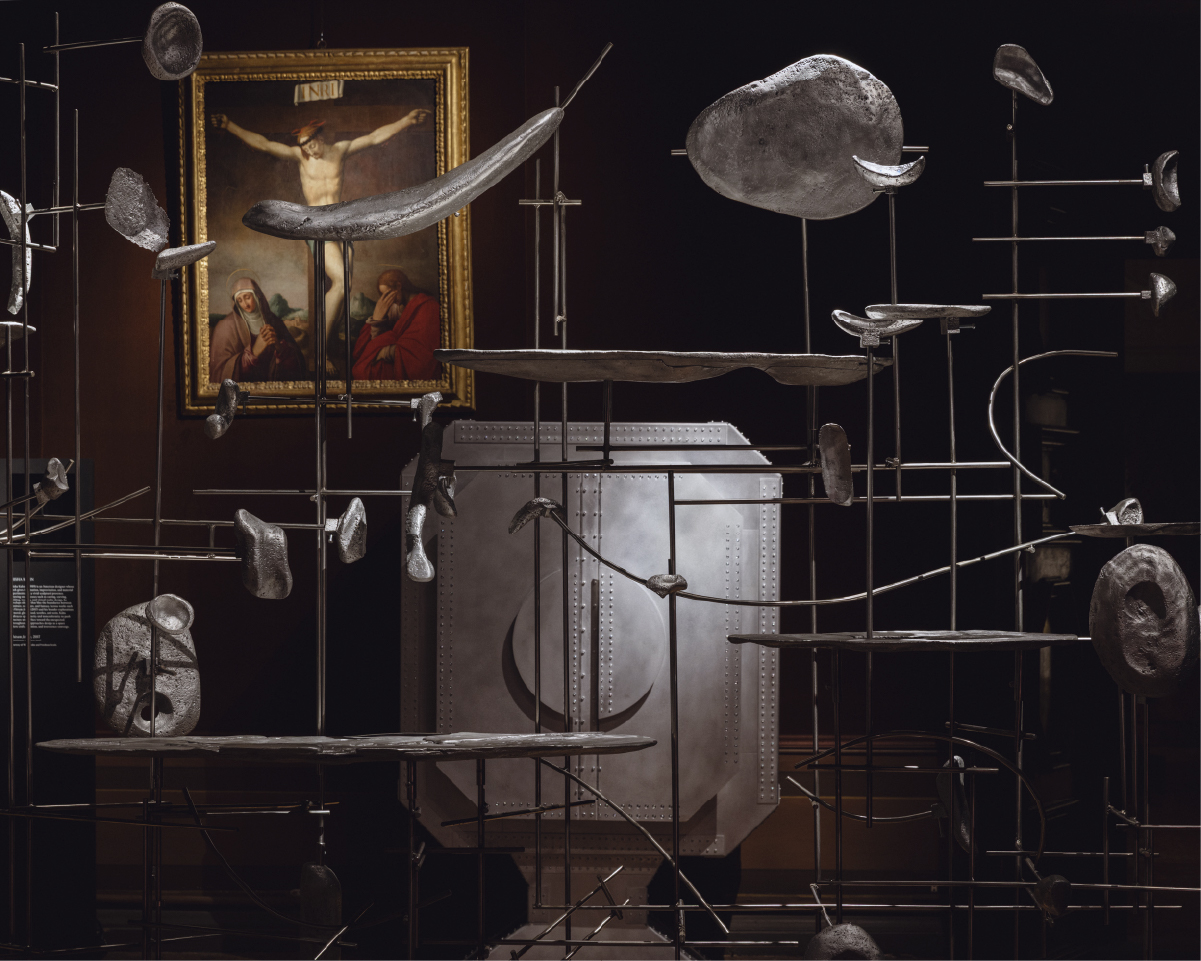
Su primera presentación, The Only True Protest Is Beauty, toma una frase del activista Phil Ochs para proponer una idea poco habitual dentro de la cultura visual contemporánea: la belleza no aparece como decoración, sino como una forma de resistencia. Una belleza que no busca ofrecer respuestas ni producir complacencia, sino introducir ambigüedad, desacelerar la mirada y alterar nuestras formas de percepción. Como afirman Dries Van Noten y Patrick Vangheluwe, la belleza adquiere sentido cuando «perturba en lugar de resolver».
Its inaugural presentation, The Only True Protest Is Beauty, borrows a line from activist and songwriter Phil Ochs to propose an unusual idea within contemporary visual culture: beauty is not presented as decoration, but as a form of resistance. It is a beauty that does not seek to provide answers or offer comfort, but rather to introduce ambiguity, slow perception, and challenge the way we see. As Dries Van Noten and Patrick Vangheluwe explain, beauty becomes meaningful when it «disturbs rather than resolves.»
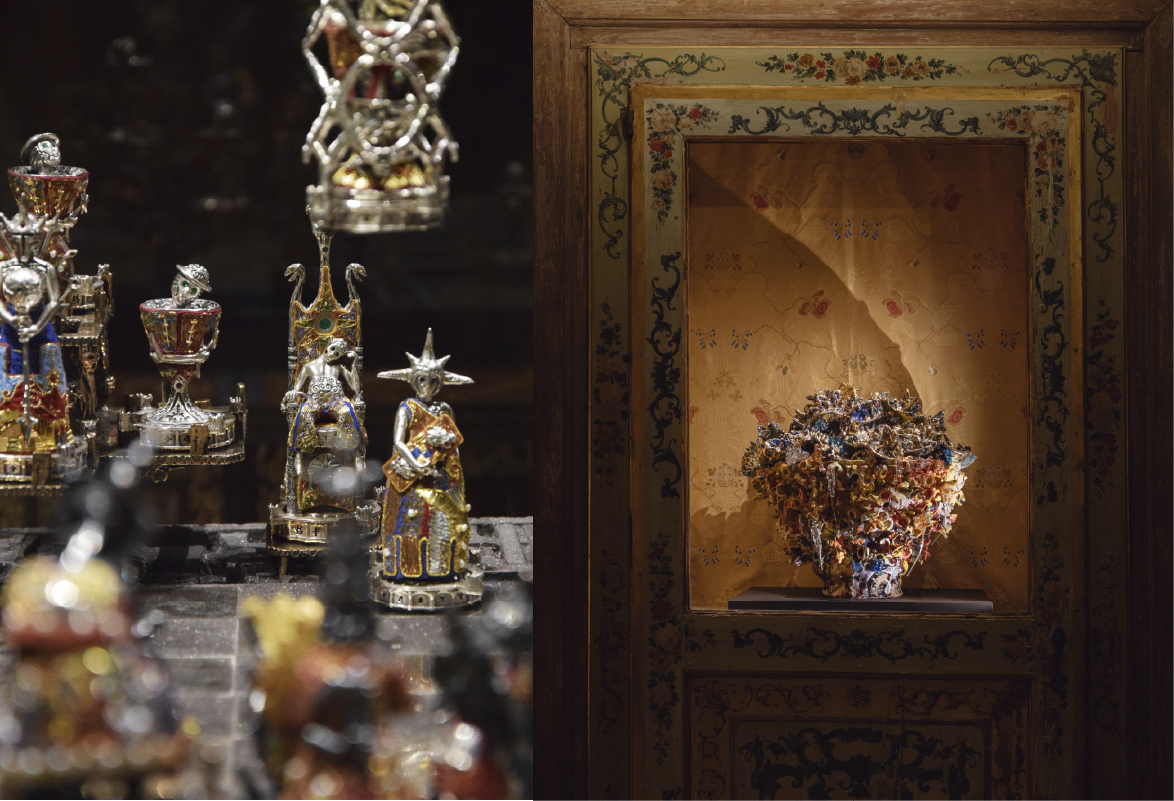
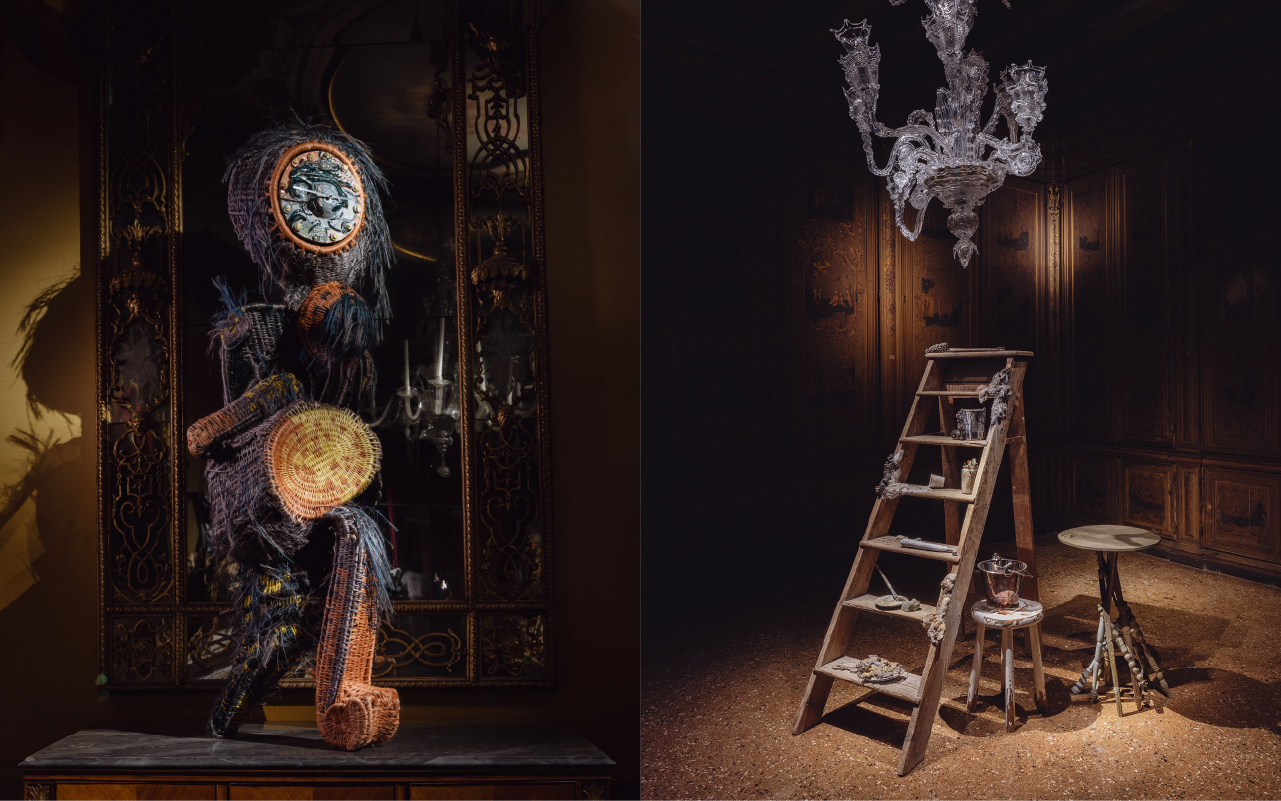
Esa postura también redefine la manera en que entendemos el lujo. Más de doscientas obras —entre moda, joyería, diseño coleccionable, cerámica, vidrio, fotografía y experimentación material— dialogan sin jerarquías dentro del palacio. Una pieza de Comme des Garçons puede convivir con un cristal histórico de Murano; una escultura contemporánea puede alterar el significado de un fresco barroco. El recorrido no está organizado por categorías, sino por resonancias. Más que contemplar objetos excepcionales, el visitante recorre relaciones entre materiales, memorias y formas de hacer.
This perspective also redefines our understanding of luxury. More than two hundred works—spanning fashion, jewelry, collectible design, ceramics, glass, photography, and material experimentation—coexist without hierarchy throughout the Palazzo. A Comme des Garçons silhouette can converse with historic Murano glass; a contemporary sculpture can reshape the meaning of a Baroque fresco. The exhibition is organized not through categories, but through resonances. Rather than presenting exceptional objects, it invites visitors to experience relationships between materials, memories, and ways of making.
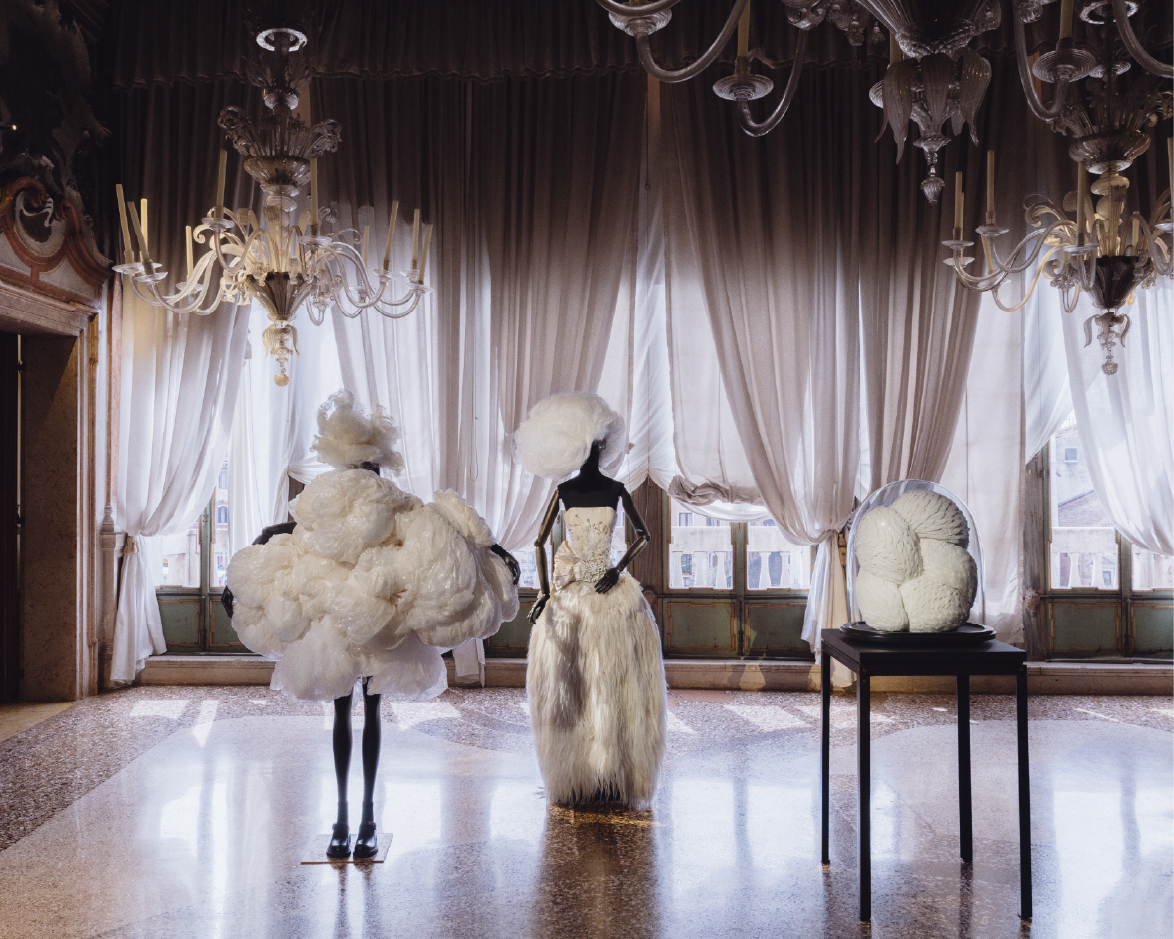
Quizás ahí reside la mayor aportación de la Fondazione Dries Van Noten. En un momento donde gran parte del diseño parece responder a la lógica de la producción constante y de la imagen instantánea, el proyecto recupera el tiempo como materia prima. Hablar del hacer no significa defender una nostalgia por la artesanía, sino reconocer que cada objeto contiene la memoria de un gesto, de una técnica y de una cultura que todavía puede reinventarse.
Perhaps this is the Fondazione Dries Van Noten’s most significant contribution. At a time when much of design is driven by constant production and the instant circulation of images, the project reclaims time as a creative material. To speak of making is not to indulge in nostalgia for craftsmanship, but to recognize that every object carries the memory of a gesture, a technique, and a culture that can still be reinvented.
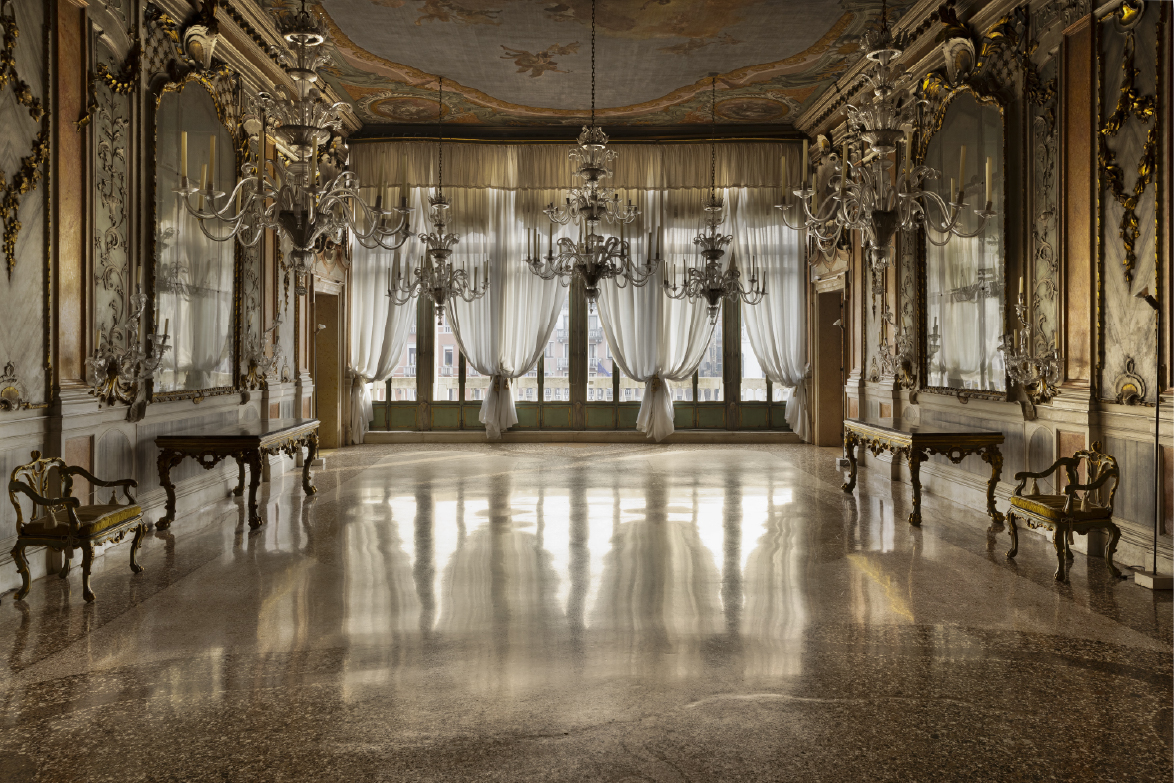
Tal vez esa sea la pregunta que deja abierta la fundación. Si durante años el lujo consistió en poseer aquello que pocos podían tener, ¿podría el verdadero lujo del presente consistir, simplemente, en preservar las condiciones que todavía hacen posible crear con tiempo, con las manos y con sentido?
La exhibición estará abierta al público del 25 de abril al 4 de octubre de 2026, en Palazzo Pisani Moretta, Venecia, Italia.
Ultimately, that may be the question the foundation leaves us with. If luxury once meant owning what only a few could possess, could the true luxury of our time be something else entirely—the ability to preserve the conditions that still allow us to create with time, with our hands, and with meaning?
The exhibition will be open to the public from April 25 to October 4, 2026, at Palazzo Pisani Moretta, Venice, Italy.