
31.06.2026. Venecia
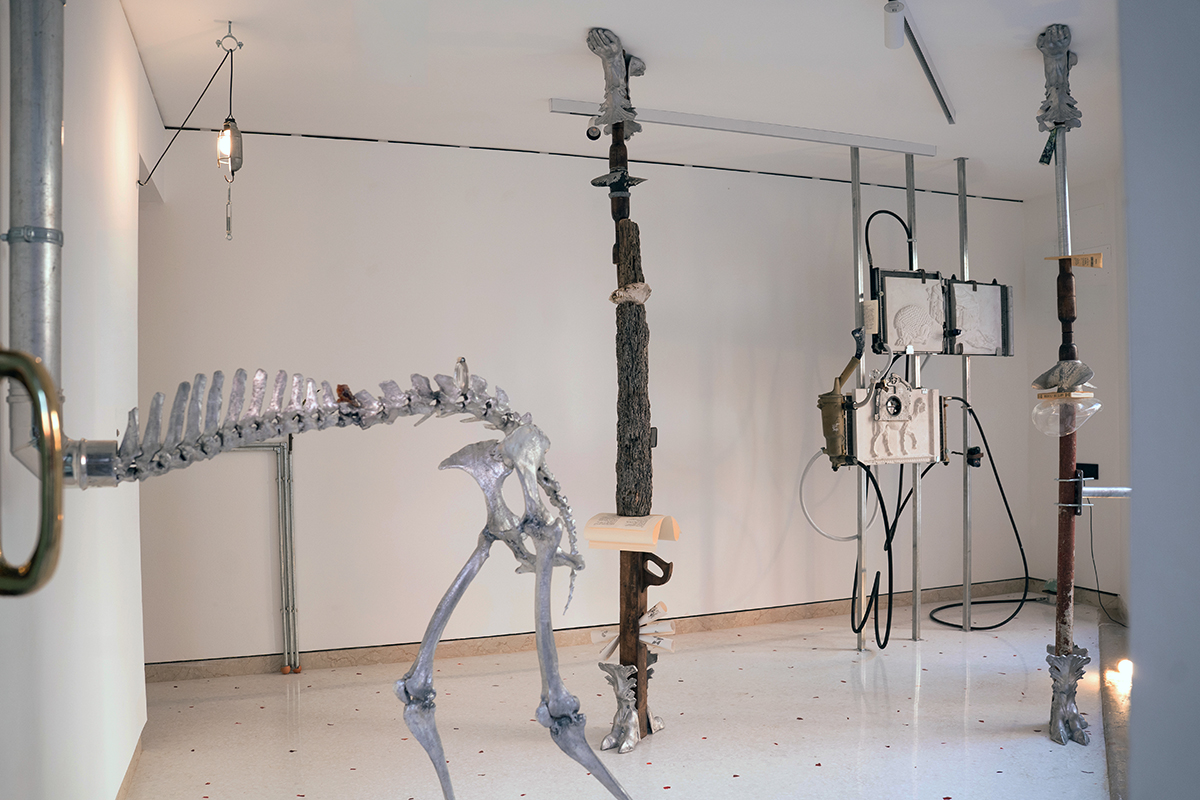
Toda traducción implica una pérdida. Pero también la posibilidad de producir un significado que antes no existía. Mistranslation, la exposición de Natalia Mejía Murillo presentada en Panorama Venezia, curada por Matheew Carrillo M. y desarrollada como parte de la residencia impulsada por EXCLAMA Proyectos en colaboración con Panorama, parte precisamente de esa tensión para pensar cómo los materiales, los paisajes y las formas de conocimiento se transforman cuando atraviesan distintos territorios. Más que buscar equivalencias, la muestra convierte la traducción en un espacio de fricción donde las diferencias permanecen visibles.
Every translation involves a loss. But it also creates the possibility of producing a meaning that did not exist before. Mistranslation, Natalia Mejía Murillo’s exhibition at Panorama Venezia, curated by Matheew Carrillo M. and developed as part of the residency organized by EXCLAMA Projects in collaboration with Panorama, begins precisely from this tension. It explores how materials, landscapes, and systems of knowledge are transformed as they move across different territories. Rather than seeking equivalences, the exhibition turns translation into a space of productive friction, where differences remain visible instead of being erased.
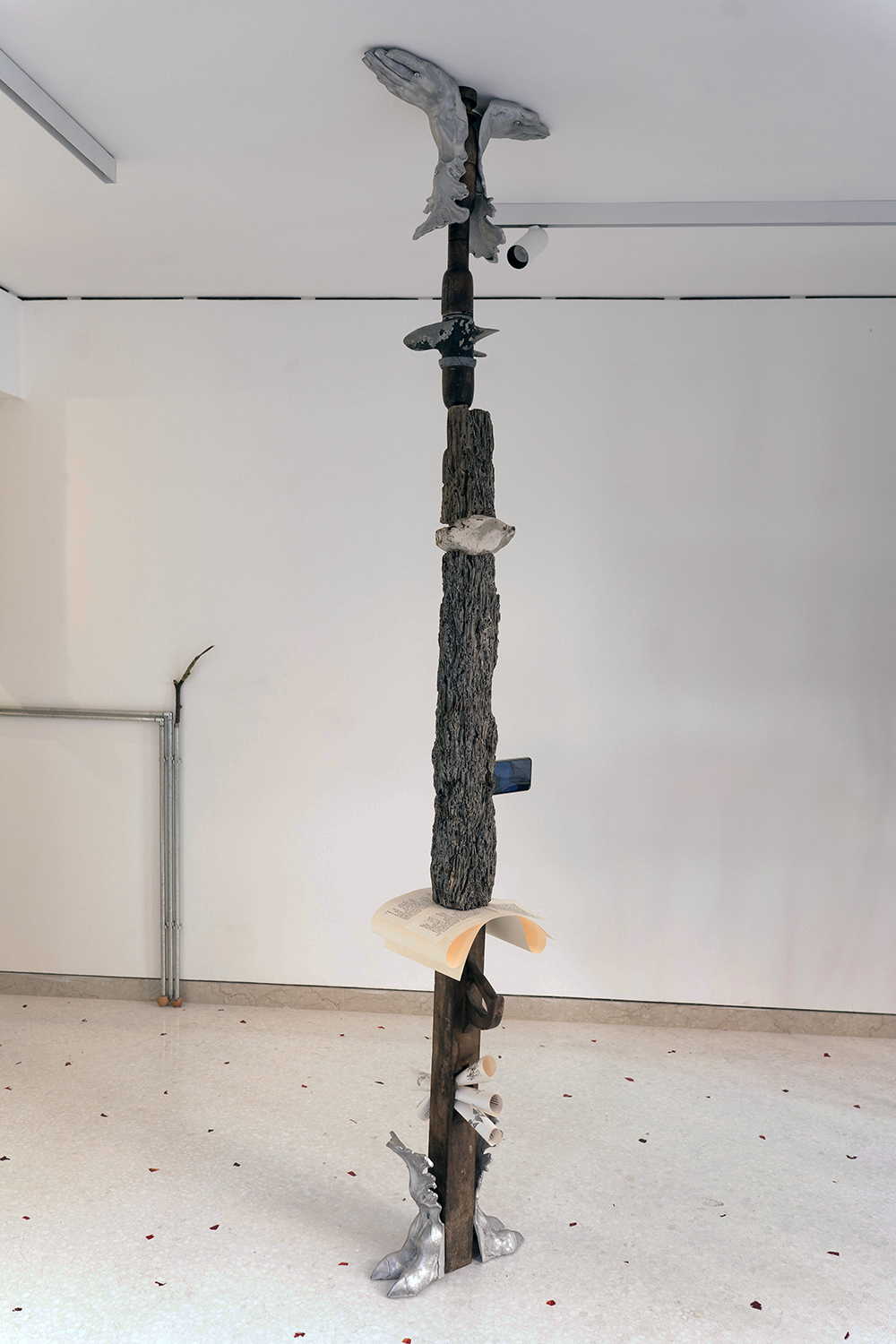
Lejos de entender el territorio como un lugar fijo o una identidad estable, la investigación de Mejía Murillo propone leerlo como una red de relaciones en constante desplazamiento. Su llegada a Venecia no funciona como un cambio de escenario, sino como una oportunidad para observar cómo una ciudad construida sobre la fragilidad produce nuevas maneras de pensar la permanencia. La restauración continua de sus edificios, la presencia insistente del agua y los instrumentos que registran el nivel de las mareas aparecen menos como elementos urbanos que como sistemas culturales capaces de revelar la relación entre el cuerpo, la materia y el tiempo.
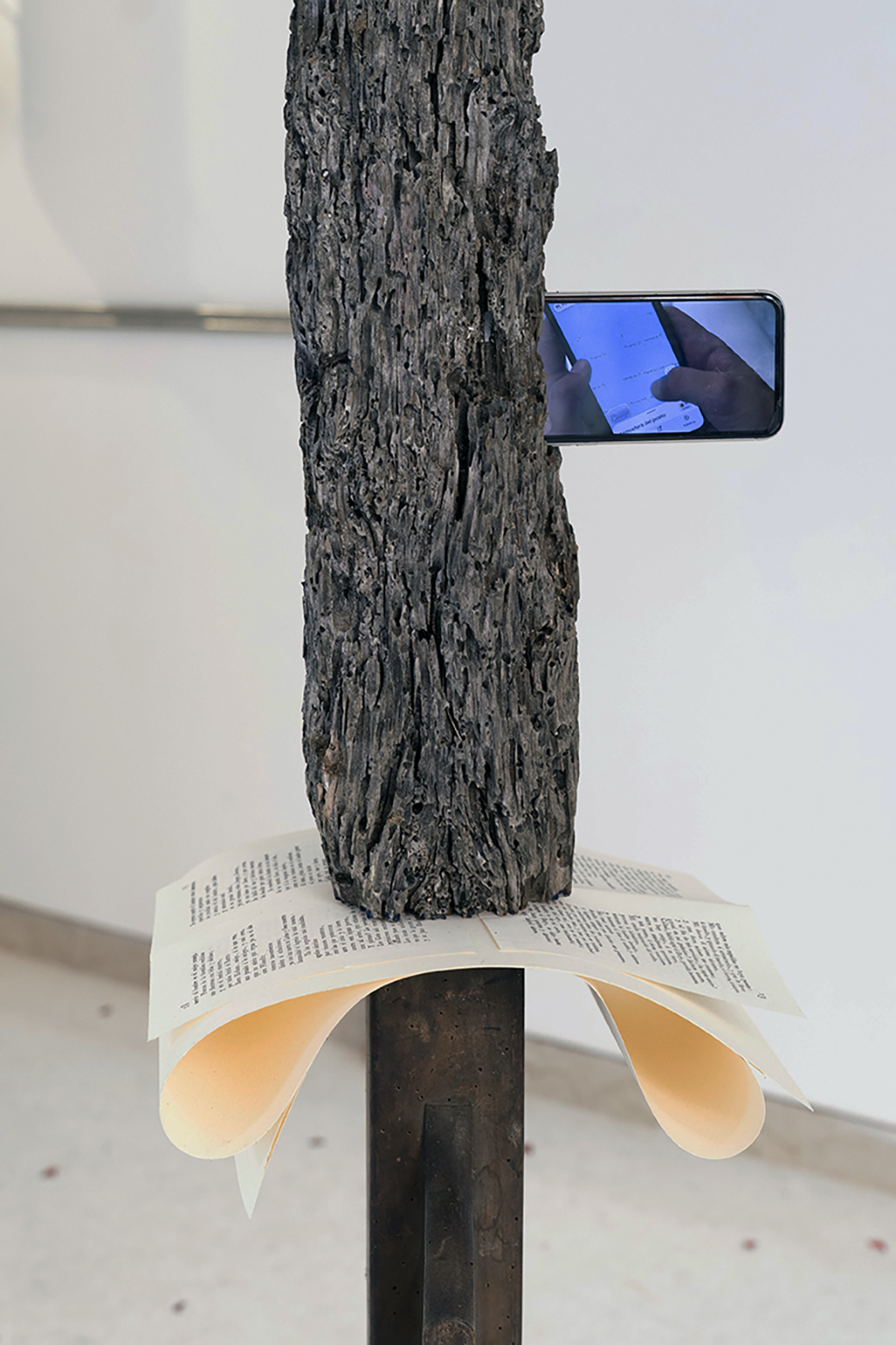
En ese sentido, la exposición evita cualquier aproximación documental. El vidrio y la madera —materiales centrales en las piezas— no representan Venecia; dialogan con ella. La artista desplaza técnicas, procesos y memorias entre distintos contextos geográficos para construir objetos donde ninguna tradición permanece intacta. Lo que emerge no es una síntesis cultural, sino un estado de traducción permanente. Las obras existen precisamente en ese intervalo donde los significados todavía no terminan de fijarse
Far from understanding territory as a fixed place or a stable identity, Mejía Murillo’s research proposes it as a network of relationships in constant movement. Her arrival in Venice is not simply a change of setting, but an opportunity to observe how a city built upon fragility generates new ways of thinking about permanence. The continuous restoration of its architecture, the persistent presence of water, and the devices that measure the tides emerge less as urban elements than as cultural systems capable of revealing the relationship between body, material, and time.
In this sense, the exhibition resists any documentary approach. Glass and wood—the central materials of the works—do not represent Venice; they enter into dialogue with it. Mejía Murillo shifts techniques, processes, and memories across different geographical contexts, creating objects in which no tradition remains untouched. What emerges is not a cultural synthesis, but a permanent state
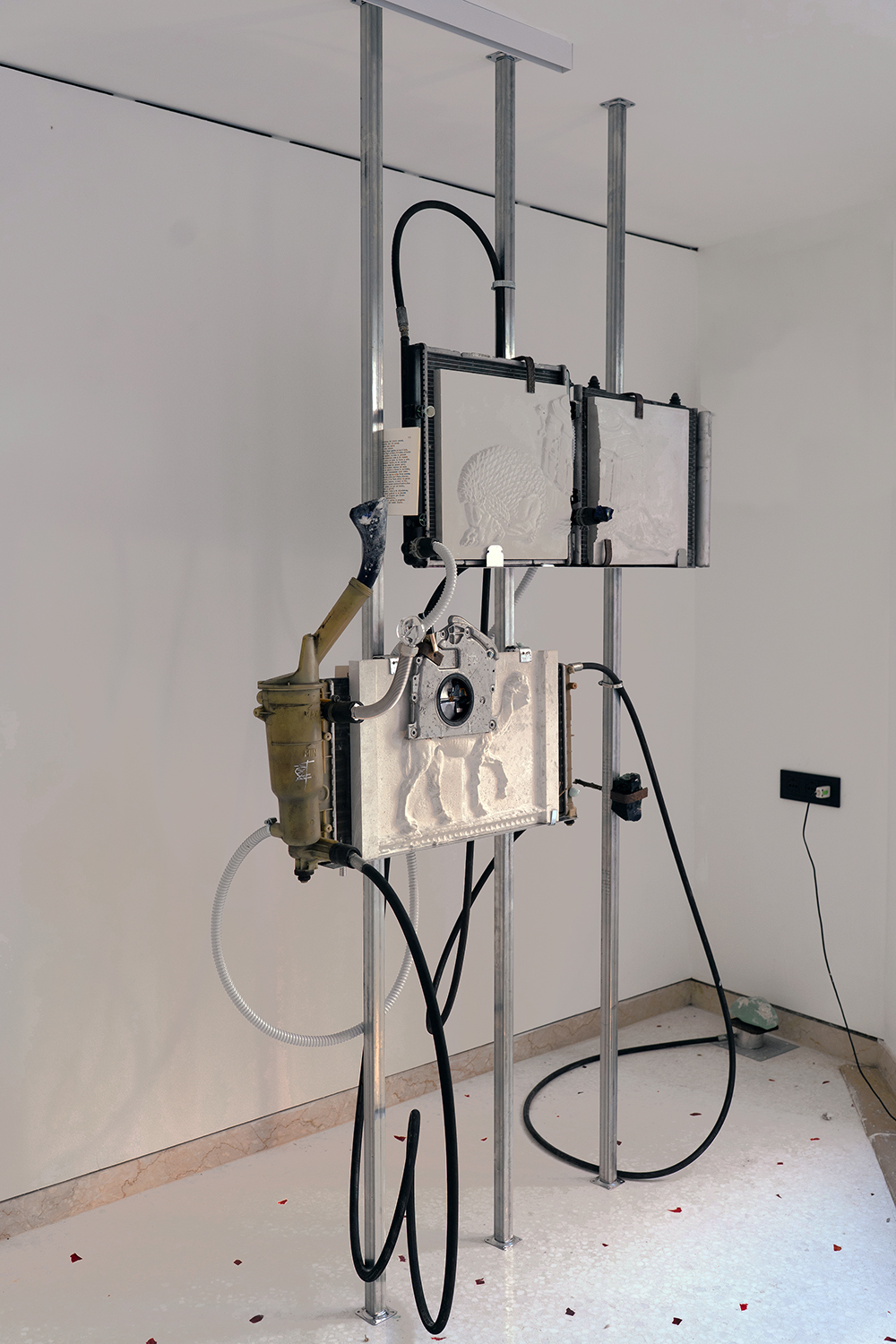
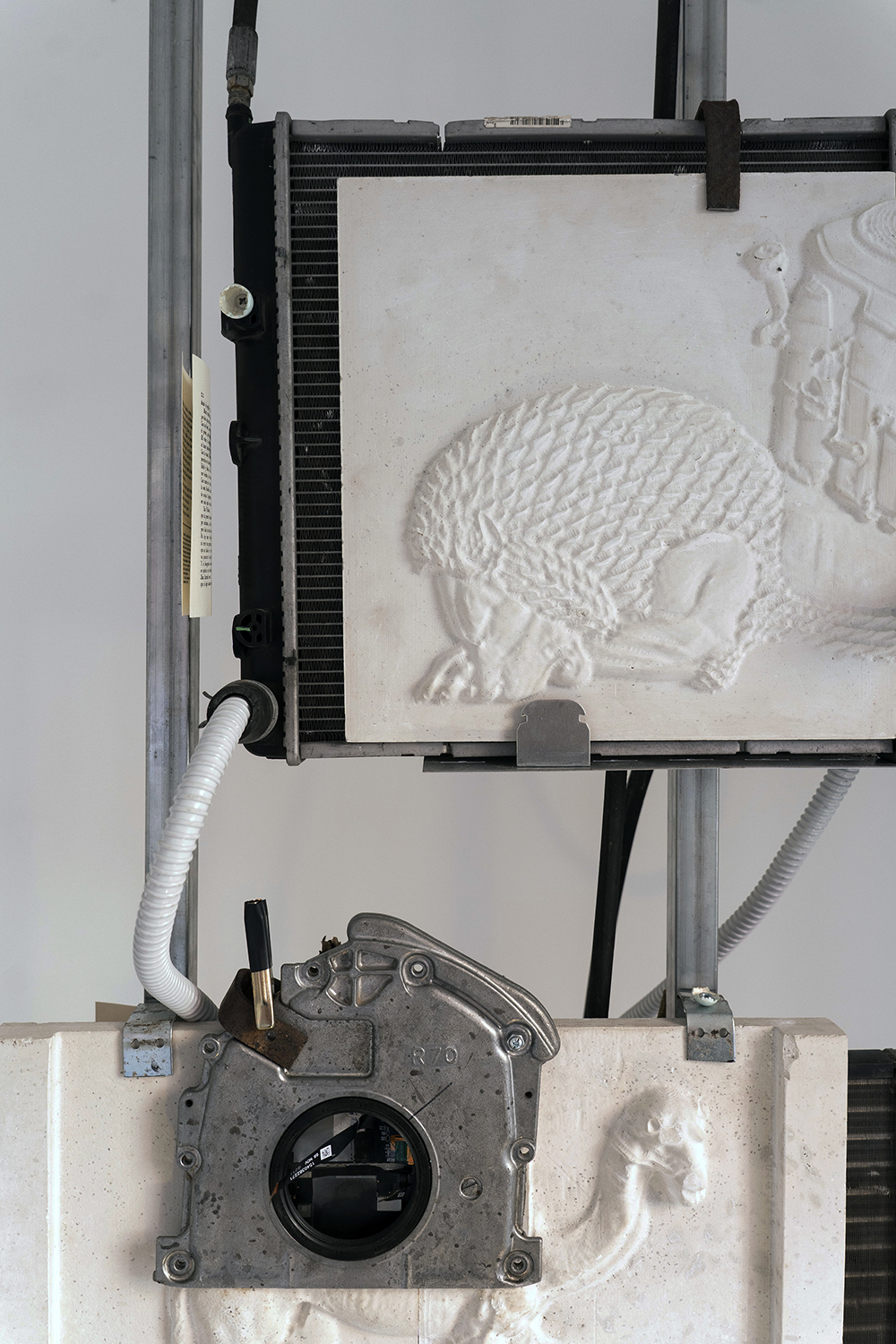
Resulta significativo que el proyecto se desarrolle desde una práctica lenta, basada en la observación y el trabajo situado. En una época marcada por la productividad constante y la consumo acelerado de imágenes, Mistranslation reivindica el tiempo como una herramienta de investigación. En ese contexto, la residencia promovida por EXCLAMA Proyectos adquiere un sentido que trasciende la movilidad internacional: funciona como un espacio para producir conocimiento desde el intercambio, el acompañamiento curatorial y la inmersión en un territorio específico, privilegiando el proceso sobre la inmediatez del resultado.
It is significant that the project unfolds through a slow practice grounded in observation and situated research. At a time defined by relentless productivity and the accelerated circulation of images, Mistranslation reclaims time as a tool for inquiry. Within this context, the residency developed by EXCLAMA Proyectos takes on a meaning that goes beyond international mobility. It becomes a space for producing knowledge through exchange, curatorial dialogue, and immersion within a specific place, privileging process over the immediacy of results.
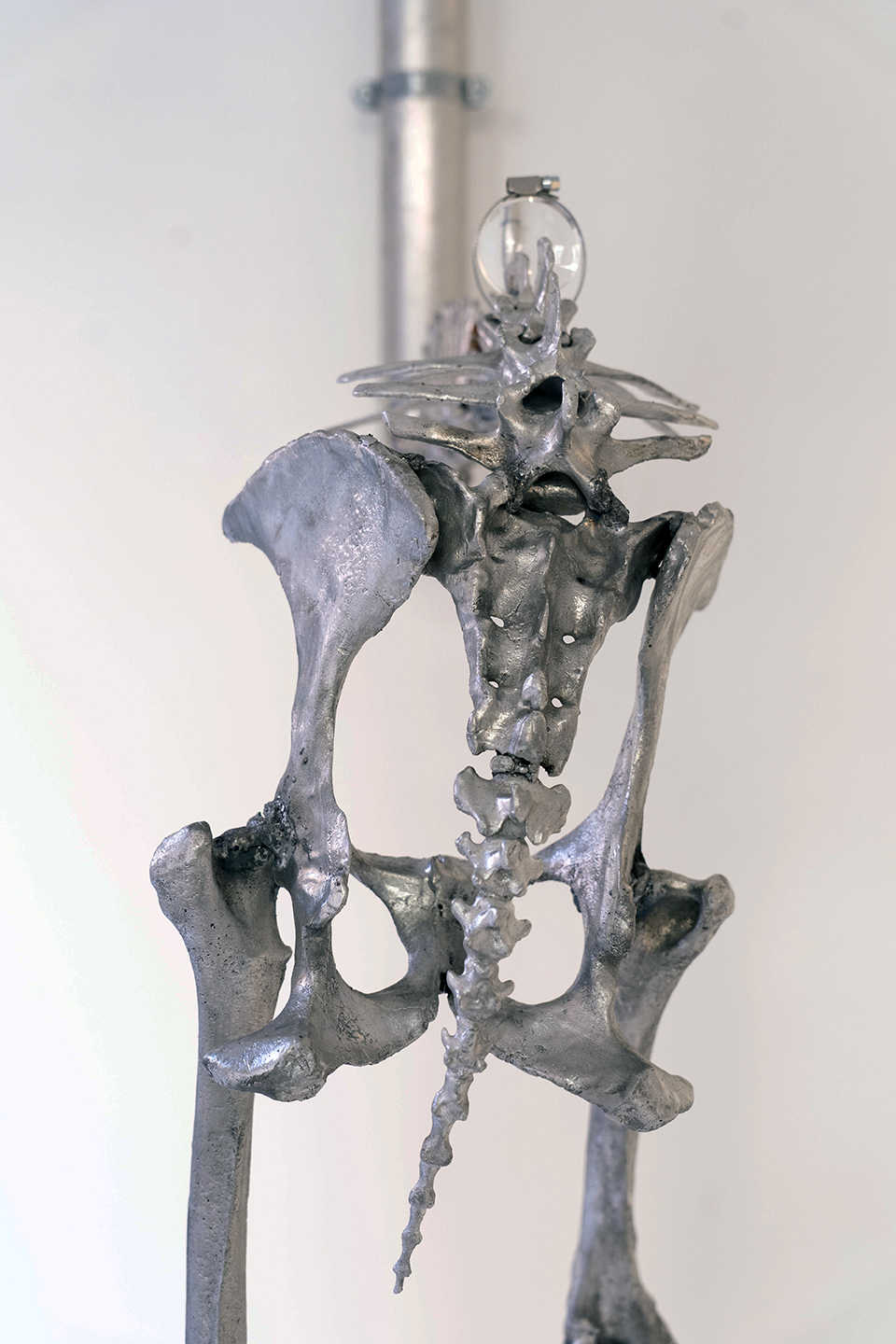
La exposición también desplaza la conversación hacia una pregunta más amplia: ¿es posible trasladar un conocimiento sin modificarlo? Frente a los sistemas contemporáneos de clasificación, conservación y control, Mejía Murillo propone aceptar que toda transferencia transforma aquello que intenta preservar. Traducir no consiste en reproducir fielmente un significado, sino en asumir las alteraciones que inevitablemente aparecen durante el proceso.
The exhibition also shifts the conversation toward a broader question: is it possible to transfer knowledge without transforming it? In the face of contemporary systems of classification, conservation, and control, Mejía Murillo suggests that every act of transmission inevitably alters what it seeks to preserve. Translation is not about faithfully reproducing a meaning, but about embracing the transformations that inevitably emerge along the way.
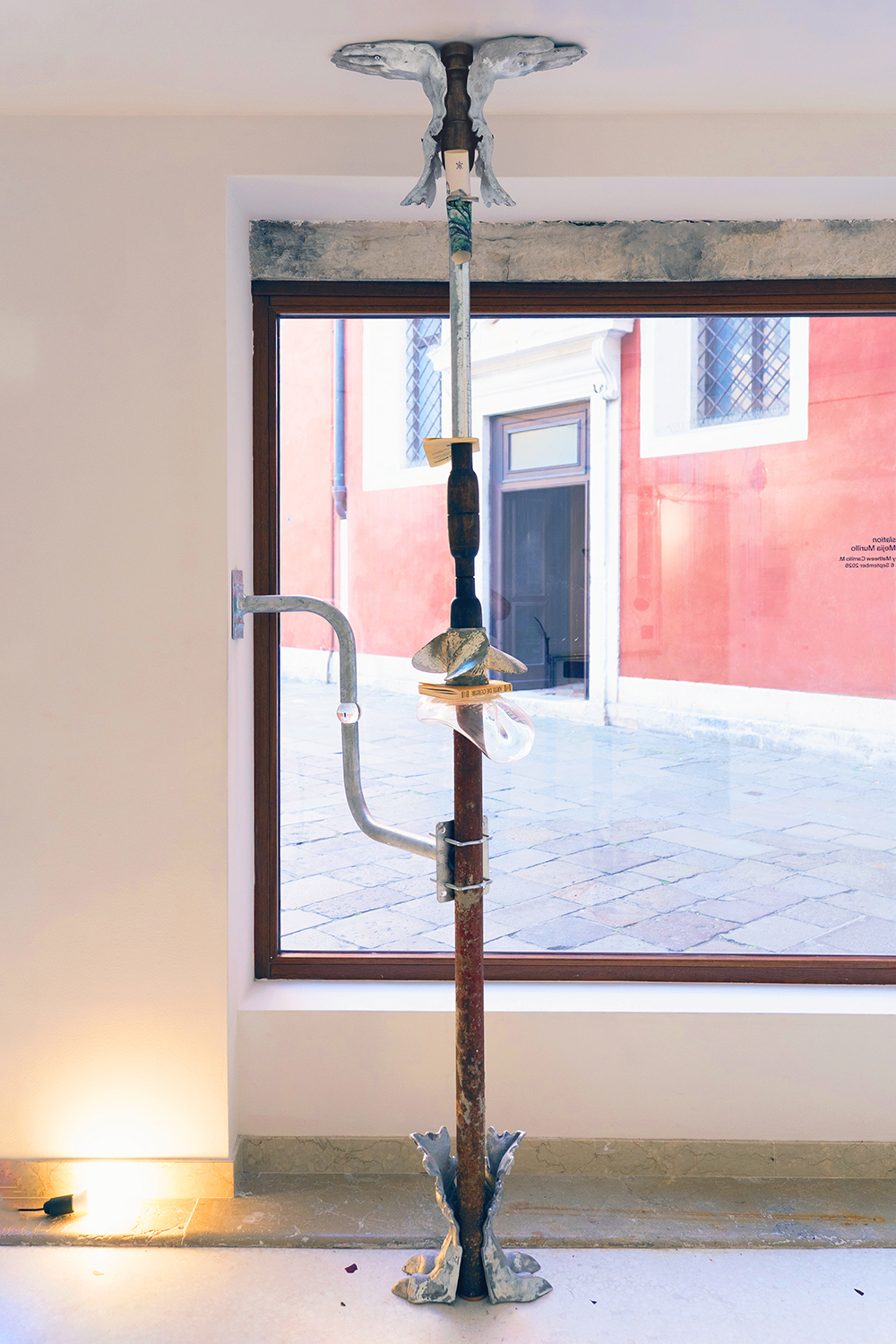
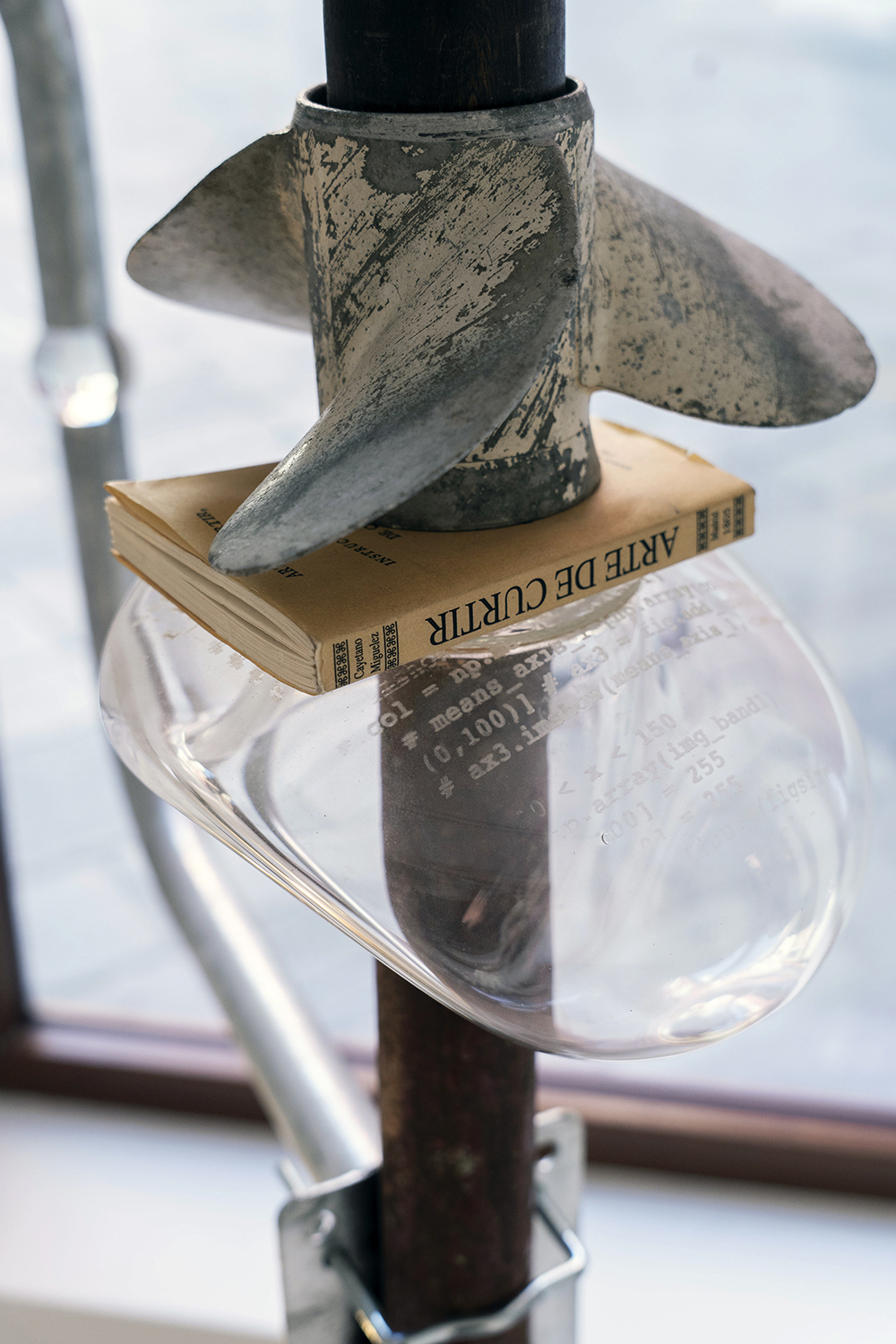
Quizás ahí resida la mayor virtud de Mistranslation y, al mismo tiempo, una de las apuestas más interesantes de EXCLAMA Proyectos. En lugar de entender la circulación internacional como una simple exportación de artistas, el proyecto propone construir relaciones críticas entre contextos, donde cada territorio modifica la investigación y amplía sus posibilidades de lectura. Allí donde una traducción deja de ser exacta, aparecen nuevas conexiones entre materiales, memorias y formas de habitar el mundo. Es precisamente en ese espacio de incertidumbre donde el arte continúa encontrando nuevas formas de producir conocimiento.
Exhibición abierta del 18 de junio al 6 de septiembre de 2026
Perhaps this is Mistranslation’s greatest achievement—and, at the same time, one of EXCLAMA Proyectos’ most compelling commitments. Rather than understanding international circulation as the simple export of artists, the project proposes building critical relationships between contexts, where each place reshapes the research and expands its possibilities for interpretation. It is precisely where translation ceases to be exact that new connections emerge between materials, memories, and ways of inhabiting the world. And it is within that space of uncertainty that art continues to discover new ways of producing knowledge.
Open to the public from June 18 to September 6, 2026.