
06.05.2026. São Paulo
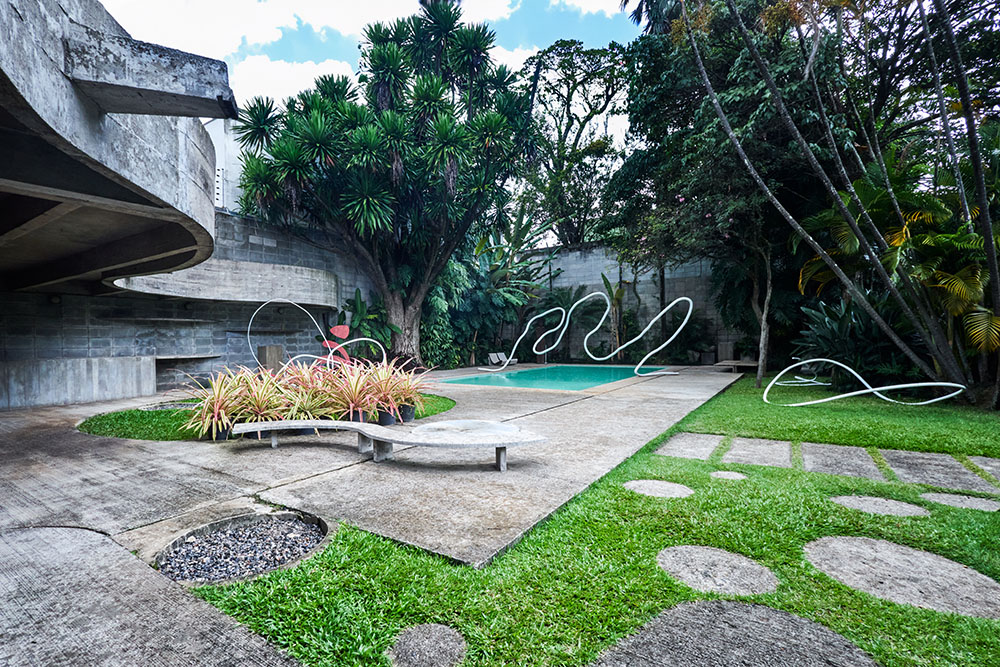
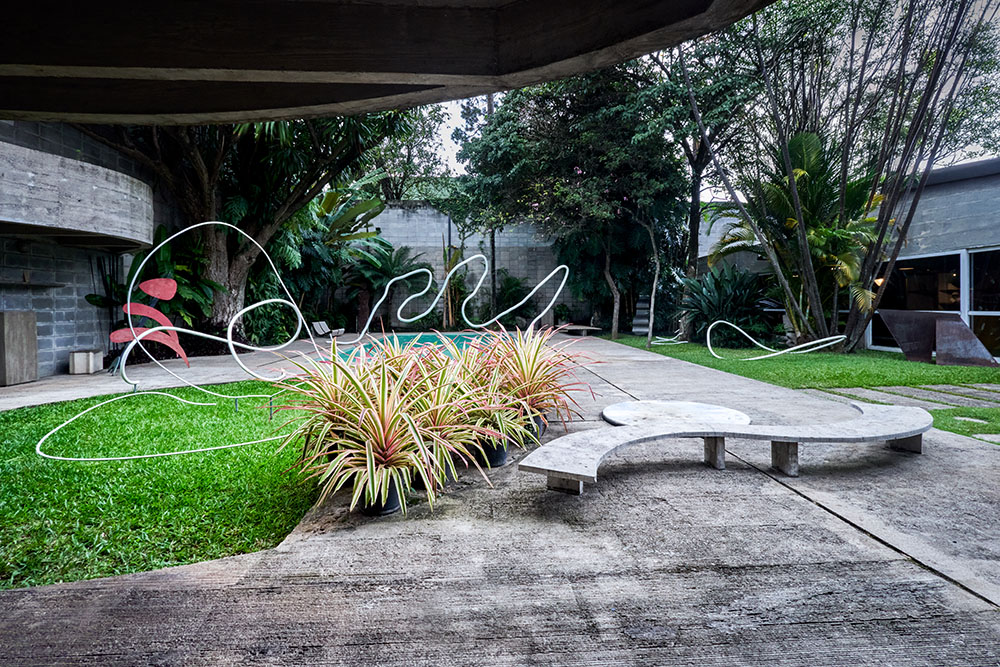
La casa de Tomie Ohtake, diseñada por Ruy Ohtake en São Paulo en 1970, se plantea como una obra donde arquitectura y práctica artística se desarrollan continuamente. La casa surge de un vínculo cercano: Ruy Ohtake proyecta el espacio pensando en la vida y el trabajo de su madre, Tomie Ohtake. Construida en un terreno irregular, la casa evita una relación frontal con la calle y se organiza hacia un patio interior. Esta decisión define su carácter: un sistema introvertido donde la fachada principal no es urbana, sino doméstica. El patio concentra la apertura, la luz y la circulación, y funciona como articulador entre las distintas áreas.
The house of Tomie Ohtake, designed by Ruy Ohtake in São Paulo between 1966 and 1970, is conceived as a work where architecture and artistic practice continuously unfold. The house emerges from a close relationship: Ruy Ohtake designed the space with the life and work of his mother, Tomie Ohtake, in mind. Built on a plot that widens toward the back, the house avoids a frontal relationship with the street and instead organizes itself around a lateral patio at the rear. This decision defines its character: an introverted system where the main façade is not urban, but domestic. The patio concentrates openness, light, and circulation, functioning as an articulator between the different areas.
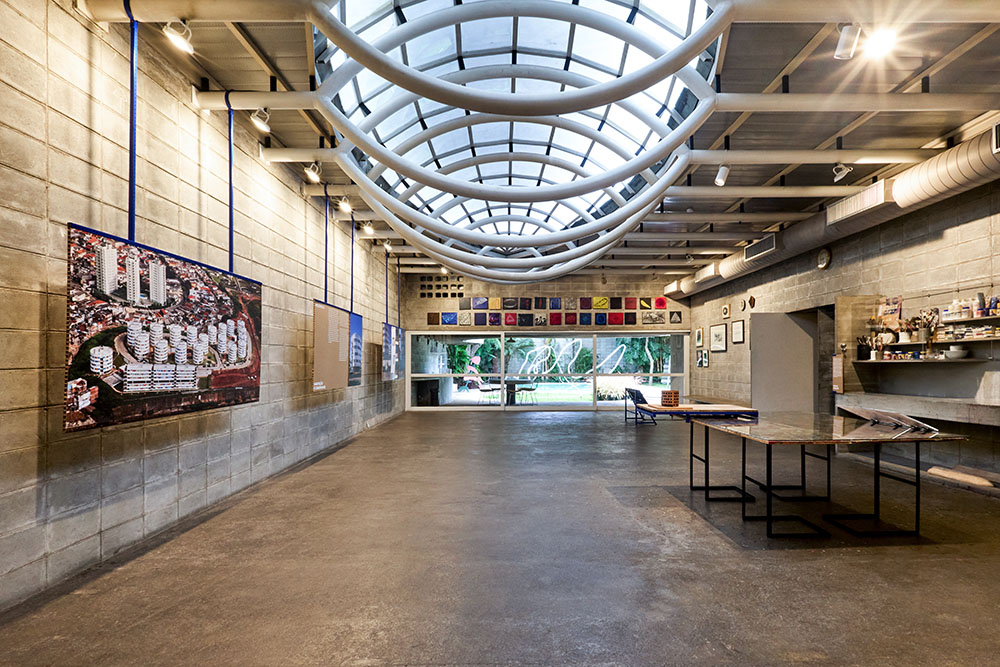
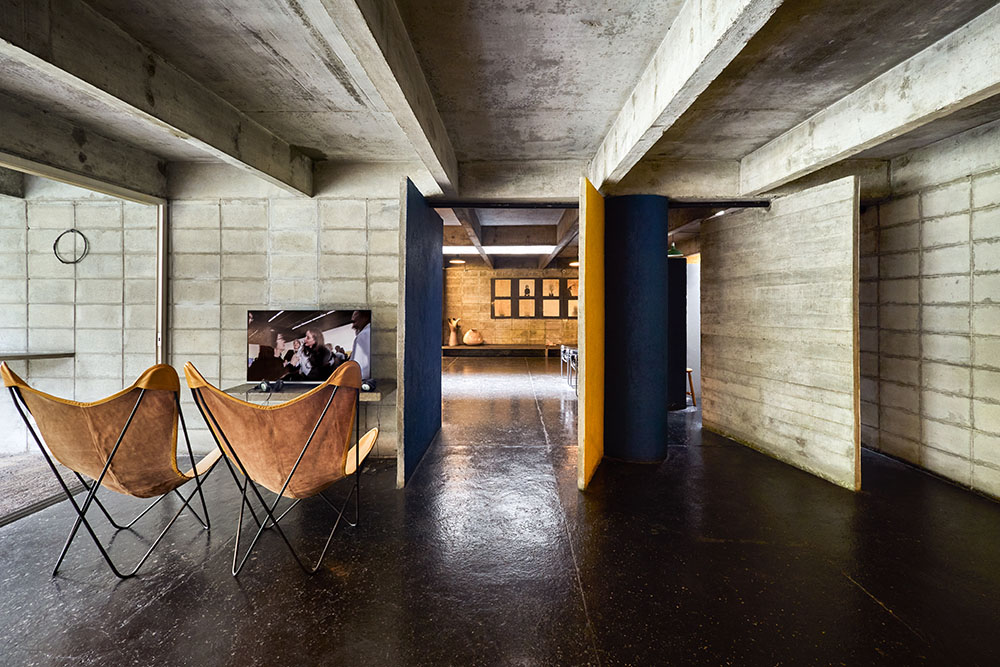
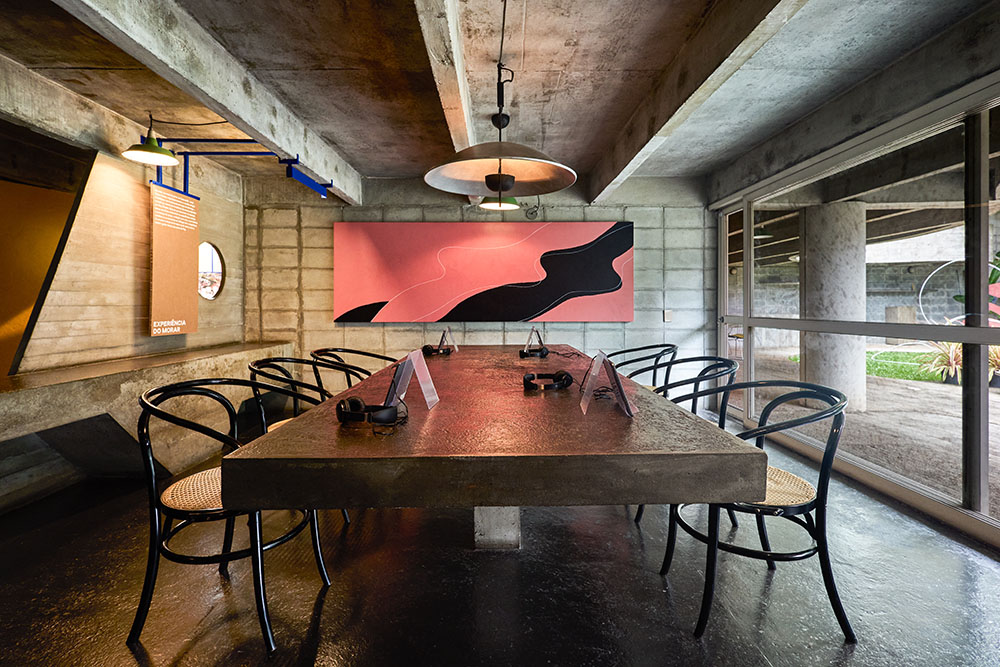
El interior contiene elementos singulares que estructuran la experiencia: una mesa curva en el área social, una chimenea en un volumen cúbico suspendido, estanterías integradas al sistema constructivo. Combina concreto con planos de color. Azul, rojo, amarillo y blanco aparecen como parte de la estructura del espacio, no como acabado. Estas decisiones refuerzan la idea de una arquitectura continua. El recorrido desde el acceso conduce progresivamente hacia las áreas privadas. El taller y el dormitorio principal se ubican al fondo del lote, separados del área social por un volumen intermedio y por un leve desnivel. Esta disposición introduce una gradación clara entre lo público, lo productivo y lo íntimo, sin aislar completamente cada ámbito. Todo se concentra en un volumen único que mantiene continuidad en las áreas sociales.
The interior contains singular elements that structure the experience: a curved table in the social area, a fireplace housed within a suspended cubic volume, and shelving integrated into the construction system. It combines concrete with planes of color. Blue, red, yellow, and white appear as part of the spatial structure, rather than as finishes.These decisions reinforce the idea of a continuous architecture. The sequence from the entrance gradually leads toward the private areas. The studio and the main bedroom are located at the back of the lot, separated from the social area by an intermediate volume and a slight change in level. This arrangement introduces a clear gradation between the public, the productive, and the intimate, without fully isolating each realm. Everything is contained within a single volume that maintains continuity across the social spaces.
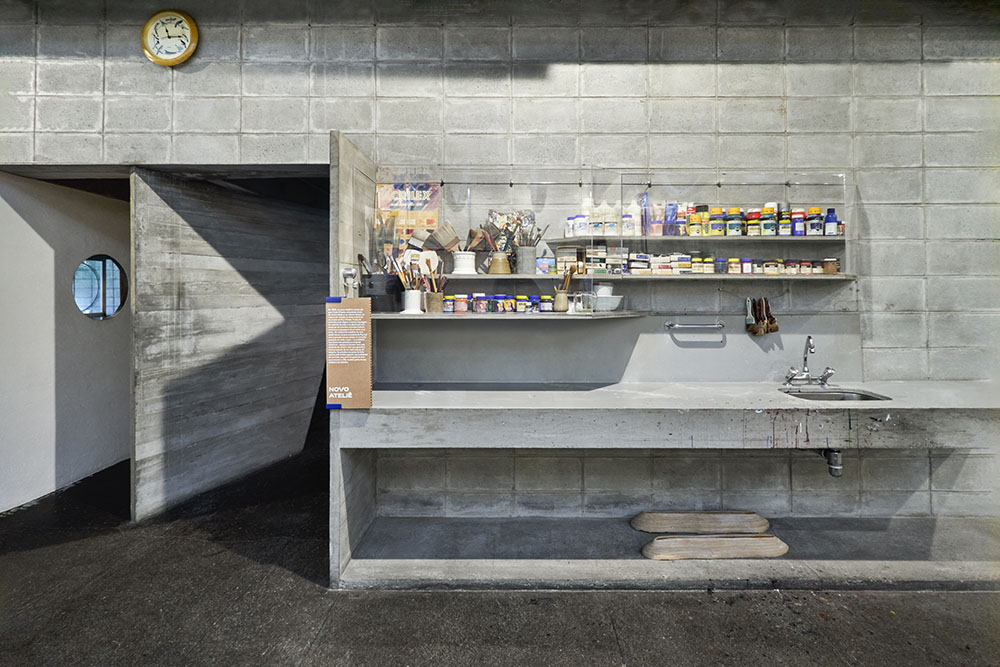
La vivienda fue concebida desde el inicio como casa y taller. Esta doble condición estructura el proyecto: los espacios no se jerarquizan entre habitar y producir, sino que permiten su coexistencia. Con las ampliaciones realizadas en 1985 y 1997, que incorporan nuevos terrenos y suman áreas como archivo, espacios de trabajo y un segundo taller, esta lógica se mantiene y se expande sin alterar la organización original. A lo largo del tiempo, la obra de Tomie Ohtake se integra de manera orgánica a la casa. Las piezas no se disponen como elementos expositivos aislados, sino como parte del entorno cotidiano. La arquitectura, en ese sentido, actúa como soporte y continuidad de la práctica artística.
The house was conceived from the outset as both home and studio. This dual condition structures the project: spaces are not hierarchized between living and producing, but allow for their coexistence. With the expansion carried out around 1986—which incorporated the adjacent plot and added areas such as a dining room, an archive for paintings and prints, a small workspace, a compact apartment, and an expanded kitchen—this logic is maintained and extended without altering the original organization. Over time, Tomie Ohtake’s work became organically integrated into the house. The pieces are not arranged as isolated exhibition elements, but as part of the everyday environment. In this sense, the architecture acts as both support and continuity of artistic practice.
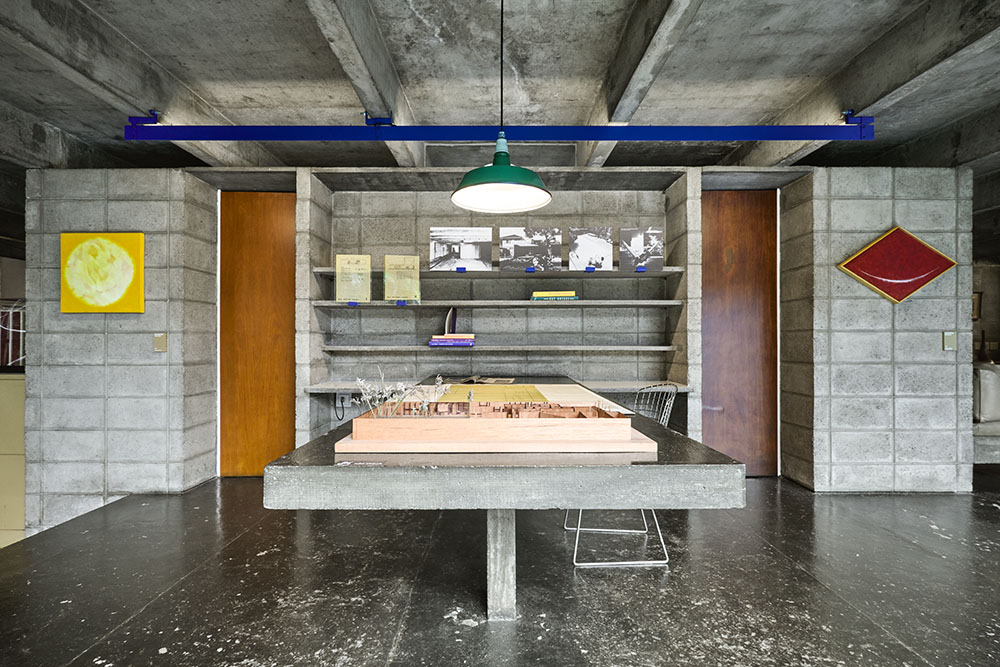
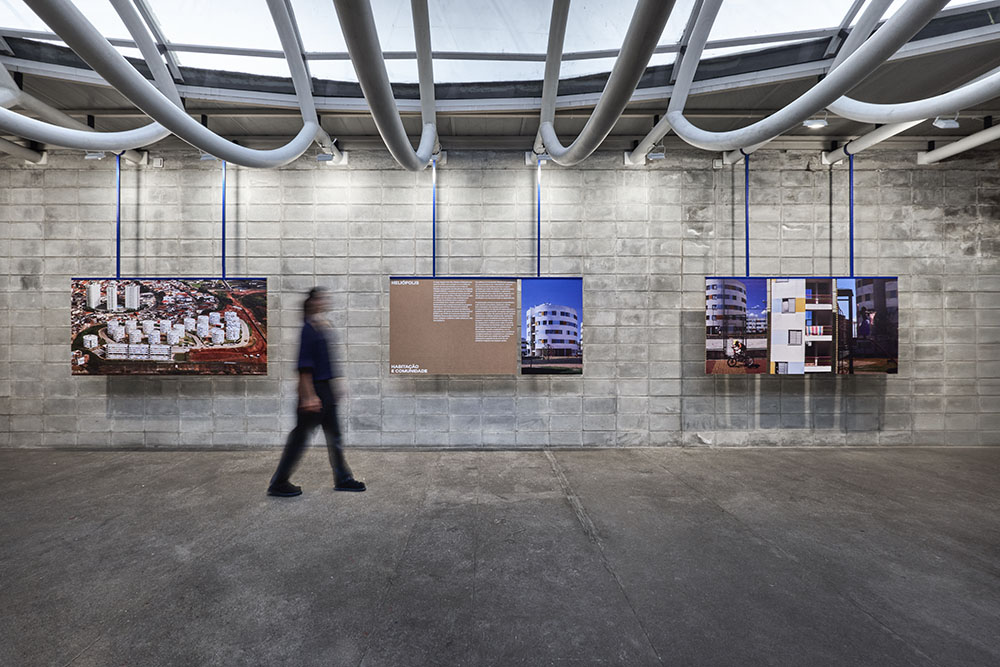
Hoy en día, la casa adquiere un valor que excede su condición doméstica. Funciona como registro construido de una relación y de una forma de trabajo. Más que un objeto autónomo, es una estructura pensada para sostener una vida dedicada a la producción artística, donde cada decisión, espacial, material y constructiva, responde a esa condición. La casa se mantiene como parte del legado de Tomie Ohtake y conserva su condición de casa-taller. Además de espacio doméstico y de trabajo, funciona como una especie de galería, donde conviven obras de artistas cercanos o admirados por Tomie, integradas al recorrido cotidiano.
Today, the house takes on a value that exceeds its domestic condition. It functions as a built record of a relationship and a way of working. More than an autonomous object, it is a structure designed to sustain a life devoted to artistic production, where every spatial, material, and constructive decision responds to that condition. The house remains part of Tomie Ohtake’s legacy and preserves its condition as a home-studio. In addition to being a domestic and working space, it also functions as a kind of gallery, where works by artists close to or admired by Tomie coexist, integrated into the everyday sequence.