
07.04.2026. Bilbao
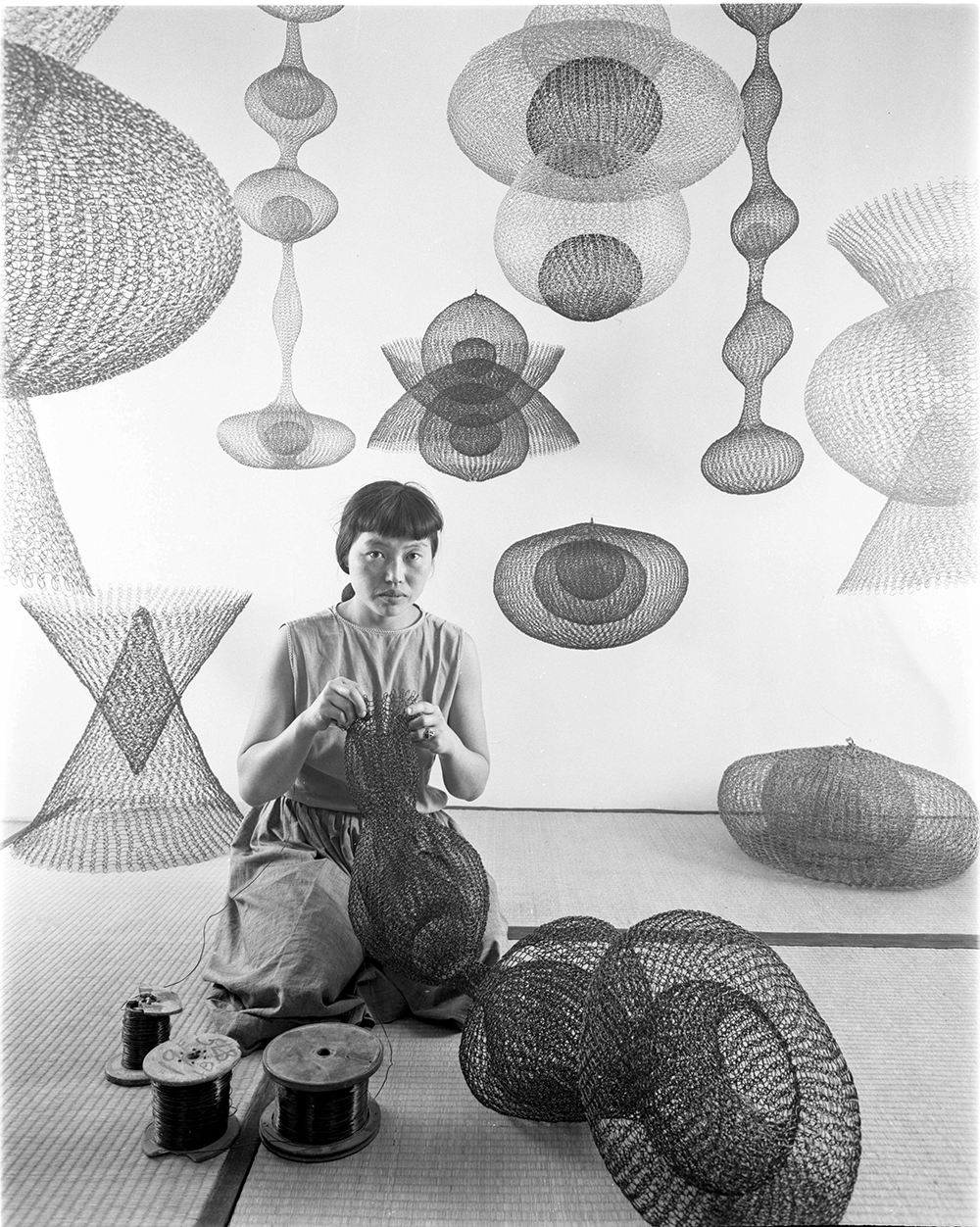
Ruth Asawa: Retrospectiva, presentada en el Guggenheim Bilbao del 19 de marzo al 13 de septiembre de 2026, conmemora el centenario del nacimiento de la artista. La exposición, organizada por el San Francisco Museum of Modern Art (SFMOMA) y el Museum of Modern Art (MoMA), ofrece un recorrido amplio por más de seis décadas de su trabajo.
Ruth Asawa: Retrospective, presented at the Guggenheim Bilbao from March 19 to September 13, 2026, marks the centenary of the artist’s birth. Organized by the San Francisco Museum of Modern Art (SFMOMA) and the Museum of Modern Art (MoMA), the exhibition offers a broad overview of more than six decades of her work.
Nacida en California en 1926, Ruth Asawa creció en una familia de origen japonés dedicada a la agricultura. Durante la Internment of Japanese Americans, fue recluida junto a su familia en campos de internamiento en Estados Unidos, una experiencia que influyó en su manera de entender el mundo. Tras la guerra, continuó su formación artística en el Black Mountain College, donde entró en contacto con artistas y pedagogías experimentales que marcaron su enfoque. Allí desarrolló un interés por los materiales, el trabajo manual y la relación entre arte y vida cotidiana, elementos que se mantendrían constantes a lo largo de su práctica.
Born in California in 1926, Ruth Asawa grew up in a Japanese American farming family. During the Internment of Japanese Americans, she and her family were incarcerated in U.S. internment camps, an experience that shaped her understanding of the world. After the war, she continued her artistic education at Black Mountain College, where she encountered experimental teaching methods and influential artists who helped define her approach. There, she developed a lasting interest in materials, handwork, and the relationship between art and everyday life.
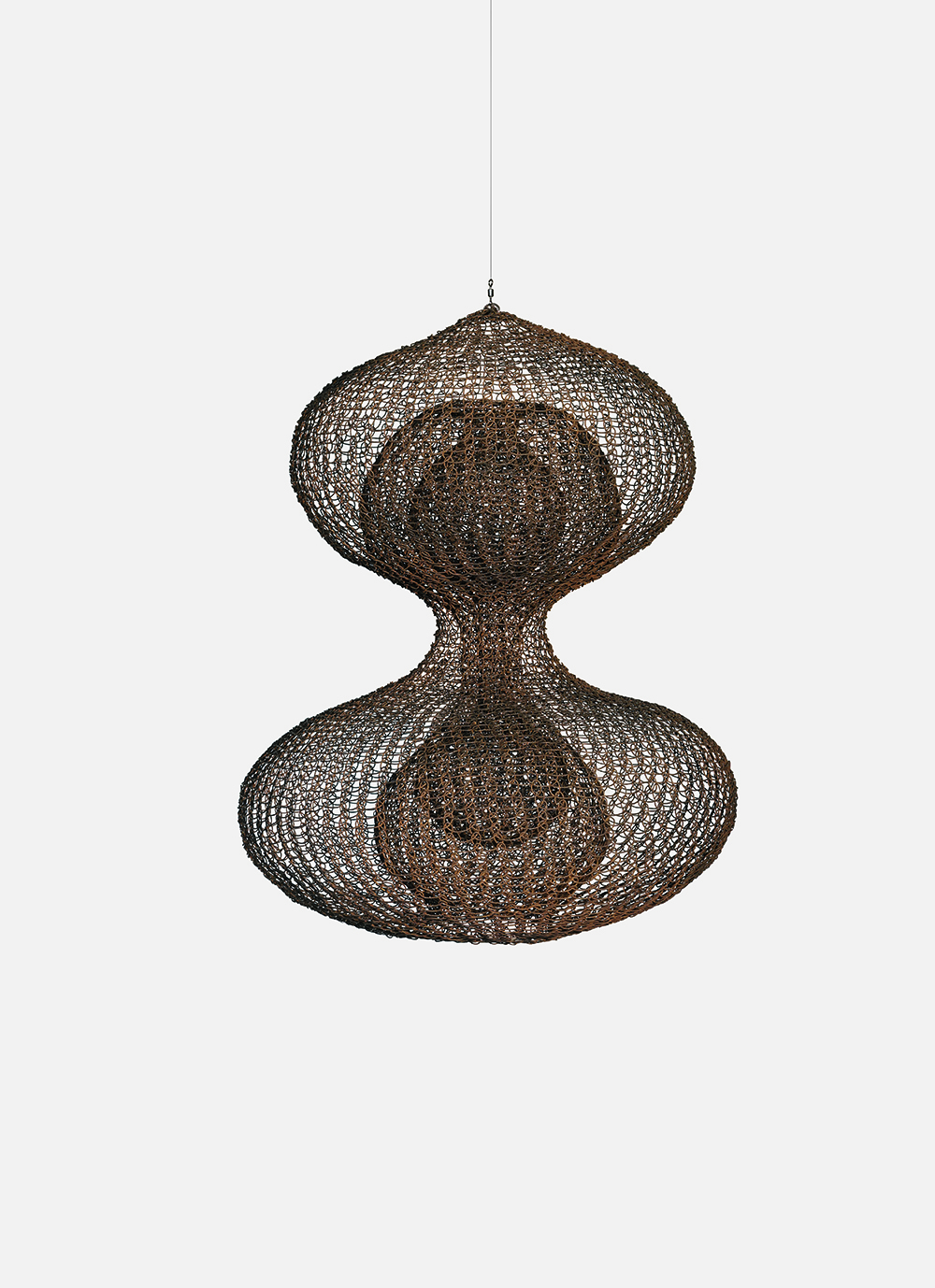
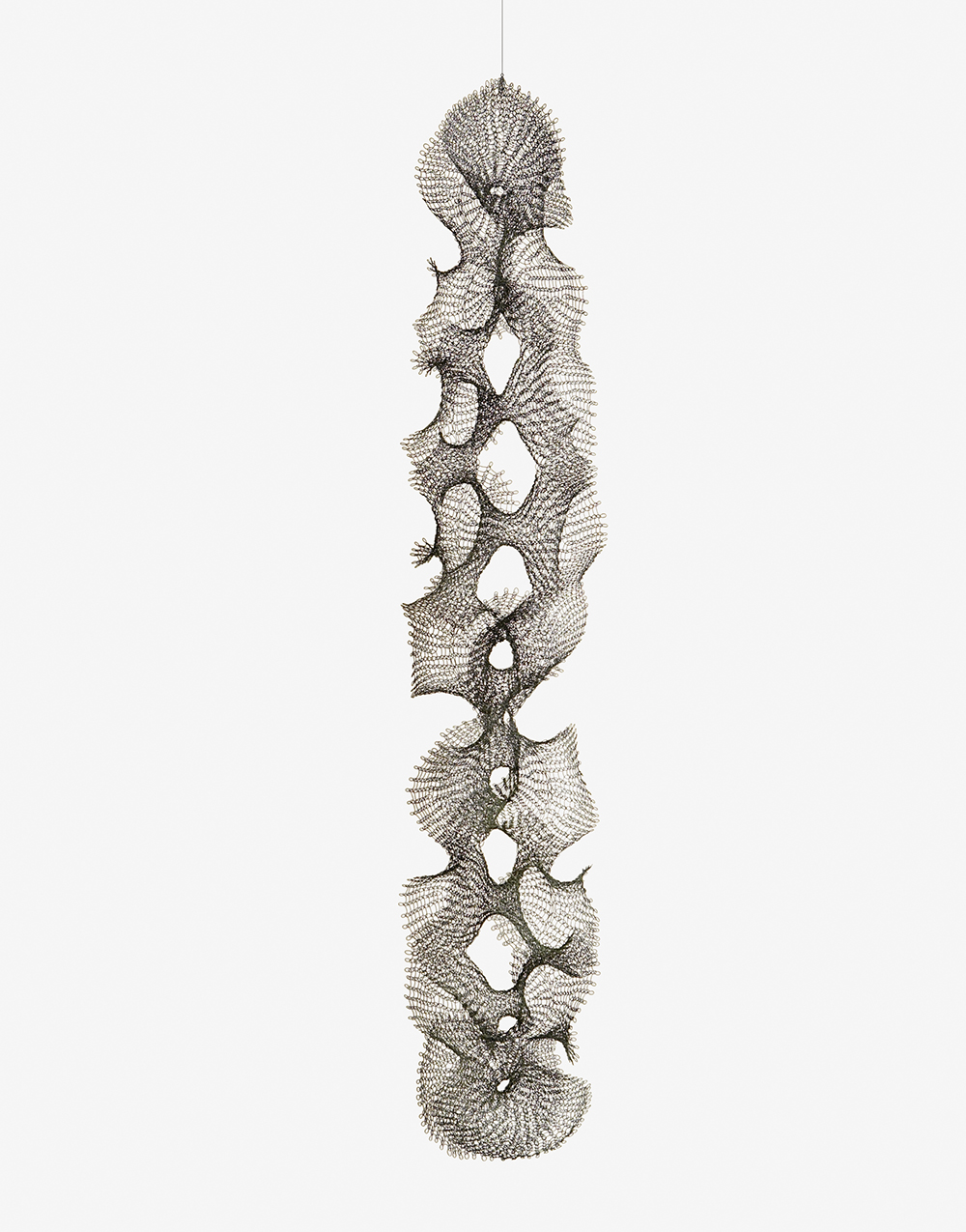
The exhibition brings together some of her most recognized works, including her wire sculptures, alongside pieces in clay and bronze, paperfolding works, paintings, drawings, sketchbooks, and prints produced between 1947 and 2006. Throughout her practice, Asawa developed a language closely tied to the natural world, exploring organic patterns through the properties of wire. She worked this material by hand, creating loops that interlock and overlap to form complex structures. These forms, which contain other forms within them, generate continuous surfaces and volumes defined by transparency. One of the central ideas in her work is the “continuous form within a form,” which she described as something that exists “inside and outside at the same time.”
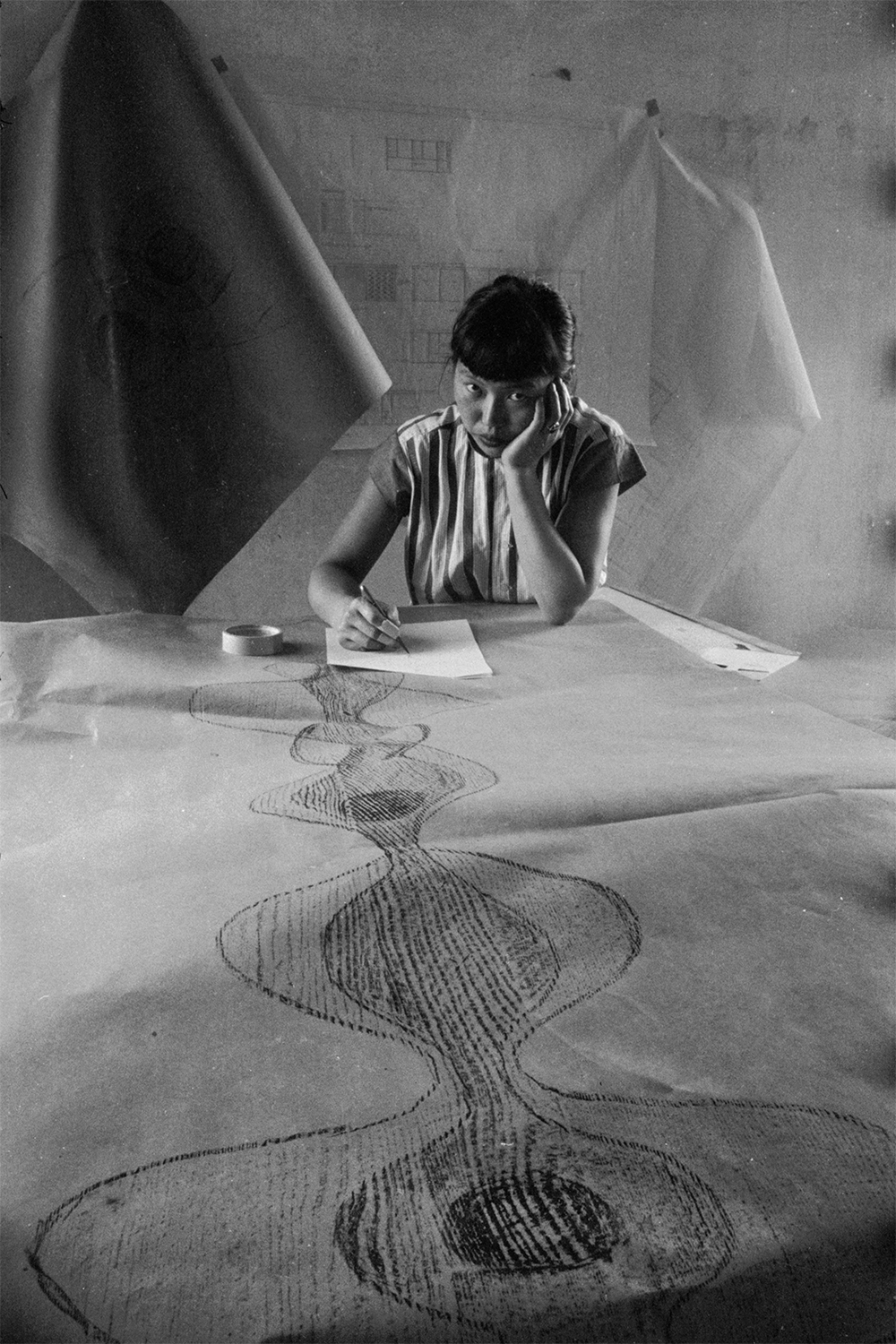
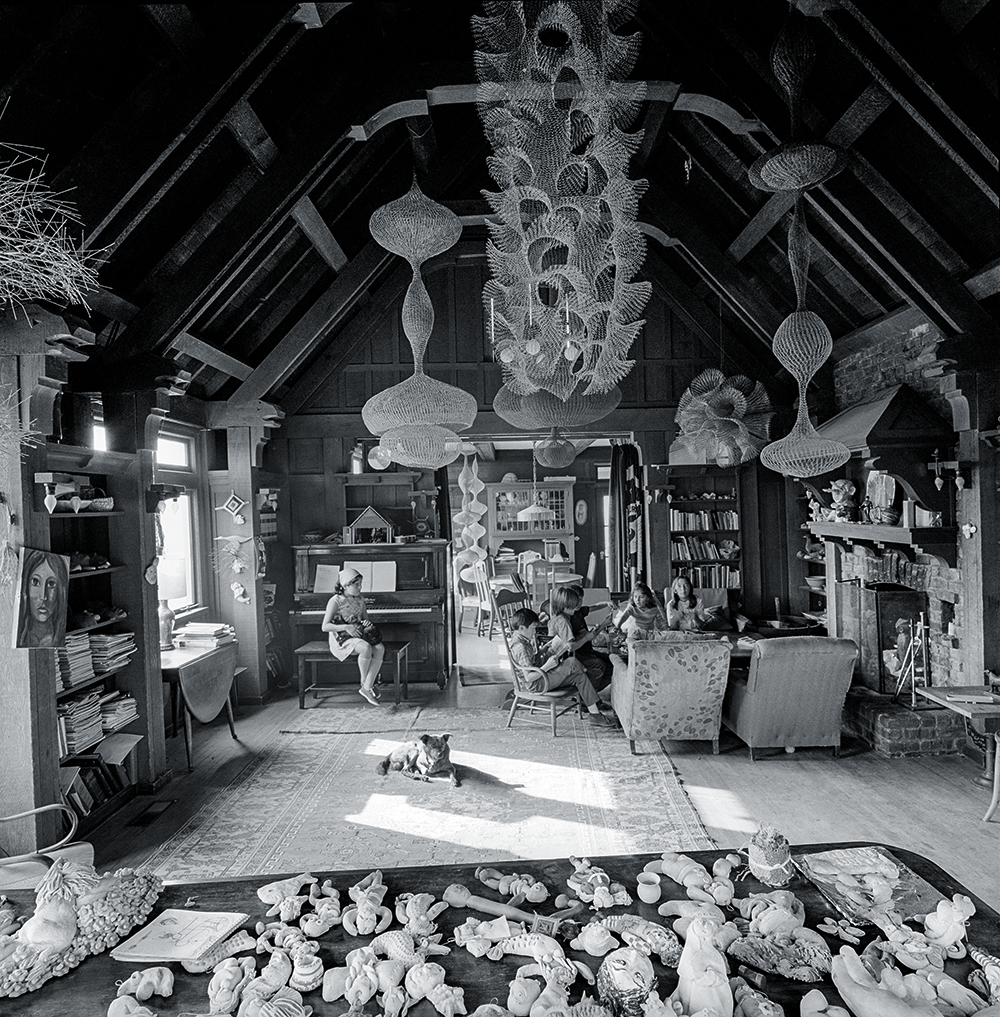
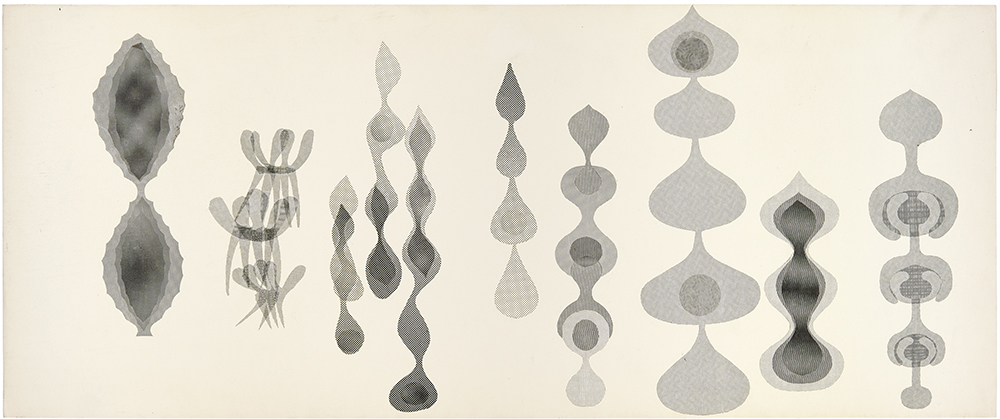
La exposición también incluye su trabajo en litografía, una técnica que exploró especialmente durante la década de 1960, ampliando la comprensión de su práctica más allá de la escultura. Organizada en diez secciones, la retrospectiva aborda temas como la abstracción y la representación, la relación entre figura y fondo, y el uso del espacio positivo y negativo, así como ideas de continuidad y transparencia. Más allá de una sola línea de investigación, su obra está atravesada por su entorno cotidiano: los objetos, los procesos y su vida familiar se integran de manera directa en su práctica.
The exhibition also includes her work in lithography, a medium she explored particularly in the 1960s, expanding the understanding of her practice beyond sculpture. Organized into ten sections, the retrospective addresses themes such as abstraction and representation, the relationship between figure and ground, and the use of positive and negative space, as well as ideas of continuity and transparency. Rather than following a single line of inquiry, her work is deeply shaped by her everyday environment, where objects, processes, and family life are directly integrated into her artistic practice.