
06.02.26. CDMX
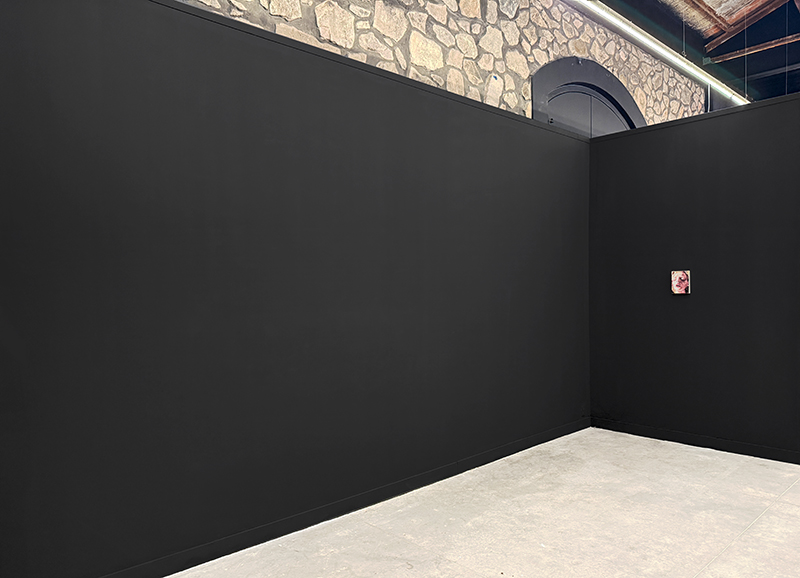
During the opening of Material Art Fair 12th edition in Mexico City, Management Gallery from NYC quietly disrupted the dominant logic of the fair. Management presented a new painting by Tim Brawner—explicitly not for sale. In a context structured around circulation, acquisition, and market visibility, the gesture felt almost anachronistic. Or perhaps radically contemporary.
Durante la inauguración de la duodécima edición de Feria Material en Ciudad de México, Management Gallery de NYC alteró silenciosamente la lógica dominante de la feria. Management presentó una nueva pintura de Tim Brawner que, de forma explícita, no estaba a la venta. En un contexto definido por la circulación, la adquisición y la visibilidad de mercado, el gesto parecía casi anacrónico. O, tal vez, profundamente contemporáneo.
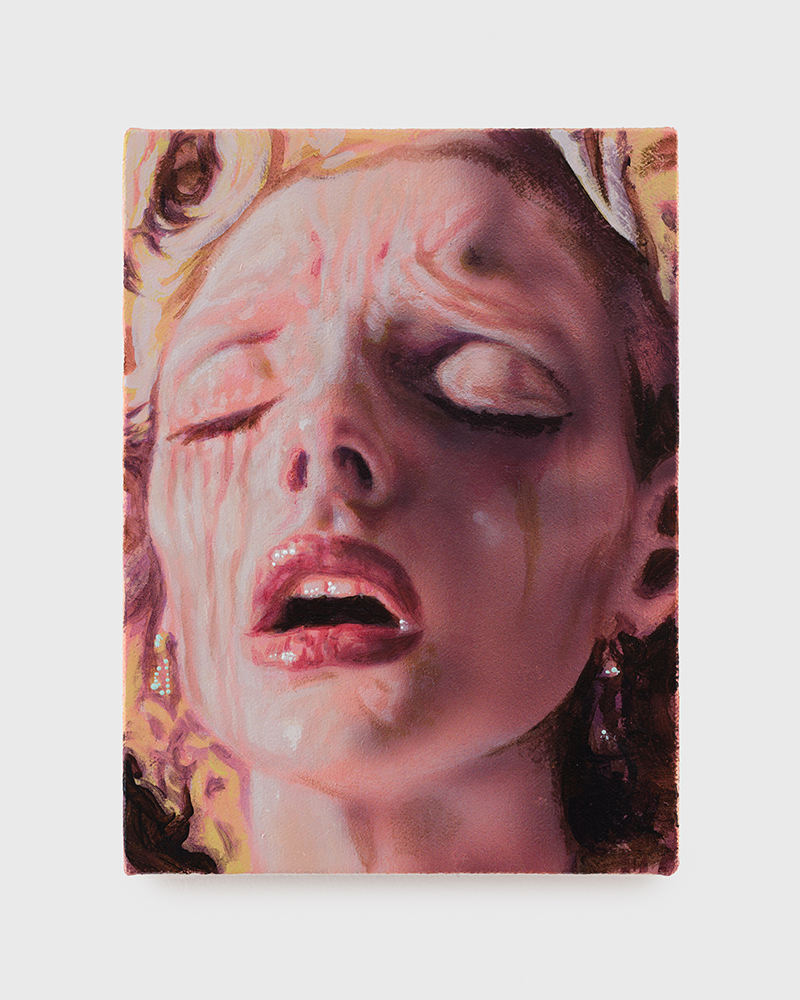
Brawner’s work operates in a territory of deliberate discomfort. Technically virtuosic and conceptually precise, his painting mobilizes the visual language of illustration, montage, and the grotesque to construct images that resist immediate legibility. Figures appear fragmented, hybrid, and unsettling, producing what the artist defines as a pathos of weirdness: a seductive estrangement that draws the viewer in while simultaneously destabilizing them. The painting does not ask to be consumed; it demands to be confronted.
La obra de Brawner se sitúa en un territorio de incomodidad deliberada. Con una técnica virtuosa y una precisión conceptual notable, su pintura utiliza el lenguaje de la ilustración, el montaje y lo grotesco para construir imágenes que resisten la lectura inmediata. Las figuras aparecen fragmentadas, híbridas, inquietantes, produciendo lo que el artista denomina un pathos de la extrañeza: una forma de seducción que atrae al espectador mientras lo descoloca. La pintura no pide ser consumida; exige ser enfrentada.
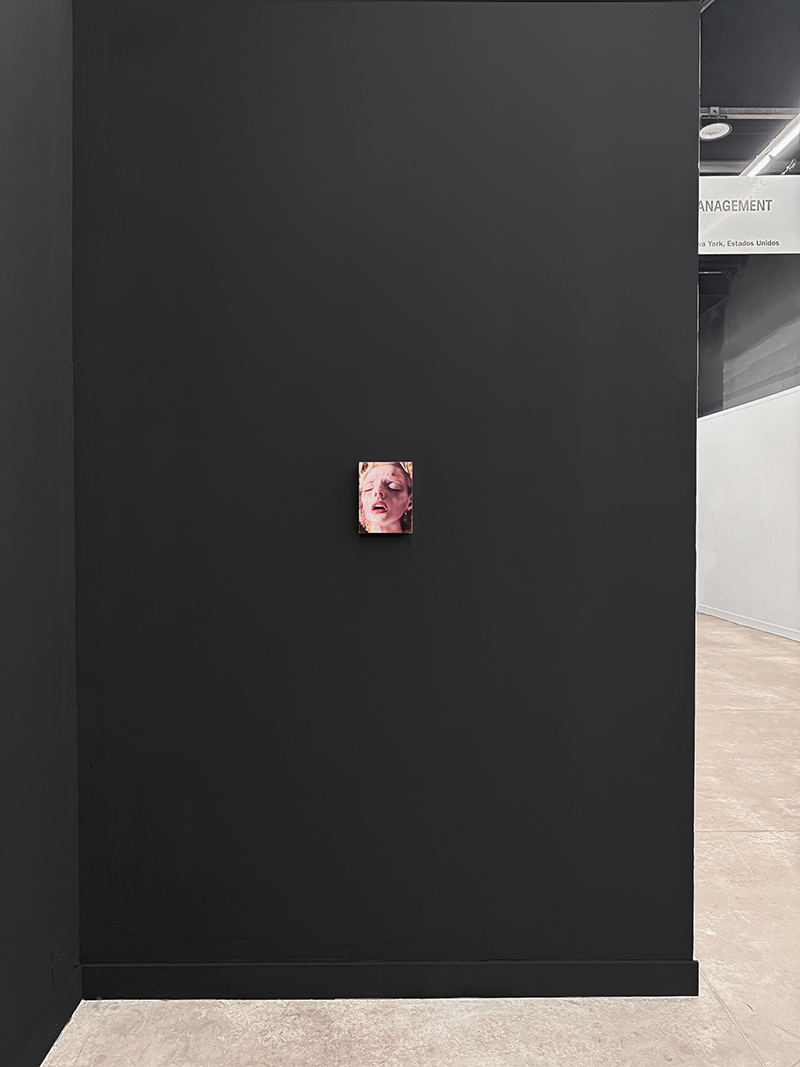
By withdrawing the work from sale, the booth reframed the encounter between artwork and viewer. The absence of a price tag redirected attention away from speculation and toward affect, form, and conceptual tension. In doing so, it questioned one of the most normalized assumptions of art fairs: that visibility must always be tied to exchange. Here, visibility emerged instead through refusal.
This strategy is not without risk. Presenting an unsellable work in a fair context challenges both economic expectations and institutional habits. Yet paradoxically, this refusal amplified the work’s presence. The booth became a site of curiosity, discussion, and speculation precisely because it resisted transactional logic. Difference, in this case, functioned as a form of clarity.
Al retirar la obra del circuito de venta, el booth reformuló la relación entre obra y espectador. La ausencia de un precio desplazó la atención desde la especulación hacia el afecto, la forma y la tensión conceptual. De este modo, se cuestionó uno de los supuestos más naturalizados de las ferias de arte: que la visibilidad debe estar siempre ligada al intercambio. Aquí, la visibilidad emergió a través de la negación.
Esta estrategia no está exenta de riesgo. Presentar una obra no comercializable dentro de una feria desafía tanto las expectativas económicas como los hábitos institucionales. Sin embargo, de manera paradójica, esta negativa intensificó la presencia de la obra. El booth se convierte en un espacio de curiosidad, conversación y especulación precisamente porque resiste a la lógica transaccional. En este caso, la propuesta opera como una forma de claridad.
The question lingers: must art always be available to be valuable? At Material, Management and Tim Brawner proposed another possibility—one where withholding becomes a critical gesture, and where not selling may, in fact, be one of the most visible acts an artwork can perform.
La pregunta permanece abierta: ¿el arte necesita estar disponible para ser valioso? En Material, Management y Tim Brawner propusieron otra posibilidad: una en la que la negación se convierte en un gesto crítico, y donde no vender puede ser, precisamente, una de las formas más visibles de existir.