
11.05.2026. Bogotá
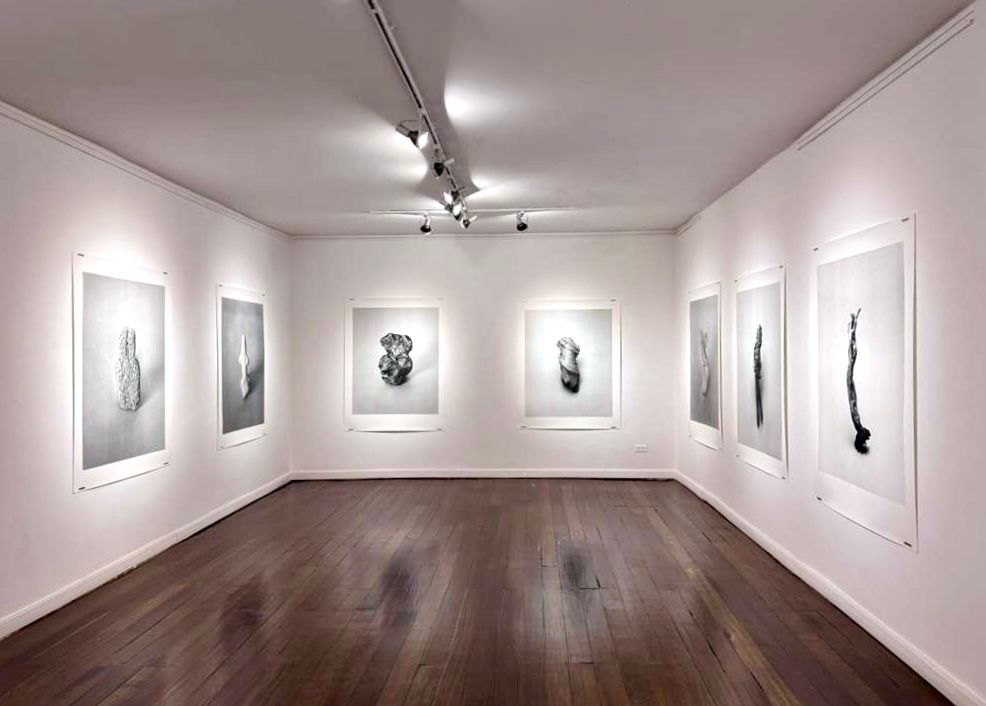
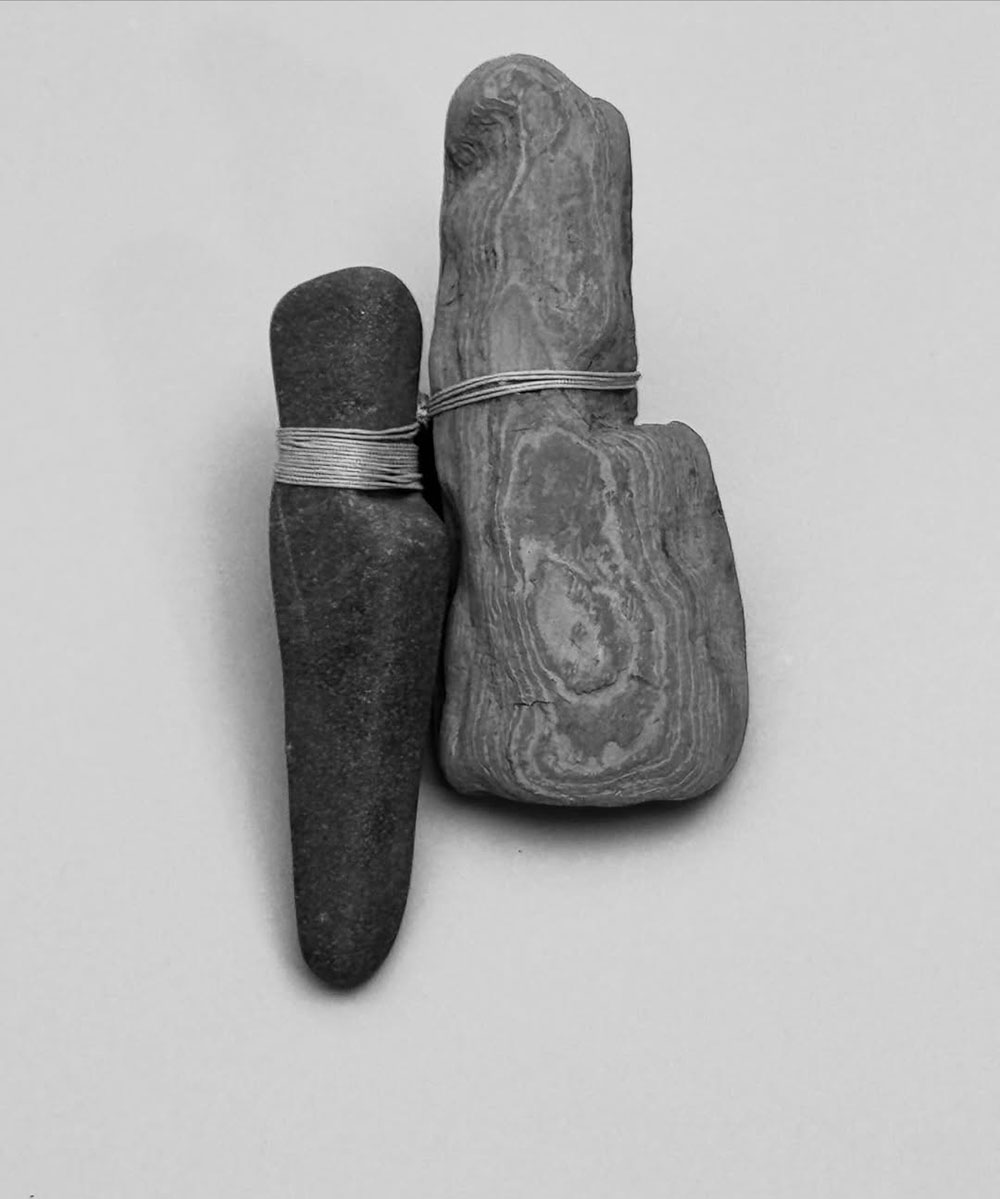
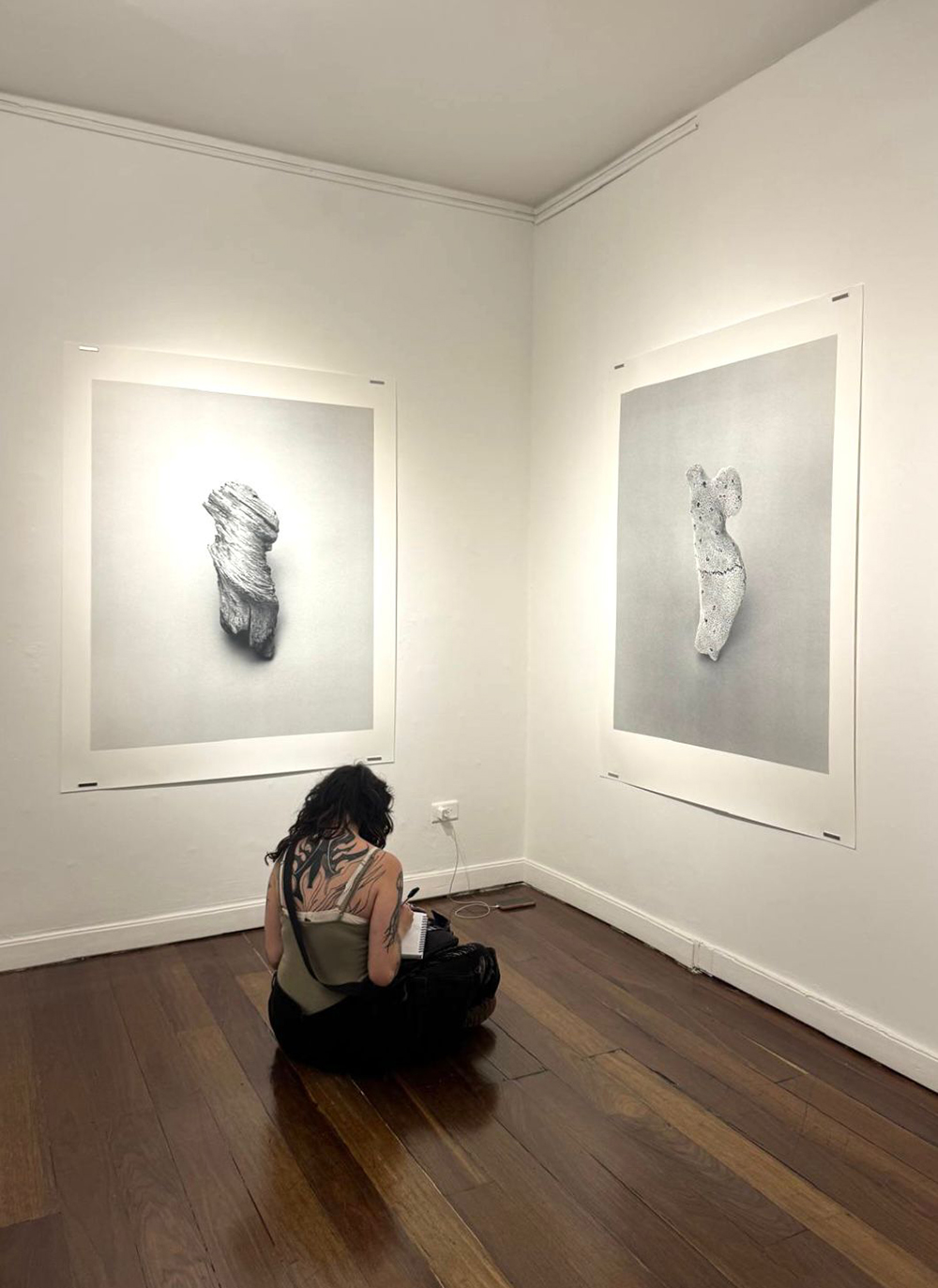
Presentada en la Galería Alonso Garcés, Memoria de la materia de Geneviève Maquinay surge del encuentro íntimo con los objetos. A partir del acto de caminar, observar y recoger, la artista construye una investigación material que va más allá de la forma o la función inicial de cada elemento, para detenerse en aquello que los objetos conservan: memoria, energía, huella e historia. Maquinay inicia hace muchos años en la pintura y, posteriormente, comienza a crear estas esculturas mediante piezas construidas con materiales que cargan una vida propia: maderas, piedras, metales y objetos cotidianos que muchas veces pasan desapercibidos. Recientemente, la artista ha comenzado a explorar la fotografía como otro medio, donde estas esculturas y objetos adquieren una nueva presencia. La contemplación se vuelve fundamental, y cada elemento resignifica su existencia.
Presented at Galería Alonso Garcés, Memory of Matter by Geneviève Maquinay emerges from an intimate encounter with objects. Through the acts of walking, observing, and collecting, the artist develops a material investigation that goes beyond the original form or function of each element, focusing instead on what objects preserve: memory, energy, traces, and history. Maquinay began her practice many years ago in painting and later started creating these sculptures through assemblages made from materials that carry a life of their own: wood, stones, metals, and everyday objects that often go unnoticed. More recently, the artist has begun exploring photography as another medium through which these sculptures and objects acquire a new presence. Contemplation becomes essential, and each element redefines its own existence.
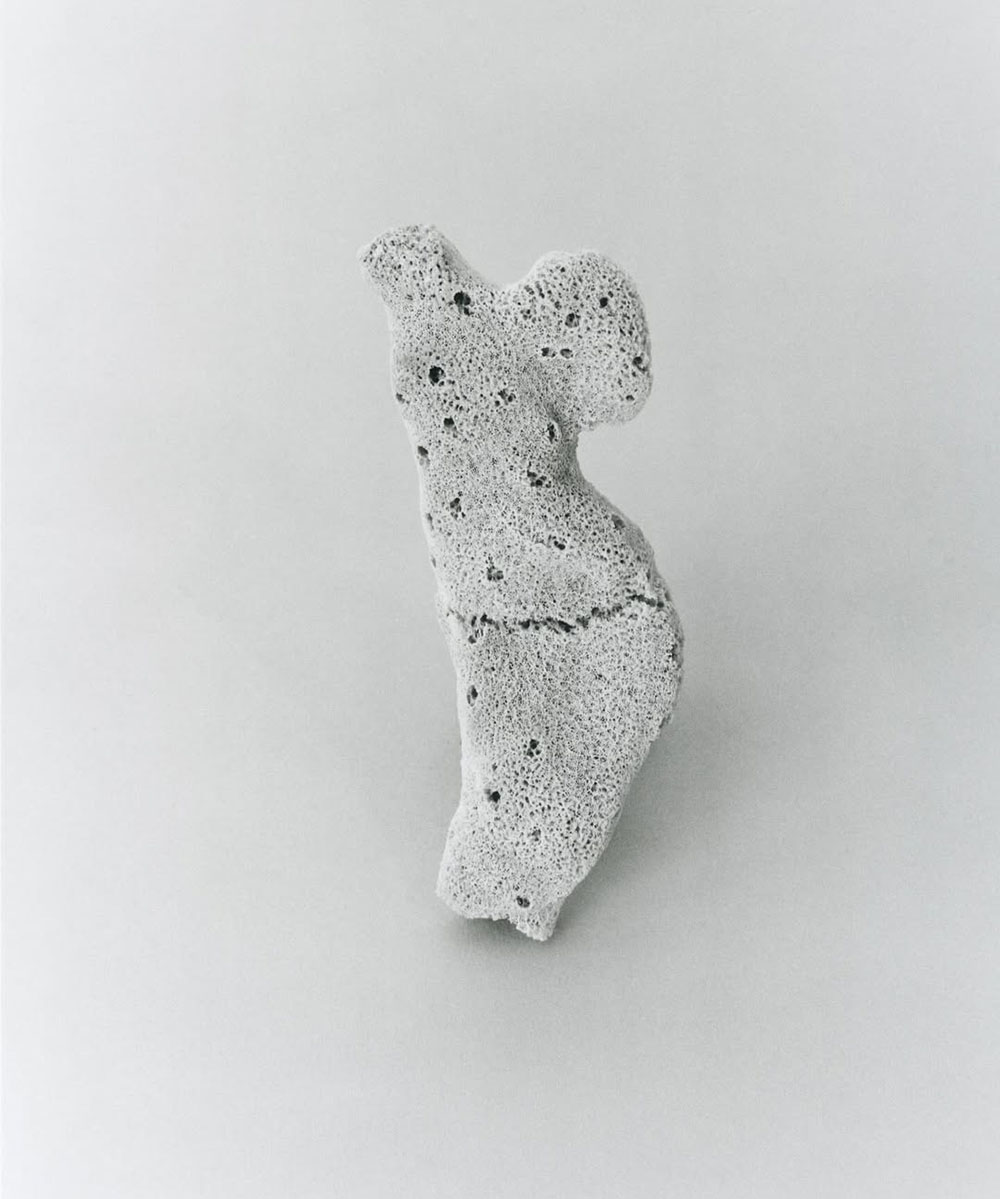
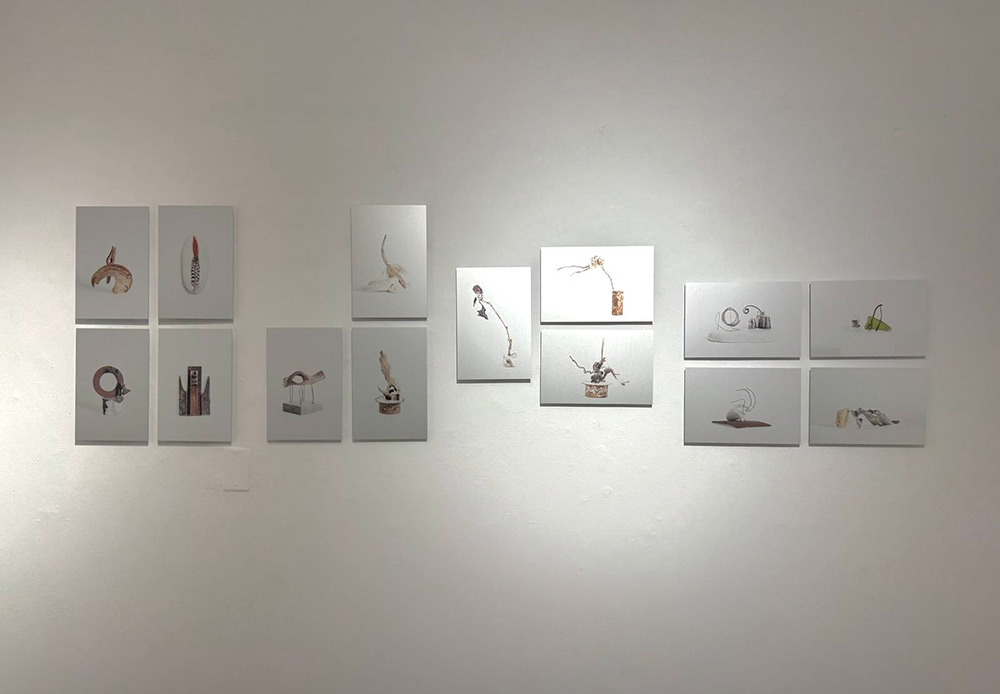
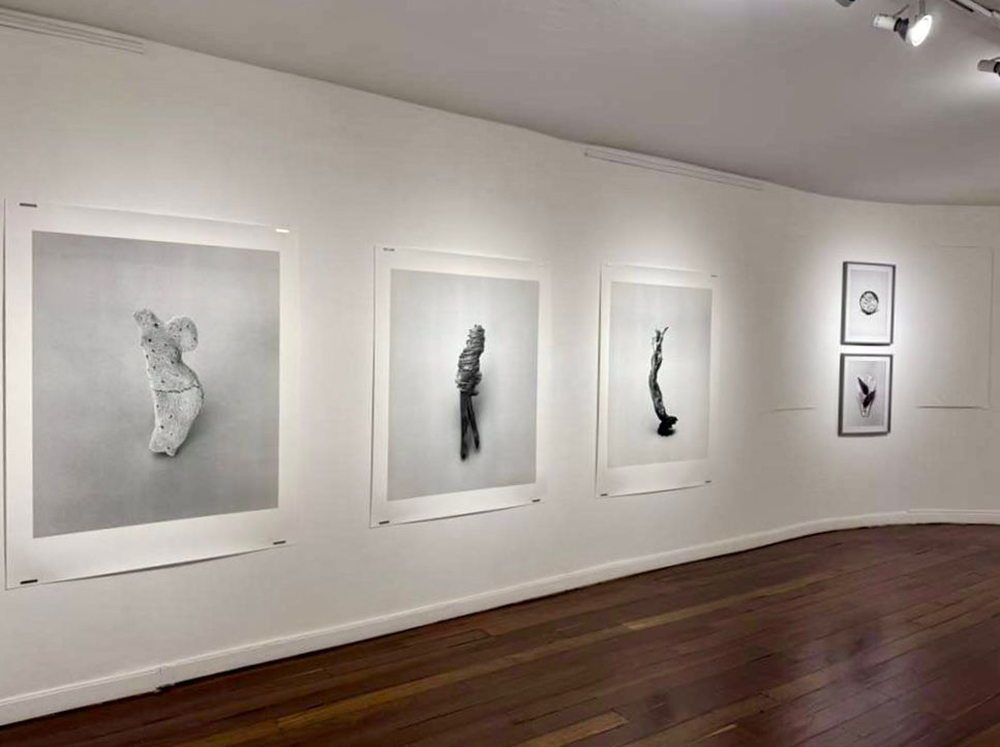
En las obras, los materiales empiezan a relacionarse entre sí a través de conexiones inesperadas. “Cada escultura es el resultado de asociaciones inesperadas e intervenciones pensadas”, afirma la artista. Existe además un movimiento constante entre distintos planos: de la escultura a la fotografía, y de la fotografía nuevamente al objeto. Este tránsito permite registrar una relación cercana entre la artista y la materia, revelando texturas, grietas y superficies que hacen parte esencial del proceso. “Se completa así un ciclo en mi trabajo que va de la imagen al volumen y del volumen a la imagen”. Hablamos con la artista para tener una mirada más cercana a su proyecto:
Within the works, materials begin to relate to one another through unexpected connections. “Cada escultura es el resultado de asociaciones inesperadas e intervenciones pensadas,” says the artist. There is also a constant movement between different planes: from sculpture to photography, and from photography back to the object. This transition captures an intimate relationship between the artist and matter, revealing textures, cracks, and surfaces that become essential to the process. “Se completa así un ciclo en mi trabajo que va de la imagen al volumen y del volumen a la imagen.” We spoke with the artist to gain a closer perspective on her practice and project:
En tu obra hay una capacidad muy particular de encontrar imágenes poéticas en materiales y objetos aparentemente cotidianos. ¿Sientes que esa manera de mirar ha estado siempre contigo o ha sido algo que has ido desarrollando con el tiempo?
Creo que esa manera de mirar siempre ha estado conmigo. Desde pequeña he sentido una fascinación muy profunda por la naturaleza, y la observación es lo que conecta ese mundo externo conmigo. Siempre he tenido una mirada muy atenta hacia los detalles y hacia aquello que, aunque parezca cotidiano o banal, contiene una fuerza espiritual y misteriosa. También creo que los objetos necesitan ser aprendidos a mirar. Incluso aquello que podría considerarse feo o insignificante puede volverse bello cuando se observa con atención y con amor. En ese acto de contemplación, el objeto adquiere otra presencia, casi la posibilidad de una segunda vida. Con el tiempo, esta sensibilidad se ha ido afinando y, gracias a mi contacto con la belleza innata de un cuerpo, una materia o un objeto, se ha convertido en una parte esencial de mi práctica artística.
In your work, there is a very particular ability to find poetic images in seemingly ordinary materials and objects. Do you feel that this way of looking has always been with you, or is it something you have developed over time?
I believe that this way of looking has always been with me. Since I was a child, I have felt a very deep fascination with nature, and observation is what connects that external world to me. I have always had a very attentive gaze toward details and toward things that, although they may seem ordinary or banal, contain a spiritual and mysterious force. I also believe that objects need to be learned how to be looked at. Even something that might be considered ugly or insignificant can become beautiful when observed with attention and love. In that act of contemplation, the object acquires another presence — almost the possibility of a second life. Over time, this sensitivity has become more refined and, through my contact with the innate beauty of a body, a material, or an object, it has become an essential part of my artistic practice.
¿Cómo aprendes a reconocer cuándo un objeto tiene algo que decirte?
Es una especie de atracción difícil de explicar o medir racionalmente. Hay objetos o materiales que generan una resonancia inmediata en mí. A veces es una textura, una forma, un color o una sensación más intuitiva. Siento que ciertos elementos contienen una presencia o una energía particular, un aura o, más exactamente, una memoria preexistente. Muchas veces son objetos descartados, fragmentos o materiales aparentemente insignificantes, pero al observarlos con atención comienzan a revelar otra dimensión. Mi trabajo consiste en escuchar esa intuición y permitir que ese diálogo ocurra, como si al mirarlos se les devolviera de algún modo, una nueva posibilidad de existencia.
How do you learn to recognize when an object has something to tell you?
It is a kind of attraction that is difficult to explain or measure rationally. There are objects or materials that create an immediate resonance within me. Sometimes it is a texture, a shape, a color, or a more intuitive sensation. I feel that certain elements contain a particular presence or energy, an aura or, more precisely, a preexisting memory. Very often they are discarded objects, fragments, or seemingly insignificant materials, but when observed attentively they begin to reveal another dimension. My work consists of listening to that intuition and allowing that dialogue to happen, as if, by looking at them, a new possibility of existence were somehow returned to them.
Después de trabajar desde lo tridimensional, decides regresar al plano mediante la fotografía. ¿Qué te interesaba explorar en ese movimiento entre volumen e imagen?
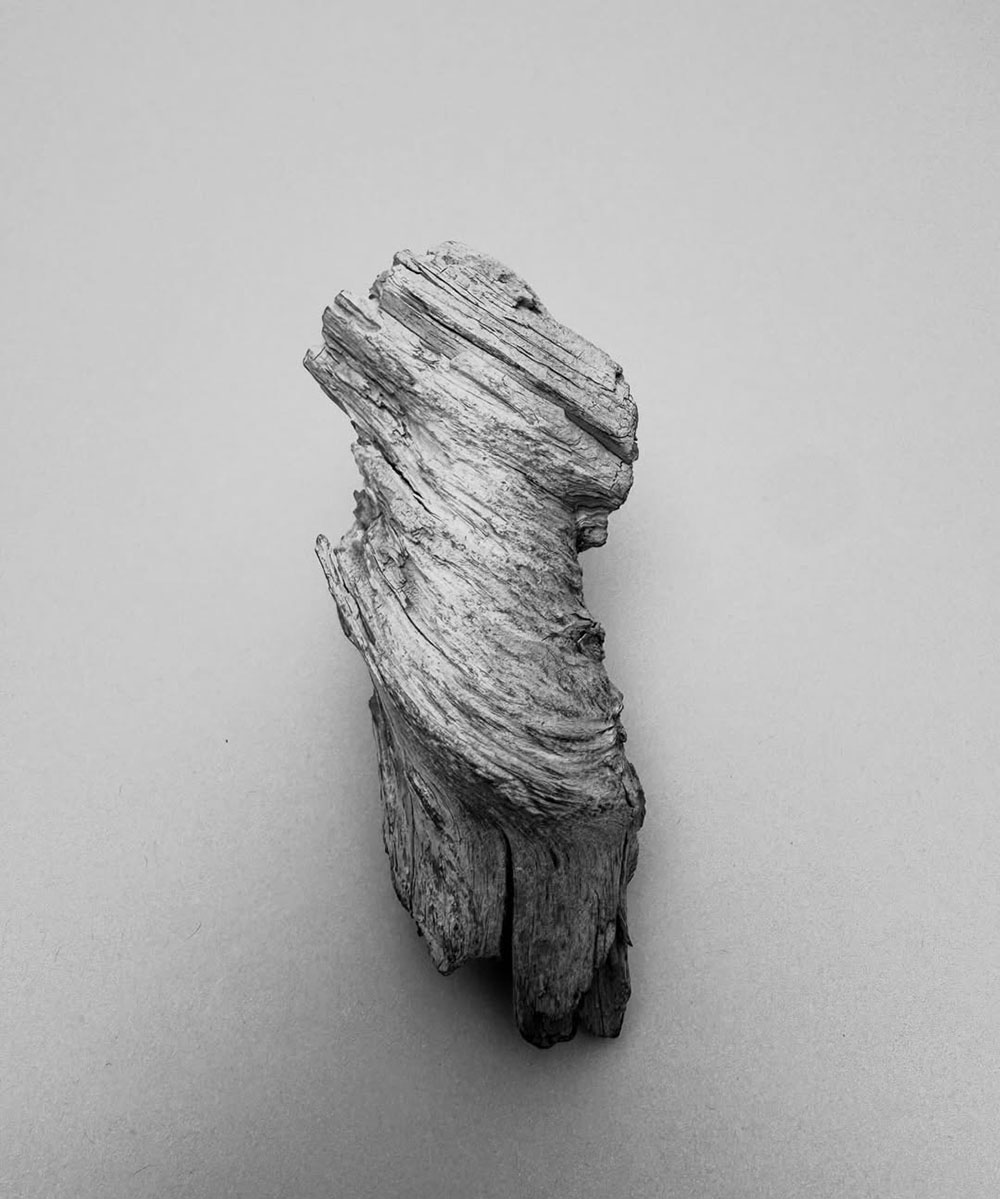
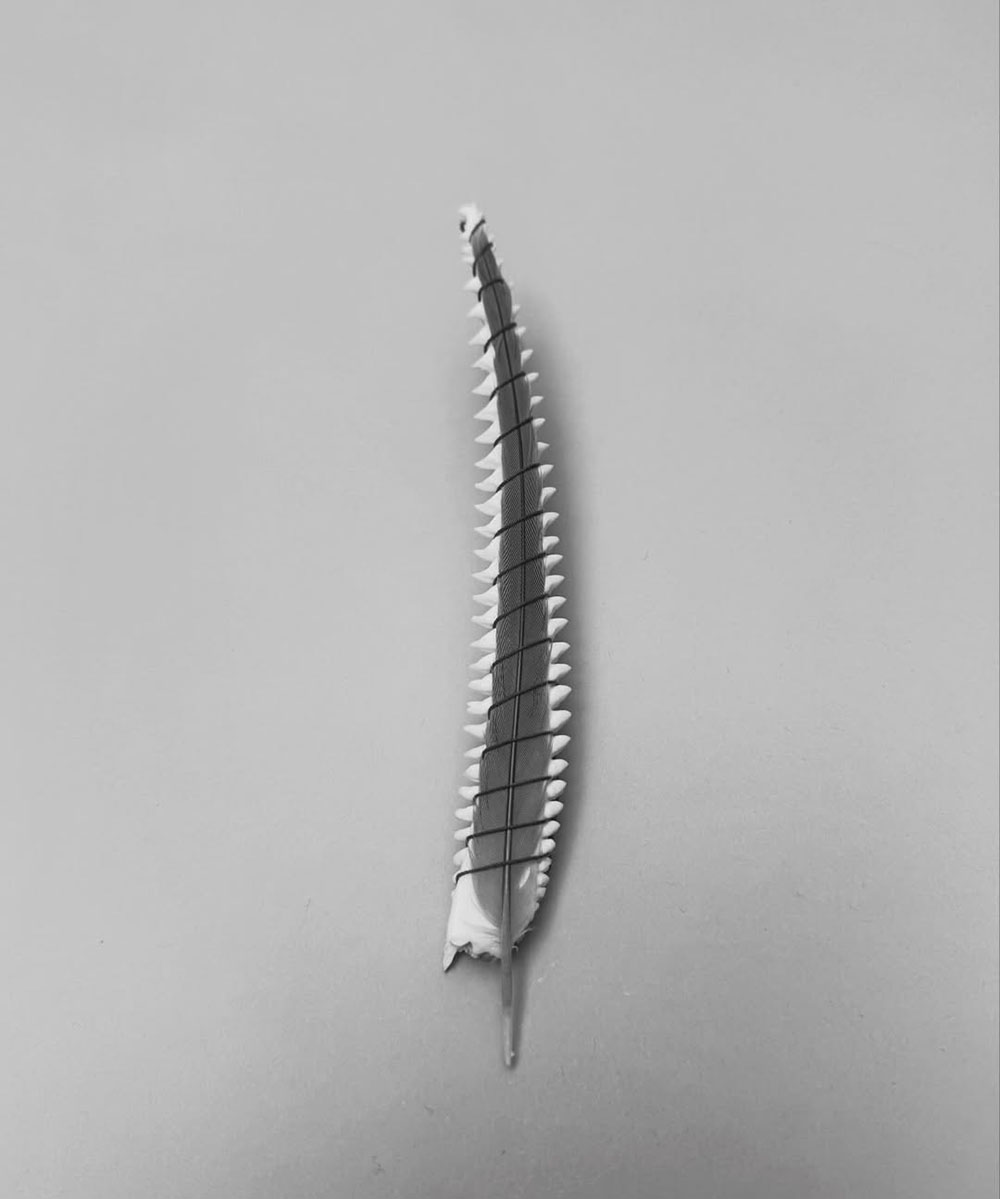
Me interesaba la posibilidad de transformar esos objetos y materiales a través de la imagen fotográfica, especialmente mediante la escala. La fotografía me permite ampliar detalles y observar con mayor precisión características, colores y formas que, en dimensiones pequeñas, pueden pasar desapercibidas. Es como mirar el cielo con un telescopio y maravillarse con todo lo que se revela en él. Al crecer la escala, esos elementos adquieren una presencia distinta y una nueva relevancia visual, casi como si revelaran otra naturaleza.
After working in three dimensions, you decided to return to the plane through photography. What interested you about exploring that movement between volume and image?
I was interested in the possibility of transforming those objects and materials through the photographic image, especially through scale. Photography allows me to enlarge details and observe with greater precision characteristics, colors, and forms that, at a smaller size, might go unnoticed. It is like looking at the sky through a telescope and marveling at everything that reveals itself within it. As the scale grows, these elements acquire a different presence and a new visual relevance, almost as if they were revealing another nature.
Tu proceso parece muy abierto a la relación entre los materiales y sus encuentros inesperados. ¿Cómo reconoces cuándo una combinación realmente funciona o “cobra vida”?
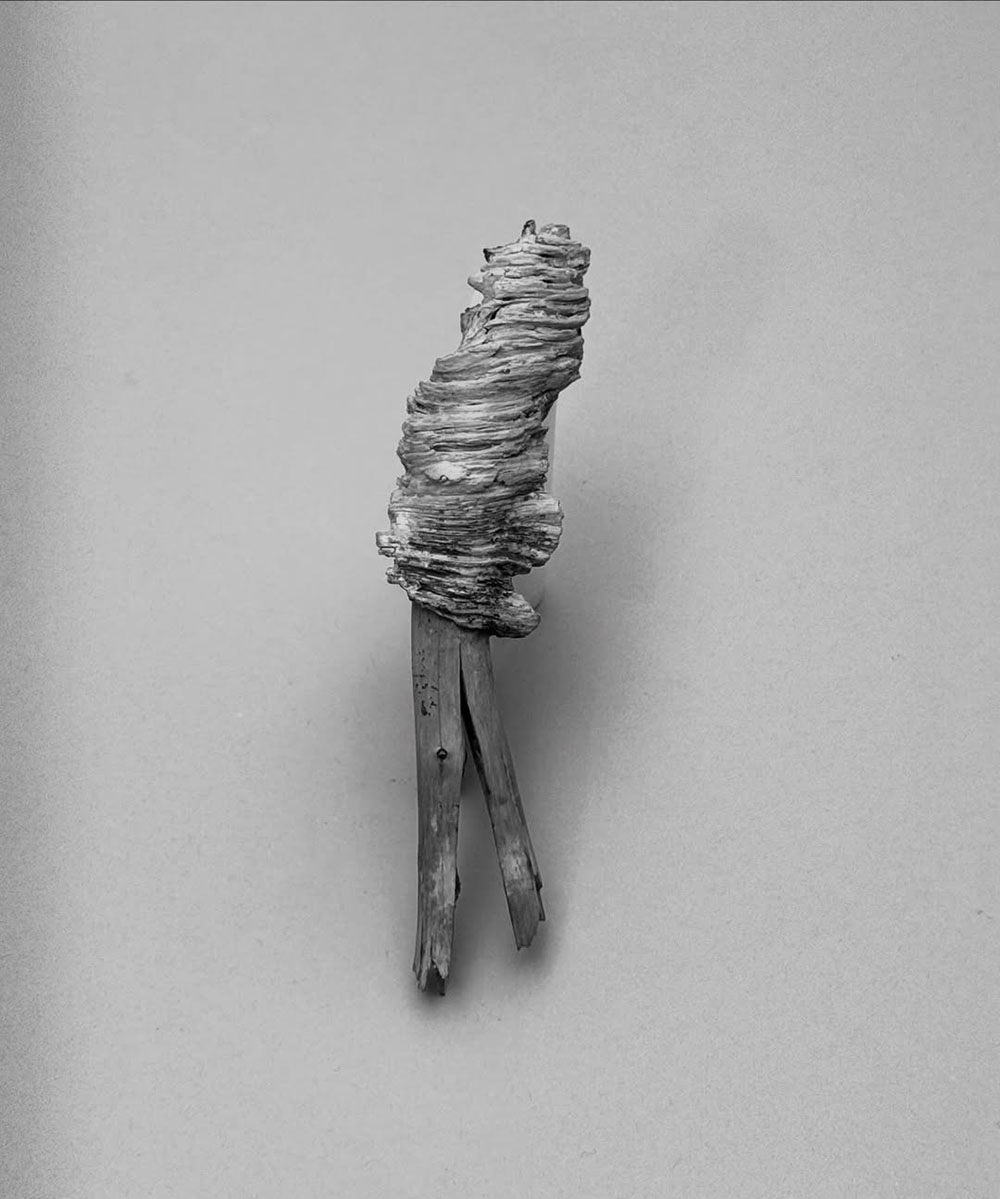
Creo que esas combinaciones cobran vida a través del subconsciente. Hay una parte muy intuitiva en mi proceso que no responde del todo a decisiones racionales. Muchas veces, los materiales encuentran entre sí relaciones inesperadas, tensiones o armonías que emergen de forma casi orgánica. Cuando eso sucede, siento que la obra empieza a tener una energía propia, como si los elementos comenzaran a dialogar entre sí más allá de mi control consciente.
Your process seems very open to the relationship between materials and their unexpected encounters. How do you recognize when a combination truly works or “comes to life”?
I believe these combinations come to life through the subconscious. There is a very intuitive aspect to my process that does not entirely respond to rational decisions. Very often, the materials find unexpected relationships, tensions, or harmonies among themselves that emerge in an almost organic way. When that happens, I feel that the work begins to develop an energy of its own, as if the elements started to dialogue with one another beyond my conscious control.
Exposición hasta el 16 de mayo del 2026 en Bogotá.
On view until may 16, 2026 in Bogotá.
_____
Geneviève Maquinay desarrolla una práctica que atraviesa pintura, escultura y fotografía. Inició su formación artística en el taller de David Manzur y posteriormente continuó sus estudios en Bruselas, además de formarse en Italia y Nueva York. La relación con el entorno y el uso de materiales reciclados o encontrados atraviesan gran parte de su obra, abordando temas como memoria, territorio y objeto. Arte, ecología e impacto social aparecen así como ejes constantes dentro de una práctica que busca tender puentes entre la creación artística y la conciencia sobre el mundo material que habitamos. Exposición abierta hasta el 16 de mayo del 2026 en Bogotá.
Geneviève Maquinay develops a practice that moves across painting, sculpture, and photography. She began her artistic training in the studio of David Manzur and later continued her studies in Brussels, as well as in Italy and New York. Her relationship with the environment and the use of recycled or found materials run throughout her work, addressing themes such as memory, place, and objecthood. Art, ecology, and social impact emerge as recurring commitments within a practice that seeks to build bridges between creative expression and awareness of the material world we inhabit.