
27.11.2025. Venice
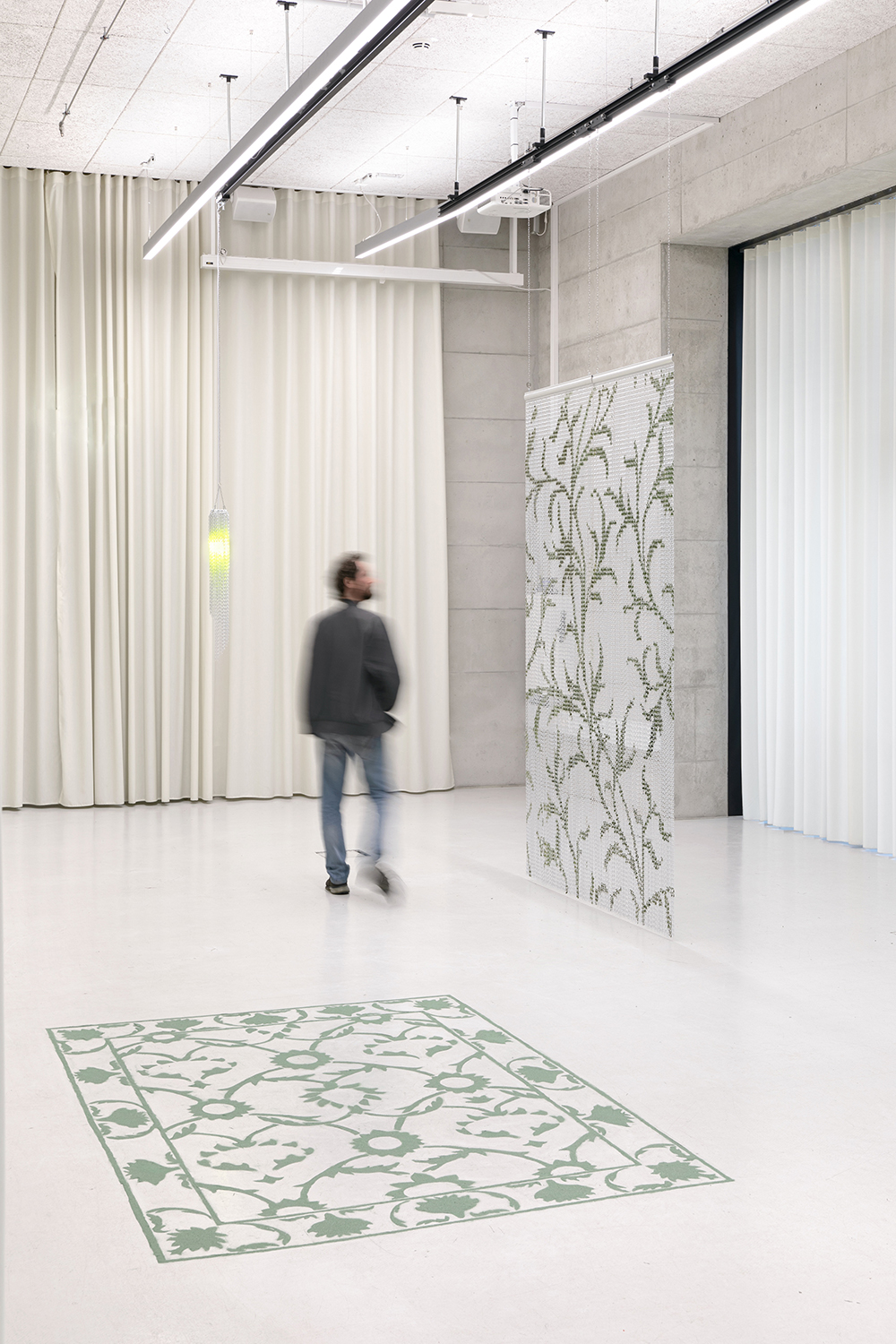
Lorenzo Zerbini (Venice, 2000) works between Vienna and his hometown, approaching the garden not as a merely decorative space but as a field of tensions. A place that appears orderly yet hides hierarchies, historical violences, and forms of control that have shaped our idea of “nature.” A graduate of Visual Arts at IUAV and currently pursuing a Master’s in Transdisciplinary Art at the University of Applied Arts in Vienna, Zerbini investigates how the human and the more-than-human intersect within these territories.
Lorenzo Zerbini (Venecia, 2000) trabaja entre Viena y su ciudad natal mirando el jardín no como un lugar simplemente decorativo, sino como un campo de tensiones. Un espacio que parece ordenado, pero que en realidad esconde jerarquías, violencias históricas y formas de control que han moldeado nuestra idea de “naturaleza”. Graduado de Artes Visuales en IUAV y actualmente estudiante del Master’s in Transdisciplinary Art en la University of Applied Arts de Viena, Zerbini investiga cómo se cruzan lo humano y lo más-que-humano en esos territorios.
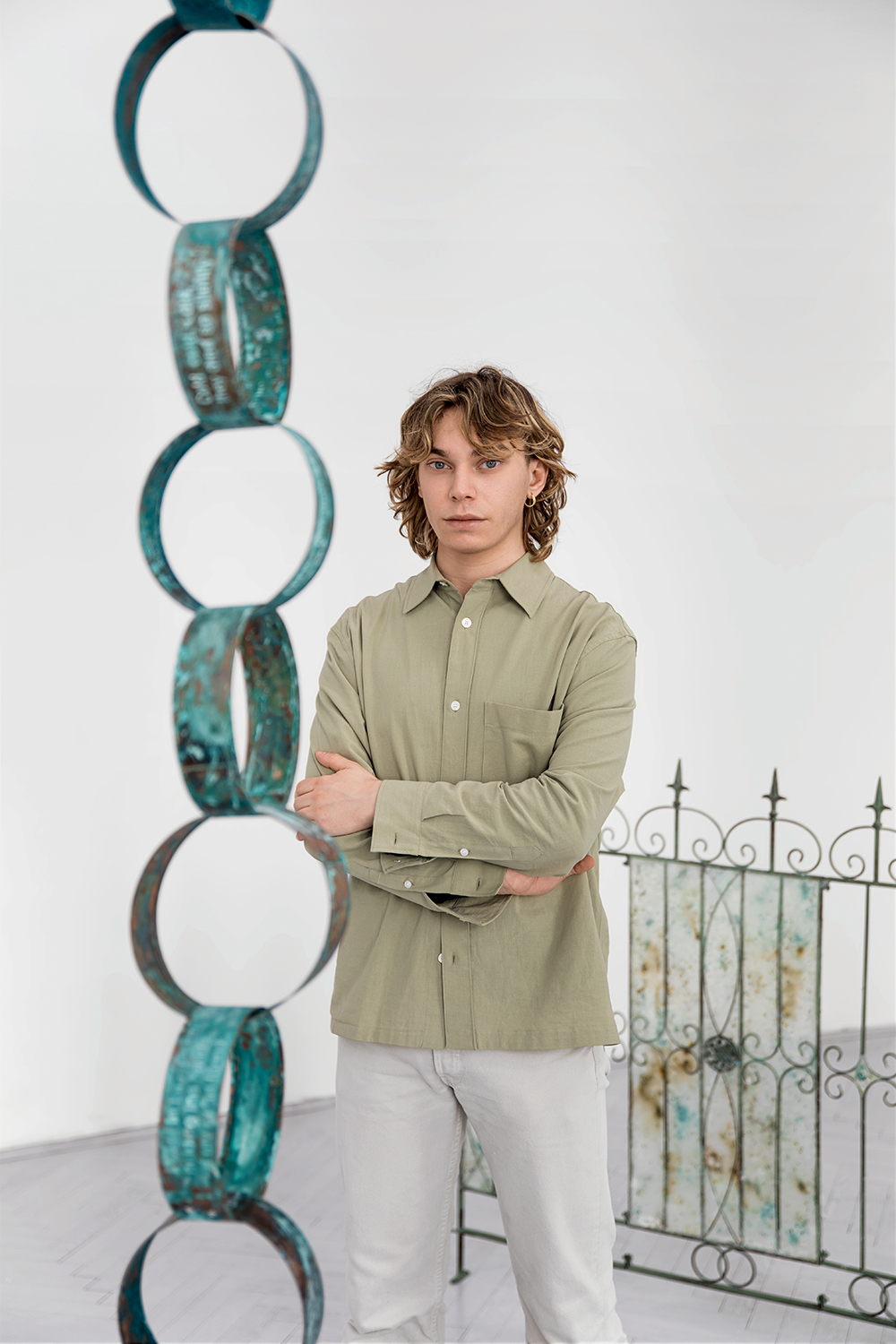
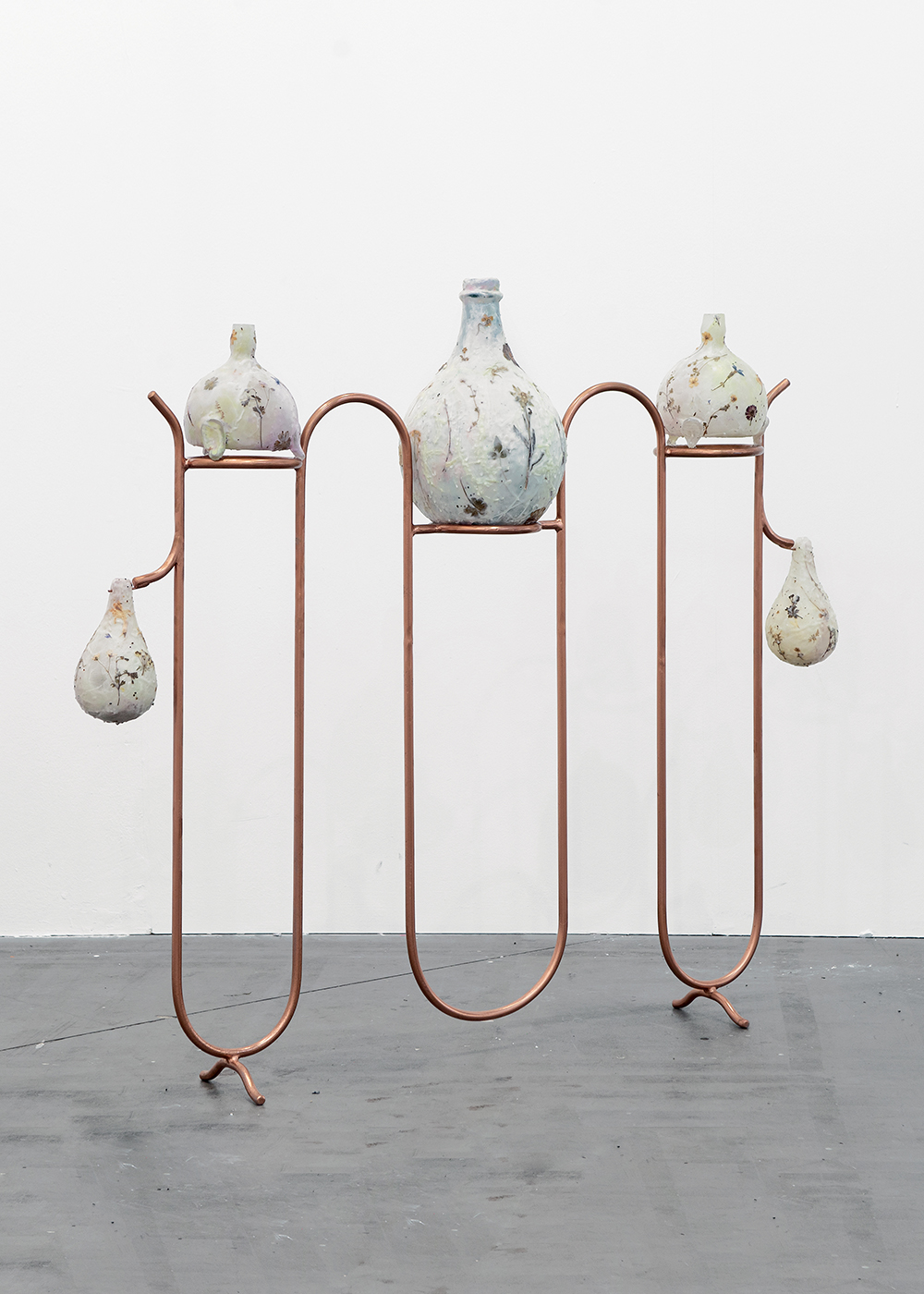
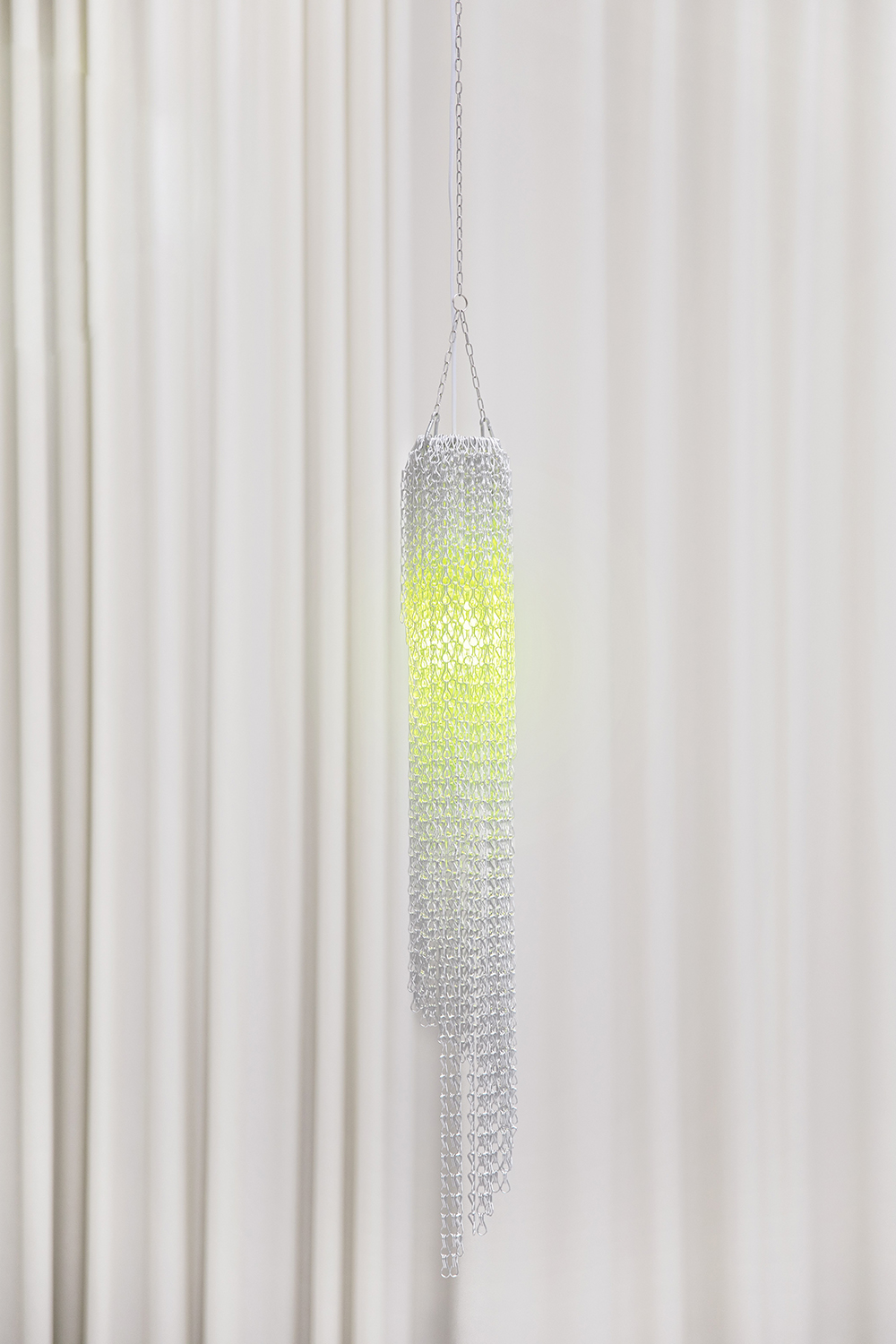
In his works, materials such as bioplastics, copper, wax, seeds, pesticides, and soap come together to explore the dualities between the artificial and the natural. His practice moves between ecology, queer ecology, botany, and toxicology, acknowledging the complexity embedded in relationships between human and non-human beings.
En sus piezas, materiales como bioplásticos, cobre, cera, semillas, pesticidas y jabón se encuentran para explorar las dualidades entre lo artificial y lo natural. Su trabajo avanza entre la ecología, la ecología queer, la botánica y la toxicología, atendiendo a la complejidad que habita en las relaciones entre lo humano y lo no humano.
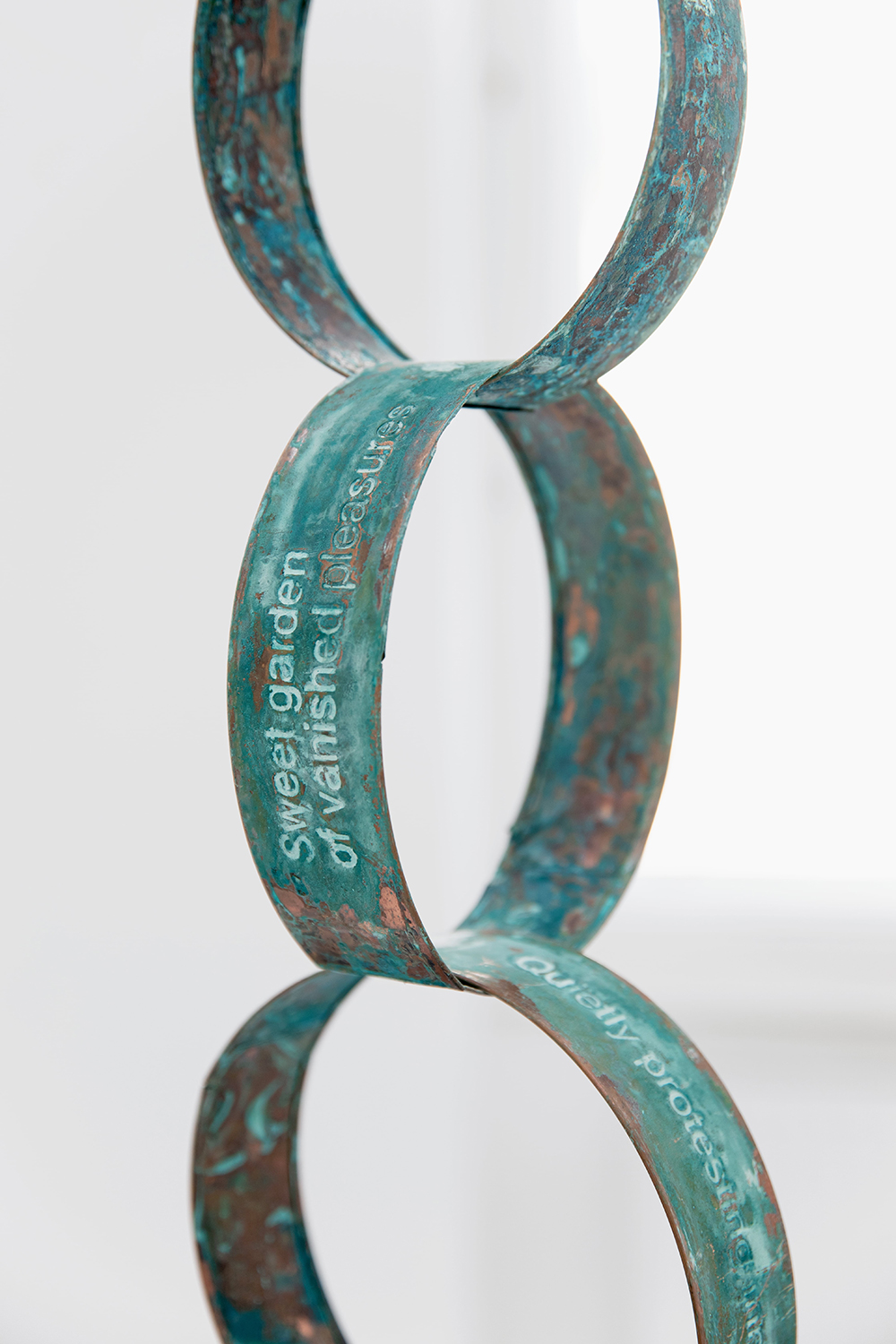
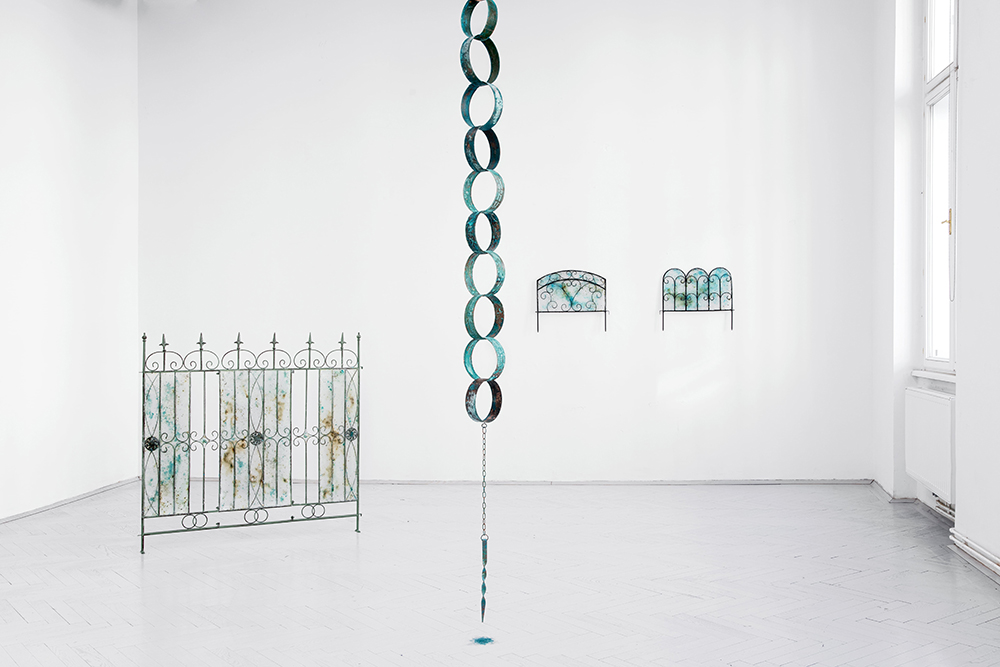
Zerbini proposes a reading of the garden as a living archive, a metaphor for how we inhabit —and manage— what we consider other. Zerbini’s practice invites a broader reflection: thinking through materiality as a way to question the structures that organize our relationship with the world and those who inhabit it.
Zerbini propone una lectura del jardín como archivo vivo, una metáfora de cómo habitamos —y administramos— aquello que consideramos otro. La práctica de Zerbini invita a una reflexión más amplia: pensar desde lo material para cuestionar las estructuras que organizan nuestra relación con el mundo y quienes lo habitan.