
22.05.2026. Leipzig
Por Amalia López Siegert
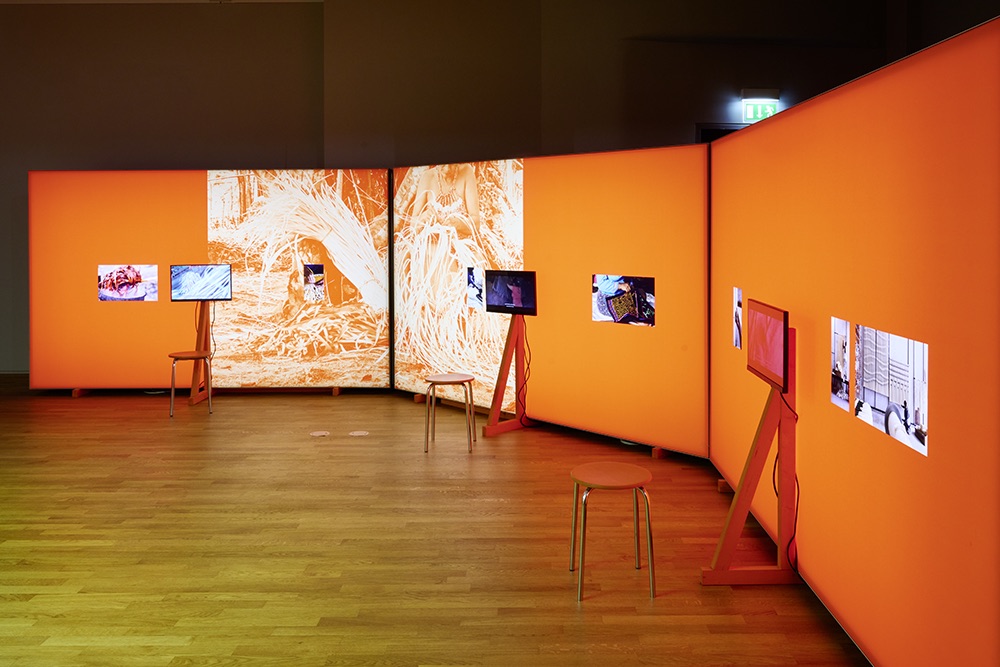
The Soul of Objects en el GRASSI Museum of Applied Arts en Leipzig, Alemania, no busca simplemente presentar diseño latinoamericano en Europa. La exposición propone otra manera de entender qué significa diseñar, producir y habitar los objetos. Con más de cincuenta expositores de trece países y más de mil metros cuadrados dedicados a las artes aplicadas latinoamericanas, la muestra se convierte en una de las plataformas más ambiciosas dedicadas a la región dentro del contexto europeo. Curada por Luján Cambariere, la exposición surge de una investigación y un trabajo de más de treinta años alrededor de lo que ella define como el ADN del diseño latinoamericano: la relación entre artesanía y diseño, la imaginación como recurso fundamental, los vínculos con el territorio y la dimensión espiritual de los objetos.
The Soul of Objects at the GRASSI Museum of Applied Arts in Leipzig, Germany, does not simply seek to present Latin American design in Europe. The exhibition proposes another way of understanding what it means to design, produce, and inhabit objects. With more than fifty exhibitors from thirteen countries and over one thousand square meters dedicated to Latin American applied arts, the exhibition becomes one of the most ambitious platforms devoted to the region within the European context. Curated by Luján Cambariere, the exhibition emerges from more than thirty years of research and work around what she defines as the DNA of Latin American design: the relationship between craft and design, imagination as a fundamental resource, connections to territory, and the spiritual dimension of objects.
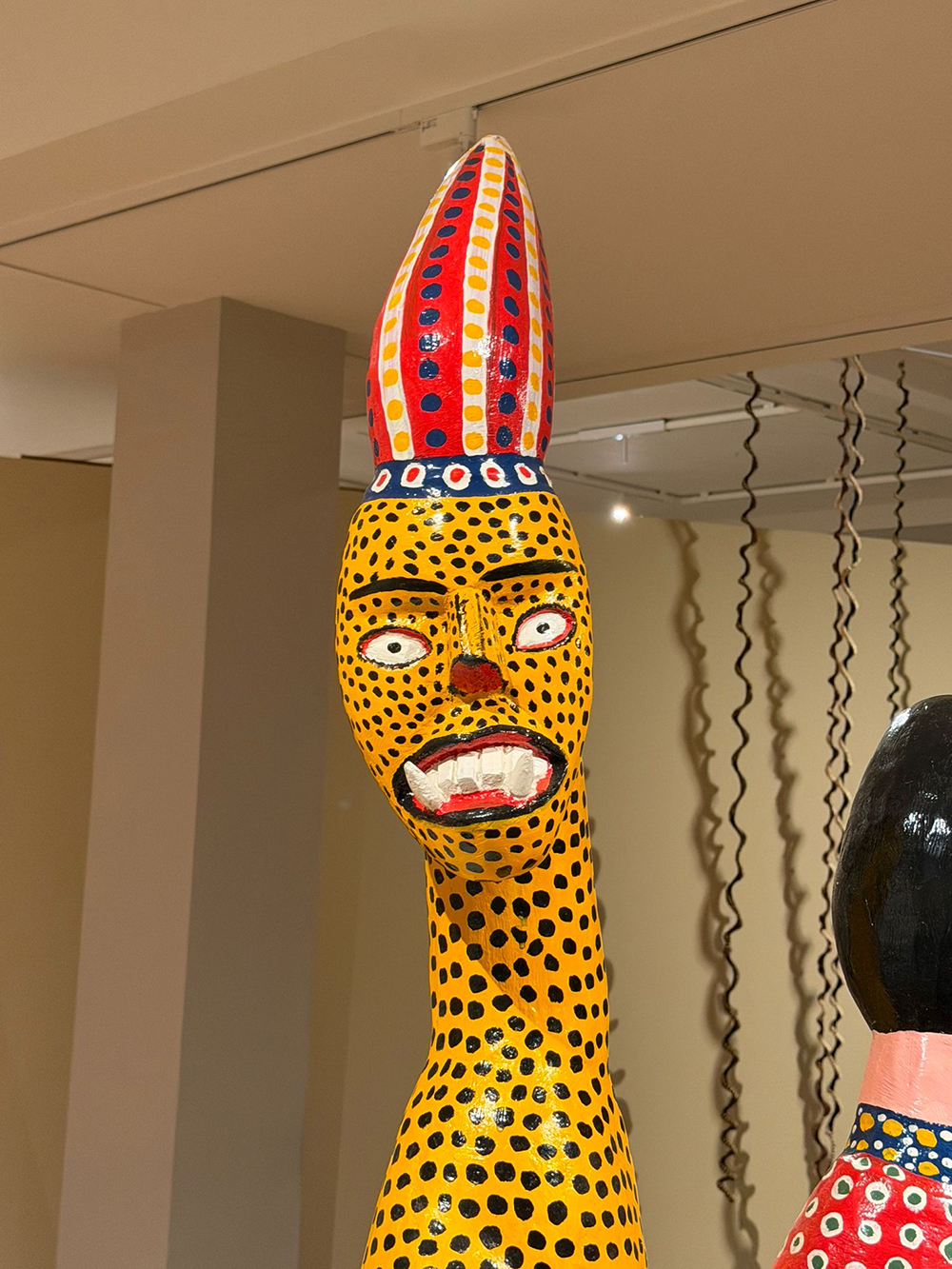
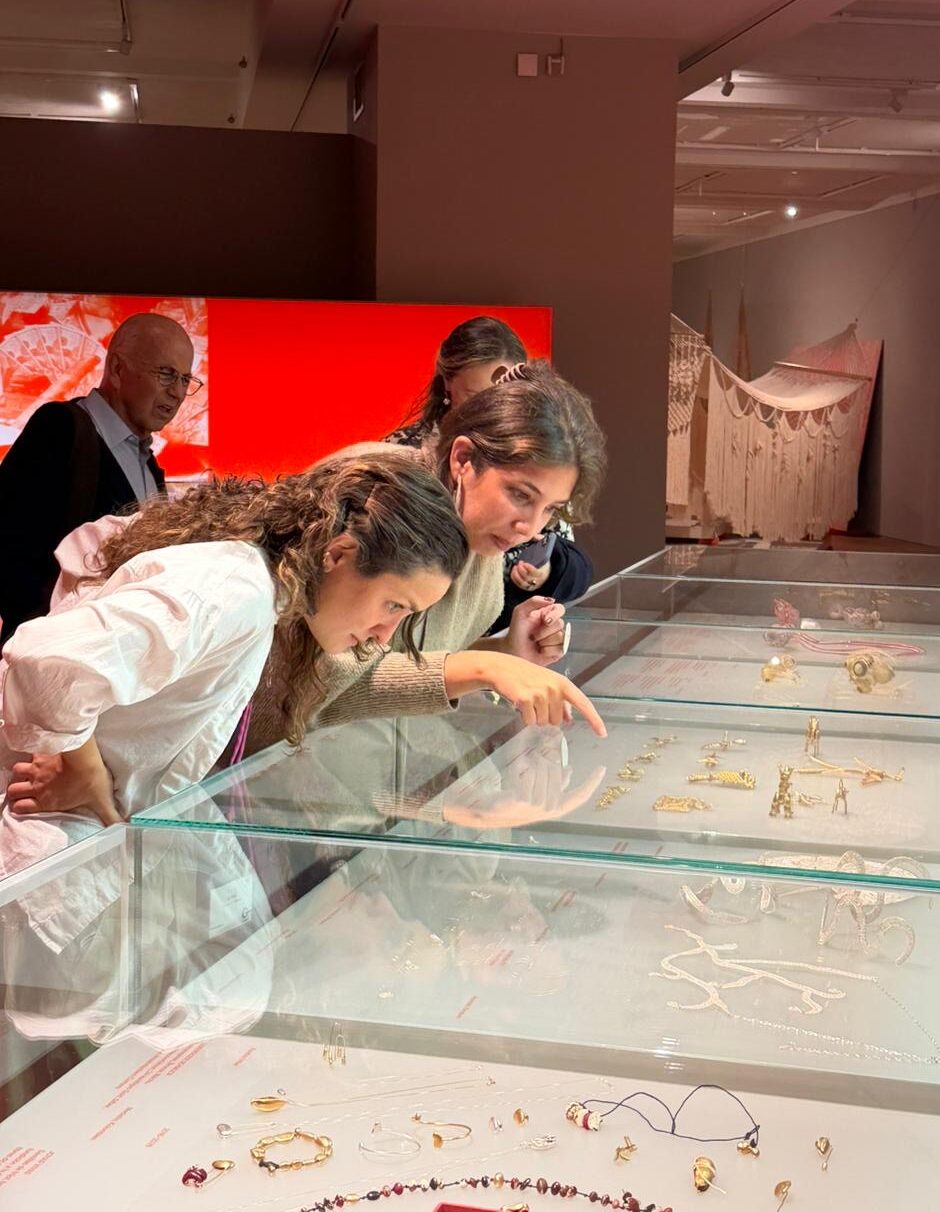
En conversación con EXCLAMA y Amalia López, Cambariere explicó que gran parte de esta visión nació cuando descubrió que “sin grandes industrias ni tecnologías, al Sur del Mundo, nuestro diseño era artesanal y esto lejos de ser algo malo, podía traer al mundo del proyecto puras cosas positivas: básicamente el alma, o lo que los antropólogos definen como ‘Numen’ o Maná, que es una energía especial que tienen los objetos que hacen que puedan re-encantar nuestro cotidiano”.
Esa idea atraviesa toda la exposición. Las piezas reunidas, desde textiles y cerámicas hasta fibras naturales, biomateriales y mobiliario, no se presentan únicamente desde la funcionalidad o la estética. Muchas contienen también una relación profunda con el ritual, la memoria y el paisaje. Hay objetos hechos con fibras de caranday de Argentina, buriti de Brasil, biomateriales derivados de la coca o del agave, tejidos en lana de llama, cobre mexicano, caña flecha colombiana y técnicas tradicionales como el ñandutí paraguayo o las chaquiras.
In conversation with EXCLAMA, Cambariere explained that much of this vision emerged when she realized that “without large industries or technologies, in the Global South, our design was artisanal, and far from being something negative, it could bring purely positive things to the world of design projects: essentially the soul, or what anthropologists define as ‘Numen’ or Mana, a special energy that objects possess, allowing them to re-enchant our everyday lives.”
That idea runs throughout the entire exhibition. The works gathered — from textiles and ceramics to natural fibers, biomaterials, and furniture — are not presented solely through functionality or aesthetics. Many also hold a deep relationship with ritual, memory, and landscape. There are objects made from Caranday fibers from Argentina, Buriti from Brazil, biomaterials derived from coca or agave, llama wool textiles, Mexican copper, Colombian caña flecha, and traditional techniques such as Paraguayan ñandutí or chaquiras.
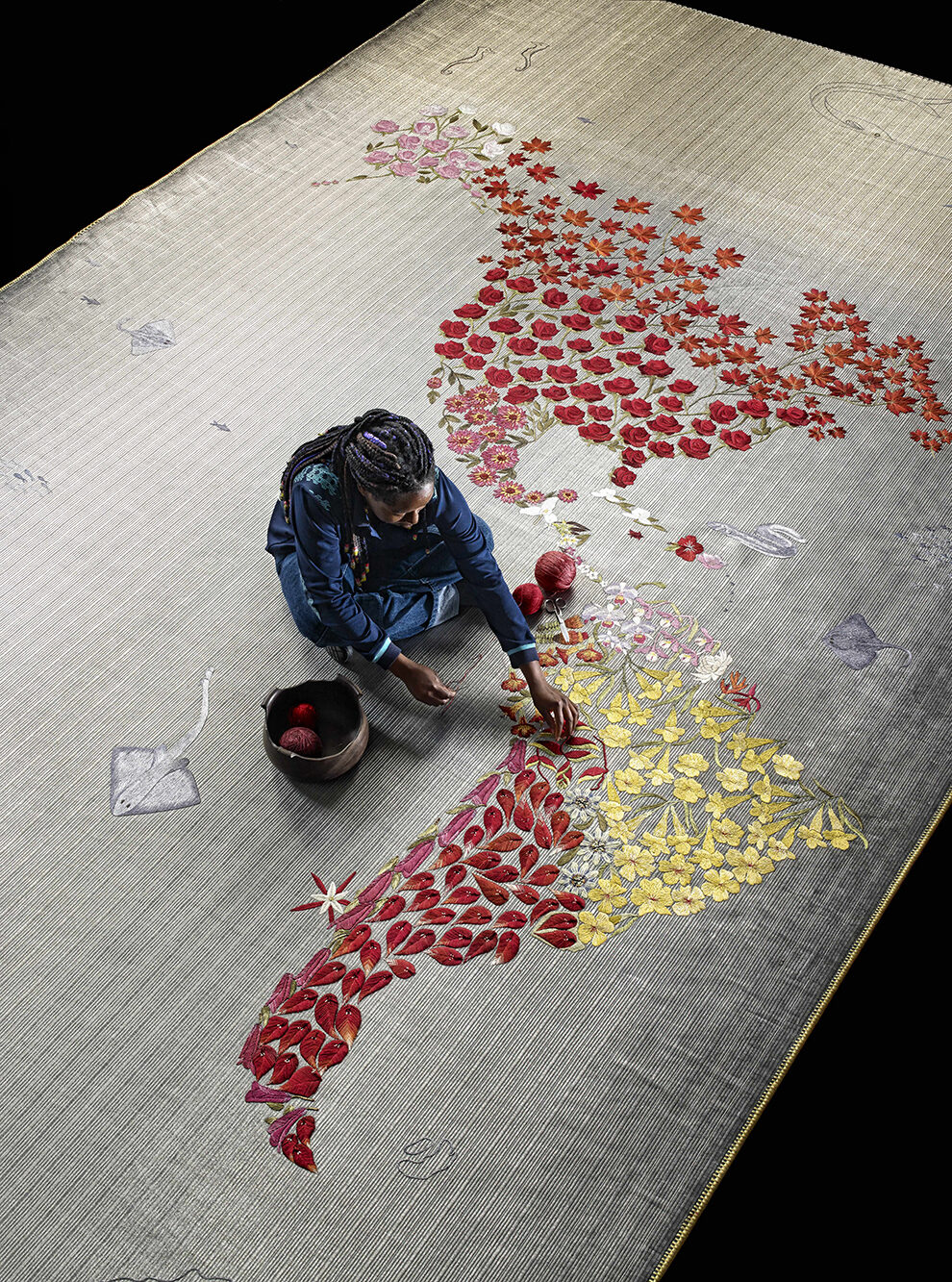
Más que intentar construir una imagen homogénea de América Latina, la exposición deja ver cómo cada territorio produce sus propias materialidades y lenguajes. En esta entrevista, Cambariere explica que durante años investigó cómo conectar esas diferencias bajo una narrativa común sin borrar sus particularidades, entendiendo la región como un territorio atravesado por sensibilidades compartidas, pero profundamente diverso en técnicas, materiales y tradiciones.
Rather than attempting to construct a homogeneous image of Latin America, the exhibition reveals how each territory produces its own materialities and languages. In the interview, Cambariere explains that for years she researched how to connect those differences under a common narrative without erasing their particularities, understanding the region as a territory crossed by shared sensibilities, yet deeply diverse in techniques, materials, and traditions.
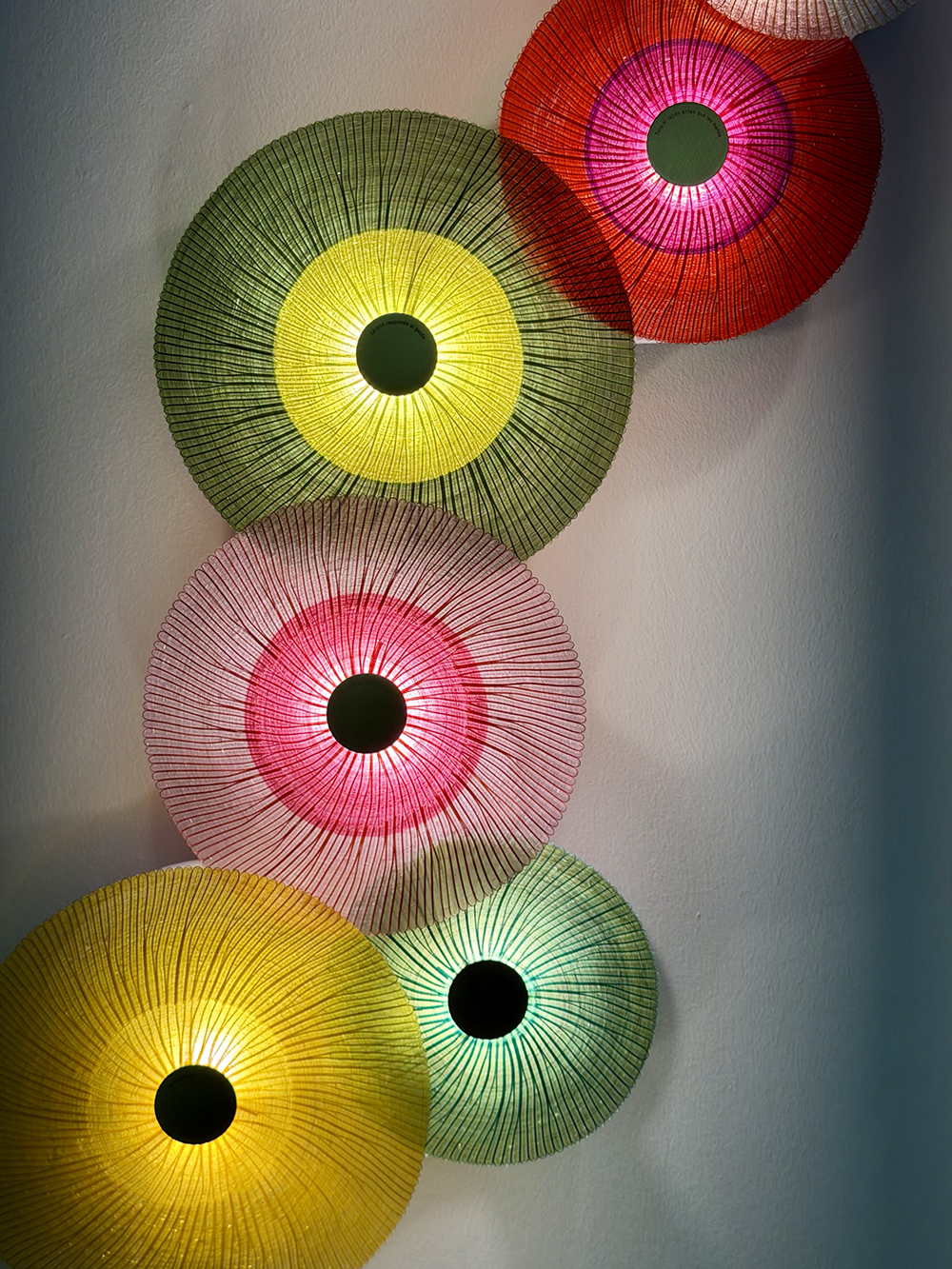
A.L.: Hay un fuerte énfasis en materiales naturales, reutilización y economías circulares. ¿Qué aprendiste durante la investigación sobre la relación entre territorio y producción material en América Latina?
L.C.: Como te conté antes, esta muestra representa el trabajo de toda mi vida. El que hice y el que espero seguir haciendo por eso el foco está puesto en las temáticas del ADN latinoamericano (podría haber sumado miles de diseñadores más que conozco). Y sí, casi todos por no decir todos, los materiales son naturales y muchos originales de nuestra región como la mayoría de las fibras expuestas – Caranday de Argentina, Buriti de Brasil, la inmensa variedad de las colombianas, también los biomateriales propios nuestros como los derivados de la coca o del agave del tequila. No aprendí nada nuevo, más bien pude cumplir el sueño de mostrar nada menos que en Europa, toda la riqueza material e inmaterial que conozco y trato de promover desde una vida. Esa era mi meta, misión, sueño.
A.L.:There is a strong emphasis on natural materials, reuse, and circular economies. What did you learn during your research about the relationship between territory and material production in Latin America?
L.C.: As I mentioned before, this exhibition represents the work of my entire life. The work I have done and hope to continue doing, which is why the focus is placed on the themes of Latin American DNA (I could have included thousands more designers I know). And yes, almost all — if not all — of the materials are natural, and many are native to our region, such as most of the fibers on display — Caranday from Argentina, Buriti from Brazil, the immense variety of Colombian fibers, as well as our own biomaterials derived from coca or tequila agave. I didn’t learn anything new; rather, I was able to fulfill the dream of showing, nothing less than in Europe, all the material and immaterial richness that I have known and tried to promote throughout my life. That was my goal, my mission, my dream.
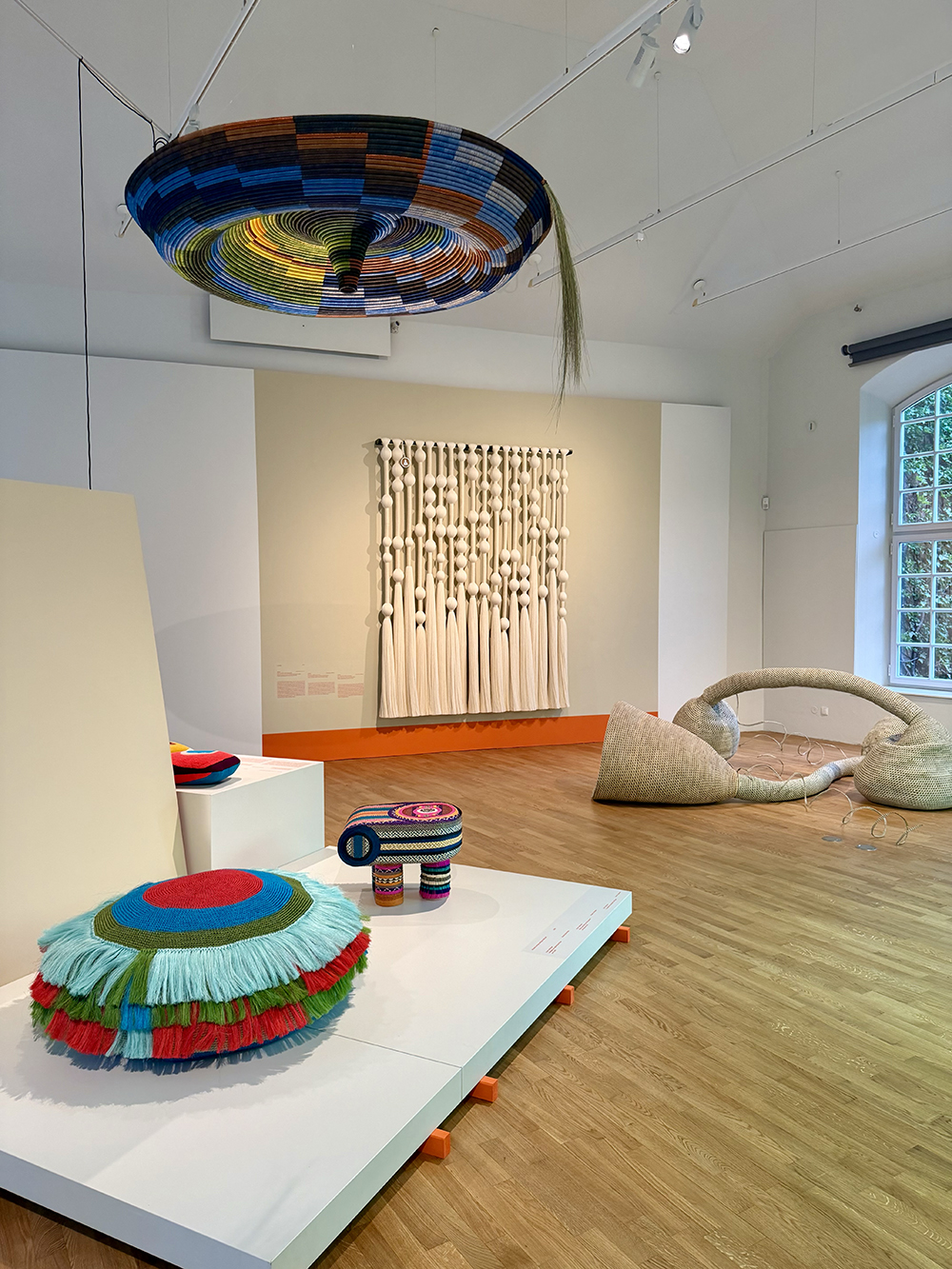
A.L.: ¿Cómo fue traducir contextos tan específicos de 13 países distintos a una narrativa común sin borrar sus diferencias?
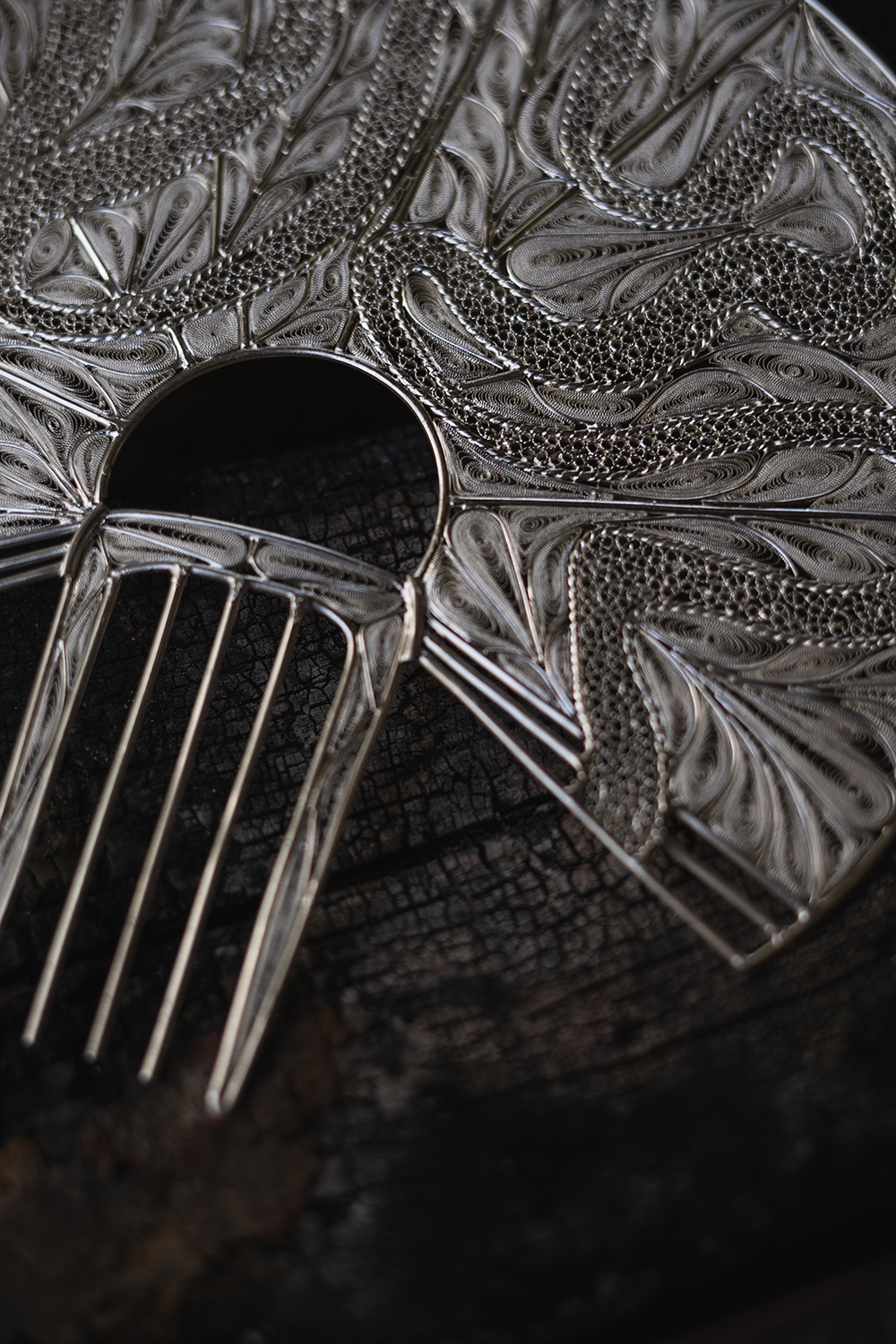
L.C.: Investigo hace 30 años el ADN del diseño Latinoamericano que para mi pasa por lo que llamo «el mínimo recurso que es el máximo, la imaginación», el alma, el diseño como herramientas de inclusión social, el binomio diseño y artesanía, con lo cual siempre vi y veo a latinoamérica como un todo. Si cuidé de poder mostrar técnicas y materiales de cada país entonces hay ñandutí, filigrana y madera pirograbada de Paraguay, caña flecha o chaquiras de Colombia, tejidos en lana de llama de Argentina, cobre de México….
A.L.:How was it possible to translate such specific contexts from 13 different countries into a common narrative without erasing their differences?
L.C: For the past 30 years I have been researching the DNA of Latin American design, which for me is rooted in what I call “the minimum resource that becomes the maximum: imagination,” the soul, design as a tool for social inclusion, and the relationship between design and craft. Because of this, I have always seen — and continue to see — Latin America as a whole. At the same time, I made sure to showcase the techniques and materials of each country: ñandutí, filigree, and pyrographed wood from Paraguay; caña flecha and chaquiras from Colombia; llama wool textiles from Argentina; copper from Mexico, and more.
A.L.: El título The Soul of Objects propone que los objetos tienen una dimensión espiritual, afectiva o incluso política. ¿Cómo surgió esa idea y qué significa para ti hablar del “alma” de un objeto hoy?
L.C.: Esta es la tesis de mi trabajo de una vida. Como en Latinoamerica, los objetos además de útiles o bellos y funcionales tienen una energía especial. Por estar hechos manualmente o con una función de talismán que les imprime esa energía o lo que los antropólogos definen como aura o maná. Y que hacen que re-encanten nuestro cotidiano.
A.L.: The title The Soul of Objects suggests that objects possess a spiritual, emotional, or even political dimension. How did that idea emerge, and what does it mean for you to speak about the “soul” of an object today?
L.C.: This is the thesis of my life’s work. In Latin America, objects, beyond being useful, beautiful, or functional, also possess a special energy. Whether because they are handmade or because they function as talismans that imprint this energy — what anthropologists define as aura or mana — they are able to re-enchant our everyday lives.
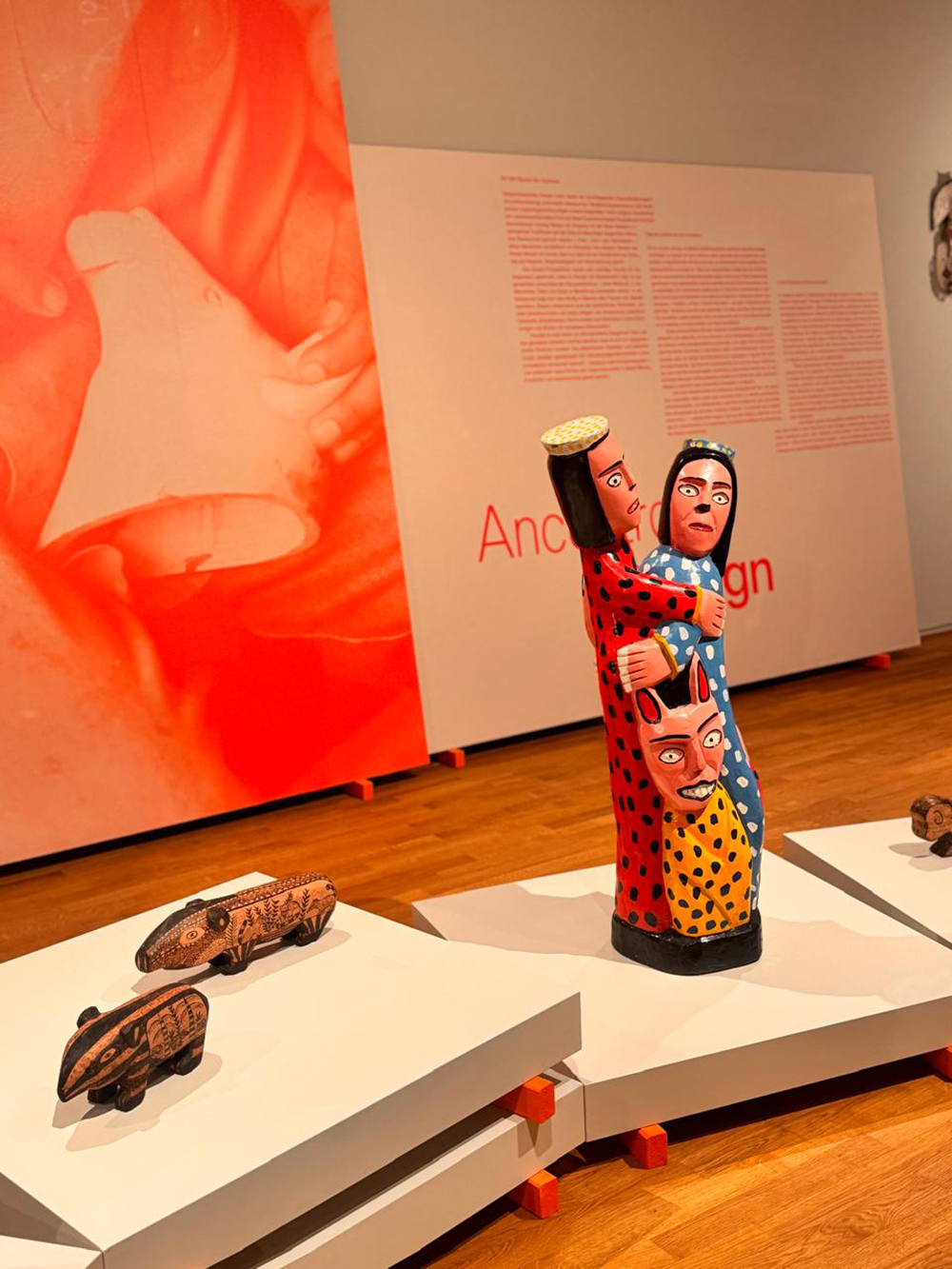
A.L.: Muchas tradiciones artesanales latinoamericanas han quedado históricamente fuera de las narrativas centrales del arte y el diseño. ¿Cómo percibes esa situación actualmente?
L.C.: Absolutamente, no estamos en los discursos del arte y del diseño. Por eso parafraseando a Ticio Escobar que habla de un Arte Otro, en los textos de la muestra yo pregunto al final si cabe un diseño otro? Básicamente porque para los alemanes en general el diseño es solo el industrial. ….Me hace feliz de que esta primera exposición plante una bandera al respecto, no sólo desde el discurso, la palabra, sino desde los hechos, materializados en estos bellos, profundos y necesarios objetos.
A.L.: Many Latin American craft traditions have historically remained outside the central narratives of art and design. How do you perceive that situation today?
L.C.: Absolutely, we are not part of the dominant discourses of art and design. That is why, paraphrasing Ticio Escobar, who speaks of an “Other Art,” in the exhibition texts I ask whether there could also be an “other design.” Essentially because, for Germans in general, design is understood only as industrial design. It makes me happy that this first exhibition raises a flag on the matter, not only through discourse or words, but through facts materialized in these beautiful, profound, and necessary objects.

Por medio de la exposición se plantea una forma diferente de entender el diseño, una que no esté definida exclusivamente por parámetros industriales o europeos, sino por otras formas de relación entre objeto, comunidad y espiritualidad. En tiempos donde gran parte del diseño global parece avanzar hacia la homogeneización y la velocidad, The Soul of Objects propone detenerse frente a objetos que todavía conservan memoria, energía y presencia. Más que una exposición sobre diseño, la muestra termina funcionando como una reflexión sobre otras maneras posibles de producir cultura desde América Latina hacia el mundo. Exposición abierta hasta el 27 de septiembre de 2026.
Through the exhibition, a different way of understanding design is proposed — one not defined exclusively by industrial or European parameters, but by other forms of relationship between object, community, and spirituality. At a time when much of global design seems to move toward homogenization and speed, The Soul of Objects invites us to pause before objects that still preserve memory, energy, and presence. More than an exhibition about design, the show ultimately functions as a reflection on other possible ways of producing culture from Latin America to the world. On view until september 27, 2026.
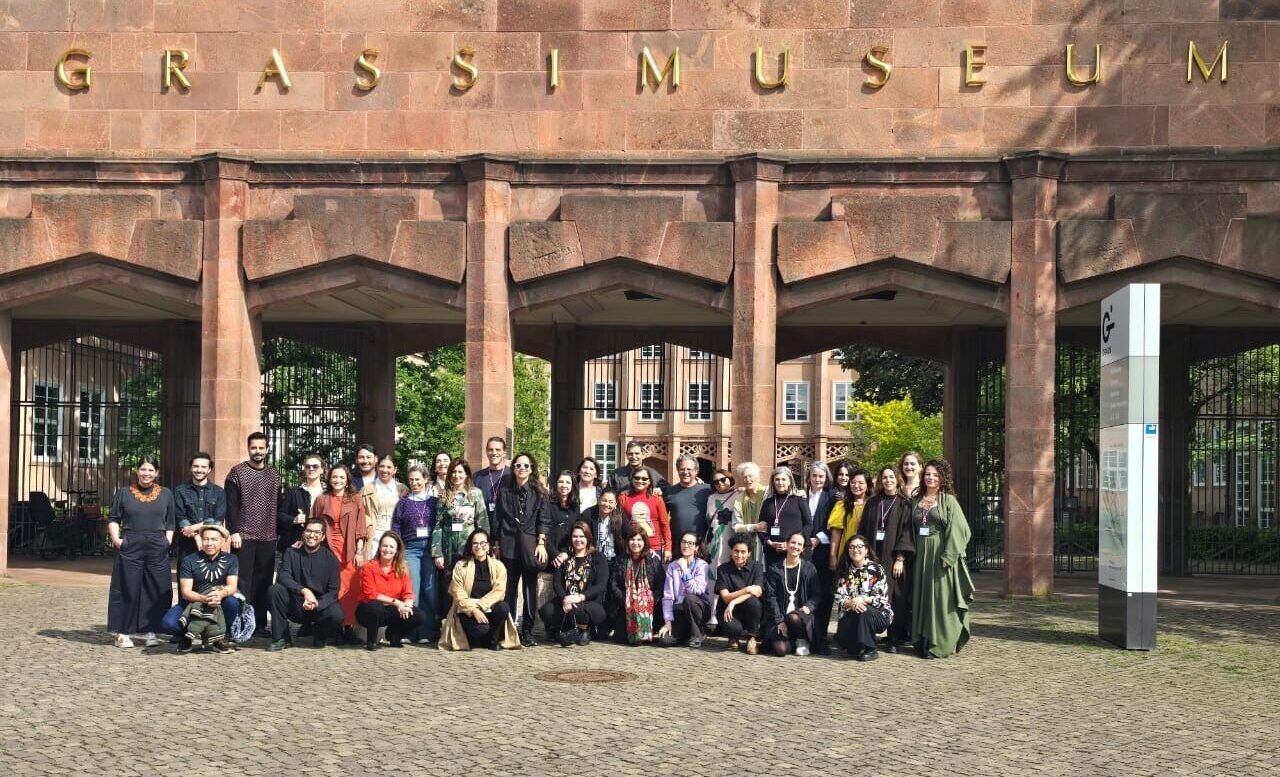
Participantes de la exhibición / Exhibition participants
ARGENTINA
Claudia Santanera
Carolina Giovagnoli & Caro Pepe
Constanza Martínez
Finn
Illaripuna
Karina Garrett
Leo Battistelli
Maydi
Rerere
Ricardo Paz
Gentileza Galería Herlitzka & Co
Siwok
BOLIVIA
Cynthya Villa Soto
BRASIL
Artesol
Fernanda Paes de Barros- Yankatú
Francisco Graciano
Jailton e Jamile
Heloisa Crocco
Marco 500
Renato Imbroisi
CHILE
Rita Soto
Simone Verdugo
Lamps from Chile
COLOMBIA
Alta Estudio
Atlas Colombia
Caroyacu
Catalina Estrada
Claudia Gomez Mejía
Mauricio Vásquez Rendón
Danielle Lafaurie
Hechizoo
Galería Cristina Grajales
Mongui
Xandra Uribe
ECUADOR
Olga Fisch
EL SALVADOR
Quinta Esencia Studio
GUATEMALA
Nebula Handmade
Estudio Fábrica
MÉXICO
Caralarga
Larisa Esparza
Tributo
PARAGUAY
Instituto Paraguayo de Artesanía (IPA)
Arte Kambai
Julia Isidrez
Poporé
Pedro Barrail
Toba
Tonie Gie
PERU
Ani Alvarez Calderón
Beneai Collective
Guadencia Yupari Quispe
Gentileza Galería Herlitzka & Co
DNI
URUGUAY
Manos del Uruguay
VENEZUELA
Anabella Georgi
Madame Tepuy
Arte Popular Latino