
20.05.2026. Venecia
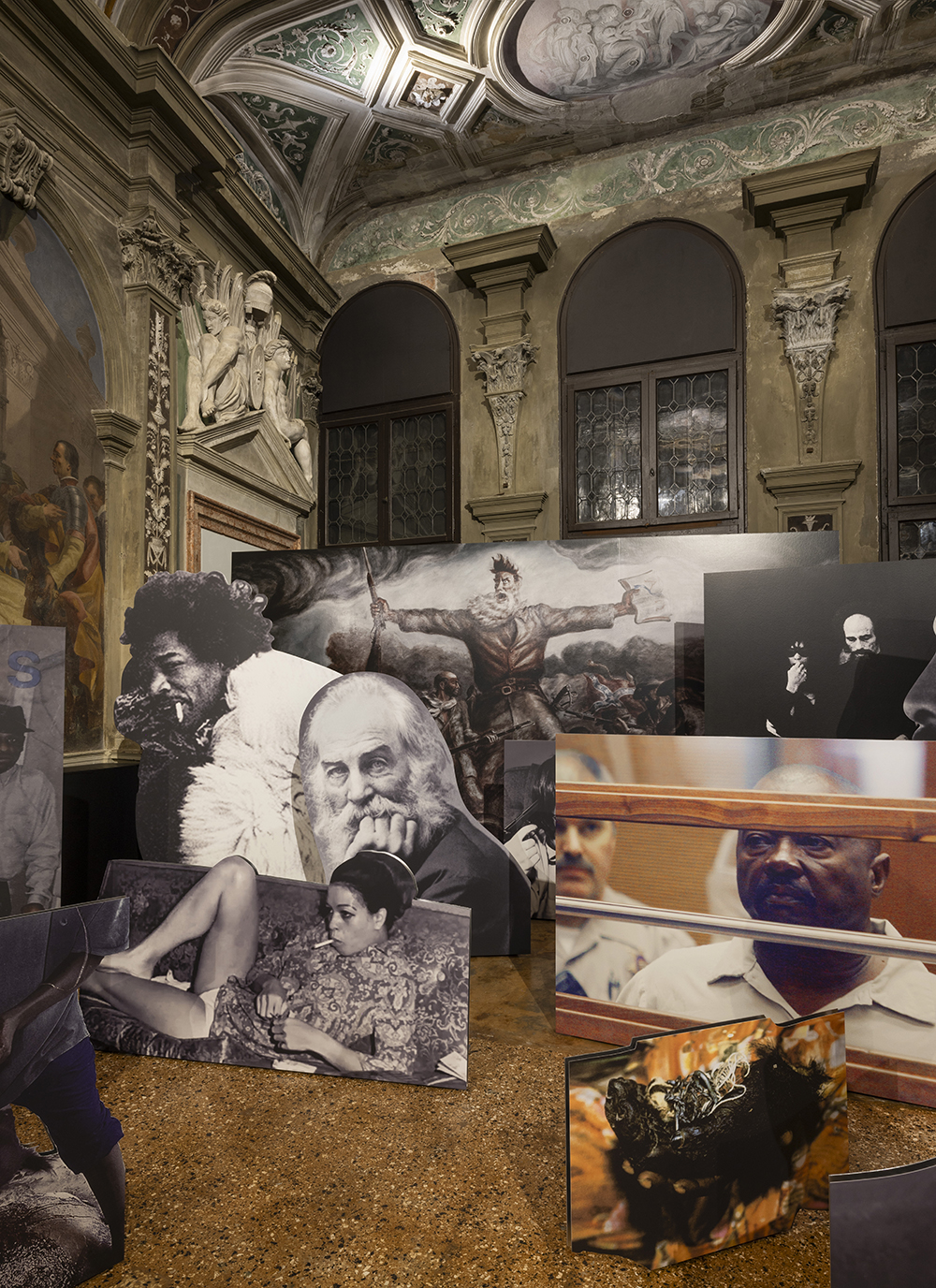
Hay algo interesante en el título de Helter Skelter. La expresión ha tenido múltiples lecturas dentro de la cultura popular estadounidense: desde la canción de The Beatles hasta imaginarios asociados al caos, la violencia o el exceso mediático. Para la curadora Nancy Spector, el nombre funciona como un punto de entrada a una exposición que reúne por primera vez a Arthur Jafa (Tupelo, Mississippi, 1960) y Richard Prince (Zona del Canal de Panamá, 1949): dos artistas que han dedicado gran parte de su trabajo a observar, apropiarse y tensionar las imágenes que construyen la identidad visual de Estados Unidos.
There is something compelling about the title Helter Skelter. The phrase carries multiple meanings within American popular culture: from the Beatles song to associations with chaos, violence, and media excess. For curator Nancy Spector, the title becomes an entry point into an exhibition that brings together for the first time Arthur Jafa (Tupelo, Mississippi, 1960) and Richard Prince (Panama Canal Zone, 1949), two artists whose practices have long focused on observing, appropriating, and challenging the images that shape the visual identity of the United States.
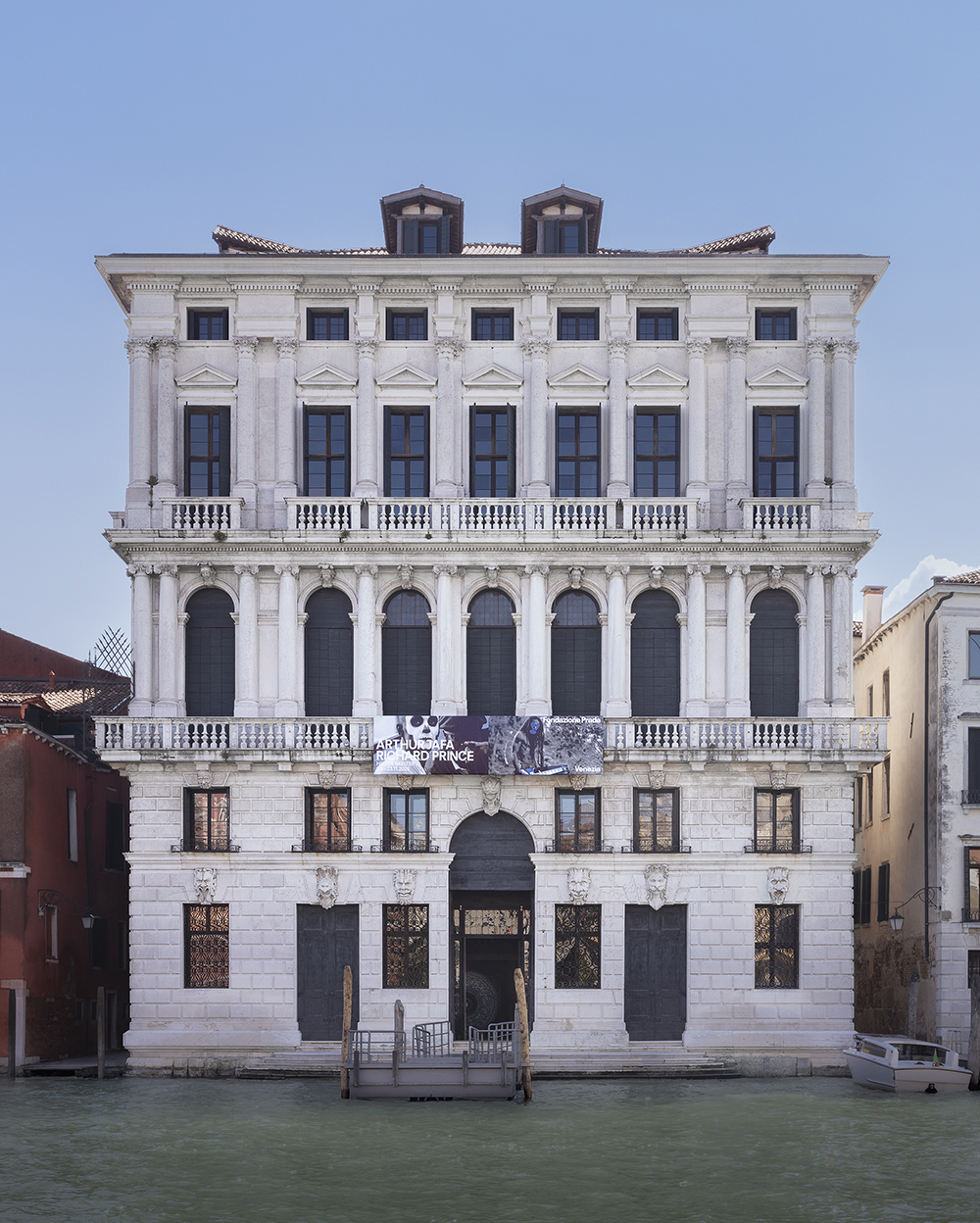
Presentada en la Fondazione Prada como parte de los eventos colaterales de la Biennale, la muestra ocupa los dos pisos de la Ca’ Corner della Regina, un palacio del XVIII sobre el Gran Canal. El contexto no es menor. En medio de una Bienal atravesada por discusiones sobre representación, identidad y territorio, la exposición propone una mirada hacia Estados Unidos desde sus propias contradicciones culturales.
Presented at Fondazione Prada as part of the Biennale’s collateral events, the exhibition unfolds across the two floors of Ca’ Corner della Regina, an eighteenth-century palace overlooking the Grand Canal. The context matters. In the midst of a Biennale shaped by discussions around representation, identity, and territory, the exhibition turns toward the United States through the lens of its own cultural contradictions.
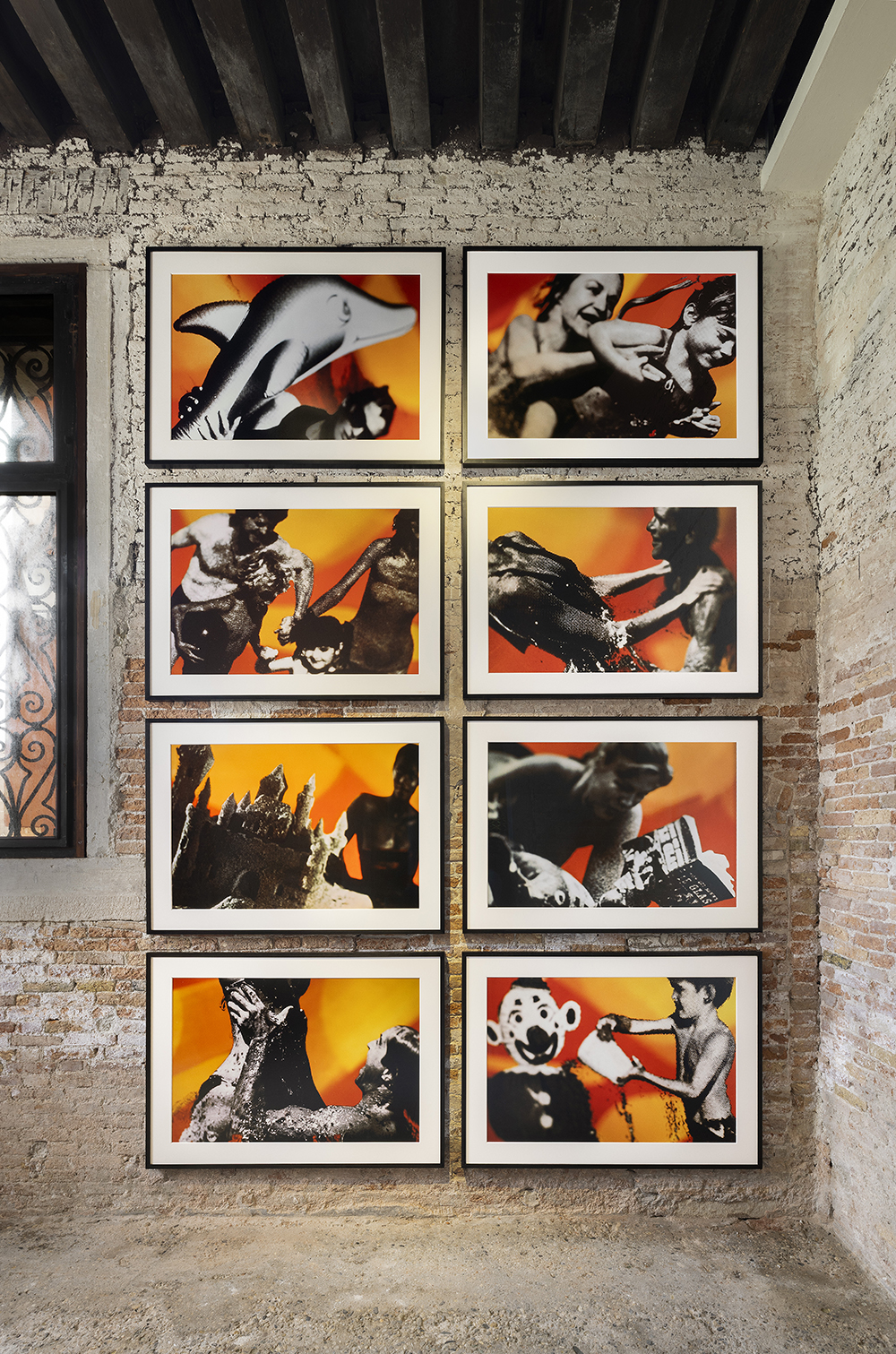
Aunque parten de lugares muy distintos, Jafa y Prince comparten un interés por trabajar con imágenes ya existentes y desplazar su significado. Desde los años setenta, Prince ha construido una práctica ligada a la apropiación: re-fotografiando anuncios publicitarios, cowboys de Marlboro o imágenes encontradas para revelar los mecanismos de deseo, masculinidad y consumo dentro de la cultura estadounidense. Jafa, por su parte, ha desarrollado una obra profundamente atravesada por la experiencia afroamericana, el archivo audiovisual y la música negra. Sus películas e instalaciones suelen preguntarse cómo traducir al lenguaje visual la intensidad emocional y política que existe en formas culturales como el jazz, el gospel o el hip hop.
Although they come from very different positions, Jafa and Prince share an interest in working with pre-existing images and shifting their meanings. Since the 1970s, Prince has built a practice rooted in appropriation, re-photographing advertisements, Marlboro cowboys, and found imagery to expose the mechanisms of desire, masculinity, and consumption embedded in American culture. Jafa, meanwhile, has developed a body of work deeply shaped by the African American experience, audiovisual archives, and Black music. His films and installations often ask how visual art might convey the same emotional and political intensity found in cultural forms such as jazz, gospel, or hip hop.
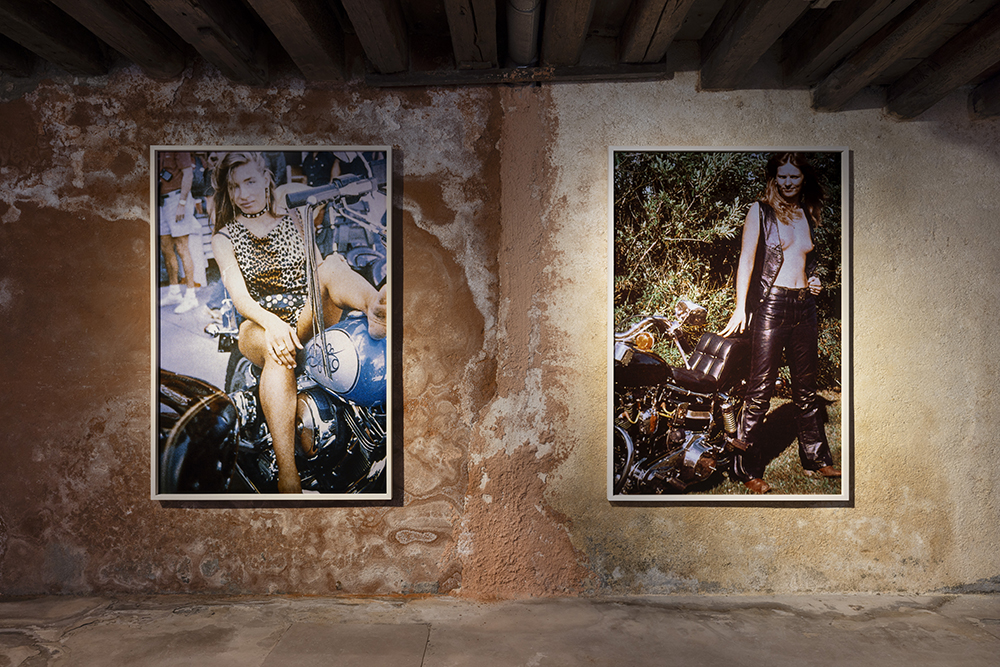
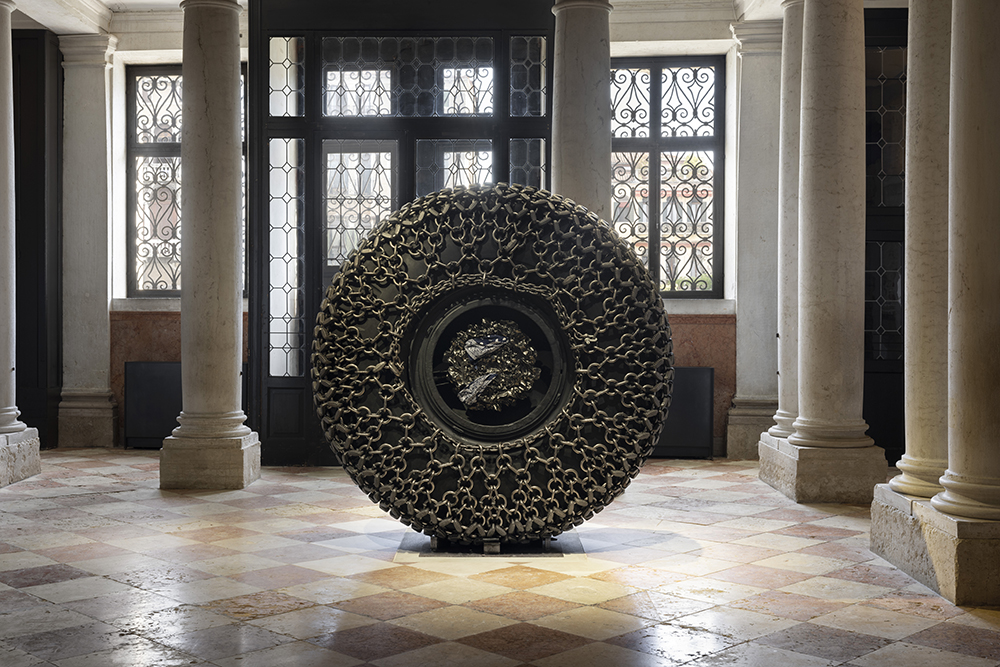
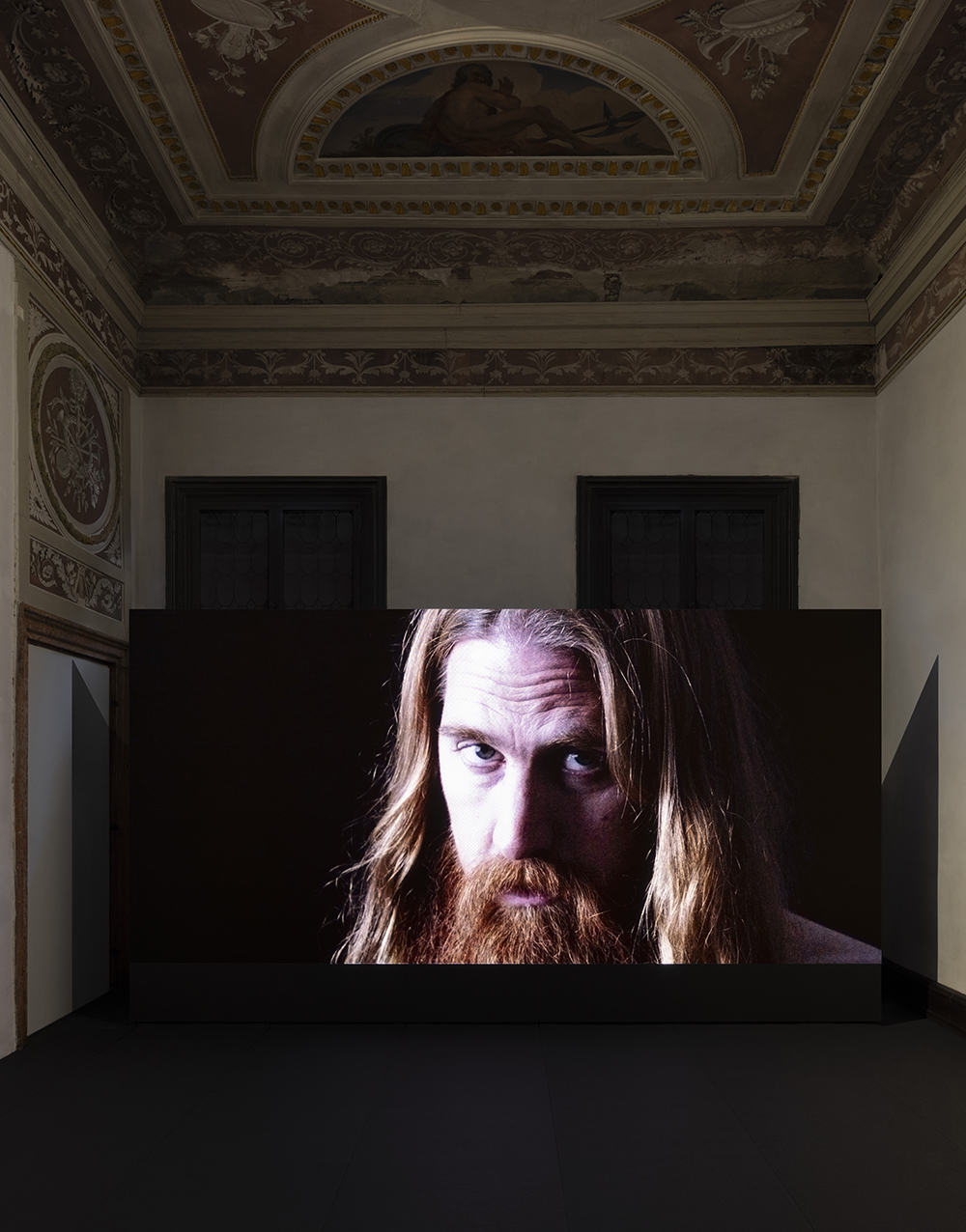
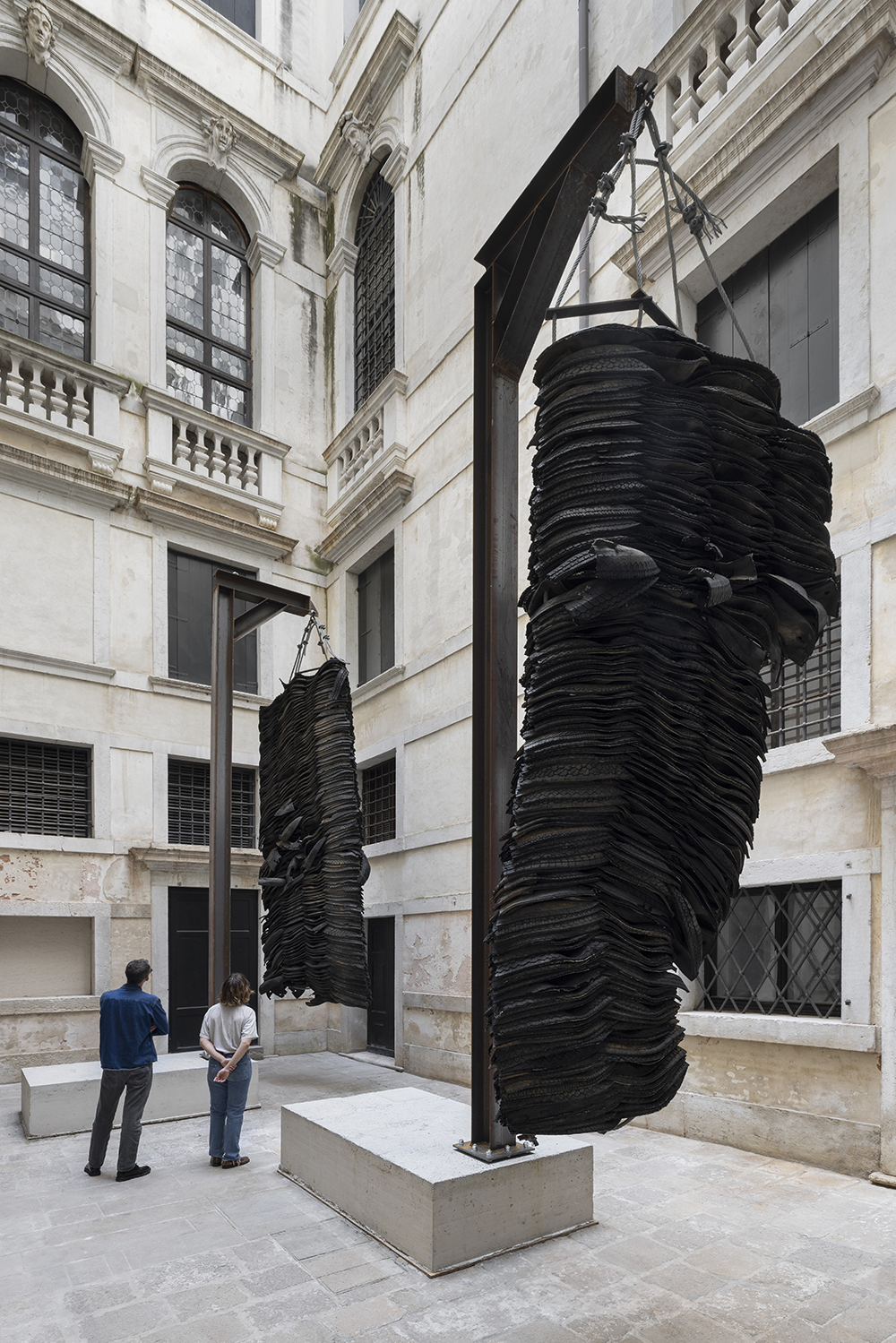
La exposición funciona como una conversación abierta donde las obras empiezan a resonar entre sí. En la planta baja, piezas como Big Wheel II de Jafa y las esculturas Blasting Mats de Prince introducen elementos ligados al automóvil, la carretera y ciertas fantasías de libertad históricamente asociadas a Estados Unidos. Más adelante, el video Love Is the Message, The Message Is Death (2016) de Jafa aparece en diálogo con las fotografías Untitled (Sunsets) (1981–82) de Prince, conectadas por la presencia insistente del sol, el paisaje y la construcción emocional de la imagen americana.
The exhibition unfolds as an open conversation in which the works begin to echo one another. On the ground floor, pieces such as Jafa’s Big Wheel II and Prince’s Blasting Mats sculptures introduce themes tied to the automobile, the highway, and certain fantasies of freedom historically linked to the United States. Further inside, Jafa’s video Love Is the Message, The Message Is Death (2016) enters into dialogue with Prince’s Untitled (Sunsets) photographs (1981–82), connected through recurring images of the sun, the landscape, and the emotional construction of the American image.
Lo más interesante de Helter Skelter quizás está en cómo deja visibles las diferencias entre ambos artistas. Jafa trabaja desde la memoria, el duelo y la potencia cultural negra; Prince desde una relación más distante, irónica y ambigua con el imaginario blanco estadounidense. Pero al ponerlos en el mismo espacio, la exposición sugiere que ambos terminan señalando algo parecido: la fragilidad de las imágenes que sostienen la idea de Norteamérica. En ese sentido, el título vuelve a aparecer como pregunta. ¿Qué significa realmente “Norteamérica”? ¿Existe una sola versión de ese relato o únicamente fragmentos, archivos y ficciones superpuestas? La muestra no intenta resolverlo. Más bien deja que las obras hablen desde la tensión, la apropiación y el desacuerdo. Helter Skelter: Arthur Jafa and Richard Prince estará abierta hasta el 23 de noviembre de 2026 en la Ca’ Corner della Regina, Venecia.
Perhaps the most compelling aspect of Helter Skelter lies in the way it leaves the differences between the two artists fully visible. Jafa works through memory, grief, and the cultural force of Blackness, while Prince approaches American imagery from a more distant, ironic, and ambiguous position. Yet by placing them within the same space, the exhibition suggests that both artists ultimately point toward something similar: the fragility of the images that uphold the idea of North America. In that sense, the title reappears as a question. What does “North America” actually mean today? Is there a single version of that narrative, or only fragments, archives, and overlapping fictions? The exhibition does not attempt to resolve these questions. Instead, it allows the works to speak through tension, appropriation, and disagreement. Helter Skelter: Arthur Jafa and Richard Prince will remain on view through November 23, 2026 at Ca’ Corner della Regina in Venice.