
04.09.2025. Riehen
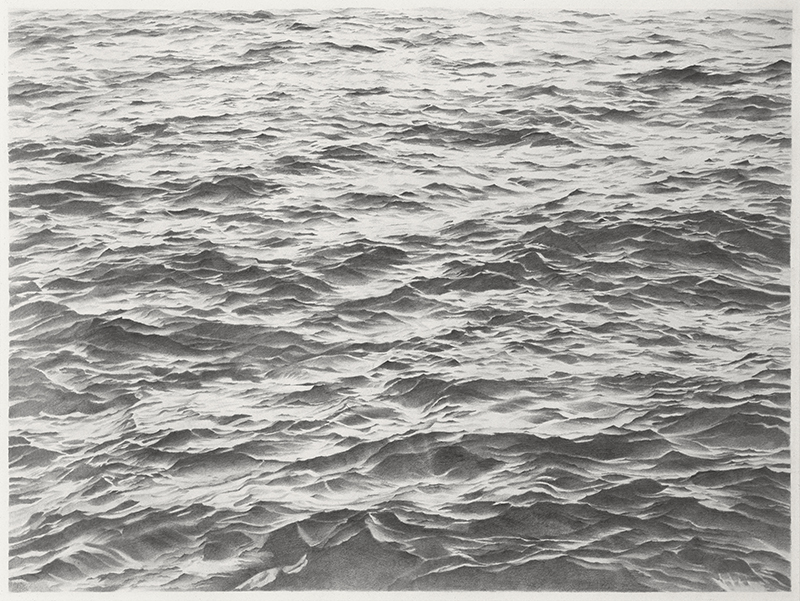
La Fondation Beyeler presenta una de las exposiciones más completas dedicadas a la artista letona-estadounidense Vija Celmins (Riga, 1938). Celmins ha sido mundialmente reconocida por su mirada detallada sobre el mundo natural y por un lenguaje visual que convierte la observación en un acto meditativo. Con más de sesenta años de trayectoria y más de cuarenta exposiciones en instituciones como el MoMA, el Whitney y el Centre Pompidou, Celmins llega a Suiza en una muestra que reúne alrededor de noventa piezas entre pinturas y dibujos, junto con algunas esculturas y obras gráficas.
The Fondation Beyeler presents one of the most comprehensive exhibitions dedicated to Latvian-American artist Vija Celmins (Riga, 1938). Celmins has been internationally recognized for her meticulous gaze on the natural world and for a visual language that turns observation into a meditative act. With more than sixty years of artistic practice and over forty solo shows in institutions such as MoMA, the Whitney, and the Centre Pompidou, Celmins arrives in Switzerland with an exhibition that brings together around ninety works, including paintings and drawings, as well as a selection of sculptures and prints.
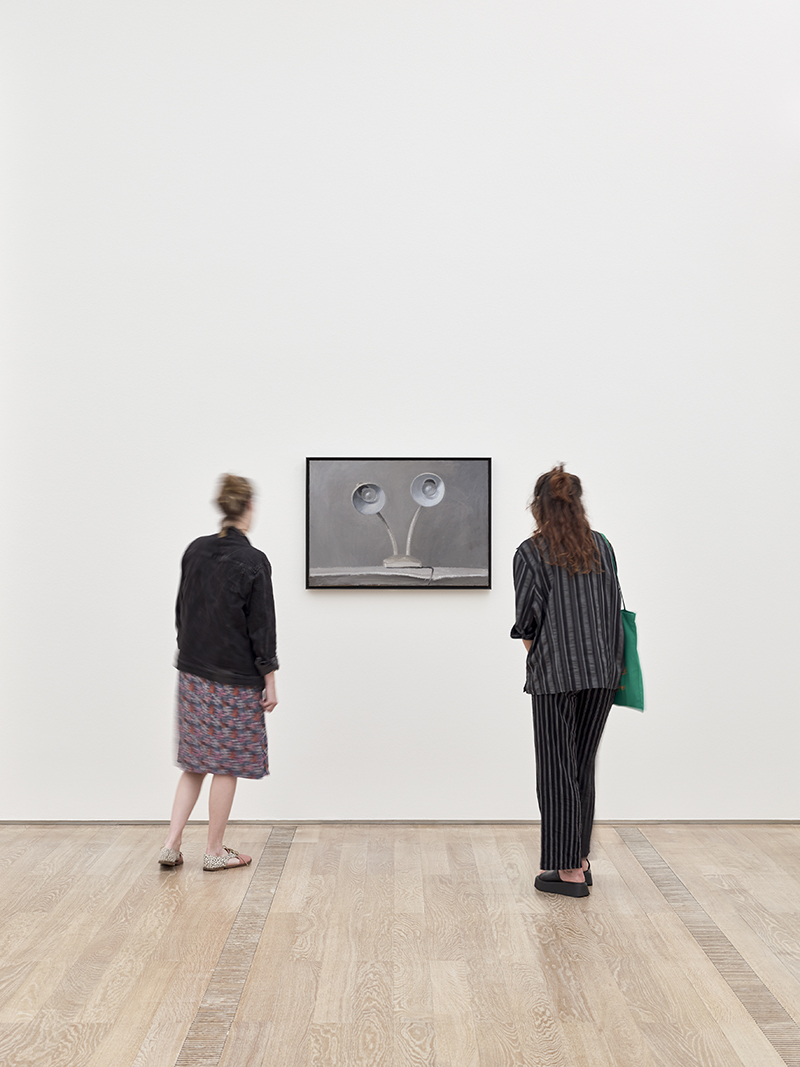
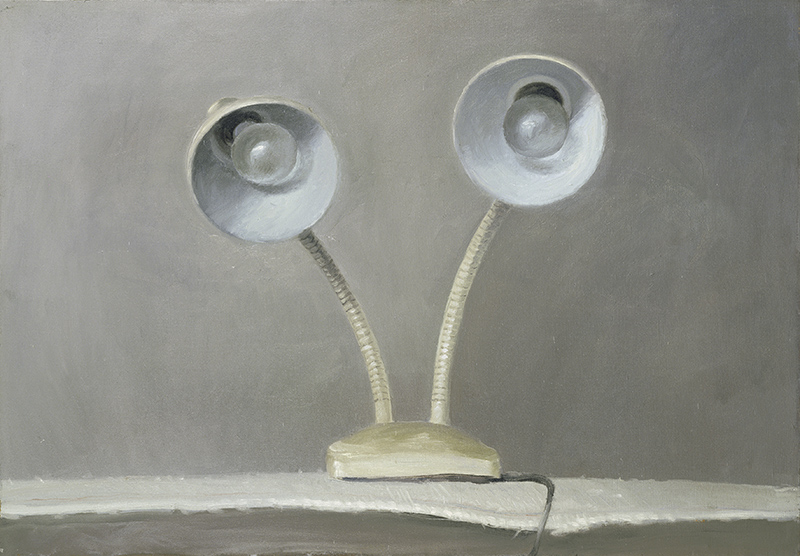
La artista lleva a sus exploraciones visuales una vida atravesada desde la infancia por la migración y la guerra, que la llevaron desde Riga hasta Nueva York. Desde sus primeros años ha trabajado con distintos medios: pintura, grafito, carboncillo, grabado y escultura en bronce. Su obra, aunque a menudo asociada al fotorealismo, no busca reproducir imágenes de manera literal, sino reinterpretarlas desde la materialidad y la técnica. En su trayectoria también han tenido lugar objetos cotidianos y referencias a la violencia, constantemente atravesados por una sensibilidad que invita a la reflexión.
Her artistic explorations are deeply shaped by a life marked from childhood by migration and war, which took her from Riga to New York. From her early years, she has worked across various media: painting, graphite, charcoal, printmaking, and bronze sculpture. While often associated with photorealism, her work does not aim to reproduce images literally, but rather to reinterpret them through materiality and technique. Everyday objects and references to violence have also appeared in her oeuvre, always filtered through a sensibility that invites reflection.
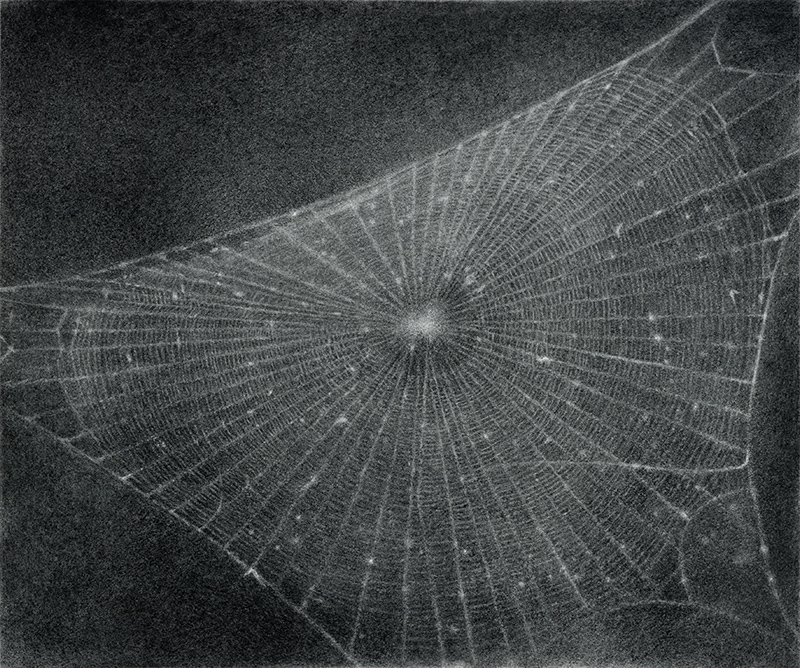
El universo visual de Celmins se mueve entre el detalle y lo panorámico: océanos, telas de araña, cielos estrellados y superficies desérticas. Sus piezas generan tensiones entre la quietud y el movimiento, la cercanía y la distancia. El espectador se enfrenta a imágenes profundamente absorbentes que exigen una mirada atenta y paciente. Su proceso pausado en las obras se proyecta en las exposiciones: la artista invita a detenerse, a contemplar los detalles y a experimentar el tiempo de otra manera.
Celmins’ visual universe moves between the minute and the vast: oceans, spiderwebs, star-filled skies, and desert surfaces. Her works create tensions between stillness and movement, proximity and distance. Viewers are confronted with deeply absorbing images that demand a careful and patient gaze. The slow, deliberate process behind her works extends into her exhibitions: the artist invites us to pause, to contemplate details, and to experience time differently.
La muestra en la Fondation Beyeler recorre seis décadas de creación, desde sus primeras pinturas hasta sus trabajos más recientes. La exposición se complementa con el cortometraje Vija, realizado por los cineastas Bêka & Lemoine, que ofrece un retrato cercano de la artista, mostrando su espontaneidad y sensibilidad más allá del taller. La curaduría está a cargo de Theodora Vischer, curadora jefe de la Fundación, y James Lingwood.
The exhibition at the Fondation Beyeler traces six decades of creation, from her earliest paintings to her most recent works. It is accompanied by the short film Vija, directed by filmmakers Bêka & Lemoine, which offers an intimate portrait of the artist, revealing her spontaneity and sensitivity beyond the studio. The show is curated by Theodora Vischer, Chief Curator of the Fondation, and James Lingwood.
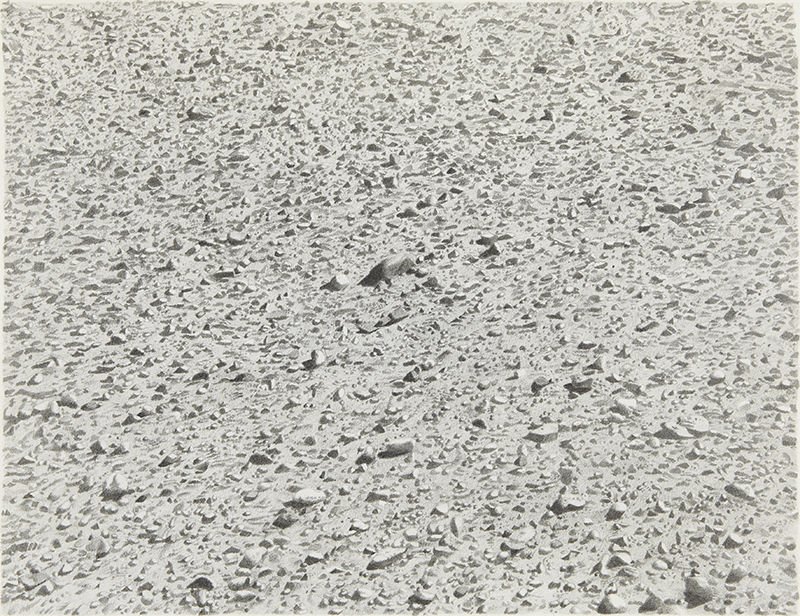
El escenario de esta exposición es también parte de la experiencia: la Fondation Beyeler, en Riehen, Suiza. Diseñado por Renzo Piano e inaugurado en 1997, el museo integra arquitectura, arte y naturaleza en un mismo espacio. Sus salas luminosas y rodeadas de jardines refuerzan el carácter contemplativo de la obra de Celmins, dándole aún más sentido a su propuesta.
The setting of the exhibition is also part of the experience: the Fondation Beyeler in Riehen, Switzerland. Designed by Renzo Piano and inaugurated in 1997, the museum integrates architecture, art, and nature in a harmonious space. Its bright galleries, surrounded by gardens, reinforce the contemplative character of Celmins’ work, adding further resonance to her practice.
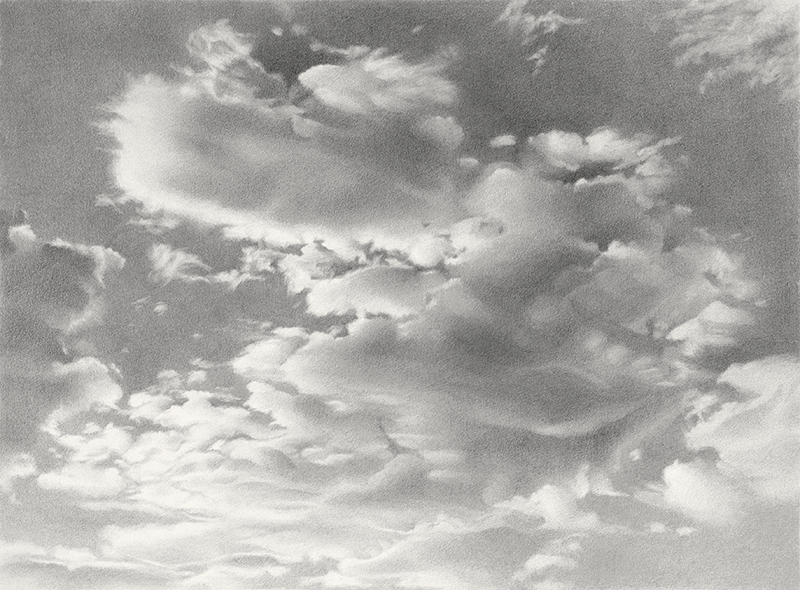
La exposición invita a redescubrir el trabajo de Vija Celmins no solo como un recorrido por su trayectoria, sino como una experiencia inmersiva que convierte la observación en un acto meditativo.
This exhibition invites us to rediscover Vija Celmins’ work not only as a journey through her career, but as an immersive experience that turns observation itself into a meditative act.