
16.03.2026. Tokyo
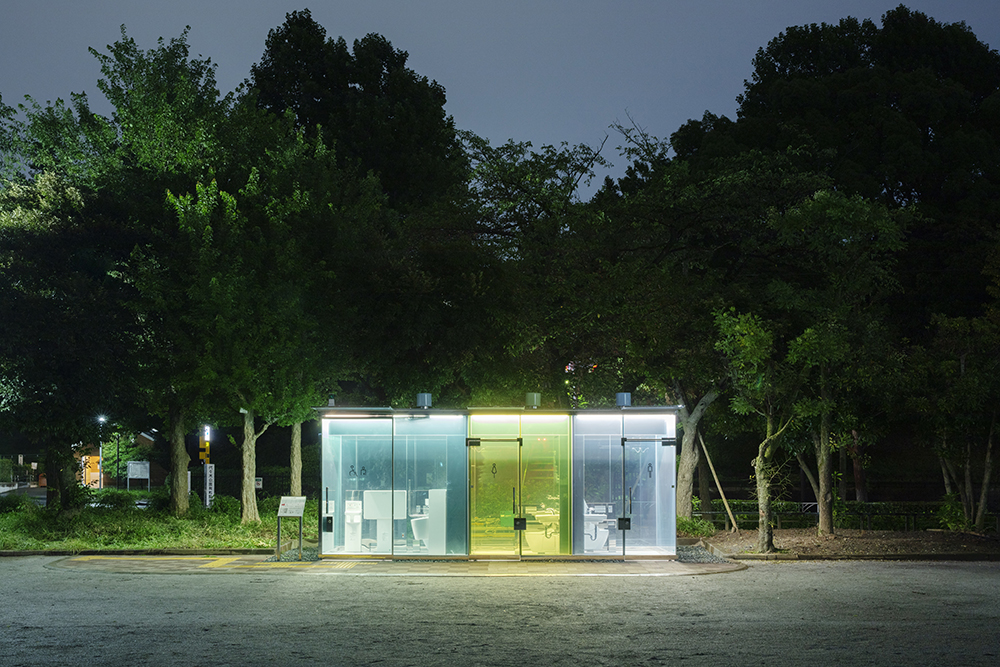
There is something deeply compelling about dedicating so much design attention to one of the most overlooked spaces in the city: the public restroom. A place we all use—or try to ignore—but rarely think about with any real care. This gesture, as simple as it is radical, is the starting point of THE TOKYO TOILET, a project that shows how even the most ordinary spaces can transform the way we inhabit a city.
Hay algo profundamente cautivador en dedicar tanta atención de diseño a uno de los espacios más ignorados de la ciudad: el baño público. Un lugar que todos usamos , o tratamos de ignorar, pero en el que rara vez pensamos con verdadero cuidado. Este gesto, tan simple como radical, es el punto de partida de THE TOKYO TOILET, un proyecto que muestra cómo incluso los espacios más ordinarios pueden transformar la forma en que habitamos una ciudad.
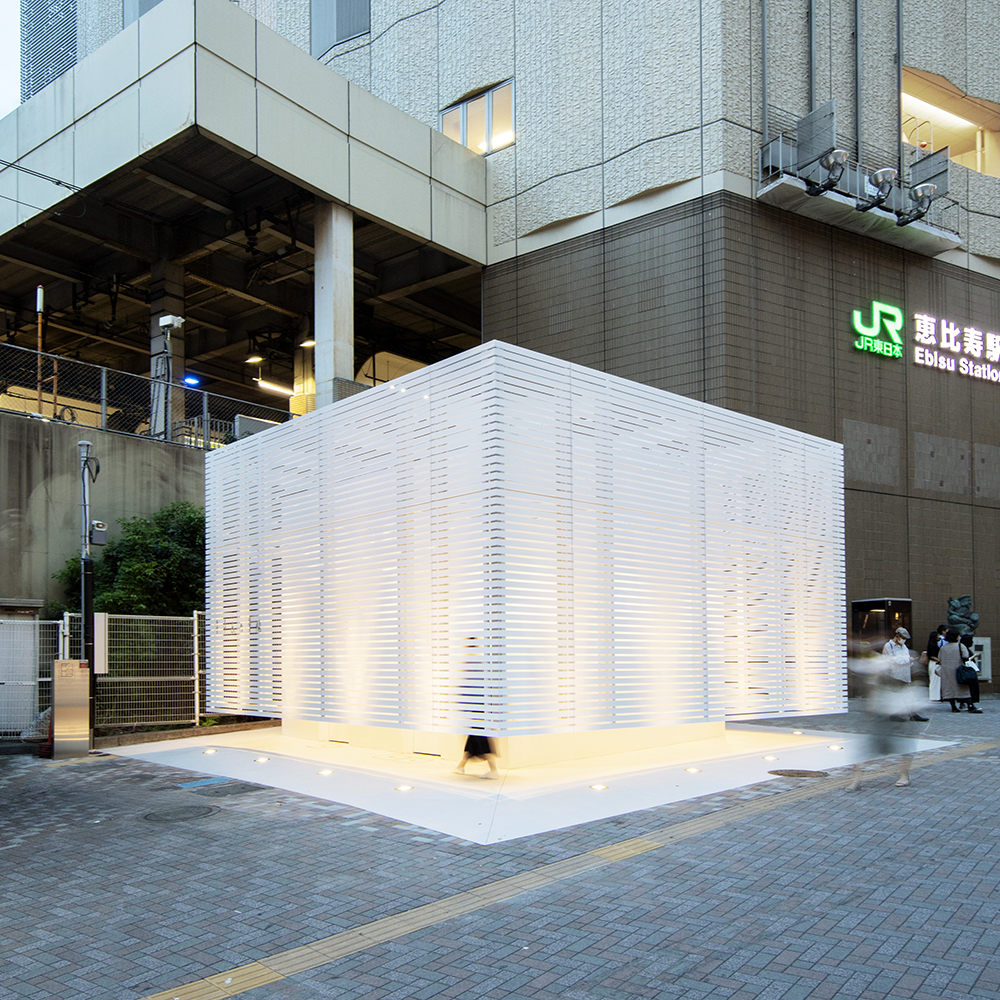
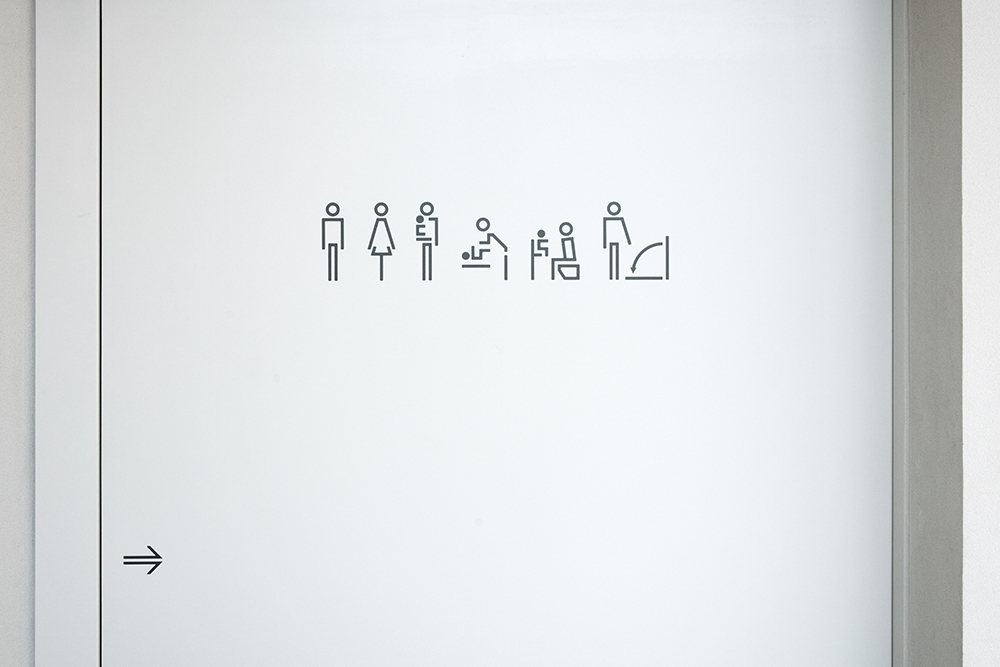
This project was founded in 2018 by Koji Yanai, and was initially managed by The Nippon Foundation with the full cooperation of Shibuya City. From April 2024, the project has been maintained and managed by Shibuya City. For decades, public restrooms have carried a difficult reputation: dark, dirty, uncomfortable, or even unsafe places. THE TOKYO TOILET begins precisely with that perception and turns the question around: what would happen if design truly took this space seriously? If it were approached with the same care as a cultural building or an architectural landmark?
Este proyecto fue fundado en 2018 por Koji Yanai y fue gestionado inicialmente por The Nippon Foundation con la plena cooperación de la ciudad de Shibuya. Desde abril de 2024, el proyecto es mantenido y administrado por la propia ciudad de Shibuya. Durante décadas, los baños públicos han cargado con una reputación difícil: lugares oscuros, sucios, incómodos o incluso inseguros. THE TOKYO TOILET parte precisamente de esa percepción y le da la vuelta a la pregunta: ¿qué pasaría si el diseño tomara realmente en serio este espacio? ¿Si se abordara con el mismo cuidado que un edificio cultural o un hito arquitectónico?

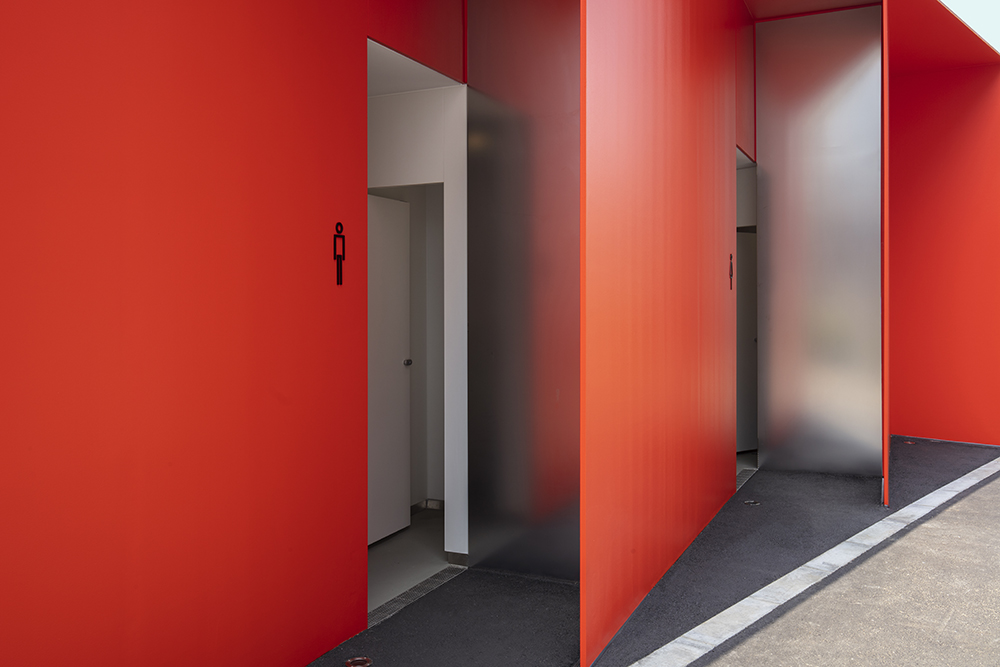
The result is a constellation of small architectural interventions scattered throughout Sibuya-City. Some resemble open pavilions, others feel like quiet shelters within parks, and some come closer to the idea of urban sculptures. Each reflects the sensibility of the person who designed it. Among the invited creators are some of the most influential names in architecture, as well as renowned figures from the fields of design, fashion, creative direction and professor such as Tadao Ando, Kengo Kuma, Toyo Ito, Sou Fujimoto, Shigeru Ban, Fumihiko Maki, Junko Kobayashi, Takenosuke Sakakura, Masamichi Katayama/ Wonderwall®︎, Marc Newson, Kashiwa Sato, Nao Tamura, NIGO®, Kazoo Sato, Tomohito Ushiro, and Miles Pennington.
El resultado es una constelación de pequeñas intervenciones arquitectónicas dispersas por la ciudad de Shibuya. Algunas se asemejan a pabellones abiertos, otras se sienten como refugios silenciosos dentro de los parques, y algunas se acercan más a la idea de esculturas urbanas. Cada una refleja la sensibilidad de la persona que la diseñó. Entre los creadores invitados se encuentran algunos de los nombres más influyentes de la arquitectura, así como figuras reconocidas de los campos del diseño, la moda, la dirección creativa y la academia, como Tadao Ando, Kengo Kuma, Toyo Ito, Sou Fujimoto, Shigeru Ban, Fumihiko Maki, Junko Kobayashi, Takenosuke Sakakura, Masamichi Katayama / Wonderwall®︎, Marc Newson, Kashiwa Sato, Nao Tamura, NIGO®, Kazoo Sato, Tomohito Ushiro y Miles Pennington.
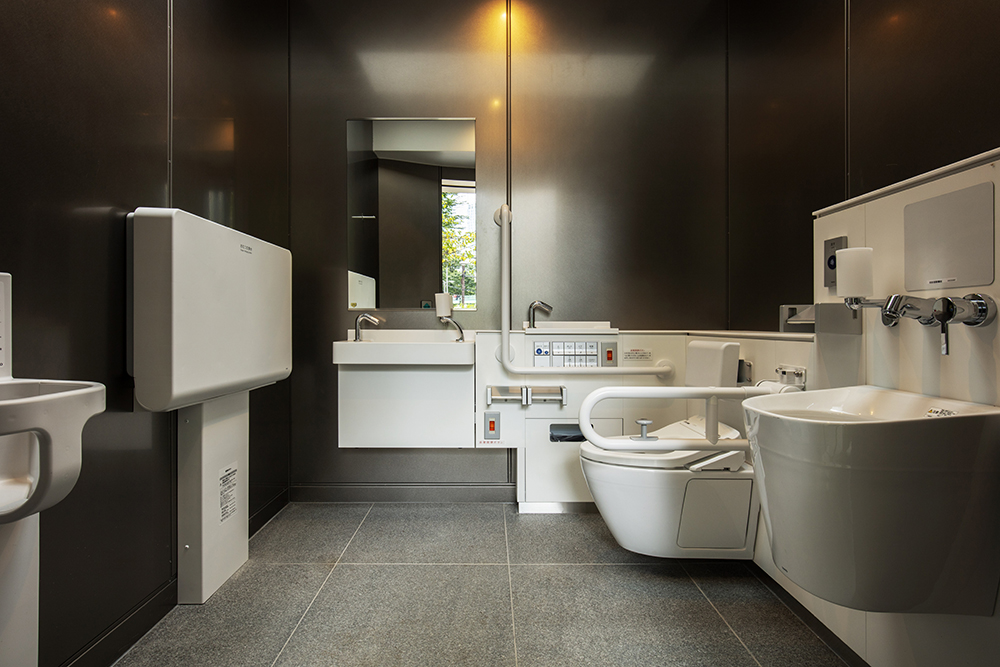
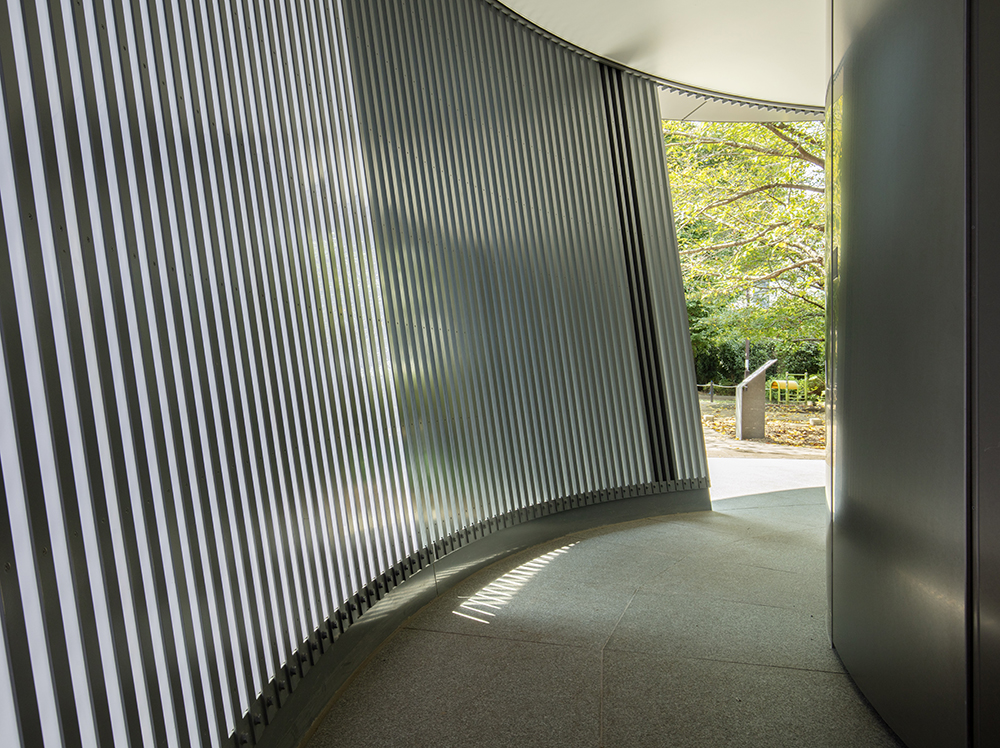
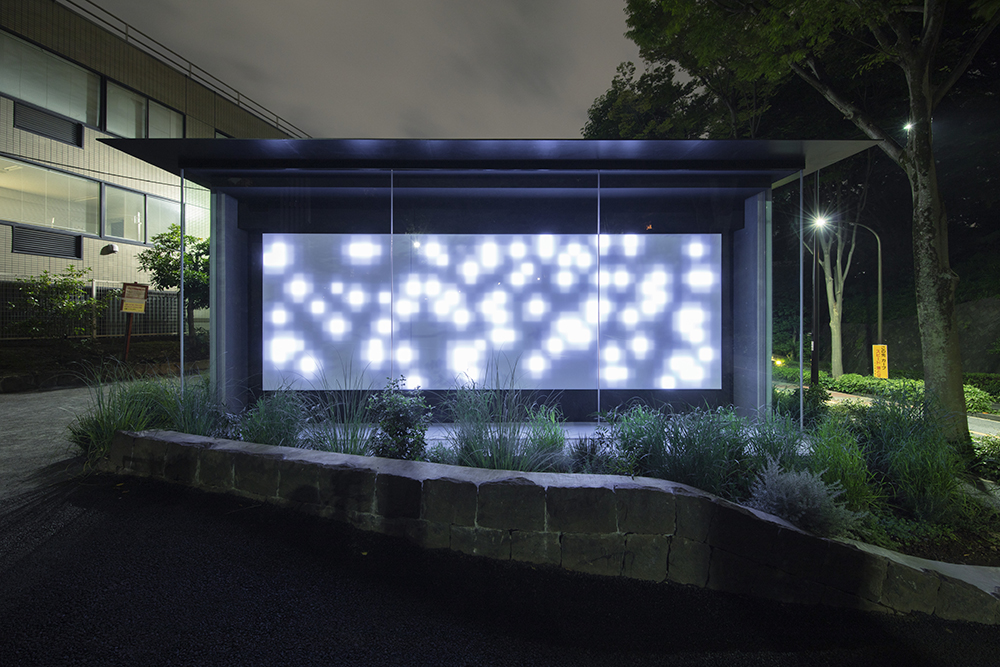
Each approaches the same challenge through their own language. Some toilets play with transparency to build trust—allowing people to see from the outside whether they are occupied or clean—while others explore warm materials or open structures that let in light and air. Some feel like small, reassuring refuges in the park; others carry a playful, nearly sculptural quality.
Cada uno aborda el mismo desafío desde su propio lenguaje. Algunos baños juegan con la transparencia para generar confianza, permitiendo ver desde el exterior si están ocupados o limpios, mientras que otros exploran materiales cálidos o estructuras abiertas que dejan entrar la luz y el aire. Algunos se sienten como pequeños refugios tranquilizadores dentro del parque; otros tienen una cualidad lúdica, casi escultórica.
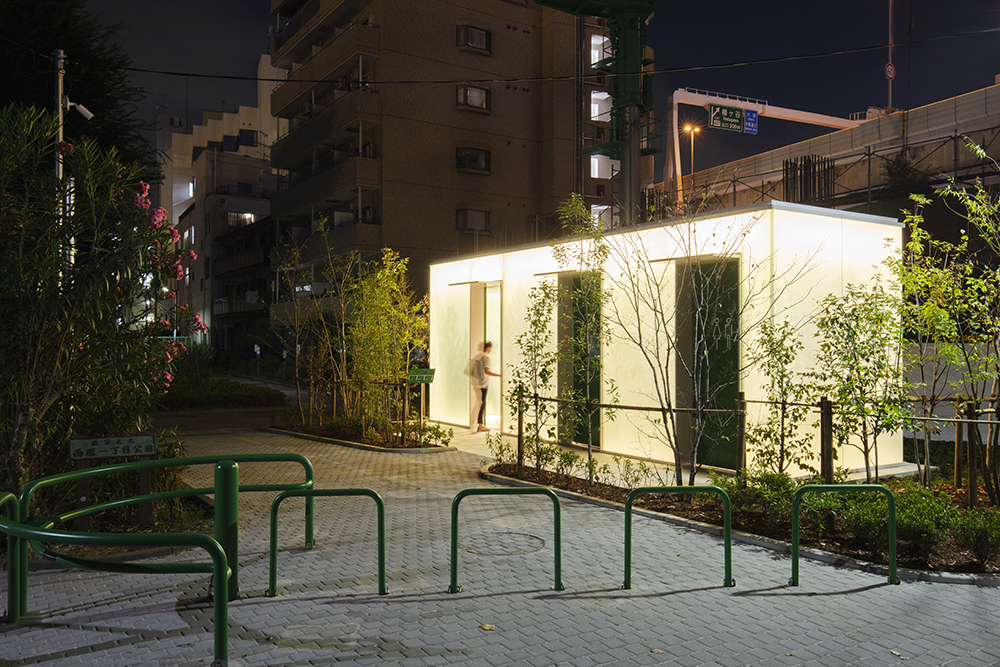
Beyond form, however, there is a strong cultural idea underpinning the project: the relationship between cleanliness, care, and hospitality. In Japan, public restrooms are closely tied to the concept of omotenashi—a quiet form of hospitality that anticipates the needs of others without making it explicit. For that reason, the project also emphasizes something very practical: maintenance. These toilet are cleaned up to three times a day—triple the ordinary frequency—with rigorous maintenance a top priority. By keeping the toilets immaculate, they aim to foster a mindset among users that they too should leave it clean. The gesture may seem small, but it changes the way people relate to the space. When a place feels cared for, it also encourages people to care for it in return.
Más allá de la forma, hay una fuerte idea cultural que sostiene el proyecto: la relación entre limpieza, cuidado y hospitalidad. En Japón, los baños públicos están estrechamente vinculados al concepto de omotenashi, una forma silenciosa de hospitalidad que anticipa las necesidades de los demás sin hacerlo explícito. Por esa razón, el proyecto también pone un gran énfasis en algo muy práctico: el mantenimiento. Estos baños se limpian hasta tres veces al día, tres veces más que la frecuencia habitual, con un mantenimiento riguroso como prioridad. Al mantenerlos impecables, se busca fomentar entre los usuarios la idea de que ellos también deben dejar el espacio limpio. El gesto puede parecer pequeño, pero cambia la forma en que las personas se relacionan con el lugar. Cuando un espacio se siente cuidado, también invita a que quienes lo usan lo cuiden a su vez.
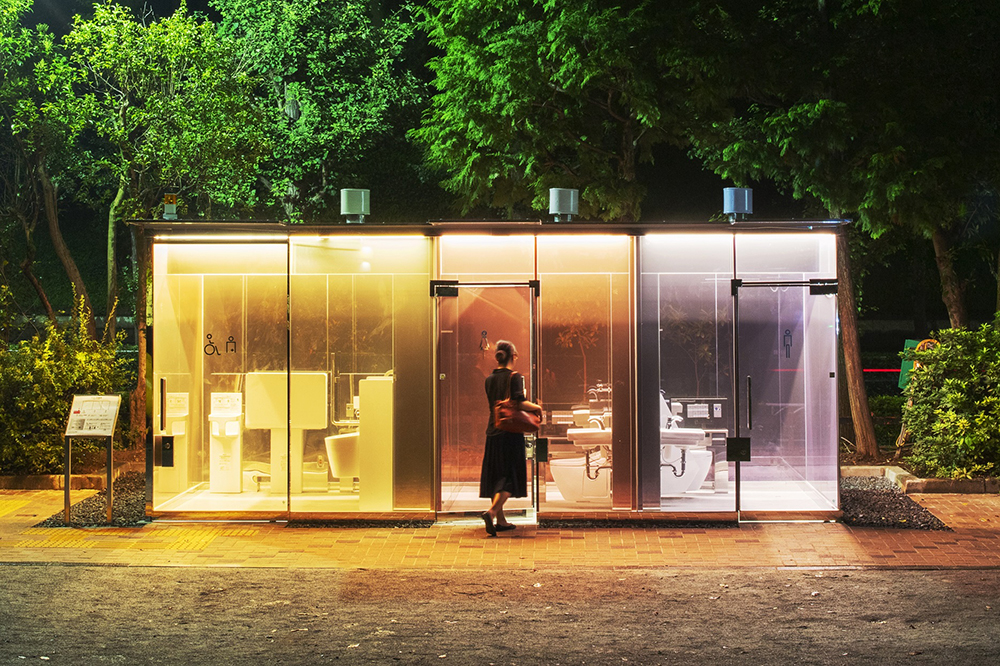
In that sense, THE TOKYO TOILET becomes much more than a series of well-designed restrooms. It is almost a small urban experiment—a reminder that the quality of a city is not measured only through its grand buildings, but through the everyday spaces that we all share. That is perhaps what makes the project so special: it chooses to look exactly where almost no one looks. And in doing so, it shows that even something as simple as a public restroom can become an opportunity to imagine a city that is kinder, more open, and ultimately more human.
En ese sentido, THE TOKYO TOILET se convierte en mucho más que una serie de baños bien diseñados. Es casi un pequeño experimento urbano: un recordatorio de que la calidad de una ciudad no se mide únicamente por sus grandes edificios, sino también por los espacios cotidianos que todos compartimos. Quizás eso es lo que hace que el proyecto sea tan especial: decide mirar exactamente allí donde casi nadie mira. Y al hacerlo, demuestra que incluso algo tan simple como un baño público puede convertirse en una oportunidad para imaginar una ciudad más amable, más abierta y, en última instancia, más humana.