
15.03.2026. Berlin
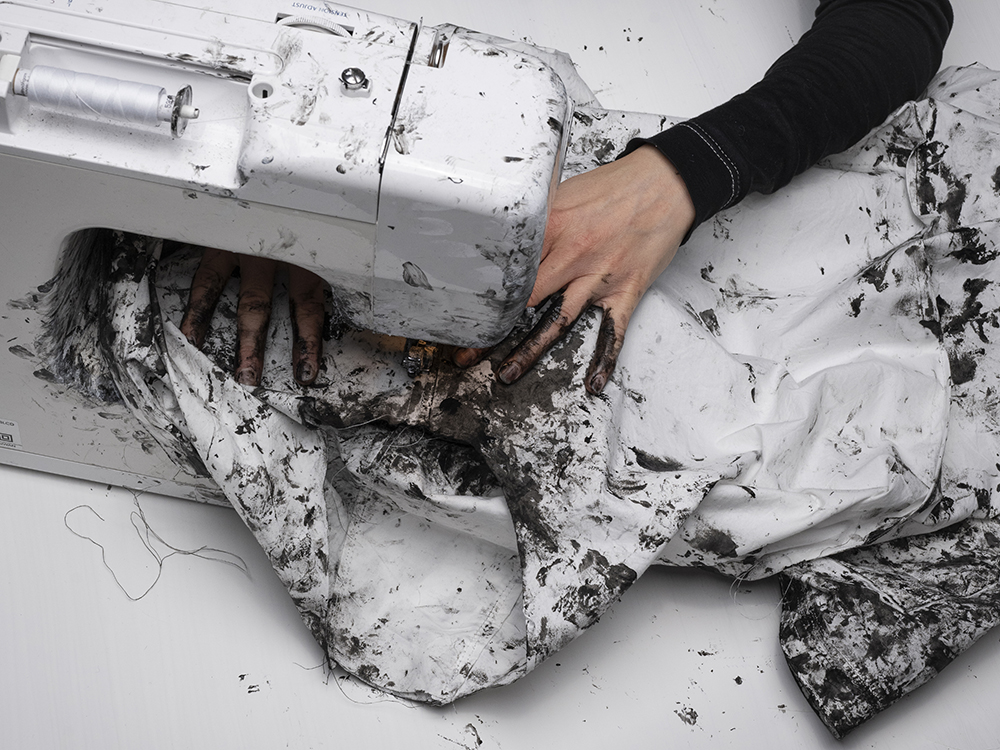
Thinking about clothing beyond the final result means paying attention to everything that usually stays out of sight: the processes, the techniques and, above all, the hands that make each garment possible. This is the premise behind Human Touch, the brand founded in 2023 by Juliet Seger-Banks and Christina Albrecht. Based between Berlin and New York, the project aims to make visible something the fashion industry often leaves in the background: the human labor behind clothes.
Pensar la ropa más allá del resultado final implica mirar todo lo que normalmente queda fuera del foco: los procesos, las técnicas y, sobre todo, las manos que hacen posible cada prenda. Esa es la premisa de Human Touch, la marca fundada en 2023 por Juliet Seger-Banks y Christina Albrecht. Con base entre Berlín y Nueva York, el proyecto busca hacer visible algo que la industria de la moda suele dejar en segundo plano: el trabajo humano detrás de la ropa.
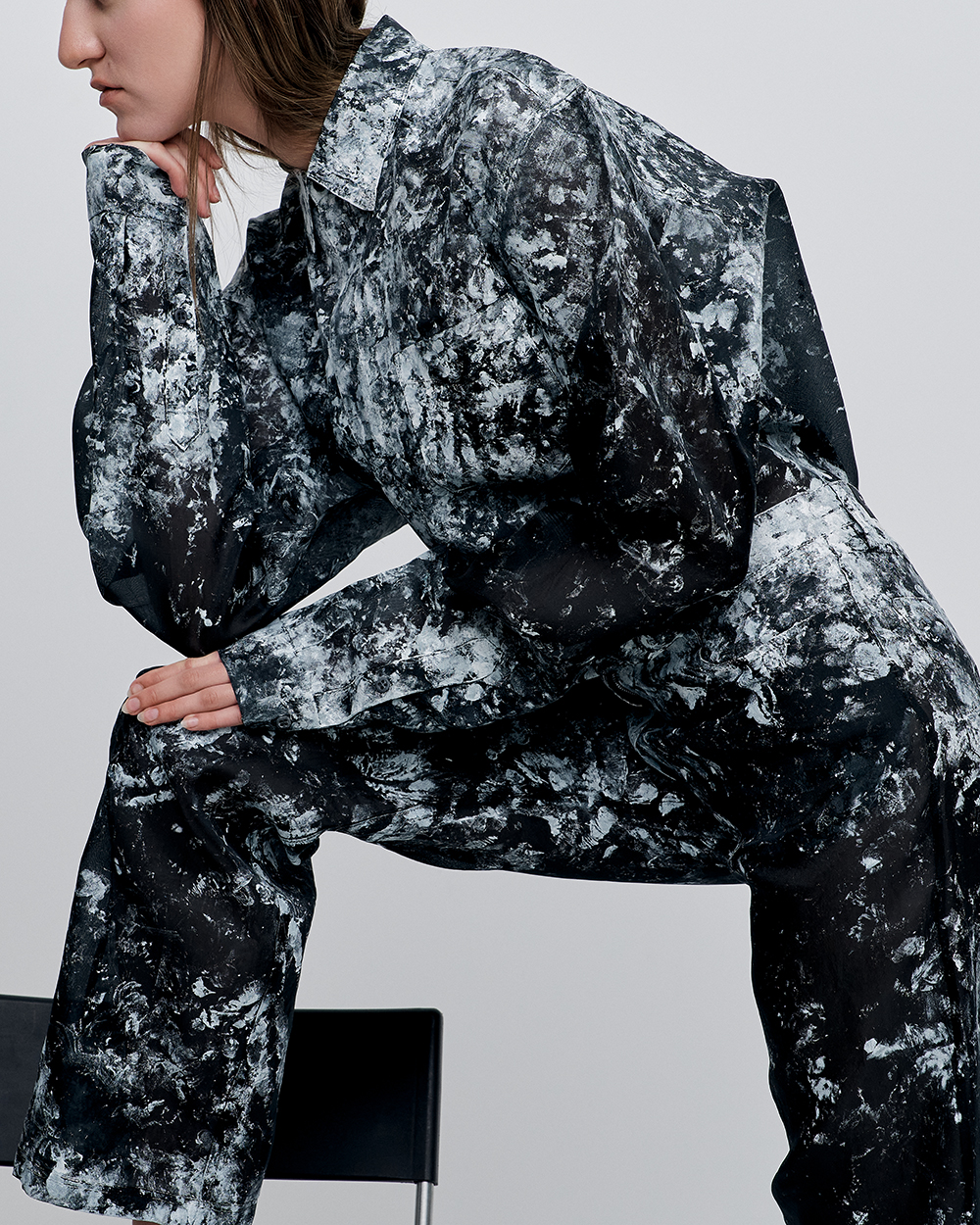
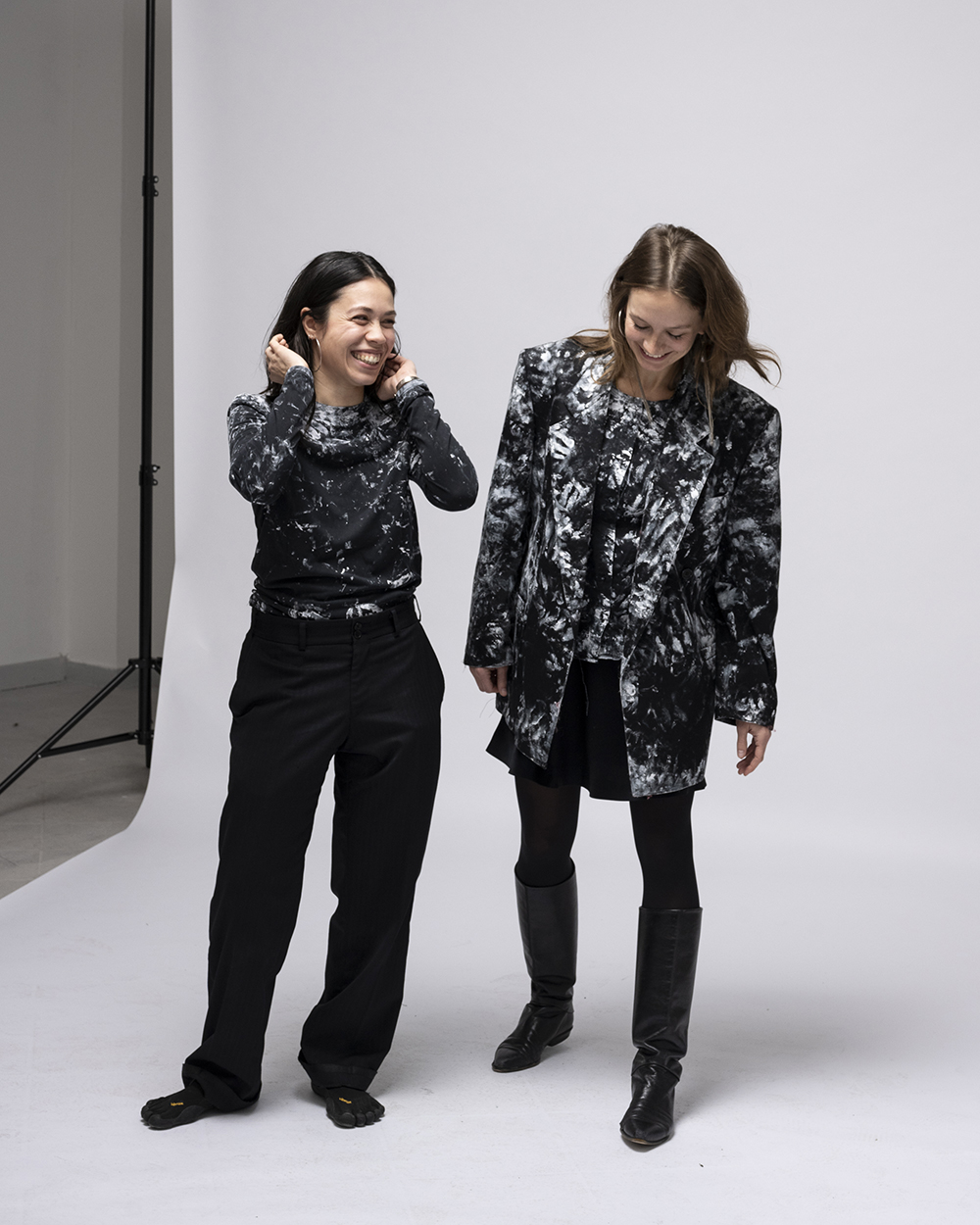
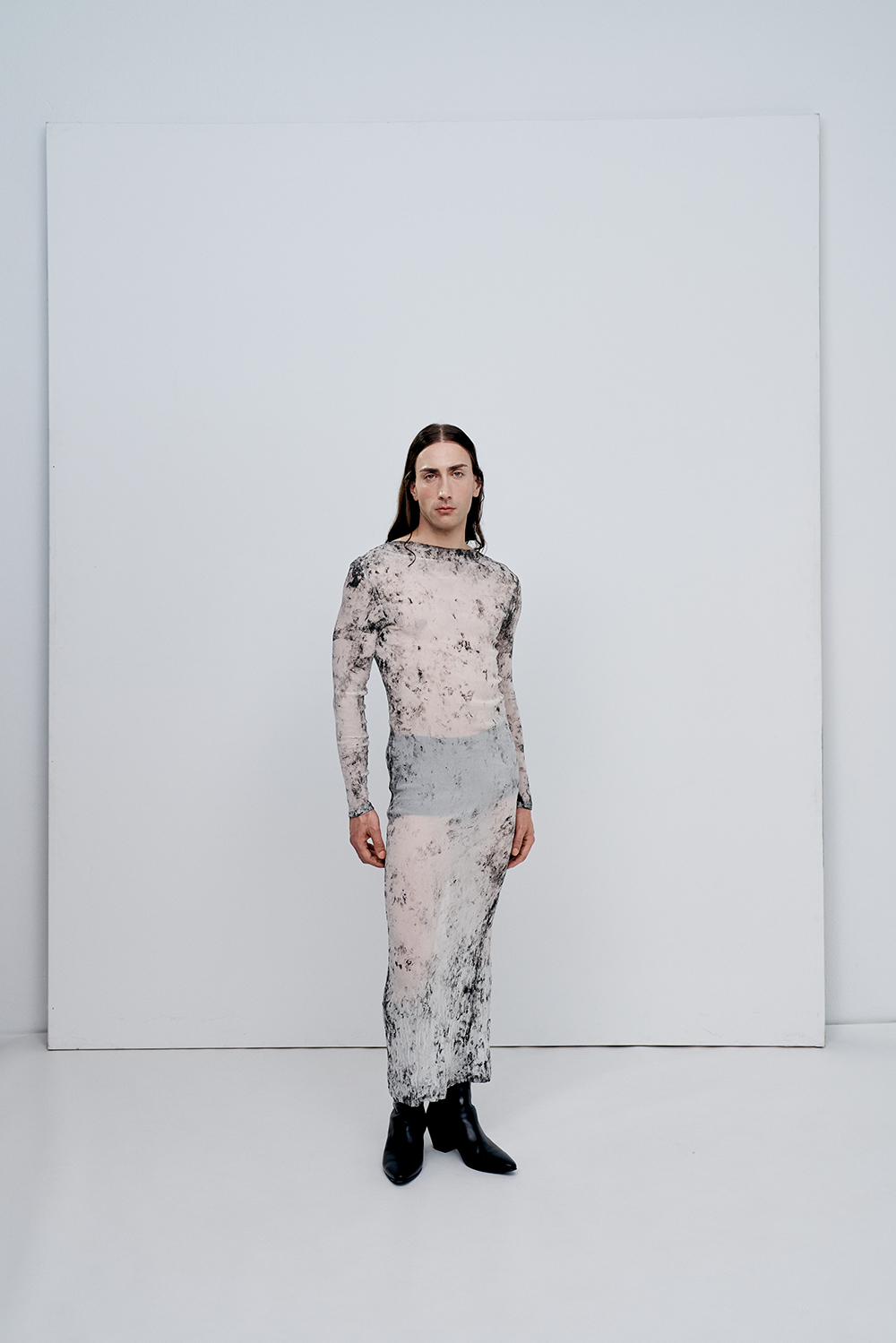
To do so, they developed a technique called paint sewing. During the sewing process, the people working on the garments do so with their hands covered in paint, leaving fingerprints, stains and traces directly on the fabric. Rather than aiming for a polished finish, each mark becomes evidence of the process and of the people involved in making the piece.
Para ello desarrollaron una técnica llamada paint sewing. Durante el proceso de costura, quienes trabajan las prendas lo hacen con las manos cubiertas de pintura, de modo que huellas, manchas y rastros quedan impresos directamente sobre la tela. No se trata de un acabado pensado para verse perfecto; al contrario, cada marca funciona como evidencia del proceso y de las personas que participaron en él.
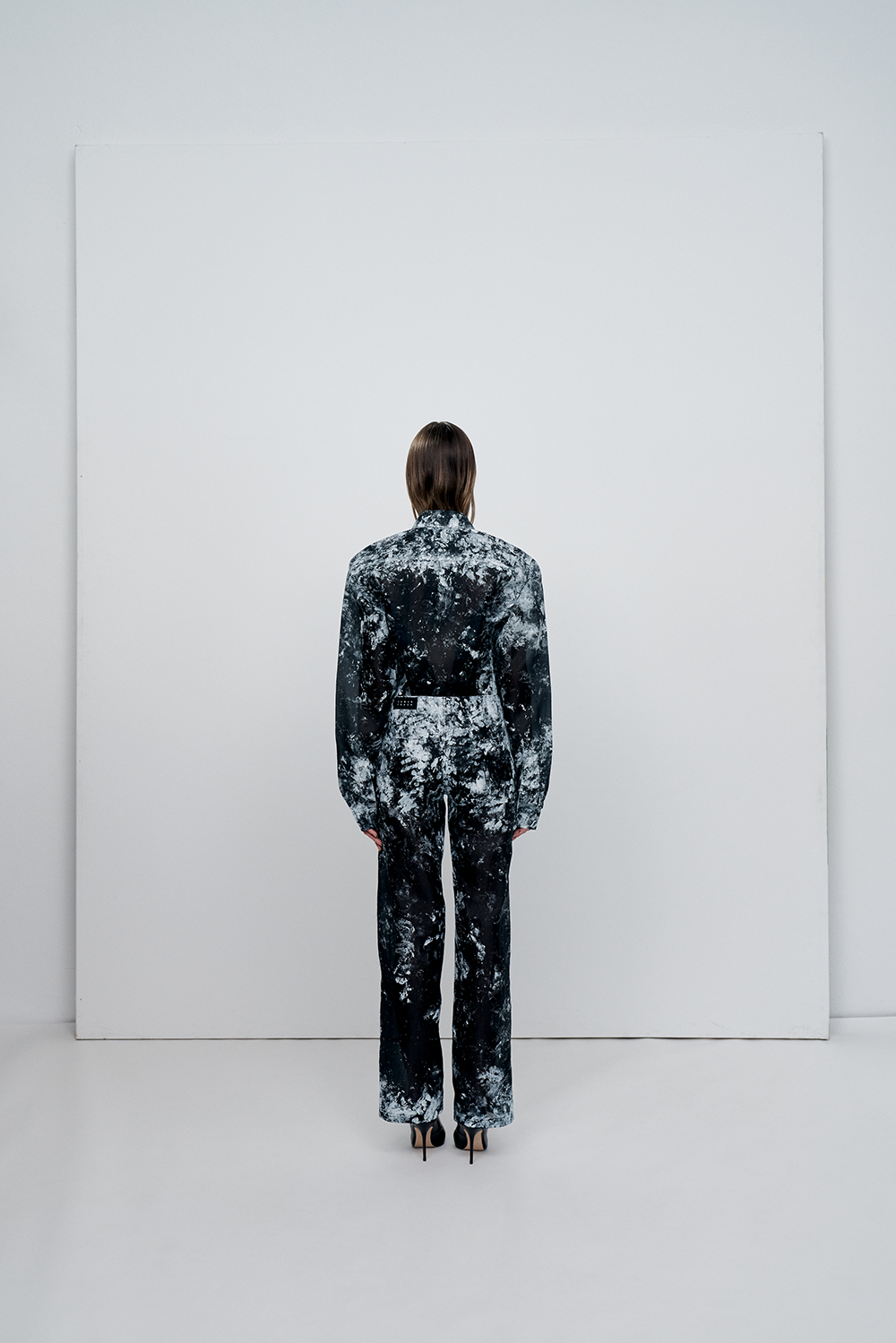
Human Touch also moves beyond the traditional format of a fashion brand. The project unfolds through live sewing performances, installations, talks and presentations that explore the possibilities of this technique and its relationship to fashion activism. What makes the project compelling is that instead of hiding the traces of manual labor, Human Touch chooses to leave them visible. In an industry that often aims for flawless surfaces, these marks act as a reminder that every garment passes through many hands before reaching the person who wears it.
Human Touch tampoco se limita a operar como una marca en el sentido tradicional. El proyecto se expande a través de live sewing performances, instalaciones, charlas y presentaciones que giran alrededor de esta técnica y de su potencial dentro del activismo en la moda. Lo interesante es que, en lugar de borrar las huellas del trabajo manual, Human Touch decide dejarlas ahí. En una industria que suele aspirar a la superficie impecable, estas marcas recuerdan que cada prenda pasa por muchas manos antes de llegar a quien la usa.