
23.02.2026. Sierras de Maldonado, Uruguay
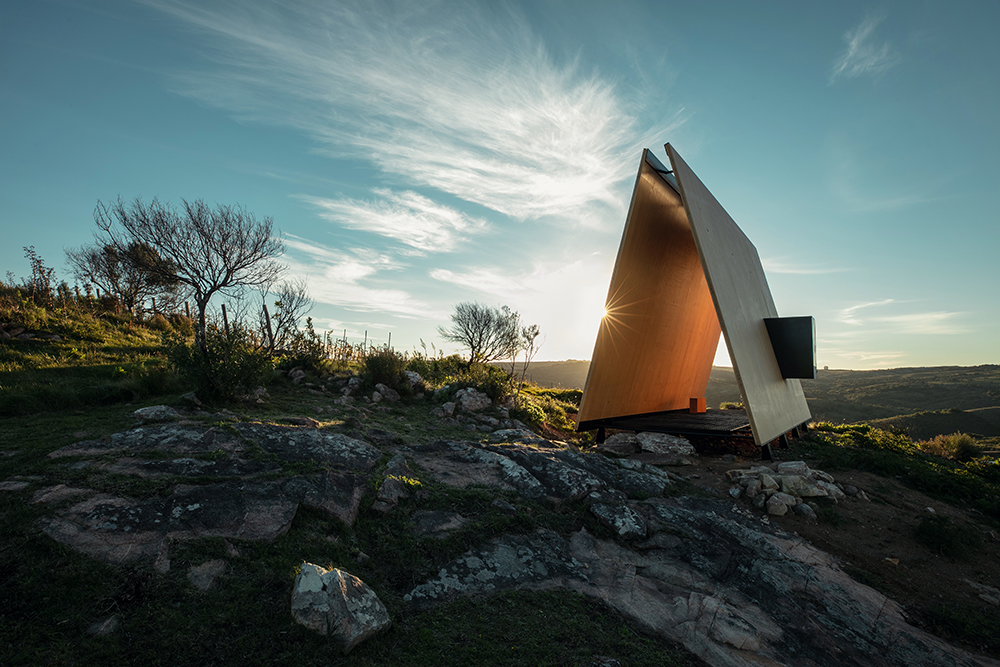
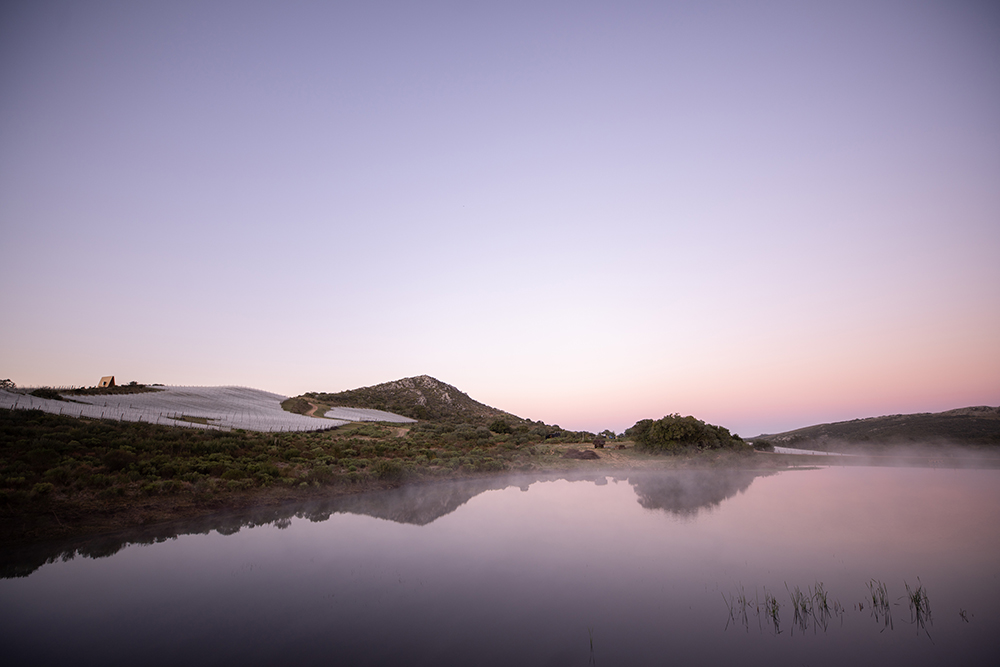
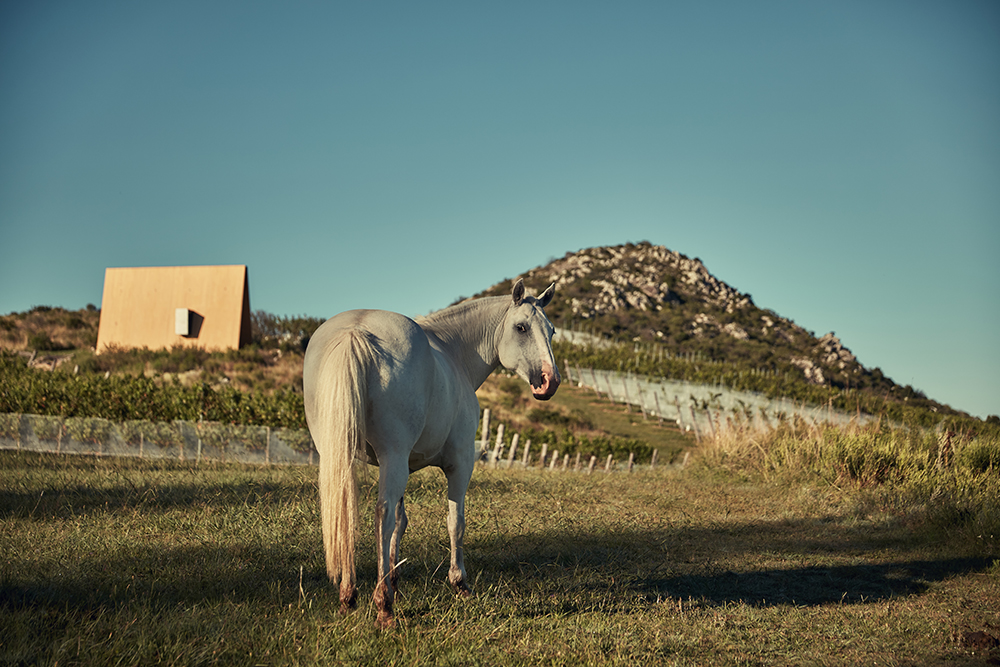
Sacromonte es un proyecto vitivinícola ubicado en las sierras de Maldonado, cerca de Pueblo Edén, al sur de Uruguay. Fue fundado en 2014 por Edmond Borit y reúne producción de vino y alojamiento en medio de un paisaje de cerros, lagunas y vegetación nativa. El terreno incluye viñedos, cuatro refugios para huéspedes y espacios destinados a la gastronomía. La relación con el terreno es parte central de la experiencia. En ese contexto, en 2017 se construyó la Capilla en Sacromonte, diseñada por la oficina arquitectónica uruguaya FROM. Ubicada en uno de los puntos más altos del lugar, la capilla se integra al conjunto sin imponerse sobre el paisaje.
Sacromonte is a wine-producing project located in the hills of Maldonado, near Pueblo Edén, in southern Uruguay. It was founded in 2014 by Edmond Borit and brings together wine production and lodging within a landscape of hills, lagoons, and native vegetation. The site includes vineyards, four guest refuges, and spaces dedicated to gastronomy. The relationship with the land is a central part of the experience. Within this context, in 2017 the Chapel at Sacromonte was built, designed by the Uruguayan architectural office FROM. Located at one of the highest points of the property, the chapel integrates into the complex without dominating the landscape.
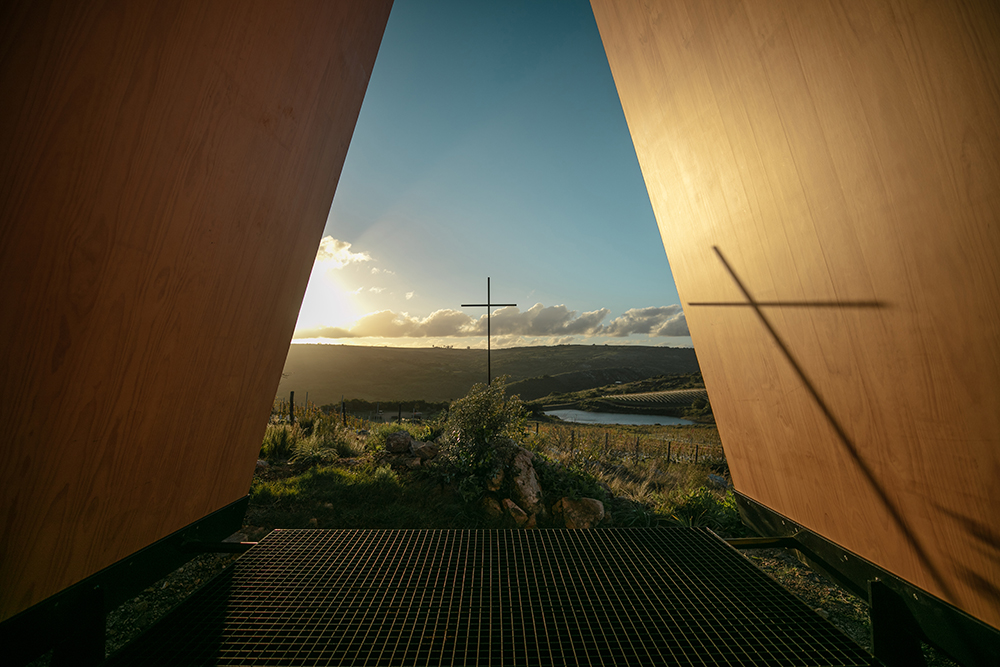
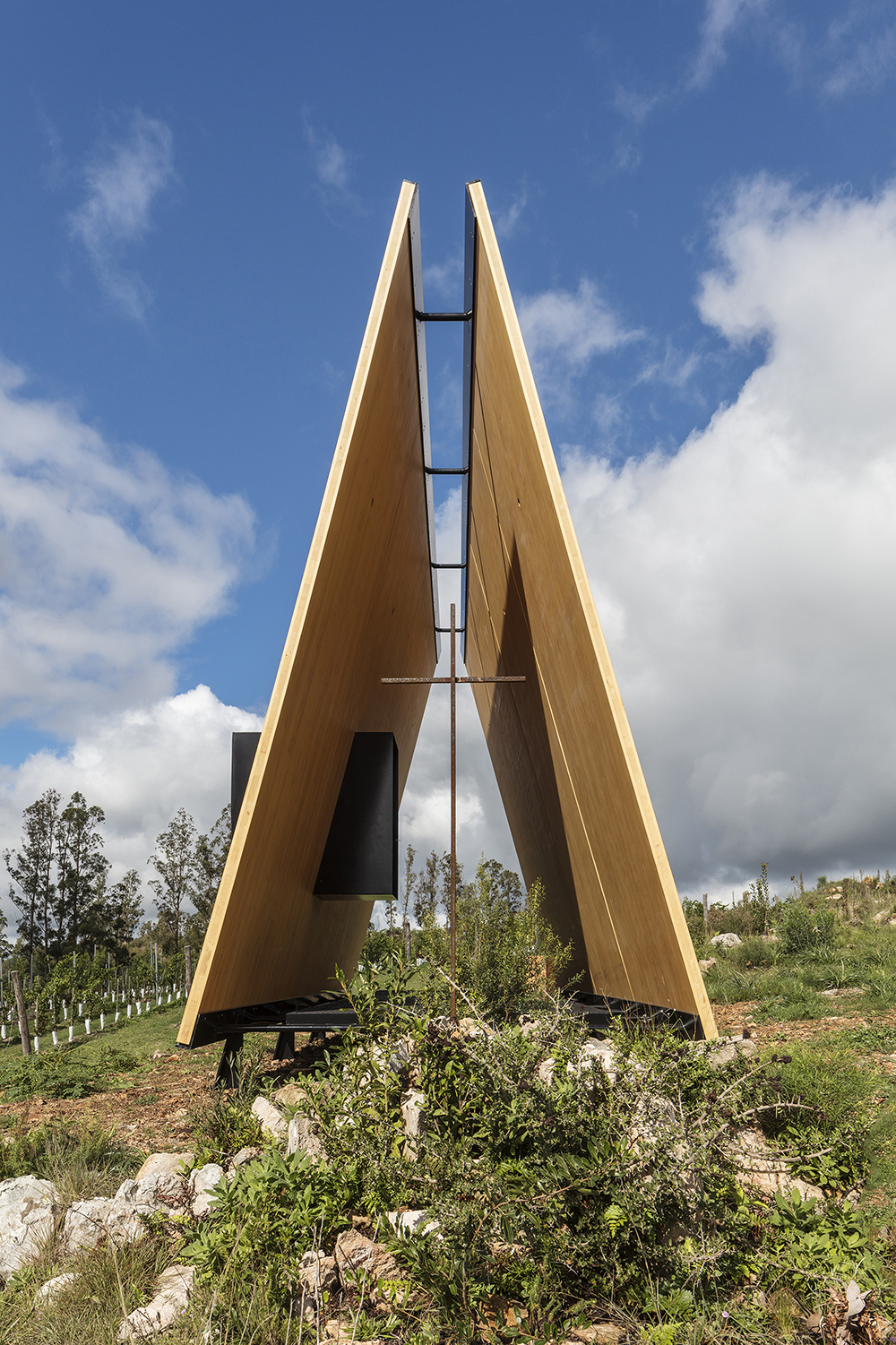
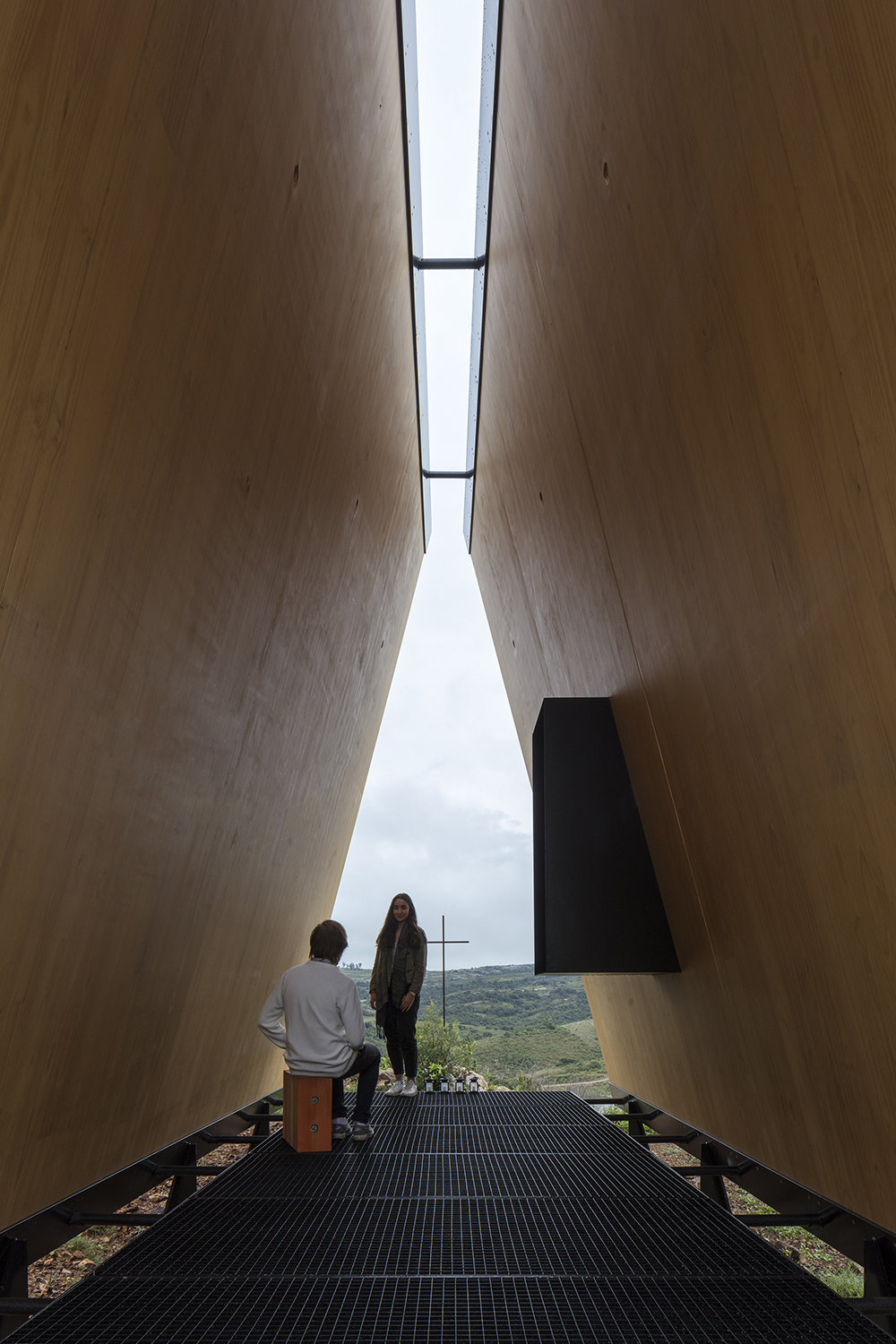
El diseño de la capilla de una pregunta concreta: cómo deberían pensarse los espacios sagrados en el siglo XXI. La respuesta se traduce en una estructura sencilla y austera. Dos planos de madera de 9 x 6 metros se disponen uno sobre otro sin llegar a tocarse por completo, generando un espacio que no se define del todo como interior ni como exterior. No hay muros tradicionales ni un cierre total; el edificio permite que las condiciones del lugar —el viento, la humedad, los cambios de luz— formen parte de lo que ocurre dentro.
The design begins with a clear question: how should sacred spaces be conceived in the 21st century? The answer takes shape in a simple, austere structure. Two 9 x 6 meter wooden planes are placed one over the other without fully touching, creating a space that is neither entirely interior nor exterior. There are no traditional walls or complete enclosures; instead, the building allows the site’s conditions — wind, humidity, shifting light — to become part of what happens inside.
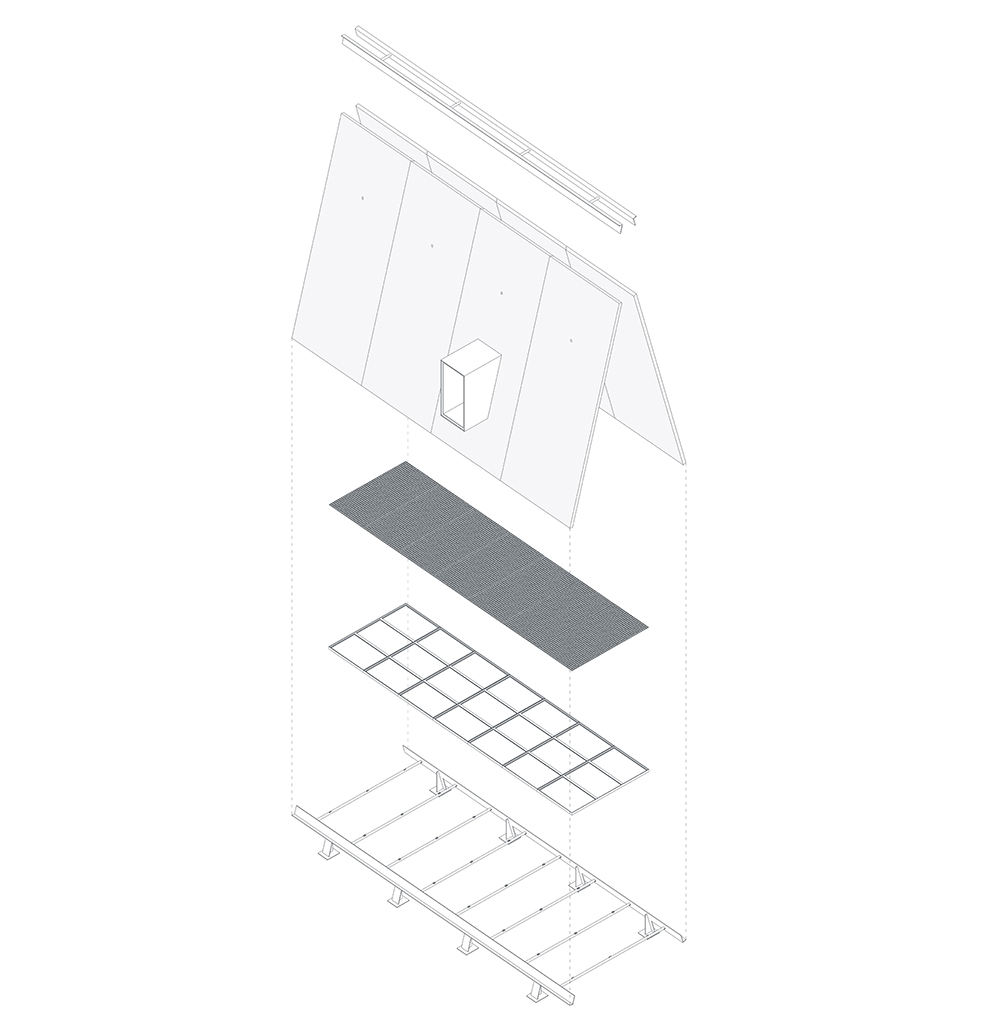
La estructura fue fabricada en Portugal con tecnología CLT y acero, y luego trasladada al sitio para ser montada en un solo día. Este proceso permitió controlar la construcción y reducir la intervención directa sobre el terreno. FROM es una oficina arquitectónica que ha desarrollado proyectos con especial atención a contextos naturales y a sistemas constructivos eficientes. Su trabajo ha recibido reconocimientos internacionales como el Dezeen Award, entre otros, y ha participado en espacios de discusión global como la Biennale di Venezia.
The structure was manufactured in Portugal using CLT technology and steel, then transported to the site to be assembled in a single day. This process allowed for greater construction control and minimized direct intervention on the land. FROM is an architectural office that has developed projects with a strong focus on natural contexts and efficient building systems. Its work has received international recognition, including the Dezeen Award, and has participated in global platforms such as the Biennale di Venezia.
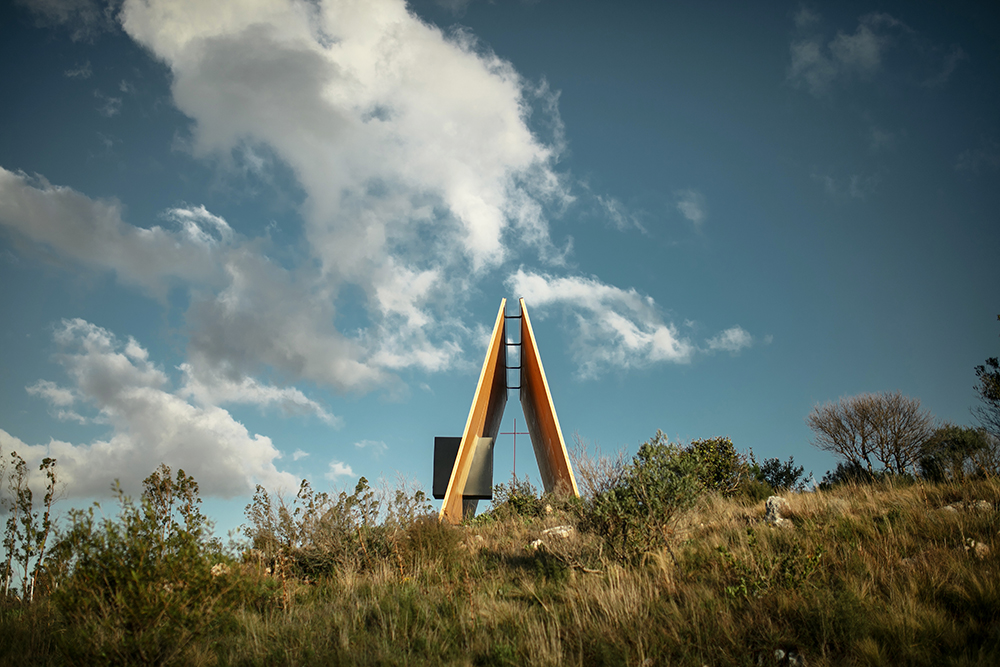
En Sacromonte, la capilla no recurre a símbolos religiosos evidentes ni a una escala monumental para construir significado. Lo que plantea es otra forma de entender lo sagrado: un espacio abierto, donde la reunión sucede frente al paisaje y no aislada de él. La estructura funciona casi como un marco que encuadra la vista y plantea un encuentro. Más que ofrecer una imagen icónica, propone una experiencia directa y sin intermediarios, donde el lugar termina de definir el carácter del espacio.
In Sacromonte, the chapel avoids overt religious symbols and monumental scale as sources of meaning. Instead, it proposes another way of understanding the sacred: an open space where gathering takes place in front of the landscape rather than separated from it. The structure acts almost as a frame, organizing the view and setting the stage for encounter. Rather than offering an iconic image, it presents a direct experience in which the site ultimately defines the character of the space.