
26.02.2026. Berlin
76 años de la Berlinale
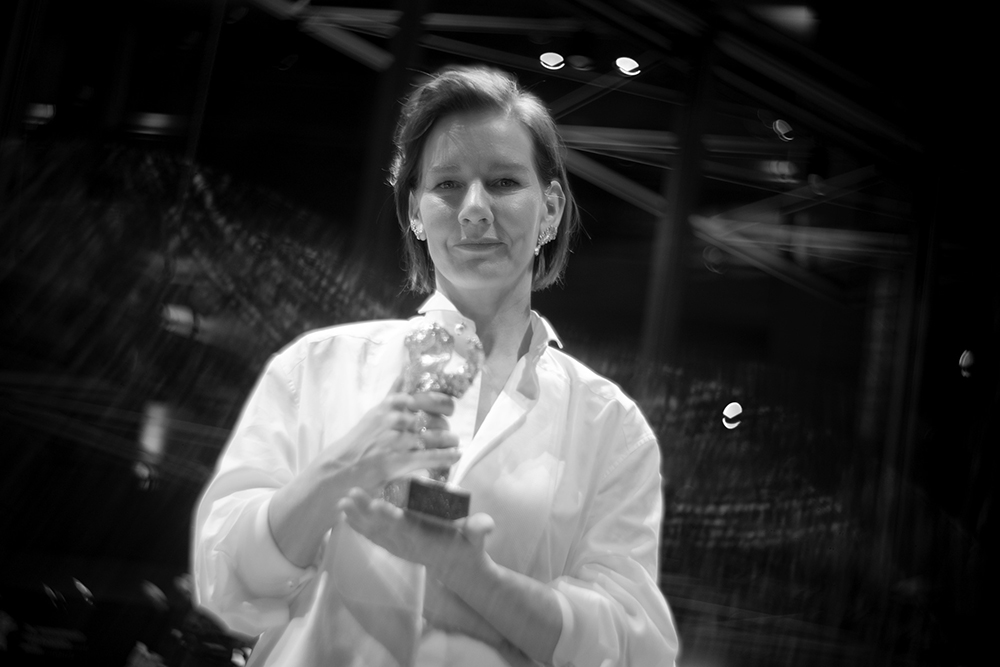
Berlin has been, is, and will continue to be a deeply political city. Having endured two world wars, the controversial Wall, the Cold War, and more recently its stance against Russia and in support of Israel, its moral positions have been firm and uncompromising. For that very reason, it is impossible for the world’s largest film festival, the Festival Internacional de Cine de Berlín, not to function as a political arena as well. This year was no exception. In fact, this edition has been one of the most politically charged in recent years, something evident in its official selection (more than 200 films in total), in the recurring controversies during press conferences, and ultimately in the choice of awarded films and the speeches delivered by their winners.
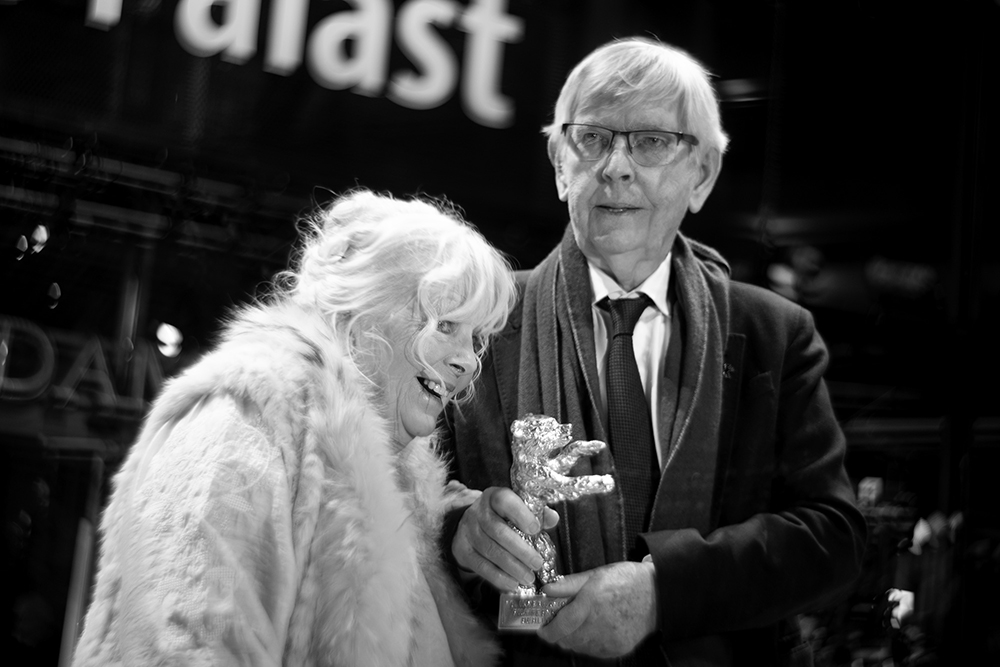
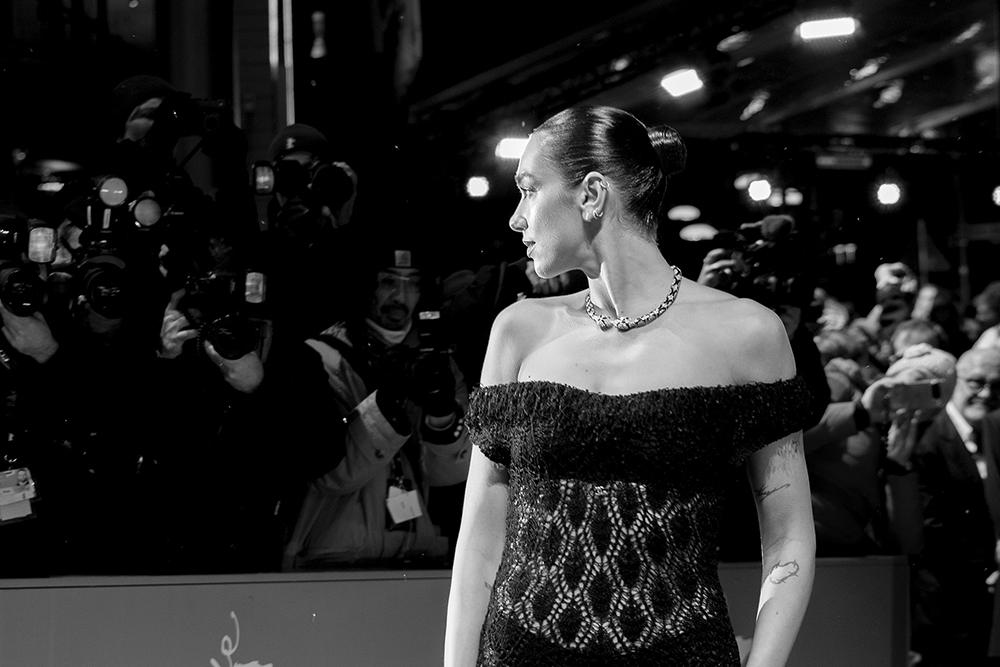
It all began on opening night at the red carpet. The noticeable absence of major “stars” —ultra-famous actors and directors— made it clear that the festival was not aiming to capture media attention through the parade of Hollywood and European VIPs, but through low- to mid-budget films focused on politically charged themes. Following the opening ceremony, the film that launched the festival, “No Good Men” by acclaimed Afghan filmmaker Shahrbanoo Sadat, stood out as a romantic comedy set in the days just before the Taliban regime’s return in 2021 — notably the first Afghan film to depict a kiss on screen.
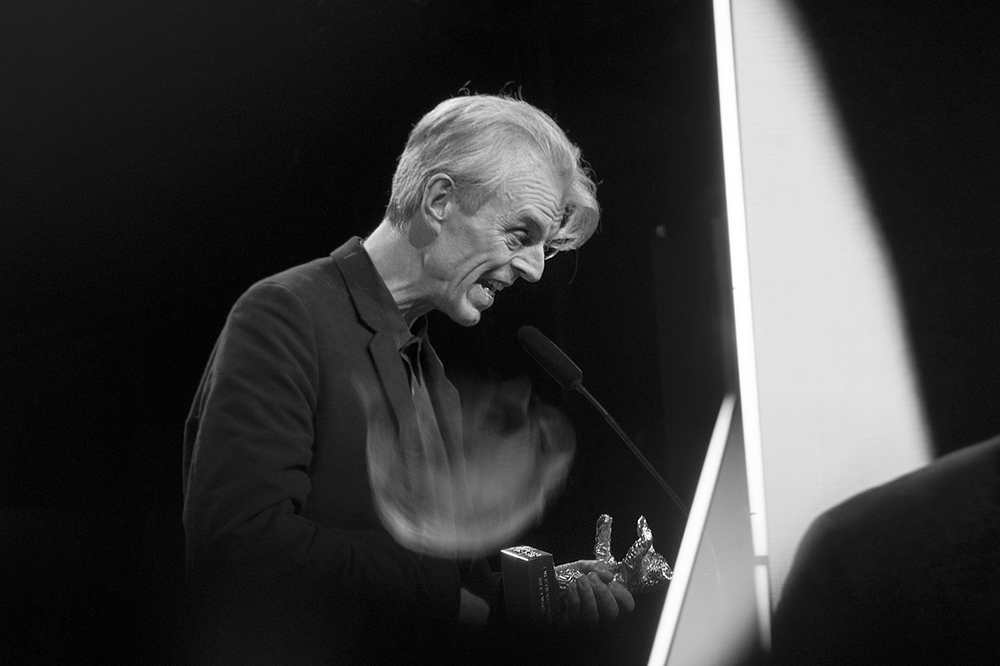
The first press conference also sparked controversy. Jury president and German filmmaker Wim Wenders responded to a question regarding the German government’s alleged censorship of local artists protesting against the Israeli government and arms sales by stating that art should not be political. Yet on the final day, he appeared to soften his stance, declaring in his closing speech that art can indeed be political, but that it is up to the artist to decide which stories to tell, and that “being in favor of something does not mean being against someone else.” His remarks came in response to a letter signed by more than 80 international artists — including Javier Bardem and Tilda Swinton — who criticized the German government through the Berlinale platform.
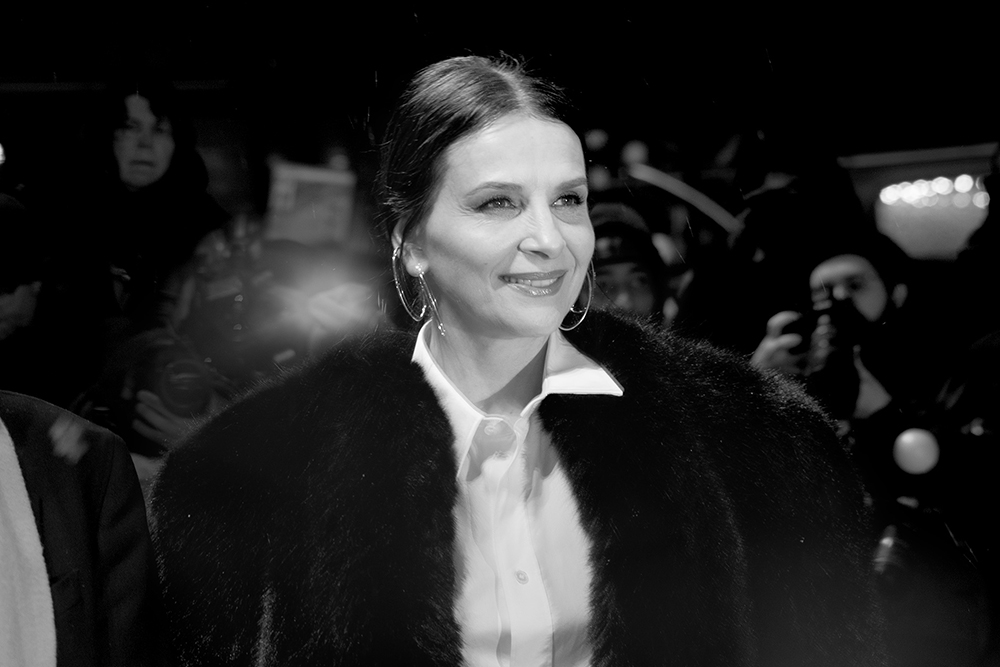
Despite the tensions, the selection demonstrated remarkable artistic quality. Many of the films tackled themes such as immigration, xenophobia, cultural clashes, and societies on the brink of collapse due to extremist politics. These were stories that struck a precise and timely chord. Ultimately, while several awards appeared to align more with a message of political solidarity than with pure cinematic excellence, and while the starless red carpet diminished some of the spectacle, the artistic and filmmaking quality was undeniable. Not all critics were satisfied with the final list of winners, but debate, after all, is an essential part of this festival’s identity.
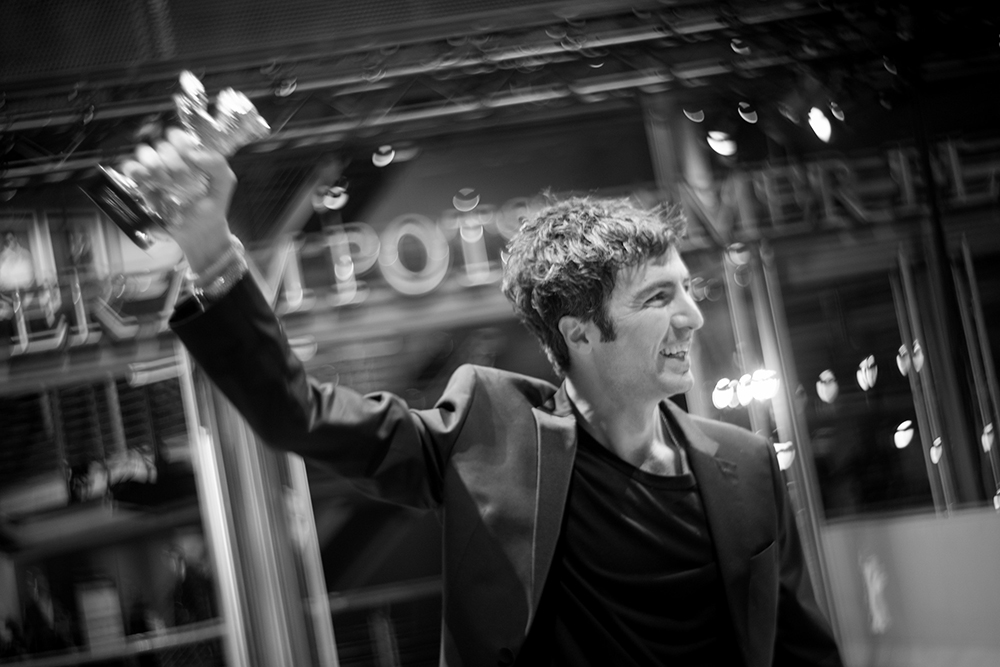
The Favorites:
A reinterpretation of the Dracula myth in which the vampire is portrayed by French actress Isabelle Huppert. An artistic comedy blending modern Vienna —subways and cell phones— with Victorian-era costumes: a vegetarian vampire visiting a Freudian psychologist in search of a sacred text while being chased by two incompetent detectives. Bloody, morbid, and darkly amusing.
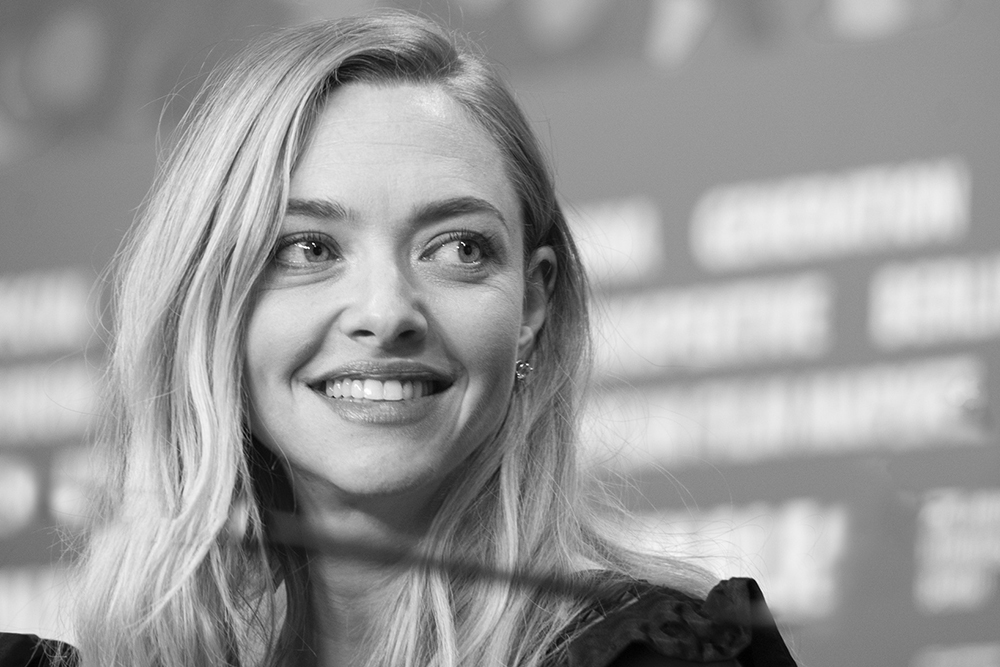
Oso de Oro:Yellow Letters, de Ilker Çatak
Golden Bear: Yellow Letters, by Ilker Çatak
Oso de Plata Gran Premio del Jurado: Salvation, de Emin Alper
Silver Bear – Grand Jury Prize: Salvation, by Emin Alper
Oso de Plata Premio del Jurado:Queen At Sea, de Lance Hammer
Silver Bear – Jury Prize: Queen At Sea, by Lance Hammer
Oso de Plata a la mejor Dirección: Grant Gee, por Everybody Digs Bill Evans
Silver Bear for Best Director: Grant Gee, for Everybody Digs Bill Evans
Oso de Plata a la mejor Interpretación Protagonista: Sandra Hüller, por Rose
Silver Bear for Best Leading Performance: Sandra Hüller, for Rose
Oso de Plata a la mejor Interpretación Secundaria: Anna Calder-Marshall y Tom Courtenay, por Queen At Sea
Silver Bear for Best Supporting Performance: Anna Calder-Marshall and Tom Courtenay, for Queen At Sea
Oso de Plata a mejor Guión: Geneviève Dulude-de Celles, por Nina Roza
Silver Bear for Best Screenplay: Geneviève Dulude-de Celles, for Nina Roza
Oso de Plata a la mejor contribución artística:Yo (Love is a Rebellious Bird), de Anna Fitch y Banker White
Silver Bear for Outstanding Artistic Contribution: Yo (Love is a Rebellious Bird), by Anna Fitch and Banker White
Mejor documental: If Pegeons Turned to Gold, de Pepa Lubojacki
Best Documentary: If Pigeons Turned to Gold, by Pepa Lubojacki
Mejor ópera prima: Chronicles From the Siege, de Abdallah Alkhatib
Best First Feature: Chronicles From the Siege, by Abdallah Alkhatib
Oso de Oro al mejor cortometraje:Someday a Child, de Marie-Rose Osta
Golden Bear for Best Short Film: Someday a Child, by Marie-Rose Osta
Oso de Plata de cortometraje: A Women’s Place is Everywhere, de Fanny Texier
Silver Bear for Short Film: A Woman’s Place is Everywhere, by Fanny Texier
Candidato de la Berlinale a los Premios de CIne Europeos en la categoría de cortometraje: Cosmonauts, de Leo Cernik
Berlinale Candidate for the European Film Awards (Short Film Category): Cosmonauts, by Leo Cernik
Premio CUPRA de Dirección de Cortometrajes: Jingkai Qu, por Kleptomania
CUPRA Award for Best Short Film Direction: Jingkai Qu, for Kleptomania
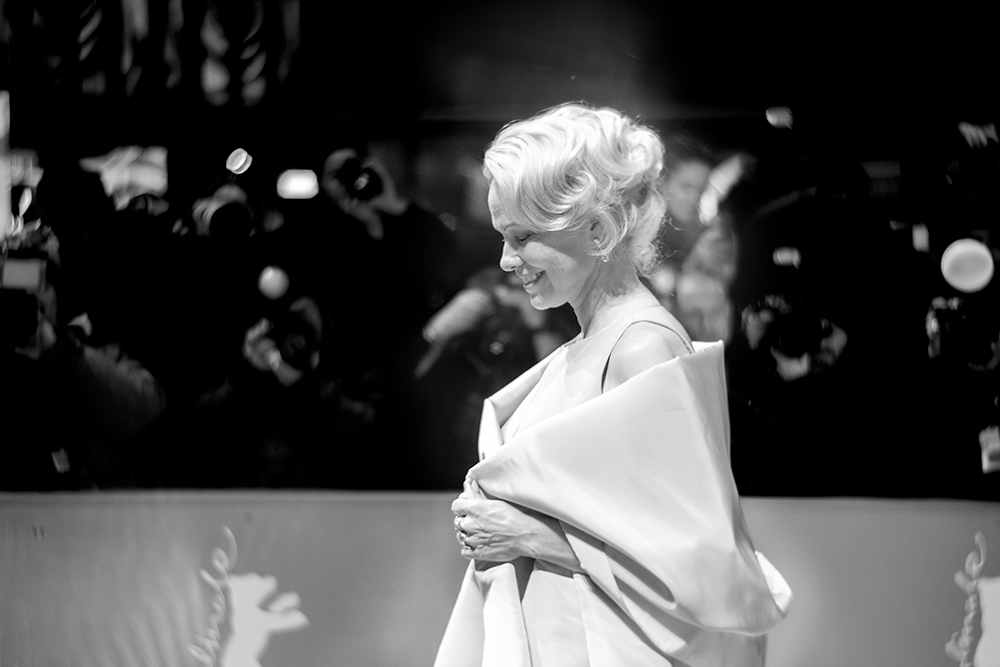
Sobre el fotógrafo: Antonio Castello es un artista visual bogotano con residencia en Berlín.
Desde 2017 ha fotografiado los eventos alrededor del Berlinale y su alfombra roja con un estilo fotográfico experimental y artístico. www.antoniocastello.com / IG @Antonio Castello