
03.02.26. Milan
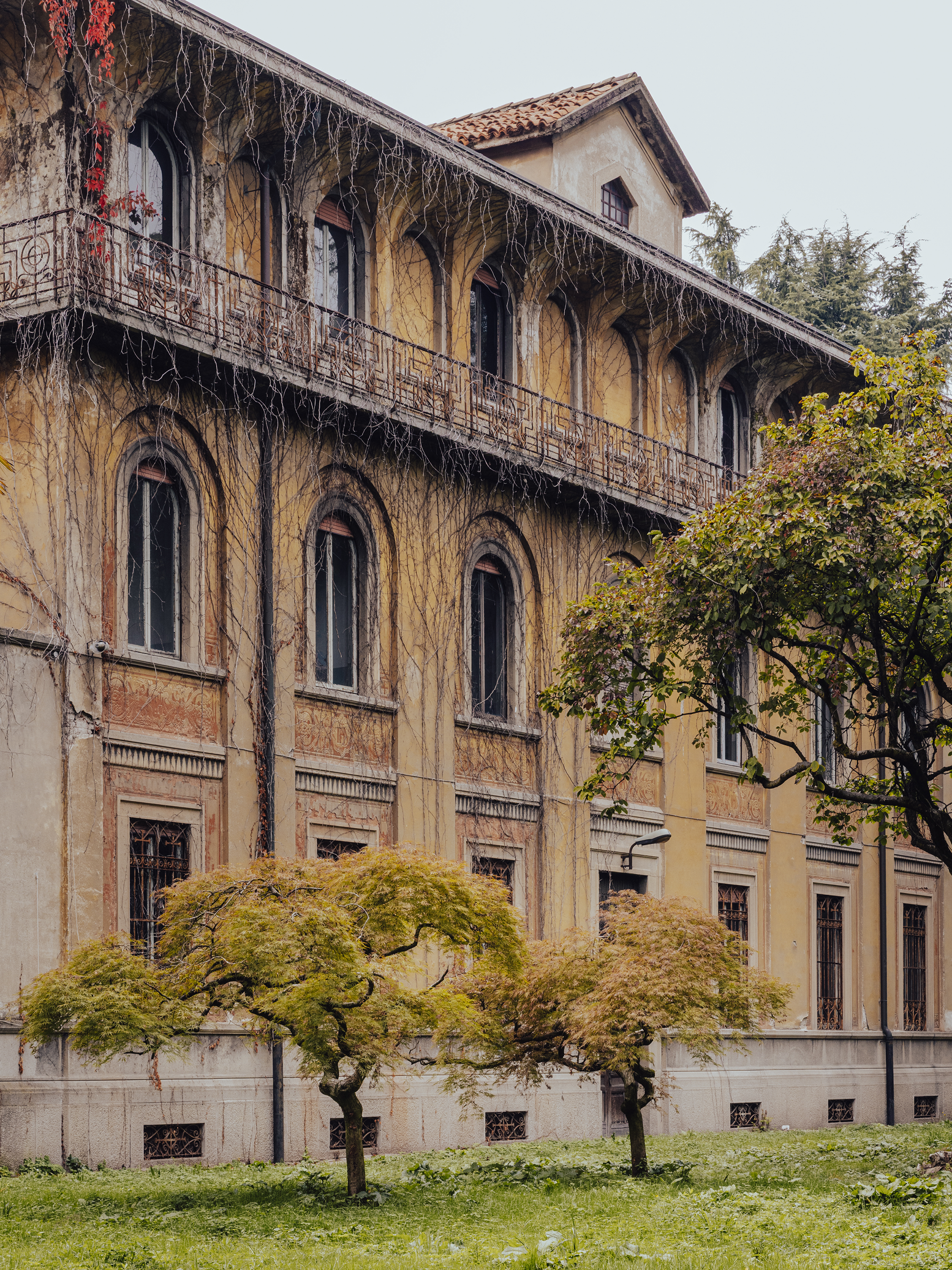
From April 20 to 26, Alcova returns to Milan with its eleventh edition, reaffirming its role as one of the most experimental platforms within contemporary design. This year, the project once again unfolds across Villa Pestarini — the only villa in Milan designed by Italian Rationalist architect Franco Albini — and the former Baggio Military Hospital, a vast post–World War I complex immersed in the green landscape of the Primaticcio district.
Del 20 al 26 de abril, Alcova regresa a Milán con su undécima edición, consolidándose como una de las plataformas más experimentales del diseño contemporáneo. En esta ocasión, el proyecto vuelve a desplegarse entre Villa Pestarini — la única villa en Milán diseñada por el arquitecto racionalista Franco Albini — y el antiguo Hospital Militar de Baggio, un extenso complejo de posguerra integrado al paisaje verde del distrito de Primaticcio.
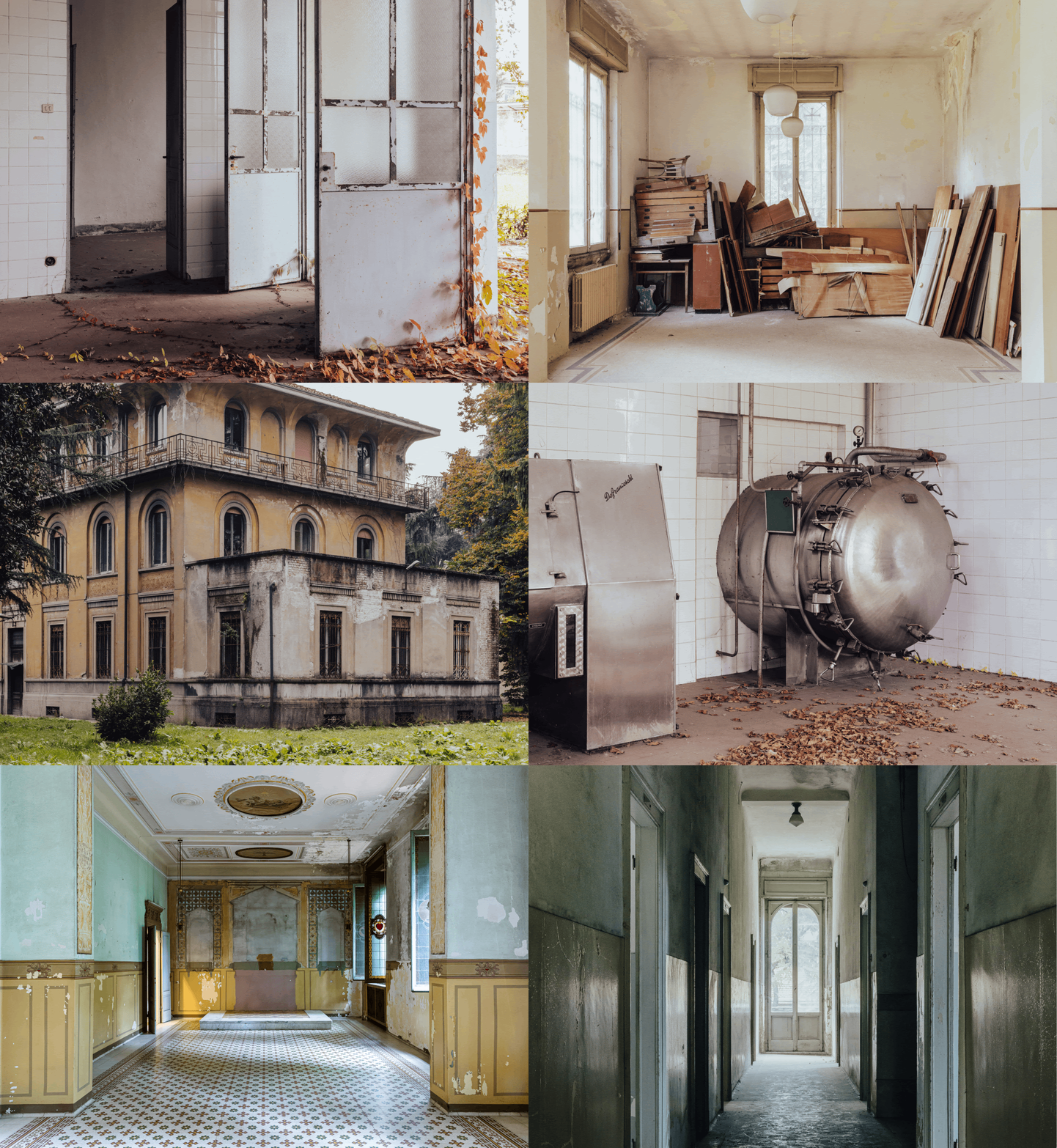
First activated during Alcova 2021–22, the Baggio Military Hospital is revisited through a renewed curatorial approach that opens previously inaccessible spaces to the public. Visitors are invited to explore a former church, its adjoining rectory, and historical archives, expanding the narrative of a site where architecture, care, and nature have coexisted for more than a century. As Milan’s first military hospital, the complex embodies a layered history tied to medical service, wartime resilience, and urban transformation throughout the twentieth century.
Activado por primera vez durante Alcova 2021–22, el Hospital Militar de Baggio es revisitado ahora desde una mirada curatorial renovada que abre al público espacios hasta hoy inaccesibles. Entre ellos, la antigua iglesia, la casa parroquial y los archivos históricos permiten profundizar en la memoria estratificada de un lugar donde arquitectura, cuidado y naturaleza han convivido durante más de un siglo. Como primer hospital militar de Milán, el complejo encarna una historia marcada por la atención médica, los contextos bélicos y los procesos de transformación urbana del siglo XX.
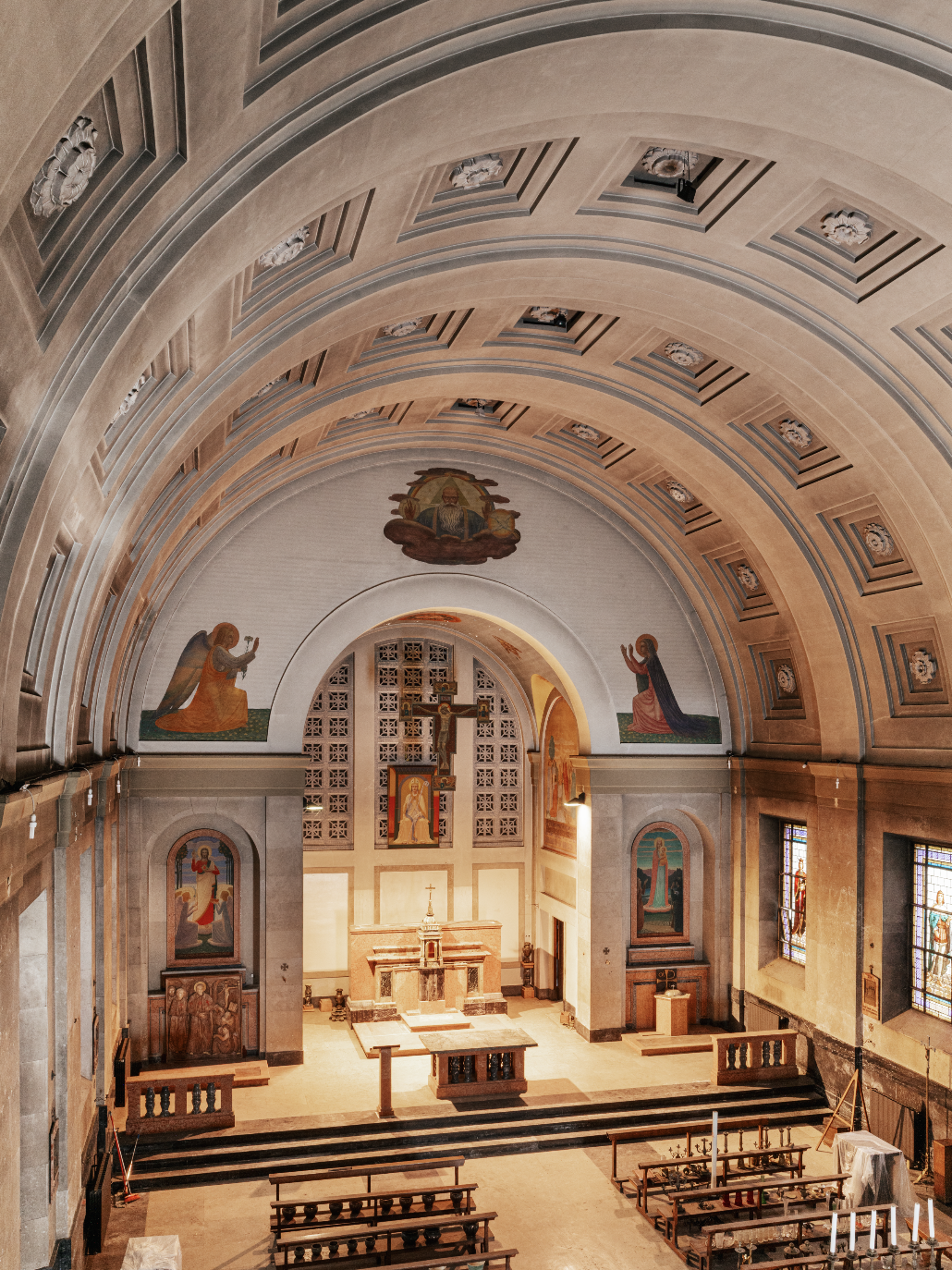
Among the architectural highlights is the Chiesa di San Martino, a neoclassical landmark long associated with moments of reflection and collective memory for soldiers, medical staff, and local residents. Adjacent spaces such as the Canonica, the Casa delle Suore — a former 19th-century nunnery for hospital nurses — and service buildings including the Lavanderia, Cucina, and Archivi, reveal the often-overlooked infrastructures that sustained daily life within the hospital system.
Entre los hitos arquitectónicos destaca la Chiesa di San Martino, un referente neoclásico ligado durante décadas a la vida espiritual y simbólica del hospital. A su alrededor, espacios como la Canonica, la Casa delle Suore — antigua residencia de enfermeras del siglo XIX — y edificios de servicio como la Lavanderia, la Cucina y los Archivi revelan las infraestructuras esenciales que sostuvieron la vida cotidiana del recinto.
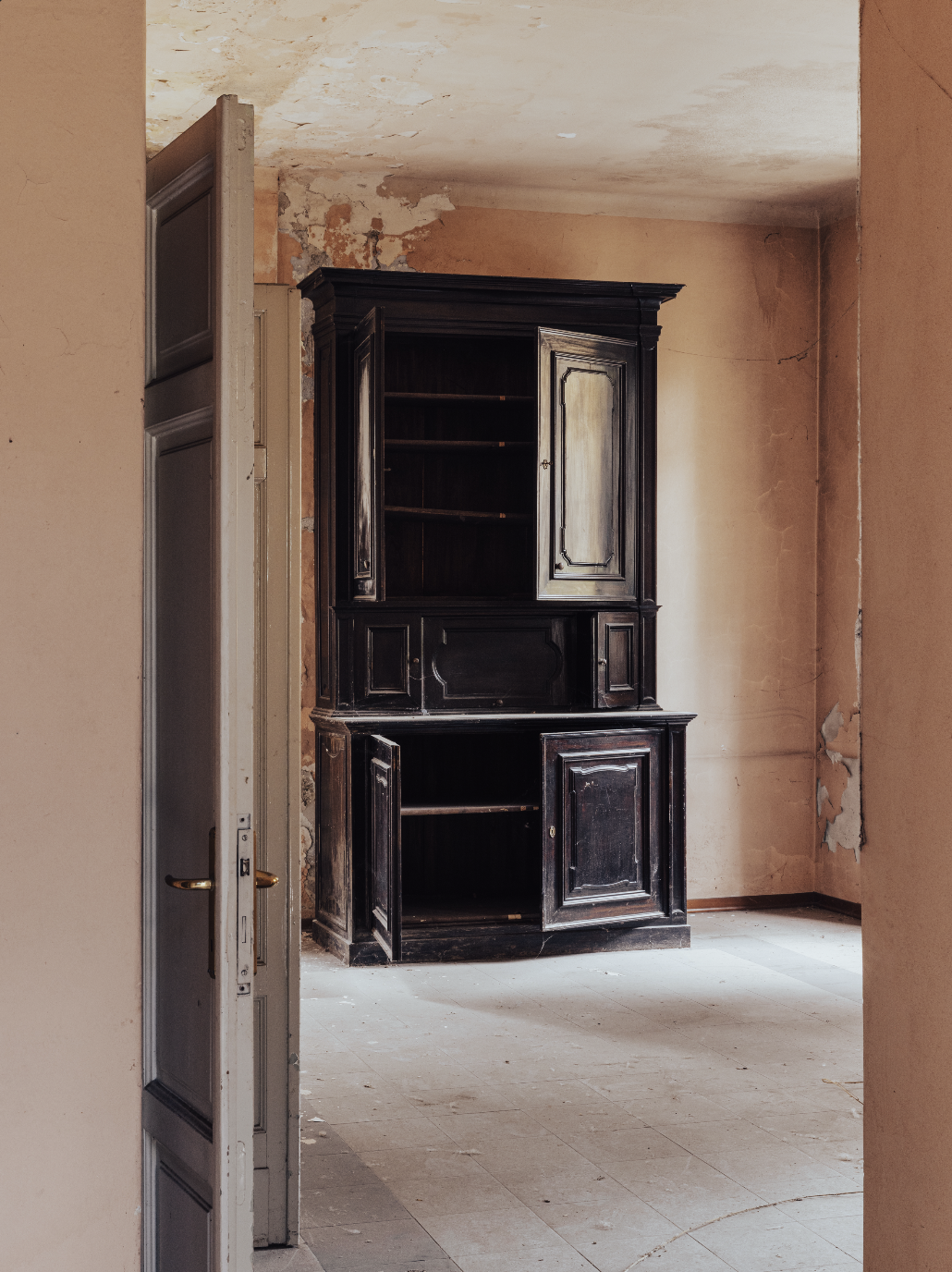
Within this constellation of sites, Alcova will host designers, studios, companies, and institutions from across the globe, transforming the former hospital into a temporary ecosystem for contemporary design. As ever, Alcova operates as a testing ground — a space where new forms of living, making, and thinking emerge through dialogue between material research, spatial narratives, and cultural experimentation.
En este entramado de edificios y jardines, Alcova reunirá a diseñadores, estudios, empresas e instituciones de distintos contextos, transformando el antiguo hospital en un ecosistema temporal para el diseño contemporáneo. Fiel a su espíritu, Alcova se presenta una vez más como un laboratorio abierto: un espacio de experimentación donde se ensayan nuevas formas de habitar, producir y pensar la cultura material desde una perspectiva crítica y curatorial.