
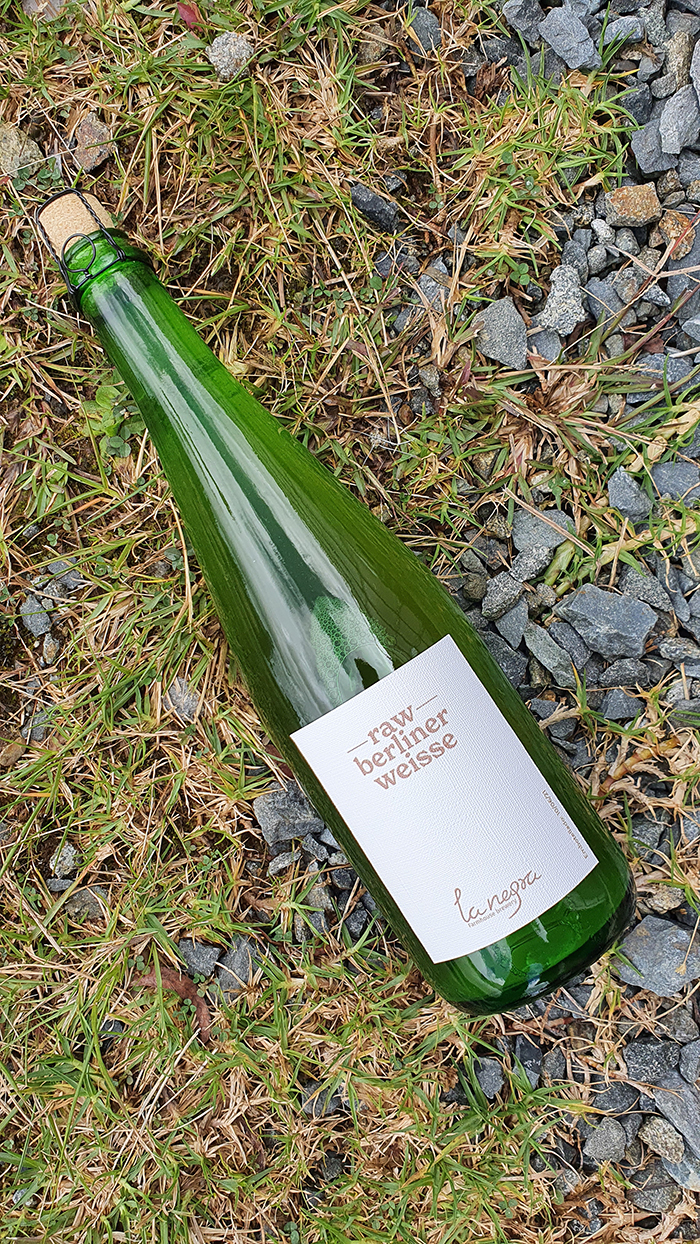
Sebastián Valencia, graduado de la Colegiatura y quien incursionó en el mundo de la cocina por un tiempo, habla con entusiasmo de su cerveza La Negra. Sabe que es un producto único que probablemente no sea para todos los públicos, pues, como él mismo lo reconoce, siempre es un reto que las personas aprendan a apreciar cosas diferentes, hechas para momentos especiales y que estén fuera de los cánones de lo “común”. Este es el caso de La Negra, una cerveza que es elaborada con el cuidado que solo un apasionado por la cerveza sabe tener.
Sebastián Valencia, a graduate of the Colegiatura who ventured into the culinary world for a time, speaks enthusiastically about his beer La Negra. He knows it is a unique product that probably isn’t for everyone, because, as he himself acknowledges, it is always a challenge for people to learn to appreciate different things, made for special moments, and that are outside the norms of the “common.” This is the case with La Negra, a beer crafted with the care that only a beer enthusiast knows how to have.
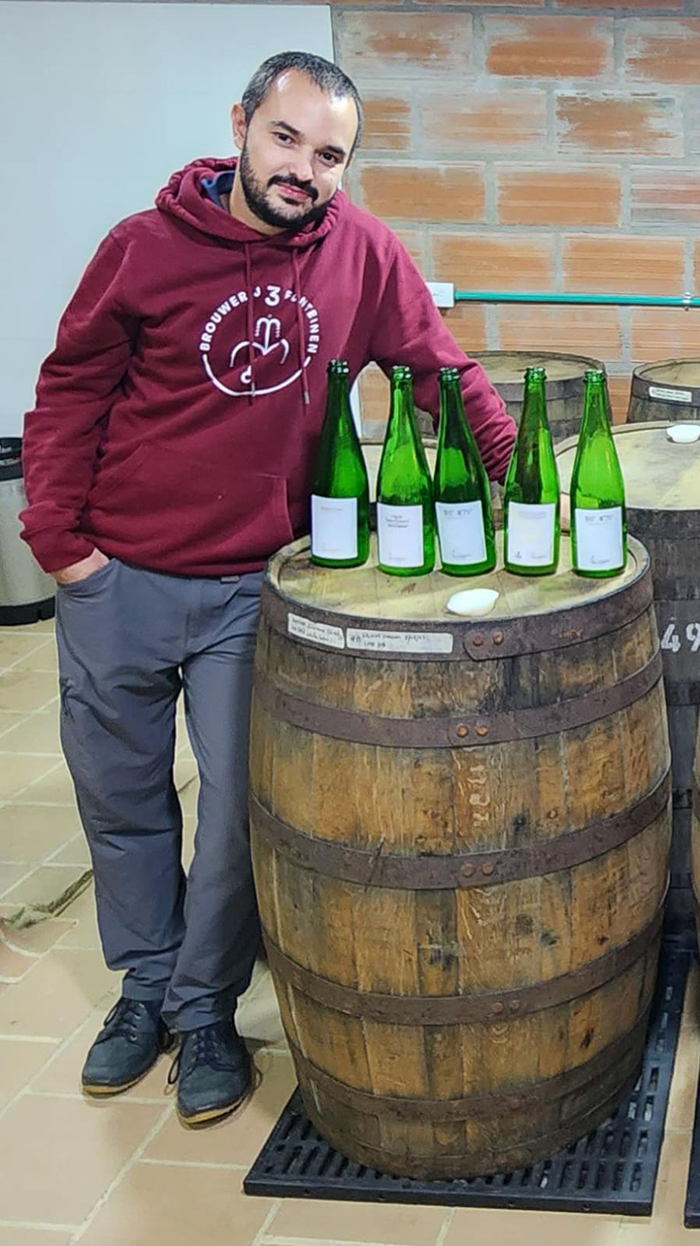
La Negra, cuyo nombre es en honor a su madre Clara Eugenia Barrera (“La Negra”), ya fallecida, de quien aprendió bastante del mundo tanto como el gusto por beber buena cerveza, es elaborada en el sector de El Escobero, una zona rural del municipio de Envigado, a media hora de Medellín, justo en la propiedad donde vivió su madre. La temperatura, y el proceso de elaboración y fermentación en barrica, son muy importantes; además, el tiempo es su factor más crucial, pues de ello dependen el sabor, la amargura o suavidad de esta exclusiva cerveza.
La Negra, named in honor of his late mother Clara Eugenia Barrera (“La Negra”), from whom he learned much about the world as well as an appreciation for good beer, is brewed in the El Escobero sector, a rural area in the municipality of Envigado, half an hour from Medellín, right on the property where his mother lived. Temperature, along with the brewing and barrel fermentation process, are very important; additionally, time is its most crucial factor, as the flavor, bitterness, or smoothness of this exclusive beer depends on it.
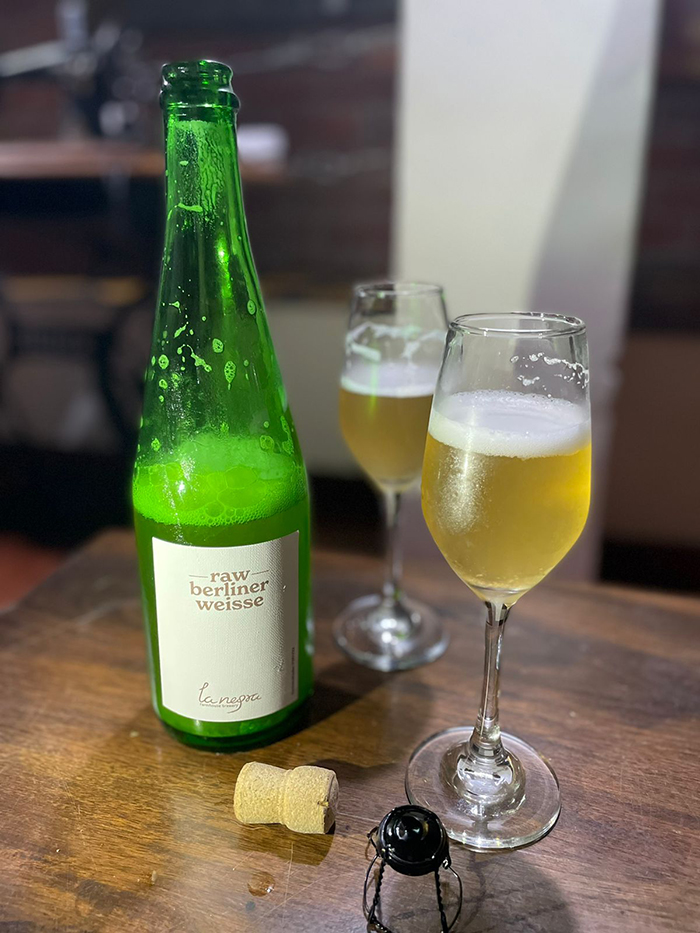
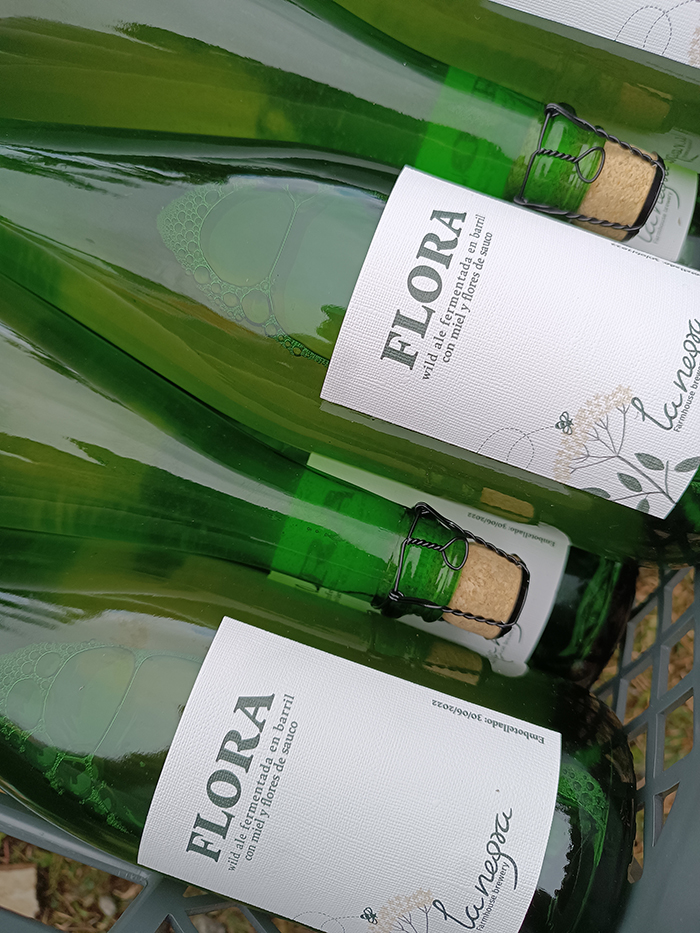
Cabe destacar que, justo por su cuidado proceso artesanal, que dista mucho de lo que es una producción en masa, La Negra es de producción limitada, convirtiéndola en un producto exclusivo que puede pasar perfectamente como una clase de vino espumoso especial. Esto se debe, en parte, a que sus botellas de 750 ml tienen una estética particular con su color verde, una forma única que no se ve en el envase de una cerveza, y el toque final: un corcho que la distingue de todas las demás cervezas.
It is worth noting that, due to its careful artisanal process, which is far from mass production, La Negra is produced in limited quantities, making it an exclusive product that could easily be considered a type of special sparkling wine. This is partly because its 750 ml bottles have a unique aesthetic with their green color, a shape not seen in beer packaging, and the final touch: a cork that sets it apart from all other beers.
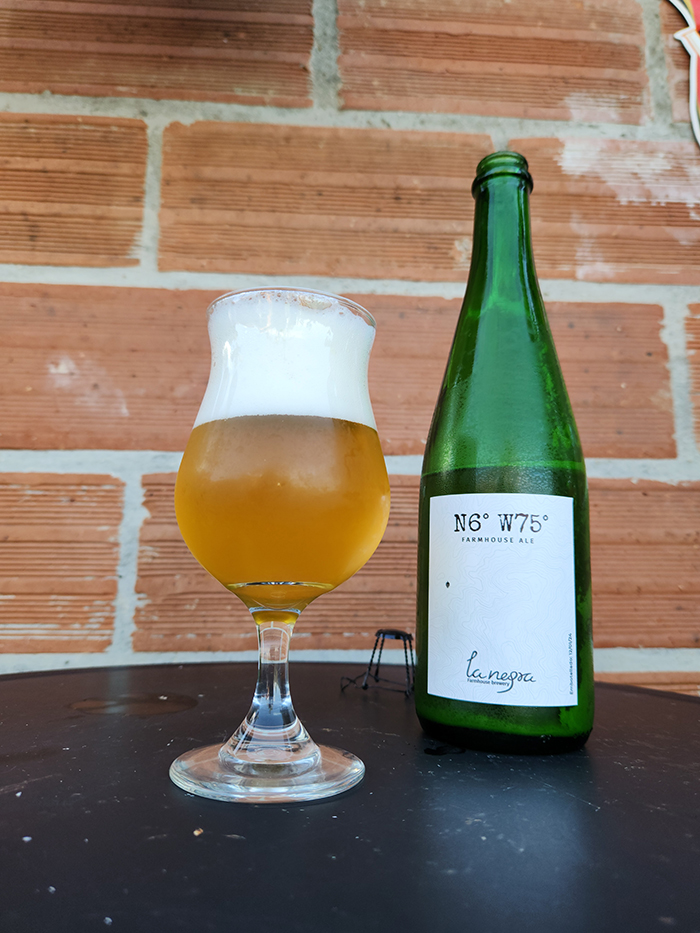
En el año 2016, Sebastián tuvo un bar llamado El Cervesario; una experiencia enriquecedora que le ayudó a proyectarse luego como el creador de su propia cerveza. Con su bar, buscaba promover una cultura cervecera, donde la diversidad de cervezas fuera una manera de acercar al público a sabores distintos. Durante este proceso, consiguió la Certified Cicerone, un examen que permite demostrar rápidamente que se tienen conocimientos profesionales y habilidades de degustación esenciales relacionados con la cerveza. Más aquí.
In 2016, Sebastián owned a bar called El Cervesario, an enriching experience that later helped him project himself as the creator of his own beer. With his bar, he aimed to promote a beer culture where the diversity of beers would be a way to introduce the public to different flavors. During this process, he obtained the Certified Cicerone, an exam that quickly demonstrates professional knowledge and essential tasting skills related to beer. More here.